Inhaltsverzeichnis
Einleitung
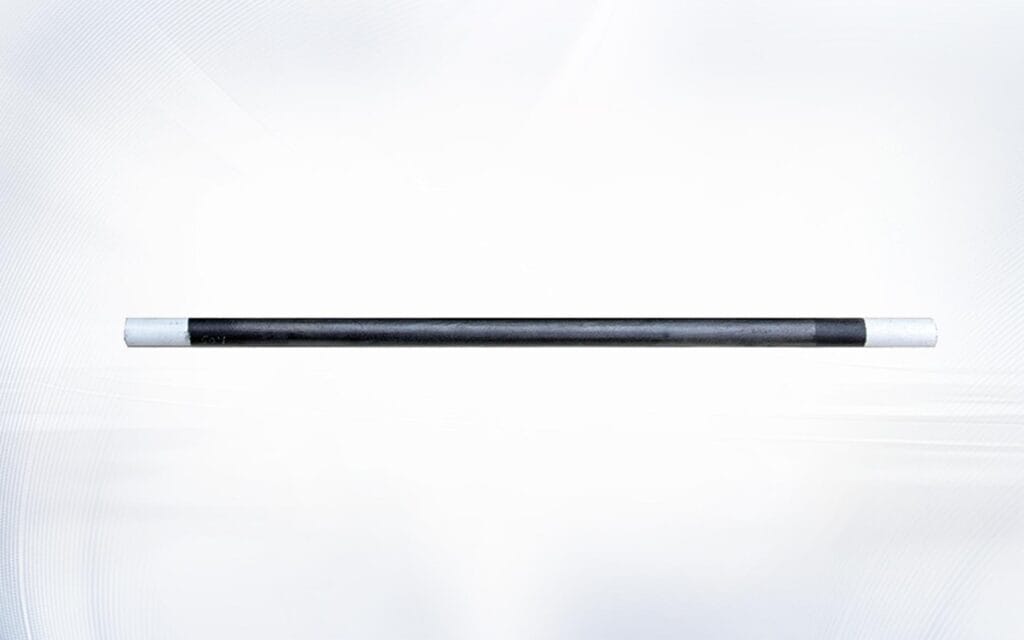
In modern high-temperature industries, the stability of heating performance directly affects production efficiency, energy consumption, and product quality. Silicon carbide (SiC) heating elements have become a core component in industrial furnace systems due to their excellent thermal stability and long service life.
For buyers, choosing the right SiC heating element suppliers is not just a procurement decision—it is a long-term investment in operational reliability. As a direct manufacturer, we understand that consistent quality, stable supply, and technical support are critical factors that industrial users expect from a trusted partner.
What Are SiC Heating Elements and How Do They Work
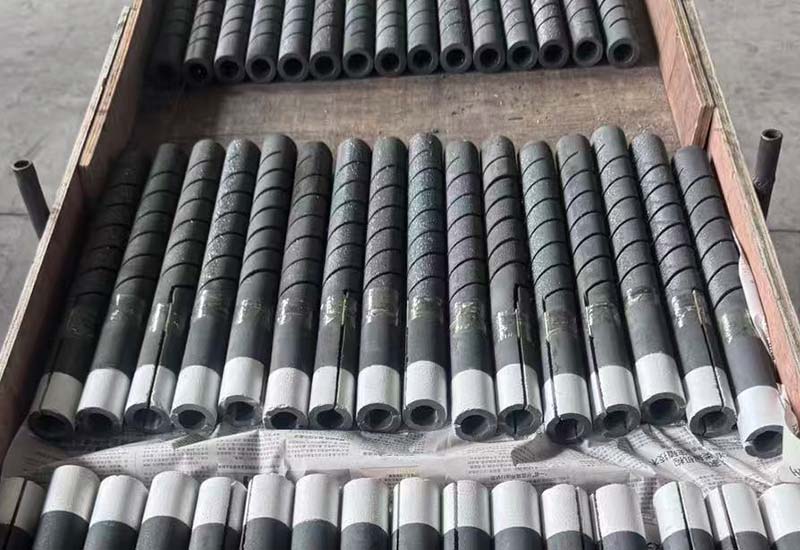
SiC heating elements are non-metallic electric heating components made from high-purity silicon carbide. They operate based on the principle of electrical resistance heating.
When voltage passes through the element, it generates heat that can reach extremely high temperatures, typically up to 1600°C–1800°C, making it suitable for demanding industrial environments.
Zu den wichtigsten Arbeitsmerkmalen gehören:
- High-temperature resistance
- Stable electrical performance
- Strong oxidation resistance
- Even heat distribution
These properties make SiC heating elements widely used in furnace systems where metal heating elements cannot perform reliably.
Key Advantages of Choosing High-Quality SiC Heating Element Suppliers
Working with reliable suppliers or manufacturers ensures stable performance and reduced downtime in industrial operations.
Main advantages include:
- Long operational lifespan under continuous high-temperature conditions
- Excellent oxidation and corrosion resistance
- Higher energy efficiency compared to traditional metal heating elements
- Stable resistance performance over time
- Reduced maintenance and replacement costs
A qualified supplier does not only provide products but also ensures performance consistency across different industrial applications.
Manufacturer Insight: How SiC Heating Elements Are Produced
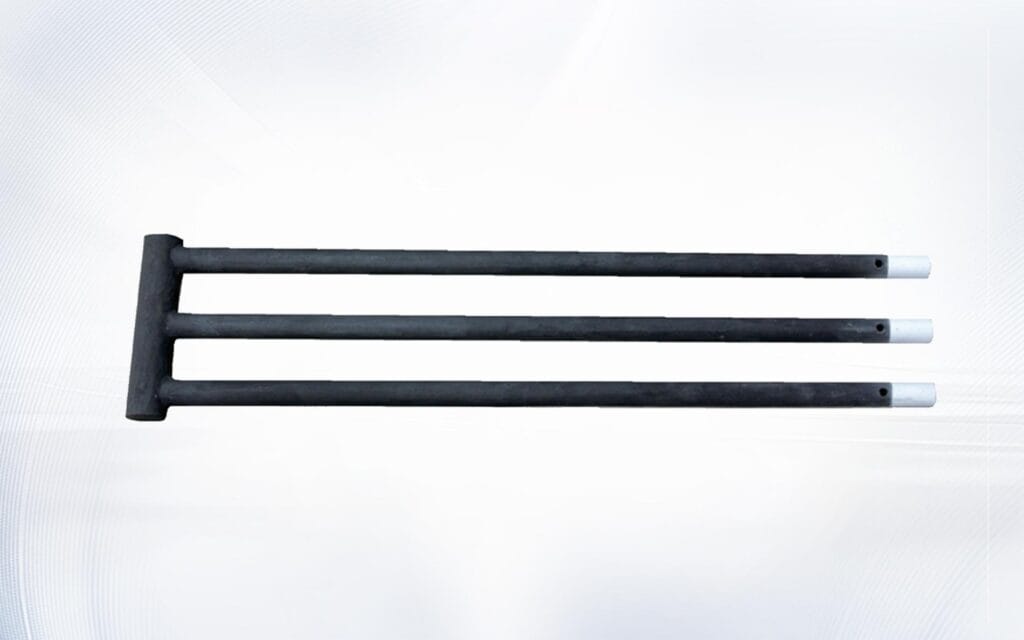
As a manufacturing company, production quality control is the foundation of product reliability.
Der Herstellungsprozess umfasst typischerweise:
- Raw material selection: high-purity silicon carbide powder
- Forming process: shaping under controlled conditions
- High-temperature sintering: ensures structural strength and conductivity
- Resistance calibration: ensures consistent heating performance
- Quality inspection: testing for density, resistance, and thermal stability
This strict process ensures each heating element meets industrial furnace requirements and performs reliably under extreme conditions.
How to Evaluate Reliable SiC Heating Element Suppliers
When selecting a supplier, industrial buyers should evaluate more than just pricing.
Key evaluation criteria:
- Manufacturing capability (factory vs trading company)
- Technical engineering support
- Production capacity and delivery stability
- Customization (OEM/ODM) ability
- Quality certifications and inspection systems
- Export experience and international standards compliance
A real manufacturer provides transparency in production, while traders often lack technical control over product quality.
SiC Heating Element Applications in Industrial Furnaces
SiC heating elements are widely used in industries requiring stable high-temperature environments.
Common applications include:
- Heat treatment furnaces
- Ceramic sintering kilns
- Glasschmelzöfen
- Metallurgische Verarbeitungsgeräte
- Laboratory high-temperature furnaces
- Semiconductor thermal systems
Their ability to maintain consistent heating performance makes them essential in precision industrial processes.
SiC Heating Element Price Factors and Cost Considerations
Pricing varies depending on multiple technical and commercial factors.
Key pricing factors:
| Factor | Impact on Cost |
|---|---|
| Material purity | Higher purity increases cost but improves lifespan |
| Size and diameter | Larger elements require more material |
| Resistance specification | Custom resistance increases engineering cost |
| Order quantity | Bulk orders reduce unit price |
| Custom design (OEM) | Increases cost but improves application fit |
Factory-direct sourcing usually provides better cost efficiency compared to distributor-based purchasing, especially for bulk industrial orders.
Manufacturer Advantage: Why Direct SiC Heating Element Suppliers Are More Reliable
Working directly with a manufacturer provides clear advantages in industrial procurement.
Benefits include:
- Factory-direct pricing without middle layers
- Faster technical response and engineering support
- Stable and controlled production quality
- Custom design for different furnace systems
- Better long-term supply consistency
For industrial buyers, these advantages significantly reduce operational risks and improve production stability.
Common Problems in SiC Heating Elements and Supplier Solutions
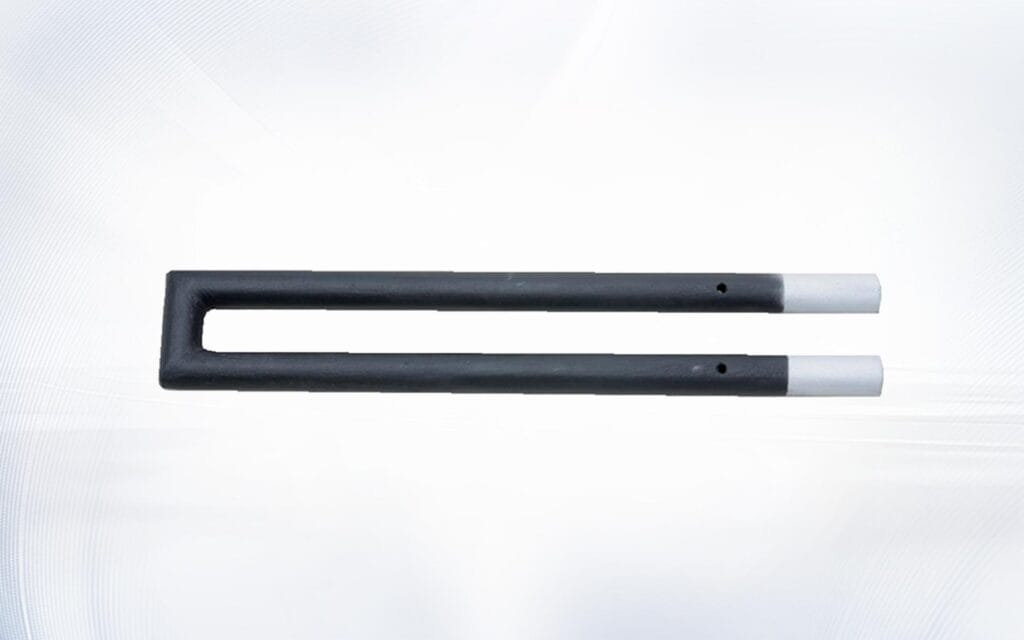
Even high-quality heating elements may face challenges during long-term operation.
Common issues include:
- Resistance drift over time
- Element breakage caused by thermal shock
- Uneven heating performance
- Oxidation under extreme conditions
Experienced manufacturers address these problems through:
- Improved material formulation
- Optimized production processes
- Strict resistance calibration
- Enhanced surface protection technology
This ensures stable long-term performance in demanding environments.
Global Market Trends for SiC Heating Element Suppliers in 2026
The industrial heating market continues to grow, driven by energy efficiency and automation demands.
Key trends:
- Increasing demand for energy-saving furnace systems
- Growth in ceramic, metallurgy, and glass industries
- Higher demand for OEM customized heating solutions
- Stronger focus on supply chain stability
- Expansion of global industrial manufacturing projects
These trends make reliable SiC heating element suppliers more important than ever.
Why Choose a Manufacturer-Based SiC Heating Element Supplier
Choosing a direct manufacturer ensures better control over product performance and supply stability.
Key advantages:
- Full production control from raw material to finished product
- Strong R&D capability for industrial customization
- Ability to handle large-scale and repeat orders
- Technical support for furnace optimization
- Long-term partnership stability
For industrial buyers, these factors directly influence production efficiency and operational cost.
How to Request a Quotation from SiC Heating Element Suppliers
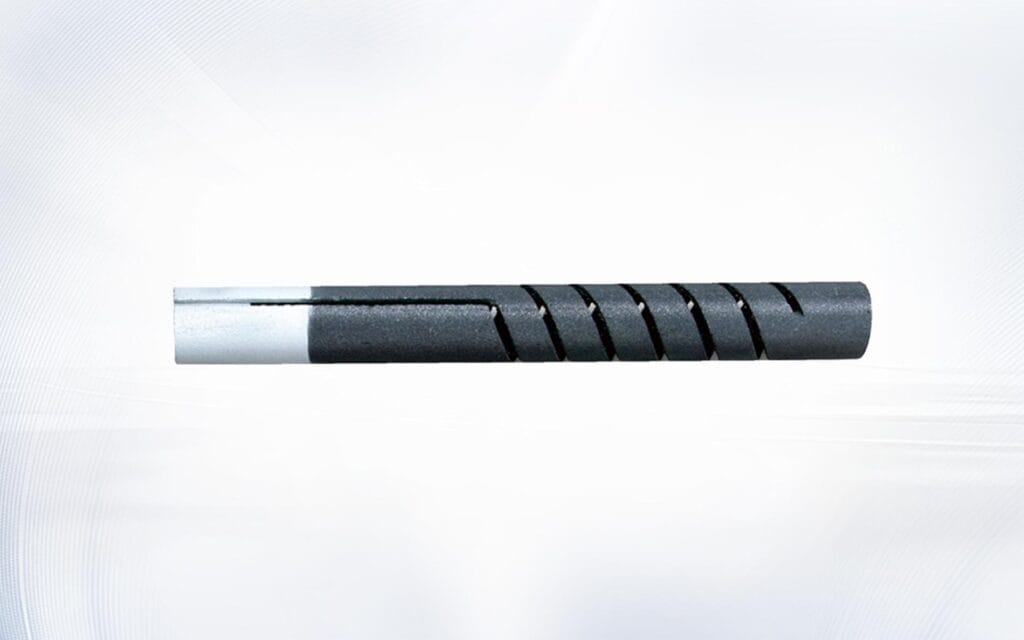
To receive an accurate quotation, buyers should provide clear technical details.
Required information includes:
- Spannungs - und Leistungsbedarf
- Heating element size and shape
- Application type (furnace, kiln, laboratory, etc.)
- Quantity and delivery schedule
- OEM or custom specifications
Providing complete information helps suppliers offer more precise technical and commercial solutions.
Schlussfolgerung
Selecting the right SiC heating element suppliers plays a critical role in ensuring stable industrial heating performance, energy efficiency, and long-term operational reliability.
As a direct manufacturer, we focus on delivering consistent product quality, engineering support, and customized solutions for global industrial applications. A reliable supplier partnership not only improves furnace efficiency but also reduces long-term maintenance and production risks.
For industrial buyers, choosing a trusted manufacturing partner is the key to achieving stable and efficient high-temperature operations.
FAQ
Q1: What do SiC heating element suppliers provide?
A: They supply silicon carbide heating elements used in high-temperature industrial furnaces, kilns, and heat treatment systems.
Q2: How to choose reliable SiC heating element suppliers?
A: Focus on manufacturing capability, quality control system, OEM customization ability, and proven industrial application experience.
Q3: Are manufacturer-based SiC heating element suppliers better than traders?
A: Yes. Manufacturers offer better quality control, stable supply, lower cost, and technical support compared to trading companies.
Q4: What industries commonly use SiC heating elements?
A: They are widely used in ceramics, metallurgy, glass production, semiconductor processing, and laboratory furnaces.
Q5: Can SiC heating element suppliers provide custom specifications?
A: Yes, many manufacturers offer OEM/ODM services to customize size, resistance, and design based on furnace requirements.