Inhaltsverzeichnis
When a Furnace Stops Being Just a Furnace
In industrial heating systems, there is a point where engineers stop thinking in terms of “components” and start thinking in terms of thermal stability as a system.
Silicon carbide heating rods usually come into the conversation at that point.
They are not the most “visible” part of a furnace, but in high-temperature environments, they often determine whether a system runs continuously or repeatedly breaks down under thermal stress.
In our manufacturing experience, most performance issues in industrial furnaces are not caused by the furnace body itself, but by mismatched heating elements—wrong resistance behavior, unstable heat zones, or poor thermal shock tolerance.
That is where silicon carbide heating rods become critical.
What a Silicon Carbide Heating Rod Actually Does (in Real Use)
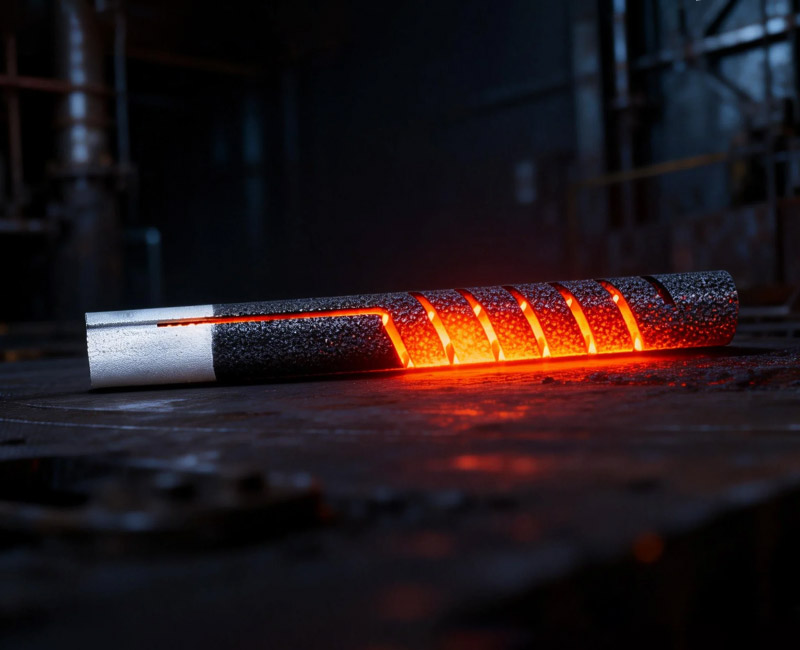
At a basic level, a silicon carbide heating rod is a resistive heating element. But in real industrial conditions, that explanation is too simple.
When installed inside a furnace, it behaves more like a controlled thermal source than a simple heating part.
Electric current passes through the silicon carbide structure, and heat is generated through resistance. What makes it different from metal heaters is not just temperature capacity, but how it behaves under sustained high heat:
- It does not soften like metal elements
- It maintains structural rigidity at high temperature
- It forms a protective oxide layer that slows degradation
- It continues stable heat output in long production cycles
This combination is why SiC heating rods are widely used in ceramic kilns, heat treatment lines, and high-temperature research furnaces.
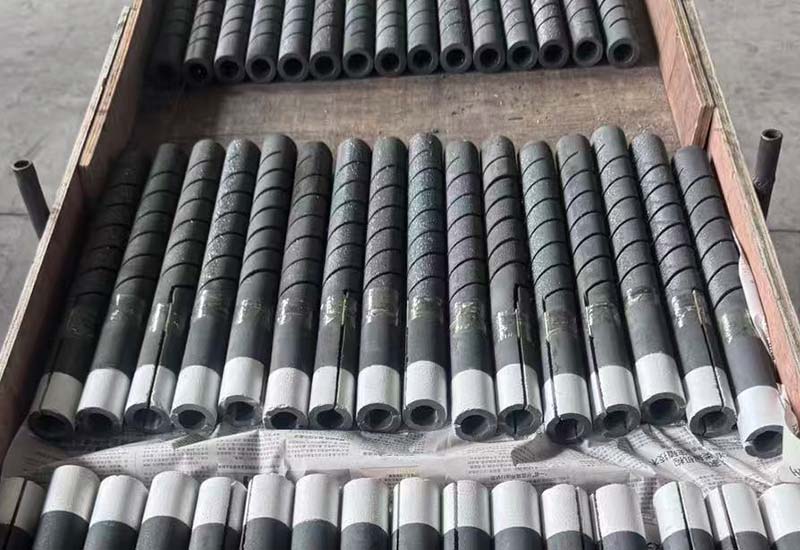
How These Heating Rods Are Actually Made (From a Manufacturer’s Perspective)
Most people see the final product. Very few understand what happens before it reaches a furnace.
The performance of a Heizstab aus Siliziumkarbid is determined long before it is installed.
It starts with raw silicon carbide material selection. Small variations in purity or particle distribution will affect resistance behavior later.
After forming, the rod is sintered at extremely high temperatures until the structure becomes stable enough to handle repeated thermal cycling. At this stage, we are not “making a rod” anymore—we are stabilizing a conductive ceramic system.
One of the most critical steps is resistance matching. Two rods that look identical can behave completely differently inside a furnace if their electrical characteristics are not controlled precisely.
That is why industrial-grade heating rods are never just “produced.” They are tuned.
Why Furnace Designers Care About Geometry More Than People Think
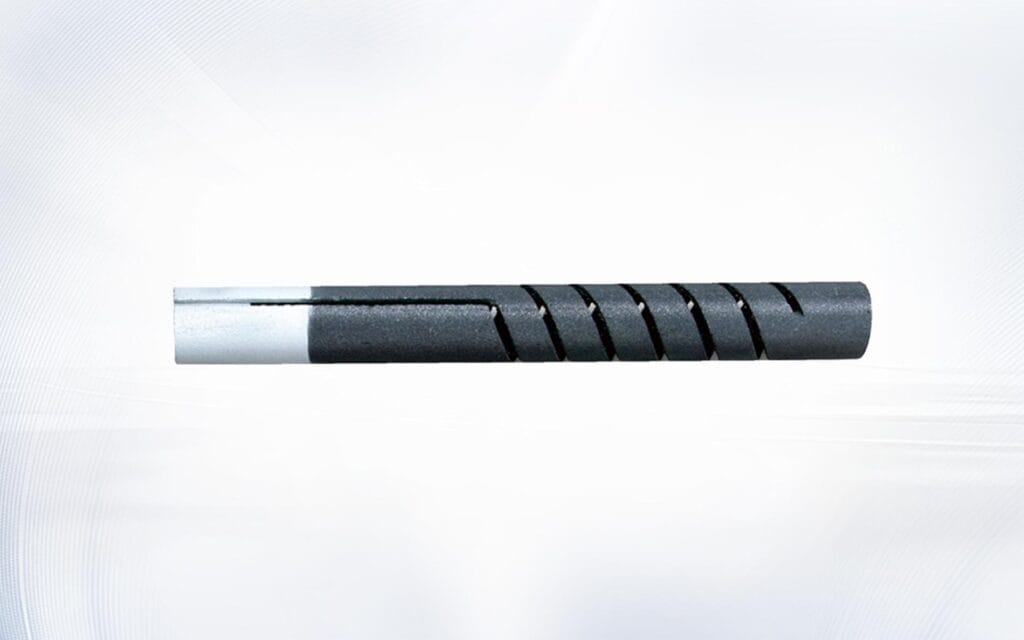
In theory, a heating rod is just a rod.
In practice, geometry decides everything.
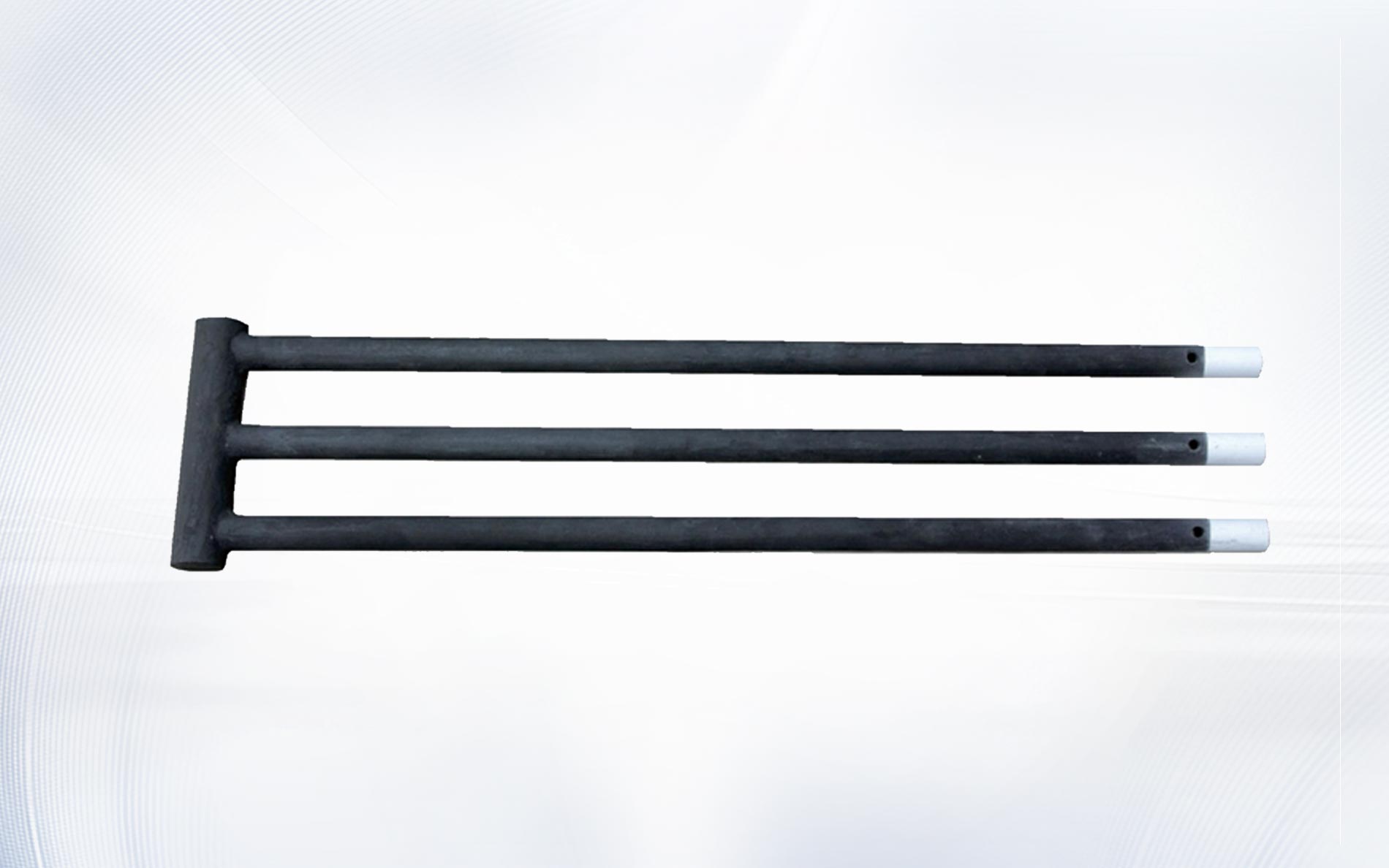
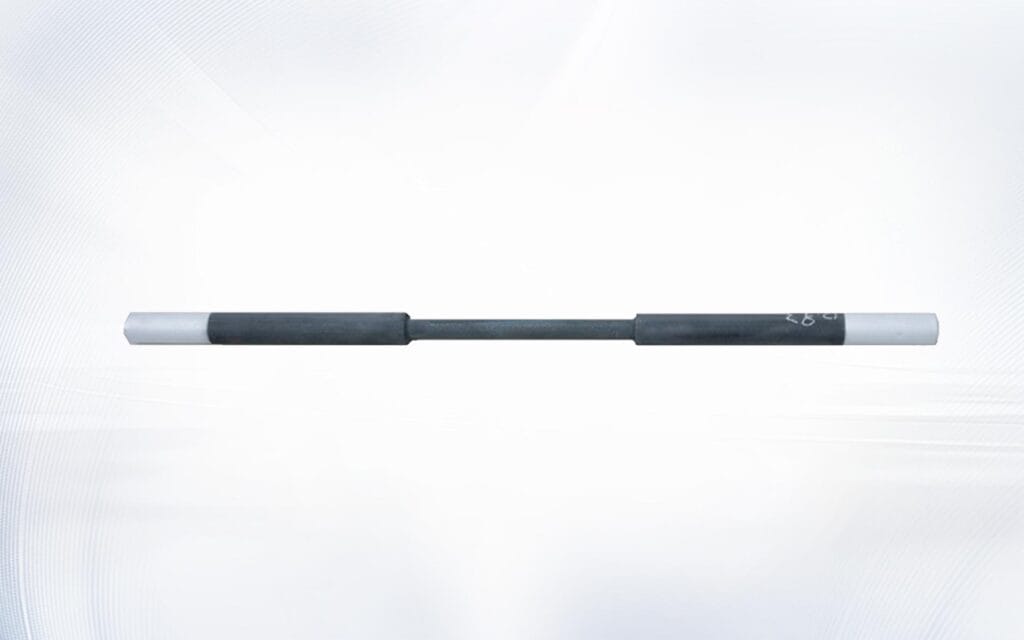
Straight rods behave differently from U-shaped or spiral structures. Even small changes in length or diameter will affect:
- heat distribution inside the chamber
- power load behavior
- thermal uniformity across zones
- startup stability of the furnace
This is why many industrial users eventually move toward custom-designed silicon carbide heating rods instead of standard formats.
Furnace design is rarely standardized, so heating elements cannot be either.
Where Silicon Carbide Heating Rods Are Actually Used (Not Just in Theory)
In real industrial environments, SiC heating rods are most commonly found in systems where temperature consistency is more important than raw heating power.
Typical environments include:
Ceramic firing systems where uneven heating leads to product deformation
Glass processing furnaces where temperature fluctuation affects transparency
Metal heat treatment lines where structural properties depend on thermal stability
Laboratory furnaces where repeatability matters more than speed
In all these cases, the heating element is not just producing heat—it is controlling process quality.
Why Customization Is Not a “Feature”, But a Requirement
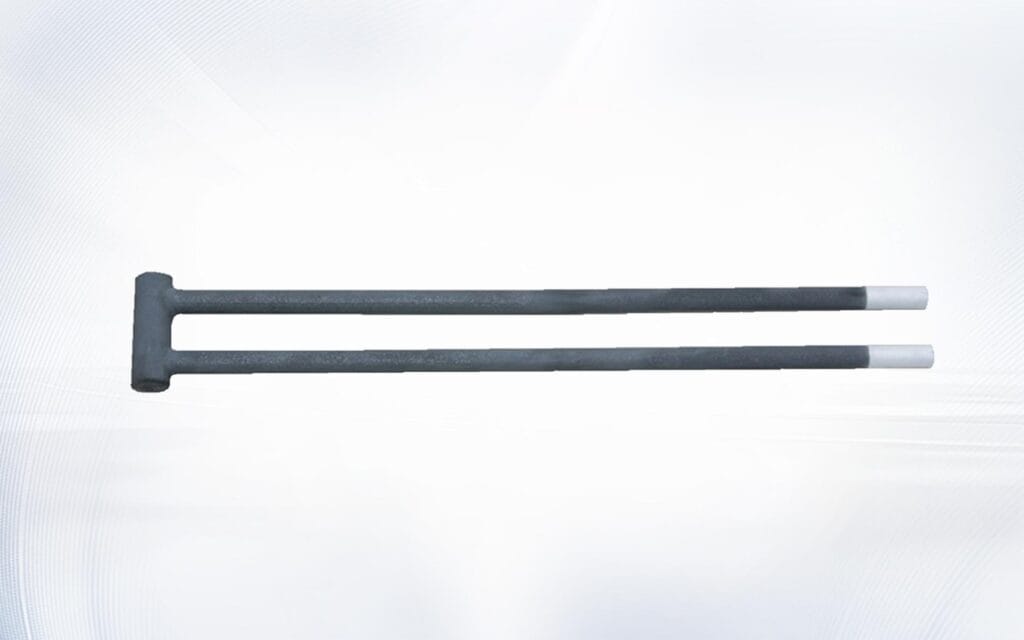
There is a misunderstanding in the market that customization is an upgrade option.
In industrial furnace systems, it is not.
Different furnaces require different resistance curves, different power response behavior, and different physical constraints. A standard heating rod may fit mechanically but fail electrically.
Custom silicon carbide heating rods are typically adjusted in:
- resistance behavior
- working length and cold-end ratio
- diameter and structural strength
- power distribution characteristics
When done correctly, customization does not improve performance—it simply makes stable operation possible.
Comparing Heating Elements in Real Furnace Conditions
In controlled lab conditions, many heating materials perform similarly.
In real industrial use, the differences become obvious quickly.
Silicon carbide heating rods tend to perform better in environments where:
- temperature cycles are frequent
- oxidation exposure is high
- long continuous operation is required
Other heating technologies may respond faster or cost less to operate, but they often require more maintenance or have shorter service cycles under extreme conditions.
This is why material selection is usually not about specifications—it is about operational reality.
What Engineers Usually Look for in a Reliable Supplier
From conversations with furnace designers and industrial buyers, the decision is rarely based on product appearance.
It is usually based on three things:
Consistency across batches
If resistance behavior changes between batches, furnace calibration becomes unstable.
Understanding of furnace systems
Suppliers who understand furnace behavior can help prevent mismatched designs.
Ability to customize without overcomplicating the process
Industrial systems require practical engineering support, not theoretical options.
This is where manufacturer-level control becomes important, because heating rods are not standalone products—they are part of a thermal system.
Installation Is Where Many Failures Begin
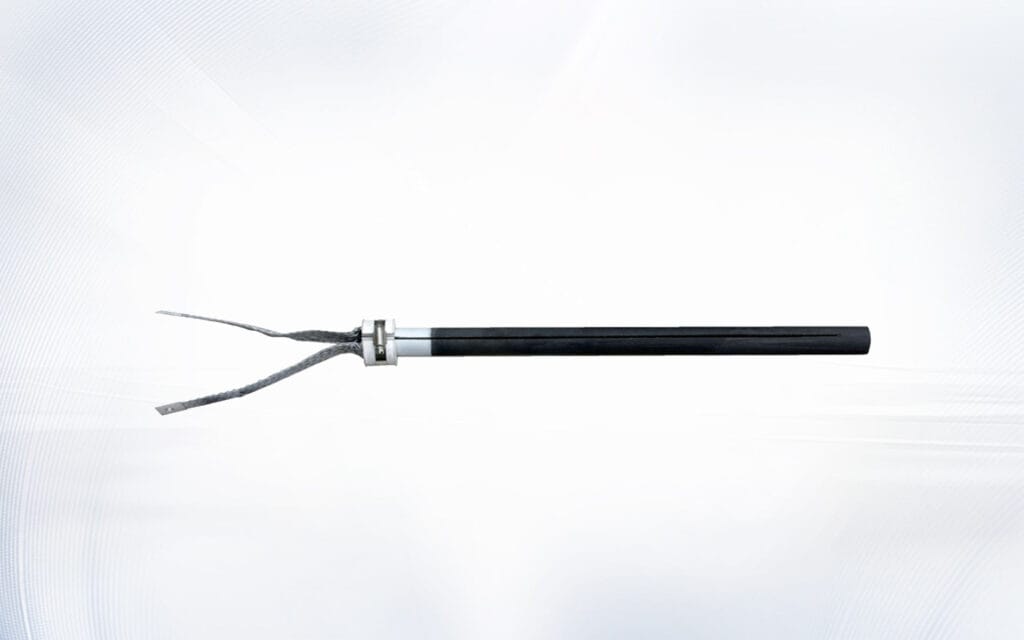
Even a well-manufactured Heizstab can fail early if installation conditions are not correct.
The most common issues are not material defects, but mechanical and electrical stress:
- improper mounting causing stress fractures
- uneven electrical load distribution
- rapid heating cycles without preheating control
- contamination inside furnace affecting surface oxidation behavior
In industrial use, installation is often as important as manufacturing.
Final Perspective: Why Silicon Carbide Heating Rods Still Matter
Industrial heating technology has evolved, but Heizstäbe aus Siliziumkarbid remain widely used because they solve a very specific problem: stable performance under extreme thermal conditions over long periods of time.
They are not the newest technology, and not always the cheapest to operate, but they continue to be selected in applications where process stability matters more than everything else.
From a manufacturing perspective, the real value is not in producing the rod itself, but in controlling how it behaves inside a furnace system.
That is ultimately what determines whether a heating element is suitable for industrial use or not.
FAQ
What is a silicon carbide heating rod used for?
Silicon carbide heating rods are used in high-temperature industrial furnaces for applications such as ceramics, glass processing, heat treatment, and laboratory heating systems where stable thermal performance is required.
Wie funktioniert ein Heizstab aus Siliziumkarbid?
It works through electrical resistance heating. When electric current passes through the silicon carbide material, it generates heat and maintains stable high temperatures inside industrial furnace environments.
What makes Heizstäbe aus Siliziumkarbid different from metal heating elements?
Unlike metal heaters, silicon carbide heating rods can operate at much higher temperatures, resist oxidation better, and maintain structural stability during long-term high-heat operation.
Can silicon carbide heating rods be customized for different furnaces?
Yes. They can be customized in terms of diameter, length, resistance value, and structure to match different furnace designs and industrial heating requirements.
What industries commonly use silicon carbide heating rods?
They are widely used in ceramics, metallurgy, glass manufacturing, heat treatment processes, and laboratory research furnaces where high-temperature stability is essential.