Wie fortschrittliche Materialien die Leistung und Zuverlässigkeit des Ofens umformen.
Im Bereich der industriellen Hochtemperatur-Fertigung galten Industrieöfen seit jeher als “Kern des Prozesssystems”. Ob Keramiksintern, Glasschmelzen, metallurgische Wärmebehandlung oder die Herstellung neuer Materialien und elektronischer Materialien, das Designniveau von Industrieöfen bestimmt direkt die Produktleistung, den Ertrag und die Energieeffizienz. In den letzten Jahrzehnten war einer der Schlüsselfaktoren für die kontinuierliche Entwicklung der Industrieofentechnologie der kontinuierliche Fortschritt in der Materialtechnologie.
Frühe Industrieofenkonstruktionen waren relativ einfach und beruhten mehr auf empirischen Parametern und struktureller Redundanz, um einen sicheren Betrieb zu gewährleisten. Aufgrund der eingeschränkten Materialleistung war die Temperaturbeständigkeit von Heizelementen begrenzt, und Öfen mussten häufig in niedrigeren Temperaturbereichen betrieben werden oder Prozessmängel durch Erhöhung der Gerätegröße und Verlängerung der Heizzeit kompensieren. Dieses Verfahren war nicht nur energieintensiv, sondern machte es auch schwierig, die Temperaturgleichmäßigkeit und die Prozessstabilität zu gewährleisten.
Mit dem Aufkommen von Hochleistungsmaterialien, insbesondere keramischen Hochtemperaturmaterialien, fortschrittlichen feuerfesten Materialien und nichtmetallischen elektrischen Heizmaterialien hat sich die Designphilosophie von Industrieöfen grundlegend geändert. Die Ingenieure begannen, die Ofenstruktur, das Heizverfahren und das Temperaturregelsystem auf der Grundlage von “materiellen Fähigkeiten” neu zu definieren, anstatt sich nur auf traditionelle Erfahrungen zu verlassen.
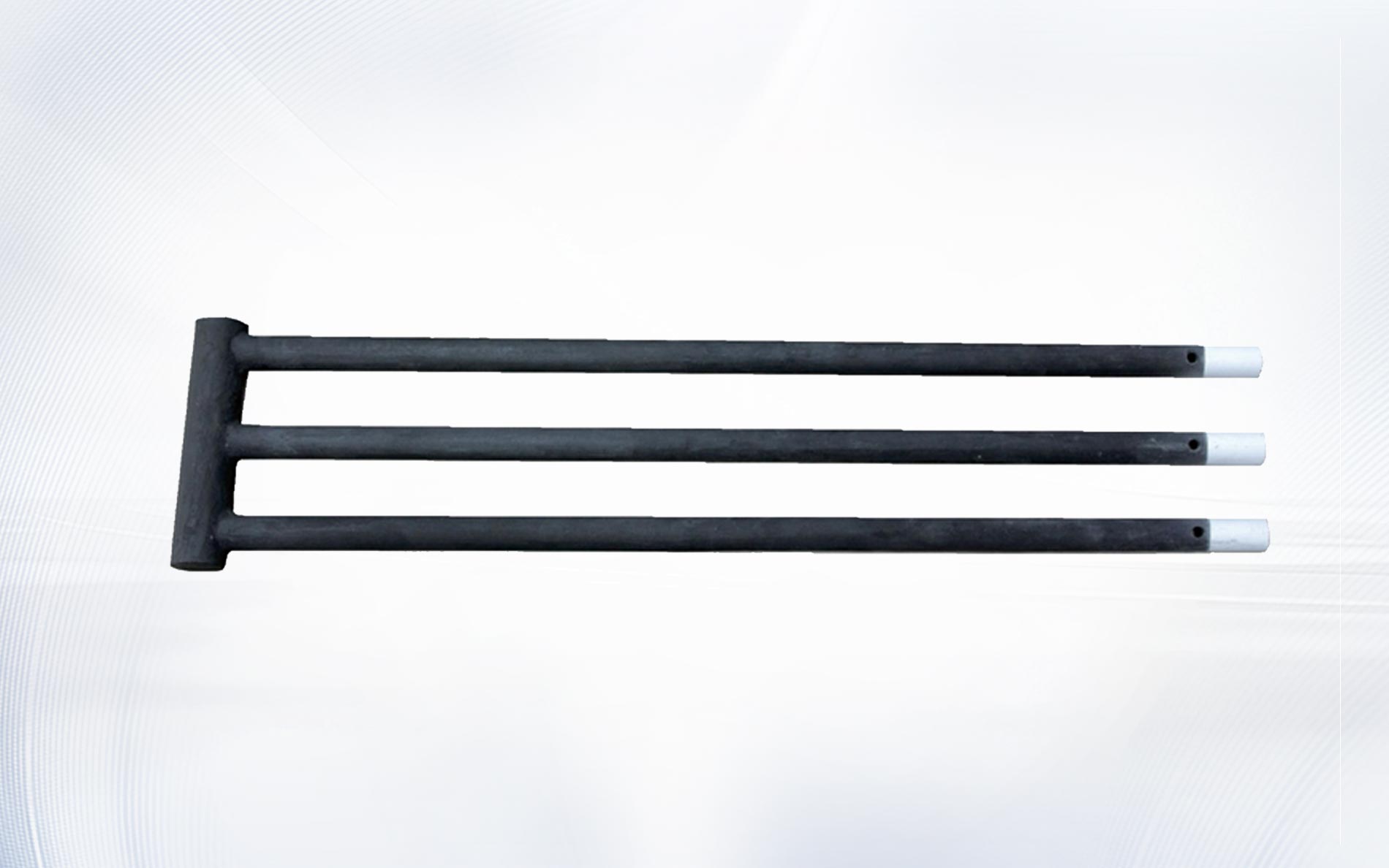
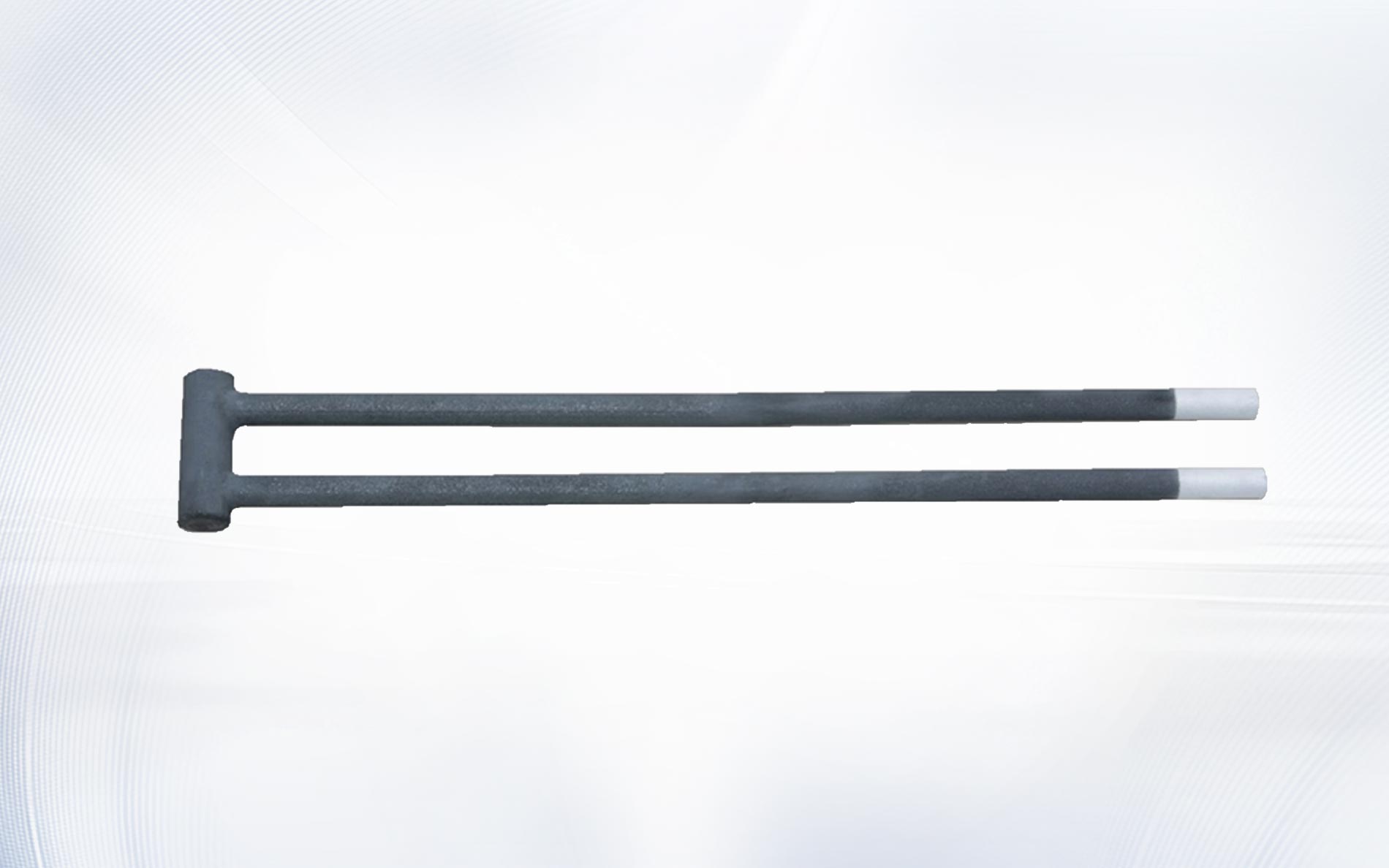
Dabei ist der Fortschritt von Hochtemperatur-Heizelementmaterialien besonders wichtig. Siliziumkarbidmaterialien haben aufgrund ihrer hohen Temperaturbeständigkeit, Oxidationsbeständigkeit und guter thermischer Stabilität einige Metallheizelemente in Hochtemperaturofenausführung allmählich ersetzt. Die Verbesserung ihres Langzeitbetriebstemperaturbereichs ermöglicht es Industrieöfen bei höheren Temperaturen und in einem stabileren Zustand zu arbeiten und somit die Anforderungen der High-End-Materialherstellung zu erfüllen.
Die Verbesserung der Materialleistung beeinflusst nicht nur die maximale Betriebstemperatur, sondern verändert auch das Wärmeverteilungsdesign im Ofen tiefgreifend. In der Vergangenheit wurde die ungleichmäßige Temperaturverteilung im Ofen häufig durch eine Erhöhung der Anzahl von Heizzonen oder eine Verlängerung der Isolationszeit gelöst. Mit stabileren Heizelementen und präziseren Steuerungssystemen können Ingenieure in der Konstruktionsphase eine gleichmäßigere Wärmefeldverteilung erreichen. Diese Änderung ist von großer Bedeutung für die Verbesserung der Produktkonsistenz.
Auf struktureller Konstruktionsebene macht die Anwendung neuer Materialien Industrieöfen kompakter und effizienter. Höhere Temperaturbeständigkeit bedeutet, dass die Wandstärke des Ofens und die Isolationsstruktur optimiert werden können, wodurch Wärmeverlust und Gerätevolumen reduziert werden. Das spart nicht nur Platz, sondern verbessert auch die Gesamtenergieeffizienz. Bei großflächigen kontinuierlichen Produktionslinien sind die durch diese Verbesserung des Langzeitbetriebs verursachten Kosteneinsparungen erheblich. Weiterhin haben Fortschritte in der Materialtechnik den Trend zu modularen und kundenspezifischen Industrieöfen getrieben. Unterschiedliche Materialprozesse haben deutlich unterschiedliche Anforderungen an Temperaturprofile, Heizraten und Haltezeiten. Durch die Auswahl von Heizelementen mit unterschiedlichen Strukturformen und Leistungsstufen kann der Ofenkörper flexibler an spezifische Prozessanforderungen angepasst werden, anstatt auf eine einzige allgemeine Lösung beschränkt zu sein.
Dieser Trend zeigt sich besonders in den neuen Werkstoffen und der neuen Energiewirtschaft. Beispielsweise stellen Felder wie elektronische Keramik, optisches Glas, Funktionsmaterialien und Kristallwachstum extrem hohe Anforderungen an die Genauigkeit der Temperaturregelung und die Umweltstabilität. Fortschritte in der Materialtechnik haben Industrieöfen von “Allgemeinen Geräten” in “prozessspezifische Systeme” umgewandelt.”
Aus branchensichtlicher Sicht definiert die Materialtechnik die Grenzen des Industrieofendesigns neu. Mit der weiteren Integration von Hochleistungsmaterialien und intelligenten Steuerungstechnologien entwickeln sich Industrieöfen in Zukunft zu mehr Effizienz, Stabilität und Steuerbarkeit. Die Grundlage hierfür bleibt jedoch die kontinuierliche Verbesserung der Materialien selbst.