Inhaltsverzeichnis
Einleitung
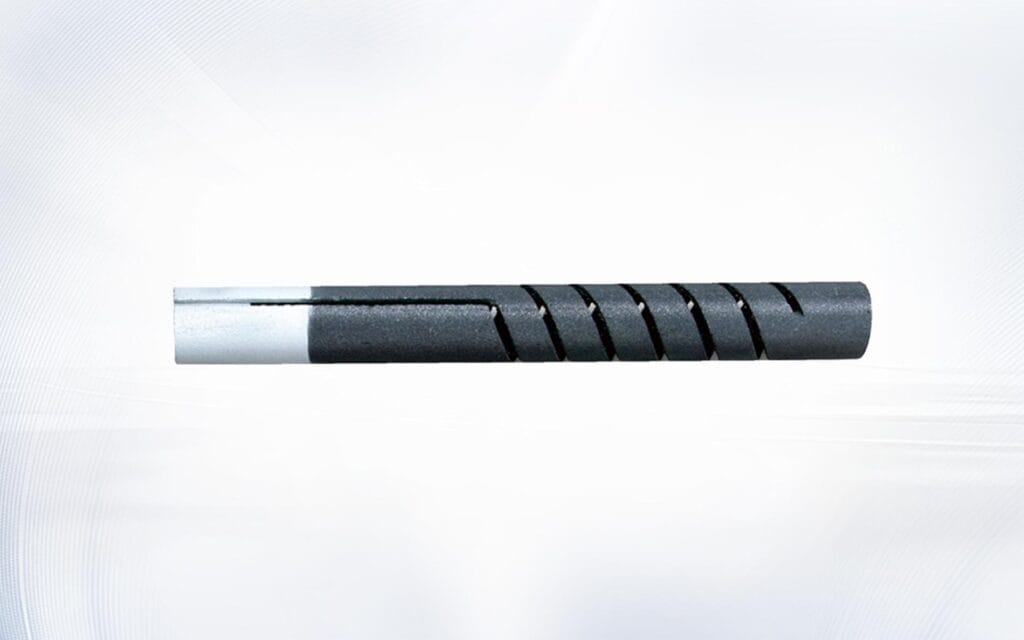
Silicon carbide rod heaters are high-temperature heating elements widely used in industrial applications. As a manufacturer, we specialize in producing high-quality silicon carbide rod heaters designed for durability, energy efficiency, and precision. These heaters are commonly used in industrial furnaces, ceramic kilns, laboratory equipment, and other high-temperature processing equipment.
Updating our blog with informative content helps our customers understand the technology behind these heaters, compare options, and select the best solution for their specific needs. In this article, we will explore the structure, working principle, applications, advantages, and selection guide for silicon carbide rod heaters, providing valuable insights for engineers, facility managers, and industrial buyers.
What Is a Silicon Carbide Rod Heater?
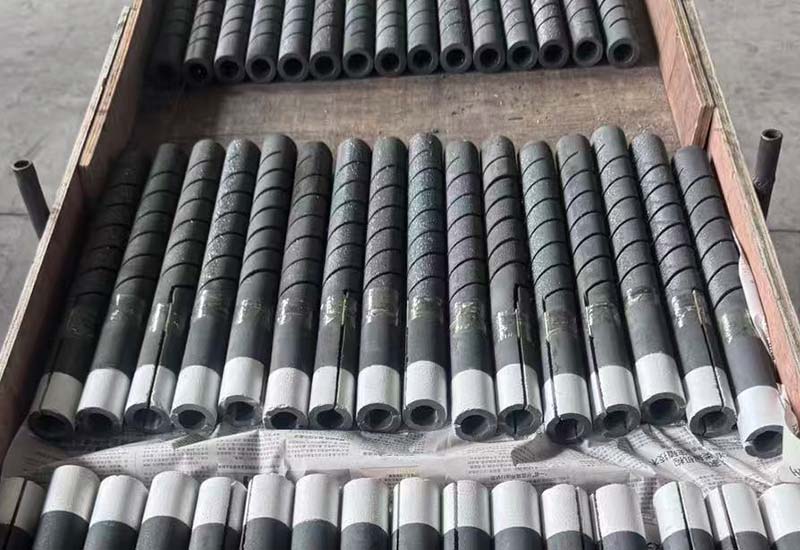
A silicon carbide rod heater is an electric heating element made primarily from silicon carbide (SiC), a high-temperature resistant ceramic material. The heater consists of heating rods with terminals for electrical connections and insulating ceramic supports. The SiC material allows the heater to operate at extremely high temperatures while maintaining structural integrity.
Key Components of a Silicon Carbide Rod Heater:
- Heating rods: Convert electrical energy into heat through electrical resistance.
- Ceramic insulation: Ensures safety and prevents heat loss.
- Terminals and mounting: Facilitate installation in industrial furnaces or kilns.
Silicon carbide rod is available in various sizes, power ratings, and voltages to meet the specific requirements of different industrial applications.
Working Principle of a Silicon Carbide Rod Heater
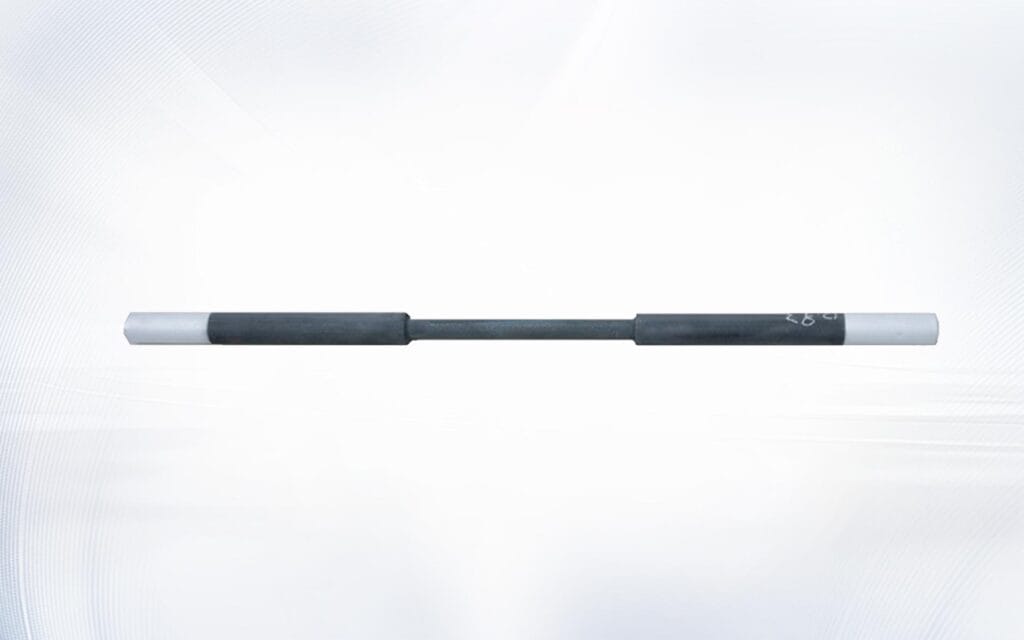
The core principle behind a silicon carbide rod is the electrical resistance of silicon carbide material. When electricity passes through the heating rods, the material resists the flow of current, generating heat. This heat is then transferred to the surrounding environment, such as a furnace chamber or laboratory oven.
The temperature range of these heaters typically spans 800°C to 1650°C, making them suitable for high-temperature industrial processes. Silicon carbide’s unique properties also allow for rapid heating and stable temperature distribution, improving energy efficiency.
How Silicon Carbide Material Enhances Efficiency:
- High thermal conductivity ensures even heat distribution.
- Resistance to thermal shock reduces the risk of breakage.
- Long operational life reduces maintenance frequency.
Applications of Silicon Carbide Rod Heaters
Silicon carbide rod heaters are versatile and used in multiple industries. Common applications include:
- High-Temperature Furnace Heating: For metal annealing, sintering, and heat treatment.
- Ceramic and Glass Processing: Ensures uniform heating for kilns and glass furnaces.
- Laboratory and Research: Provides precise temperature control for testing and experiments.
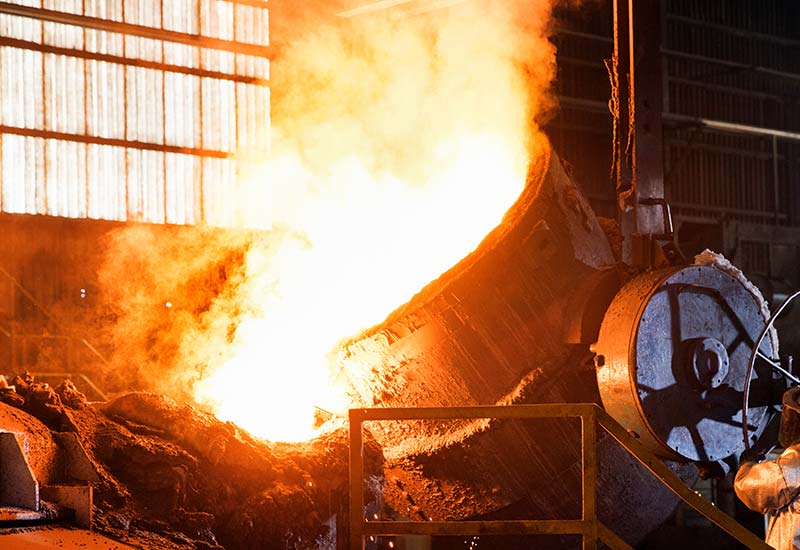
High-Temperature Furnace Applications: Industrial furnaces often require heaters that can withstand continuous high temperatures without degradation. Silicon carbide rod heaters are ideal because they offer durability, uniform heat, and energy efficiency.
Laboratory and Research Uses: In labs, precise and consistent heat is essential. SiC rod heaters maintain steady temperatures, making them perfect for controlled experiments or specialized industrial testing.
Advantages of Using Silicon Carbide Rod
Silicon carbide rod heaters offer several advantages over traditional heating elements:
- High Temperature Resistance: Operates safely at temperatures up to 1650°C.
- Rapid Heating and Energy Efficiency: Reduces energy consumption and heating times.
- Durability and Long Lifespan: Resistant to oxidation and thermal shock.
- Minimal Maintenance: Reliable performance reduces downtime.
Comparison with Other Heating Elements:
| Merkmal | Silicon Carbide Rod Heater | MoSi2 Heater | Ceramic Heater |
|---|---|---|---|
| Maximale Temperatur | 1650°C | 1600°C | 1200°C |
| Thermoschockbeständigkeit | Hoch | Medium | Niedrig |
| Lifespan | Long | Medium | Medium |
| Energieeffizienz | Hoch | Medium | Medium |
| Common Applications | Furnaces, Kilns, Labs | Industrial Furnaces | Labs, Kilns |
Types and Specifications of Silicon Carbide Rod Heaters
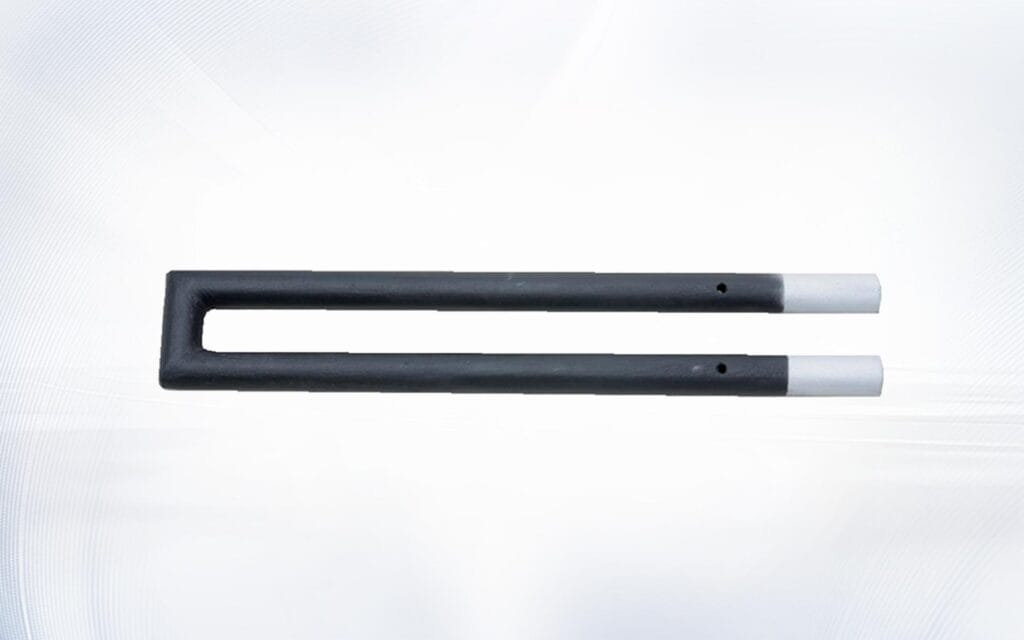
Silicon carbide rod heaters are available in standard and custom specifications. Standard sizes include lengths from 150 mm to 1200 mm, with power ratings from 500W to 5000W, and operating voltages from 110V to 480V. Custom options allow integration into specialized industrial furnaces or laboratory setups.
Choosing the Right Type:
- Determine the required temperature and heating capacity.
- Check voltage compatibility with the electrical system.
- Consider the physical dimensions to fit your furnace or kiln.
Installation and Maintenance Tips
Proper installation and maintenance ensure maximum performance and longevity.
Installation Tips:
- Ensure the heater is mounted securely and insulated appropriately.
- Avoid direct contact with metallic surfaces to prevent short circuits.
- Follow electrical safety guidelines during wiring.
Maintenance Tips:
- Inspect for oxidation or cracks periodically.
- Keep terminals clean and free from dust or corrosion.
- Replace heaters before excessive wear reduces efficiency.
Preventing Common Failures:
- Overvoltage or improper installation can cause premature burnout.
- Thermal shock can damage heaters if rapid temperature changes occur.
How to Choose the Right Silicon Carbide Rod Heater
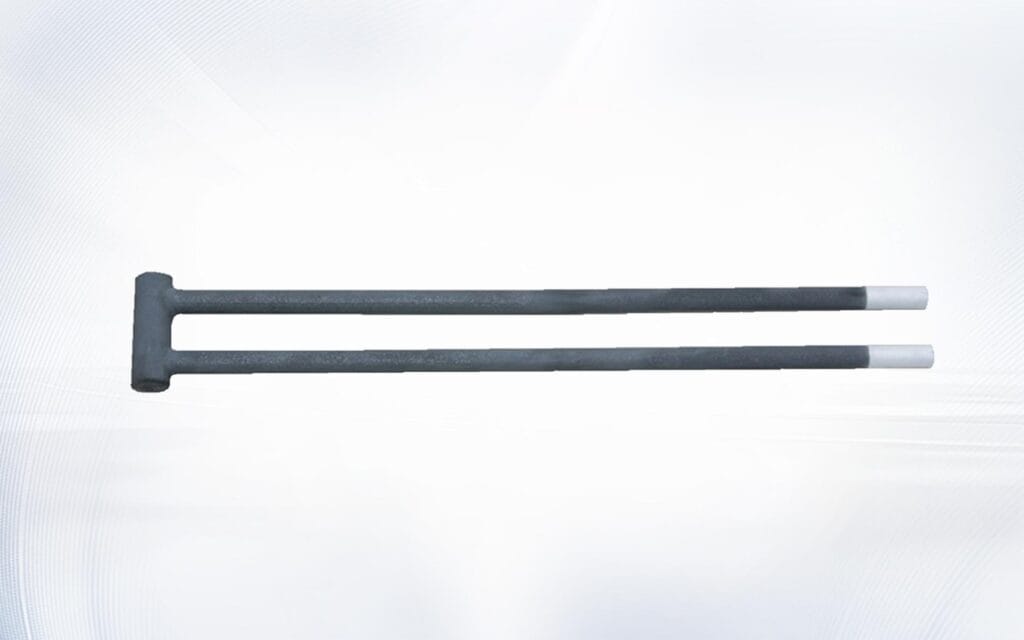
Selecting the right heater involves evaluating performance, durability, and supplier reliability.
Key Considerations:
- Power Rating: Must meet your furnace or kiln requirements.
- Material Quality: High-quality SiC rods offer better heat resistance.
- Customization Needs: Some industrial processes require custom lengths or diameters.
- Supplier Expertise: As a manufacturer, we provide OEM services and quality control to ensure consistency.
Choosing a reliable manufacturer ensures long-term efficiency and reduces downtime in industrial operations.
Schlussfolgerung
Silicon carbide rod heaters are essential high-temperature solutions for industrial furnaces, kilns, and laboratory applications. They offer durability, energy efficiency, and precise temperature control, making them the preferred choice for many industrial processes.
As a manufacturer, we ensure every silicon carbide rod heater meets strict quality standards and can provide custom solutions tailored to your specific requirements. Investing in a high-quality SiC rod heater not only improves performance but also reduces downtime and maintenance costs.
Contact us today to learn more about our silicon carbide rod heaters or to request a customized solution for your industrial application.
Häufig gestellte Fragen
Q1: What temperature can a silicon carbide rod heater reach?
A: Up to 1650°C, depending on design and power rating.
Q2: How long does a typical silicon carbide rod heater last?
A: Typically 2–5 years under continuous use, depending on maintenance and operating conditions.
Q3: Can it be used for custom furnaces?
A: Yes, we offer custom sizes and power ratings to fit specialized industrial setups.
Q4: What are the common problems and solutions?
A: Oxidation, uneven heating, or resistance increase can occur. Proper installation and maintenance prevent most issues.
Q5: How does it compare to other heating elements?
A: Silicon carbide rod heaters offer higher temperature capability, faster heating, and longer lifespan compared to MoSi2 or ceramic heaters.