Balancing productivity, cost control, and sustainability in industrial heating.
In the context of the global transformation and upgrading of the manufacturing industry, energy efficiency has become an unavoidable and crucial issue in the high-temperature industrial sector. High-temperature heating processes are typically accompanied by enormous energy consumption, and the level of energy consumption not only affects companies’ production costs but also directly relates to environmental pressure and sustainable development goals. Therefore, how to improve energy utilization efficiency while ensuring production capacity and product quality has become one of the core challenges facing the high-temperature heating industry.
Historically, the high-temperature industry has been driven by a “production capacity first” approach. As long as the equipment could stably reach the required process temperature, energy consumption was often considered an unavoidable cost. However, with increasing energy price volatility and increasingly stringent environmental regulations, this extensive operating model has gradually revealed its limitations.
Energy consumption in high-temperature heating systems mainly comes from three aspects: the efficiency of the heating elements themselves, heat loss from the furnace structure, and inefficient operating management. Optimizing any of these aspects can lead to significant energy savings. Therefore, energy saving in modern high-temperature heating systems is no longer a single technical problem, but a systems engineering challenge.
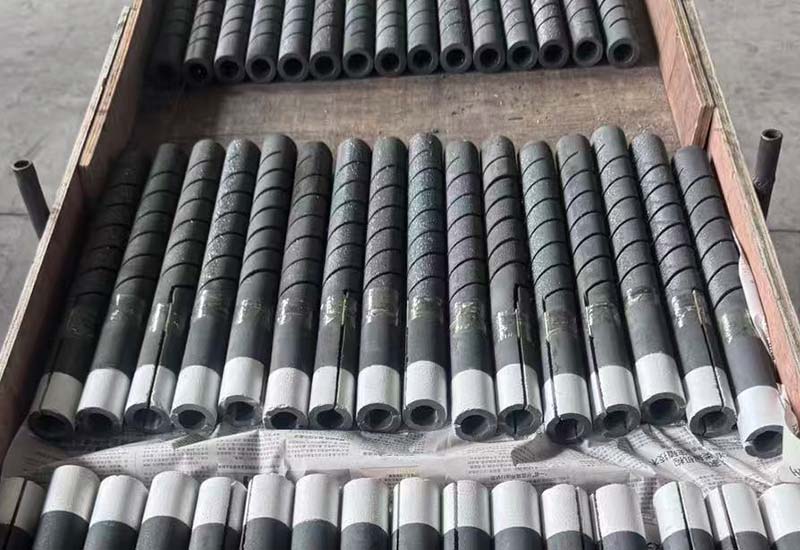
At the heating element level, material performance has a direct impact on energy efficiency. Stable resistance characteristics and good thermal radiation capabilities can achieve more effective heating under the same power conditions, thus shortening the heating time and reducing ineffective energy consumption. Compared with traditional materials with fluctuating performance, high-performance non-metallic heating elements are more conducive to energy consumption control in long-term operation.
The furnace structure is also an important factor affecting energy efficiency. The selection of insulation materials, the design of the furnace chamber structure, and the rationality of the thermal field distribution all determine whether heat is effectively utilized. In recent years, the application of high-performance refractory materials and composite insulation structures has significantly reduced heat loss from the furnace body, creating conditions for energy-efficient operation.
Furthermore, operating management plays an increasingly important role in energy efficiency. Unreasonable start-stop frequencies, excessive insulation, and mismatched power configurations all lead to energy waste. Through more refined operational management and intelligent control systems, the high-temperature heating process can be more closely aligned with actual process needs, thereby reducing unnecessary energy consumption.
In terms of environmental protection and sustainable development, the high-temperature heating industry also faces new opportunities. With the development of new energy and new materials industries, the demand for high-temperature processes has not decreased, but has become more diversified. This has prompted the industry to shift from the mindset that “high energy consumption is inevitable” to a development path where “high temperatures can also be achieved efficiently.”
In the long run, energy efficiency will become one of the key competitive indicators for high-temperature heating equipment and components. When choosing heating systems, companies will not only focus on maximum temperature and initial cost, but will also place greater emphasis on operating energy consumption, maintenance frequency, and total life cycle costs. This shift is driving the entire industry towards a more rational and sustainable direction.