La elección de un elemento calefactor a partir de kilovatios por sí sola deja una pregunta importante sin respuesta: ¿cuántos amperios transportarán realmente el secundario del transformador, el controlador, los conductores, los busworks y las conexiones? Un cálculo de la corriente del elemento calefactor de SiC debe seguir el circuito desde la zona completa hasta cada rama y finalmente hasta un elemento. De lo contrario, un objetivo de potencia correcto aún puede producir un diseño eléctrico poco práctico.
Esta guía brinda a los ingenieros de hornos, diseñadores eléctricos y equipos de mantenimiento un cálculo repetible de la corriente del elemento calefactor de SiC para elementos individuales, cadenas en serie, ramas paralelas y zonas en serie-paralelo. Todos los ejemplos son ilustrativos; El personal calificado debe verificar el equipo real, la protección, las clasificaciones y los requisitos aplicables.
Defina qué corriente necesita calcular
Comience dibujando un límite alrededor del valor que necesita. La corriente del elemento, la corriente de rama, la corriente secundaria del transformador, la corriente del controlador y la corriente de la línea entrante no son automáticamente iguales. El cálculo de la corriente del elemento calefactor de SiC debe nombrar el límite, el voltaje, la resistencia, la disposición de fases y las condiciones de funcionamiento junto con cada resultado.
- La corriente por elemento determina lo que pasa a través de cada elemento y conexión de terminal.
- La corriente de rama es la corriente que pasa por una cadena en serie.
- La corriente secundaria total es la suma de las corrientes derivadas paralelas para esa salida controlada.
- La corriente primaria y de línea depende del transformador, el suministro, la disposición de fases, la eficiencia, el factor de potencia y otros detalles del proyecto.
No se mueva entre esos niveles sin indicar la conversión. Un cálculo de corriente del elemento calefactor de SiC rastreable es más valioso que una respuesta única sin contexto de circuito.
Utilice la ley de Ohm para un elemento resistivo
Para un elemento con una resistencia definida y voltaje aplicado, la corriente es I = V/R. Si se conocen potencia y voltaje para el mismo elemento, I = P/V. Si se conocen potencia y resistencia, I = (P/R). Cada forma da el mismo resultado sólo cuando las entradas describen el mismo punto de funcionamiento. Esa verificación de consistencia debería aparecer en el cálculo de la corriente de cada elemento calefactor de SiC.
El Guía del NIST sobre unidades eléctricas SI define las relaciones entre amperios, voltios, vatios y ohmios. Mantenga las unidades explícitas: los voltios divididos por ohmios producen amperios. Evite ingresar kilovatios como vatios o miliohmios como ohmios en una hoja de cálculo de corriente del elemento calefactor de SiC.
La resistencia necesita una condición de referencia. La resistencia de los elementos de carburo de silicio cambia con la temperatura y el historial de servicio, por lo que es posible que una placa de identificación no calificada o una lectura a temperatura ambiente no representen el punto de diseño. Registre la base indicada por el fabricante y la condición de mayor resistencia utilizada para verificar el rango de control en el cálculo de la corriente del elemento calefactor de SiC.
Calcula una cadena en serie
Los elementos de la serie llevan la misma corriente. Añade primero sus resistencias: Rcuerda = R1 + R2 + ... + Rn. Luego divida el voltaje de la cadena por esa resistencia total. El valor de rama resultante es también la corriente que pasa por cada elemento de esa cadena.
Como cálculo ilustrativo de la corriente del elemento calefactor de SiC, tres elementos de 4 ¥ tienen cada uno una resistencia combinada de 12 µ. Con 120 V a lo largo de la cadena, la corriente es 120/12 = 10 A. Cada elemento ve aproximadamente 40 V solo si las resistencias son iguales, y cada uno entrega aproximadamente 400 W en esa condición indicada.
Si un elemento tiene mayor resistencia, la corriente de cadena sigue siendo común pero el voltaje y la potencia ya no se dividen por igual. Utilice las resistencias individuales para calcular cada caída de voltaje y potencia. Por lo tanto, un cálculo de la corriente del elemento calefactor de SiC para trabajos de reemplazo debe incluir una regla de coincidencia de resistencia, no solo el número de elementos. Mantenga ese cálculo de corriente del elemento calefactor de SiC con el cronograma de ramificación aprobado.
Calcular ramas paralelas
Las ramas paralelas comparten el mismo voltaje de suministro y sus corrientes se suman. Calcule cada rama por separado con Isucursal = V/Rsucursal. Luego sume todas las corrientes derivadas para encontrar la corriente secundaria controlada. Este es el cálculo de la corriente del elemento calefactor central de SiC para la carga secundaria del bus, la salida del controlador y el transformador.
Para tres ramas idénticas de 12 µ a 120 V, cada rama consume 10 A y el total es 30 A. Si una rama consume 15 µ, consume 8 A mientras que las otras dos permanecen en 10 A, por lo que la corriente total se convierte en 28 A. El voltaje no crea la misma potencia de rama cuando la resistencia difiere.
Muestre una fila por rama en el cálculo de la corriente del elemento calefactor de SiC. Una única respuesta de “resistencia equivalente” puede predecir la corriente total, pero oculta el desequilibrio que el mantenimiento necesita ver.
Trabajar a través de una zona serie-paralelo
La mayoría de las zonas más grandes son las más fáciles de revisar rama por rama. Supongamos que una zona tiene cuatro ramas paralelas, cada una con dos elementos de 5 µm en serie. Cada rama es 10 µm. A 100 V secundario, cada rama consume 10 A, por lo que la zona consume 40 A y entrega 4 kW en esa condición ilustrativa.
| Nivel de cálculo | Ecuación | Resultado ilustrativo |
|---|---|---|
| Resistencia de una rama | 5 µd + 5 µd | 10 µ |
| Una corriente de rama | 100 V / 10 µ | 10 A |
| Poder de una rama | 100 V×10 A | 1.000 W |
| Zona actual | 4 sucursales × 10 A | 40 A |
| Poder de zona | 100 V×40 A | 4.000 W |
Verifique el cálculo de la corriente del elemento calefactor de SiC con P = V × I a nivel de rama y zona. Si la potencia de la rama sumada no coincide con el voltaje secundario multiplicado por la corriente total, inspeccione los límites, las unidades y los supuestos de fase antes de continuar.
Los valores trabajados no son una clasificación de horno recomendada. La resistencia real, la carga superficial, el tipo de elemento, las condiciones de la cámara, el rango de voltaje y las clasificaciones de los componentes deben provenir del diseño aprobado.
Calcule a partir de la potencia de zona requerida
Si se conocen la potencia de zona requerida y el voltaje secundario para una salida monofásica resistiva, la corriente es I = P/V. Para una zona de 24 kW a 240 V, la corriente resistiva ideal es 100 A. Este cálculo de corriente del elemento calefactor de SiC de arriba hacia abajo es útil para el dimensionamiento temprano de equipos, pero no define la disposición de las ramas ni confirma la idoneidad del elemento.
Luego divida la zona en ramas prácticas, calcule la resistencia de rama requerida y verifique el voltaje por elemento, los vatios por elemento y la carga superficial. El Guía de cálculo de potencia del elemento SiC cubre los controles térmicos y de carga superficial que deben acompañar al cálculo de la corriente del elemento calefactor de SiC.
Para disposiciones trifásicas, no aplique una ecuación de corriente lineal memorizada hasta que se confirmen la conexión secundaria y de carga del transformador. Delta, estrella, distribución de ramas monofásicas, desequilibrio, topología del controlador y ubicación de medición afectan lo que significa “corriente”. El ingeniero eléctrico responsable debe calcular el sistema real.
Verifique la capacidad del controlador, transformador y conexión
El valor estable calculado no es la especificación completa del equipo. Revise la sobrecarga permitida, el modo de funcionamiento del controlador, el rango de la toma del transformador, la temperatura del conductor, el entorno del terminal, la protección, el ciclo de trabajo, los armónicos cuando corresponda, las condiciones del gabinete y la reducción de potencia. Un cálculo completo de la corriente del elemento calefactor de SiC debe enumerar la corriente de diseño por separado de la clasificación del componente seleccionado. Marque todas las suposiciones de reducción de potencia directamente en el cálculo de la corriente del elemento calefactor de SiC.
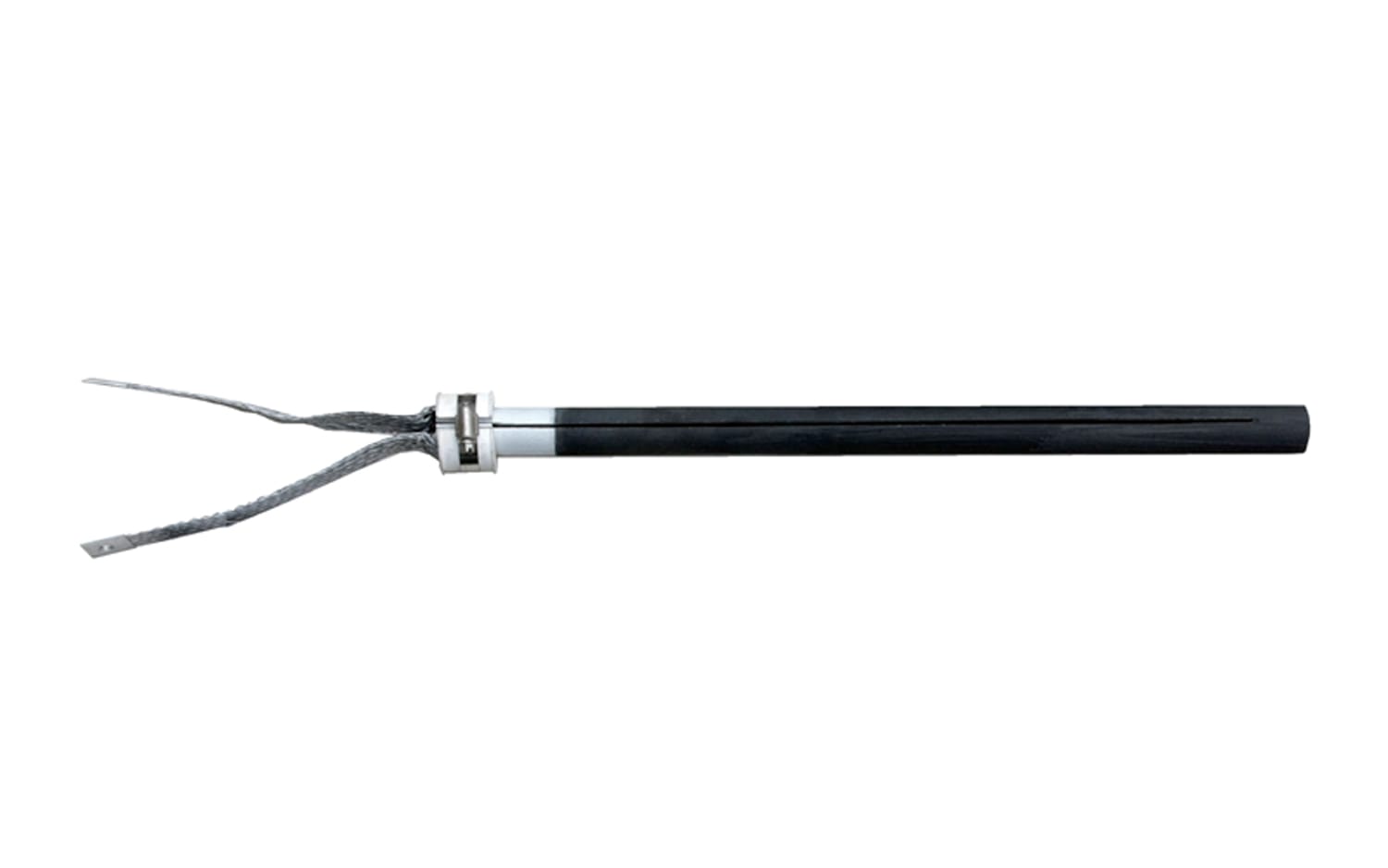
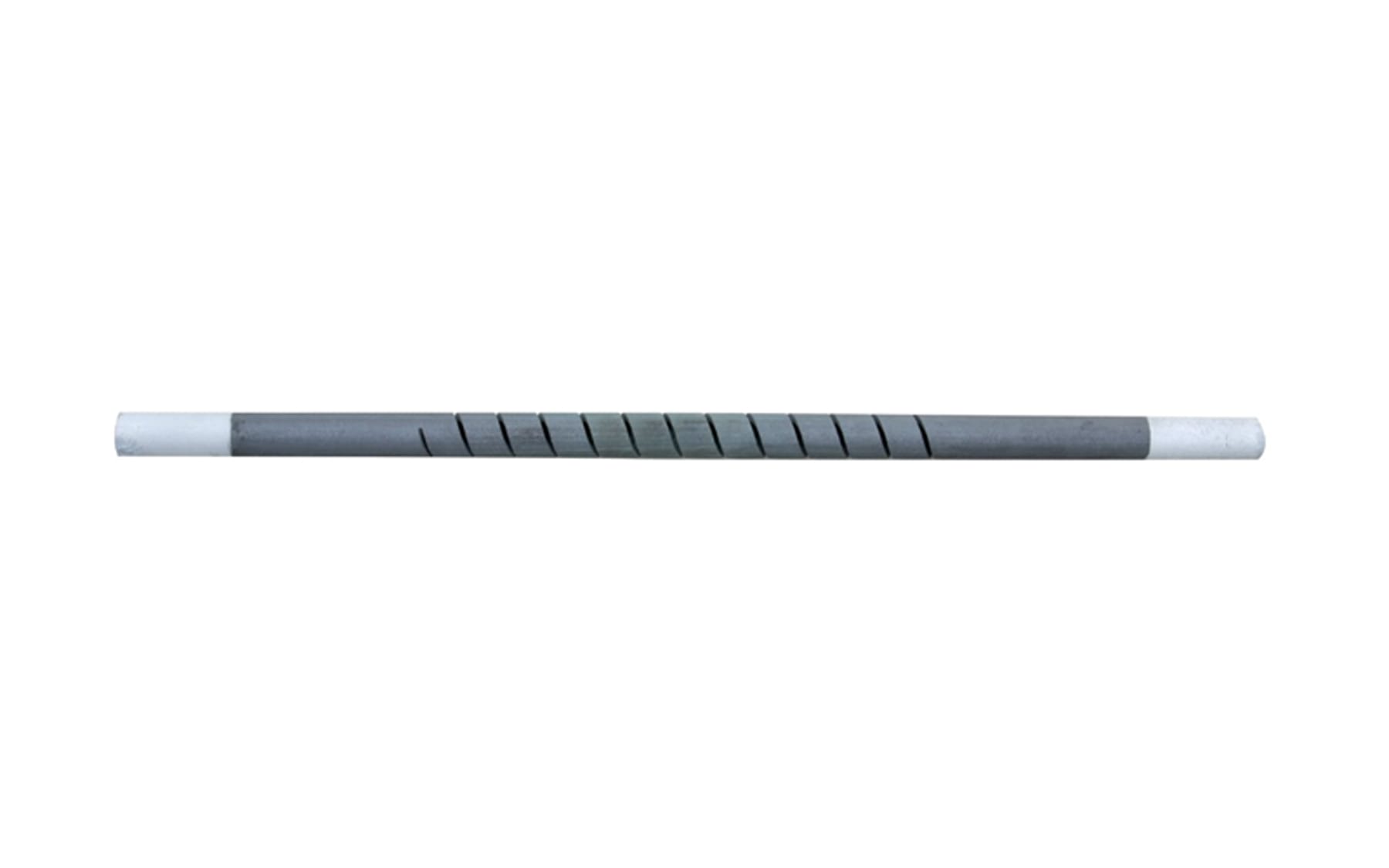
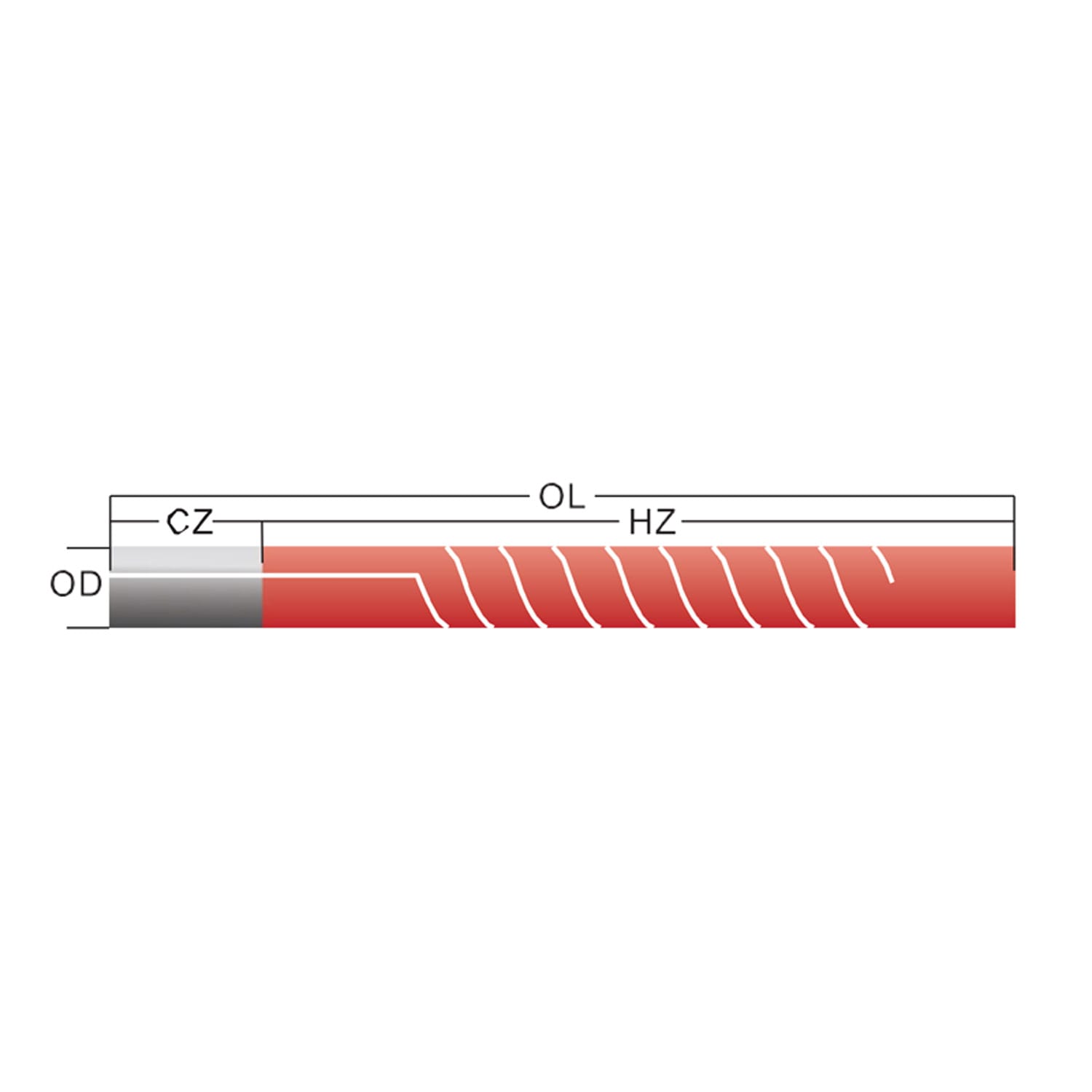
Utilice el Guía del diagrama de cableado del elemento calefactor SiC documentar series y agrupaciones paralelas. Especifique también conexiones de elementos compatibles. Las opciones del producto incluyen tiras conductoras de aluminio y a abrazadera de varilla calefactora, sujeto al elemento aprobado y al diseño del horno.
OSHA proporciona una descripción general de lo aplicable normas eléctricas, mientras que el IEC 60519-1 pagina describe los requisitos generales de seguridad para instalaciones de electrocalentamiento industrial. Los requisitos del proyecto rigen el diseño y la instalación; un cálculo de corriente del elemento calefactor de SiC en línea no es una aprobación de seguridad.
Permitir el aumento de la resistencia en el servicio
A medida que aumenta la resistencia del elemento, mantener la misma potencia requiere un voltaje más alto, mientras que la corriente a esa misma potencia sigue I = P/V. El controlador y el transformador deben proporcionar un rango operativo utilizable sin exceder sus límites. Ejecute el cálculo de la corriente del elemento calefactor de SiC en la condición aprobada de nuevo elemento y en la condición de diseño definida de mayor resistencia.
No agregue un porcentaje de envejecimiento arbitrario a menos que el proveedor del elemento y el diseño del horno lo respalden. Documente el rango de resistencia asumido, la reserva de voltaje, la estrategia de grifo o control y el umbral de reemplazo. Eso convierte el cálculo de la corriente del elemento calefactor de SiC en una verificación del ciclo de vida en lugar de un resultado aritmético único.
Verifique la corriente durante la puesta en servicio
Antes de la energización, verifique los grupos de resistencia de los elementos instalados, las conexiones de los circuitos, la configuración del transformador, los límites del controlador, la protección, la conexión a tierra o la unión y el aislamiento seguro. Durante el arranque por etapas, el personal calificado puede registrar el voltaje secundario y cada corriente de rama accesible con instrumentos y procedimientos aprobados.
Compare mediciones sólo en las mismas condiciones operativas. La salida del controlador, la temperatura, la posición del grifo y el estado de carga deben acompañar a cada valor. NIST Nota Técnica 1297 explica los principios para expresar la incertidumbre de la medición; El equipo del proyecto debe aplicar un método apropiado al comparar los resultados con el cálculo de la corriente del elemento calefactor de SiC.
Una rama de baja corriente puede indicar una mayor resistencia, un problema de conexión, un elemento abierto, una agrupación incorrecta o una medición en un estado de control diferente. No reemplace elementos únicamente porque una corriente difiere. Utilice voltaje, resistencia, comportamiento térmico y evidencia de inspección juntos.
Cree una hoja de cálculo reutilizable
Utilice una fila por elemento y un resumen por rama. Registre la posición del elemento, la base de resistencia, la agrupación, el voltaje de la rama, el voltaje del elemento, la corriente de la rama, la potencia del elemento, la potencia de la rama, la corriente total y la verificación de mayor resistencia. Agregue unidades y referencias de fórmulas en lugar de dejar constantes de hoja de cálculo inexplicables.
Bloquee las celdas de entrada y resultado por separado, agregue comprobaciones de rango y requiera una revisión independiente antes de su liberación. Un cálculo controlado de la corriente del elemento calefactor de SiC puede admitir cotizaciones, revisiones de diseño, puesta en servicio y decisiones posteriores de reemplazo sin perder sus suposiciones.
Preguntas frecuentes
¿la corriente es la misma a través de elementos en serie?
Sí, la misma corriente derivada fluye a través de componentes en serie. El voltaje y la potencia pueden diferir cuando sus resistencias difieren, por lo que un cálculo de corriente del elemento calefactor de SiC también debe verificar las caídas de voltaje individuales.
¿Cómo encuentro corriente total para ramas paralelas?
Calcule cada rama a partir de su voltaje y resistencia total de rama, luego agregue corrientes de rama. No multiplique un valor a menos que se confirme que todas las ramas son iguales en el cálculo de la corriente del elemento calefactor de SiC.
¿puedo calcular la corriente a partir de kilovatios?
Para una salida resistiva con potencia y voltaje definidos en el mismo límite, I = P/V. Un cálculo completo de la corriente del elemento calefactor de SiC todavía necesita la disposición real de fase y rama.
¿Por qué la corriente medida es menor después de un servicio prolongado?
Es posible que la resistencia haya aumentado, pero la salida del controlador, el voltaje, la posición del grifo, la condición de la conexión y el estado de medición también pueden explicar el cambio. Recopile todos los valores antes de decidir.
¿Qué información debo enviar a un proveedor de elementos?
Proporcione el dibujo del elemento, la base de resistencia, la cantidad, la disposición del cableado, el rango secundario del transformador, la potencia de la zona, el voltaje y la corriente medidos, la temperatura, la atmósfera y el ciclo. Incluya la hoja de cálculo de corriente del elemento calefactor de SiC, si está disponible.
Haga que cada amplificador sea rastreable hasta un elemento y una rama
Un resultado confiable comienza con el límite eléctrico correcto, no con un botón de calculadora. Trabaje desde la resistencia del elemento hasta cadenas en serie, ramas paralelas y carga secundaria total; luego repita la verificación en todo el rango de resistencia y voltaje planificado. Un cálculo documentado de la corriente del elemento calefactor de SiC hace que las revisiones de diseño y las mediciones de campo sean mucho más fáciles de conciliar.
Para selección o reemplazo de elementos, póngase en contacto con el material Qixiang con el dibujo, circuito, resistencia, rango de voltaje, requerimiento de energía, temperatura del horno, atmósfera y cantidad. El equipo puede discutir los elementos de SiC adecuados y los accesorios de conexión, mientras que ingenieros calificados aprueban el sistema eléctrico completo.