Comprender la evolución del mercado, las actualizaciones tecnológicas y la expansión de aplicaciones en todo el mundo.
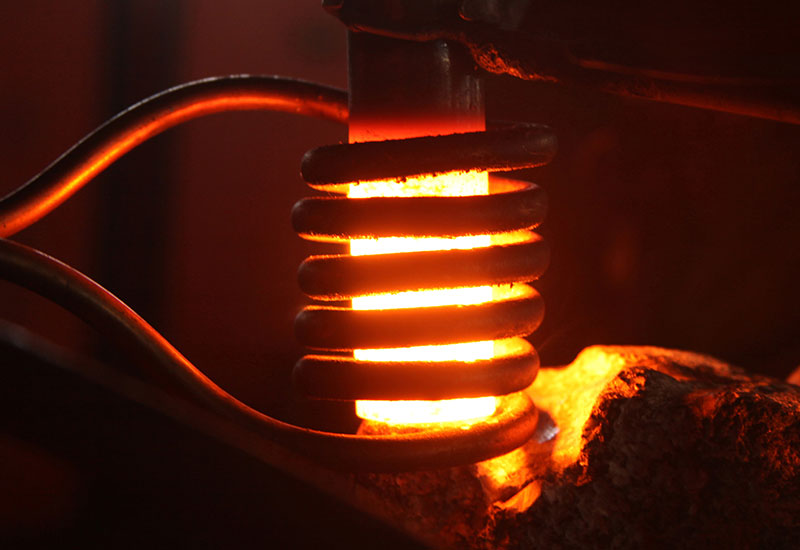
En el sistema industrial moderno, la tecnología de calentamiento a alta temperatura siempre ha sido una base crucial para la fabricación de materiales, la conversión de energía y el procesamiento de precisión. Desde la sinterización de cerámica tradicional hasta la preparación avanzada de materiales semiconductores, desde el tratamiento térmico metalúrgico hasta la producción de material energético nuevo, el rendimiento de equipos de calefacción a alta temperatura afecta directamente la calidad del producto, los niveles de consumo de energía y la estabilidad de la producción. Como uno de los componentes centrales de los hornos de alta temperatura, la industria de elementos de calefacción eléctrica a alta temperatura está experimentando profundos cambios impulsados por la mejora de la fabricación global.
Durante la última década, la estructura industrial global ha sufrido ajustes significativos. Por un lado, las industrias tradicionales de alta energía y altas emisiones se enfrentan a presiones dobles de ahorro de energía y protección del medio ambiente; por otro lado, el rápido desarrollo de nuevos materiales, nueva energía y la fabricación de equipos de alta gama ha planteado mayores demandas en los sistemas de calefacción a alta temperatura. En este contexto, los elementos de calentamiento a alta temperatura se han transformado gradualmente de “componentes consumibles” a “componentes centrales orientados al rendimiento”, y su valor tecnológico y posición estratégica están mejorando continuamente.
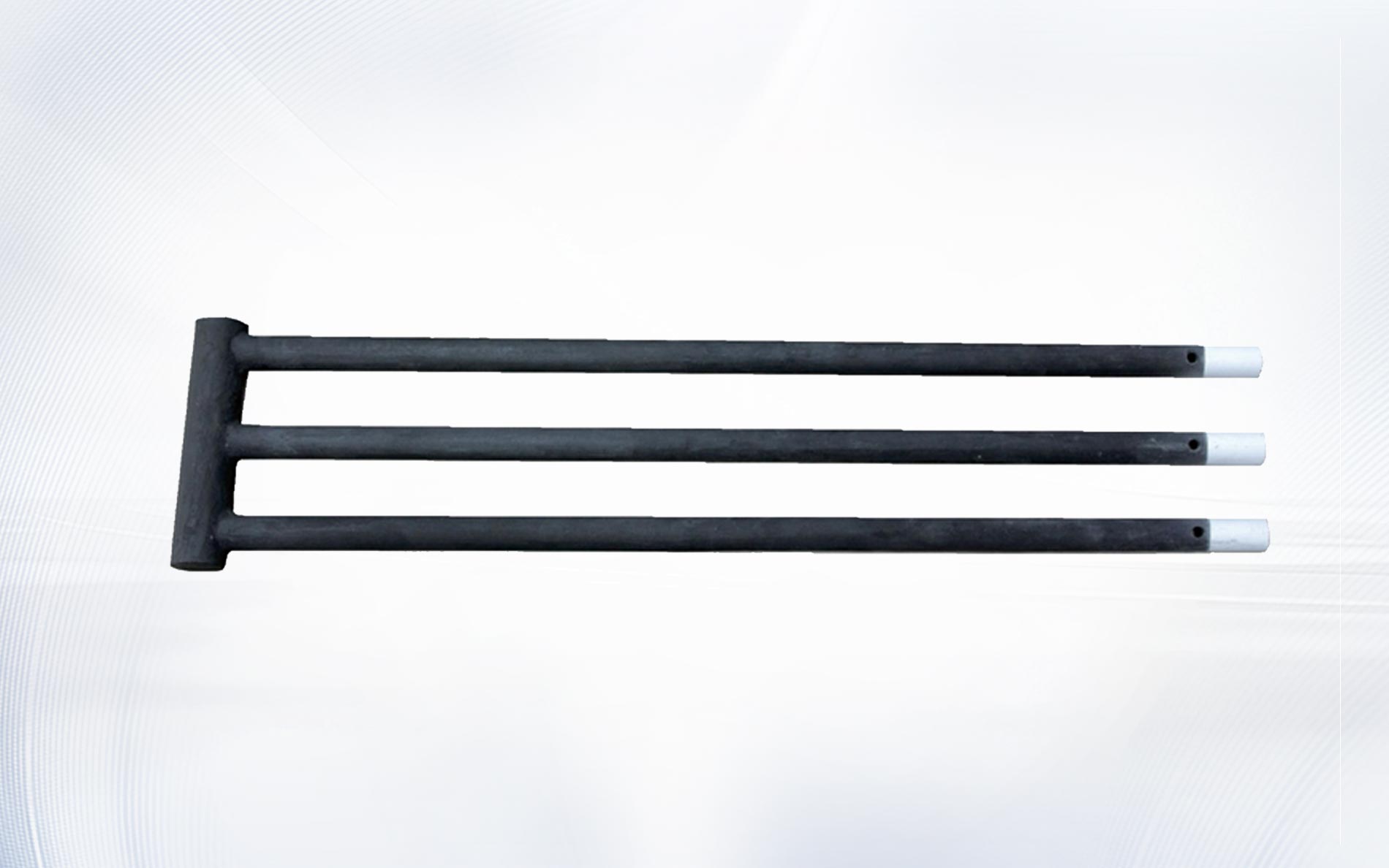
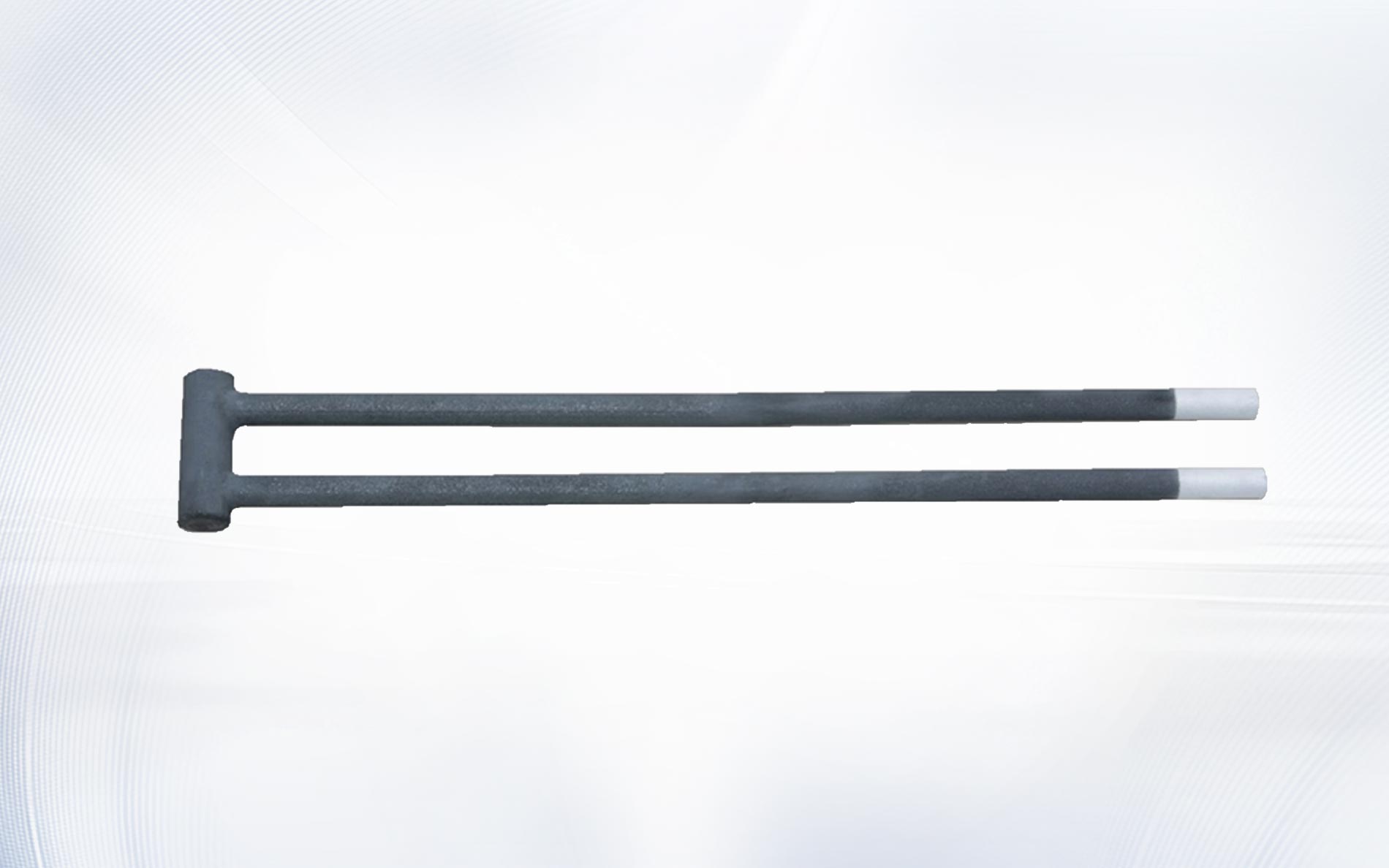
Desde una perspectiva de estructura de mercado global, los elementos de calefacción eléctrica de alta temperatura se utilizan principalmente en cerámica, vidrio, metalurgia, materiales electrónicos, equipos de laboratorio y fabricación de nuevos materiales. Entre ellos, elementos de calentamiento de carburo de silicio, con sus características de alta resistencia a la temperatura, resistencia a la oxidación y buena estabilidad térmica, ocupan una posición importante en los rangos de temperatura medio-alto y ultra-alto. Especialmente en entornos operativos a largo plazo por encima de 1200℃, los elementos calefactores de carburo de silicio se han convertido en una de las opciones principales de los hornos industriales.
En términos de evolución tecnológica, la industria está pasando de un “índice de resistencia a la temperatura único” a una “optimización integral del rendimiento”. En el pasado, los usuarios estaban más preocupados por si el elemento calefactor podía soportar temperaturas suficientemente altas; ahora, la estabilidad, la vida útil, el consumo de energía, la frecuencia de mantenimiento y los costos operativos generales se están convirtiendo gradualmente en factores fundamentales en las decisiones de compra. Este cambio está impulsando a los fabricantes a optimizar continuamente las relaciones de materia prima, los procesos de moldeado, el control de sinterización y los procesos posteriores al tratamiento para lograr curvas de crecimiento de resistencia más estables y una vida útil más controlable.
En términos de mercados regionales, Europa y América del Norte siguen siendo importantes mercados de consumo para equipos de alta temperatura de alta gama, enfatizando la consistencia del producto, los estándares de certificación y las capacidades de operación estable a largo plazo. Al mismo tiempo, la región asiática, especialmente China, el sudeste asiático e India, se está convirtiendo en el mercado de aplicaciones de más rápido crecimiento a nivel mundial. Una gran cantidad de líneas de producción recién construidas, nuevos proyectos de materiales y proyectos de transformación y transformación industrial están proporcionando una demanda continua de elementos de calefacción a alta temperatura. Además, el ajuste global de la estructura energética está teniendo un profundo impacto en la industria de calefacción a alta temperatura. Los nuevos materiales energéticos como la fotovoltaica, la batería de iones de litio, los materiales de almacenamiento de energía y las cerámicas especiales exigen estándares más altos para la precisión y uniformidad del control de temperatura dentro del horno. Esto significa que los elementos de calefacción ya no son simplemente “herramientas de calentamiento”, sino variables de control críticas en todo el sistema de proceso.
A largo plazo, la industria de elementos calefactores de alta temperatura exhibirá las siguientes tendencias: En primer lugar, el umbral tecnológico seguirá aumentando, y los productos mercantilizados de gama baja se eliminarán gradualmente; segundo, los escenarios de aplicación se segmentarán cada vez más, con un aumento significativo en la demanda personalizada; tercero, la fiabilidad del producto y el costo total del ciclo de vida se convertirán en competencias básicas; y, en cuarto lugar, la industria se desarrollará hacia una mayor especialización y estandarización.
Para los clientes industriales, comprender estos cambios en el panorama de la industria los ayudará a tomar decisiones más racionales en la selección de equipos, la gestión de la cadena de suministro y las operaciones a largo plazo. Los elementos de calefacción a alta temperatura ya no son consumibles simples, sino componentes básicos más importantes que afectan directamente la eficiencia de la producción y la calidad del producto.