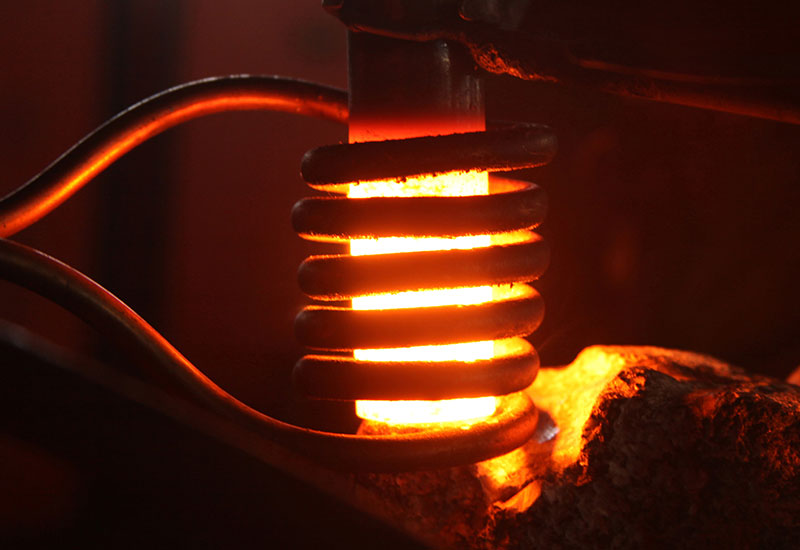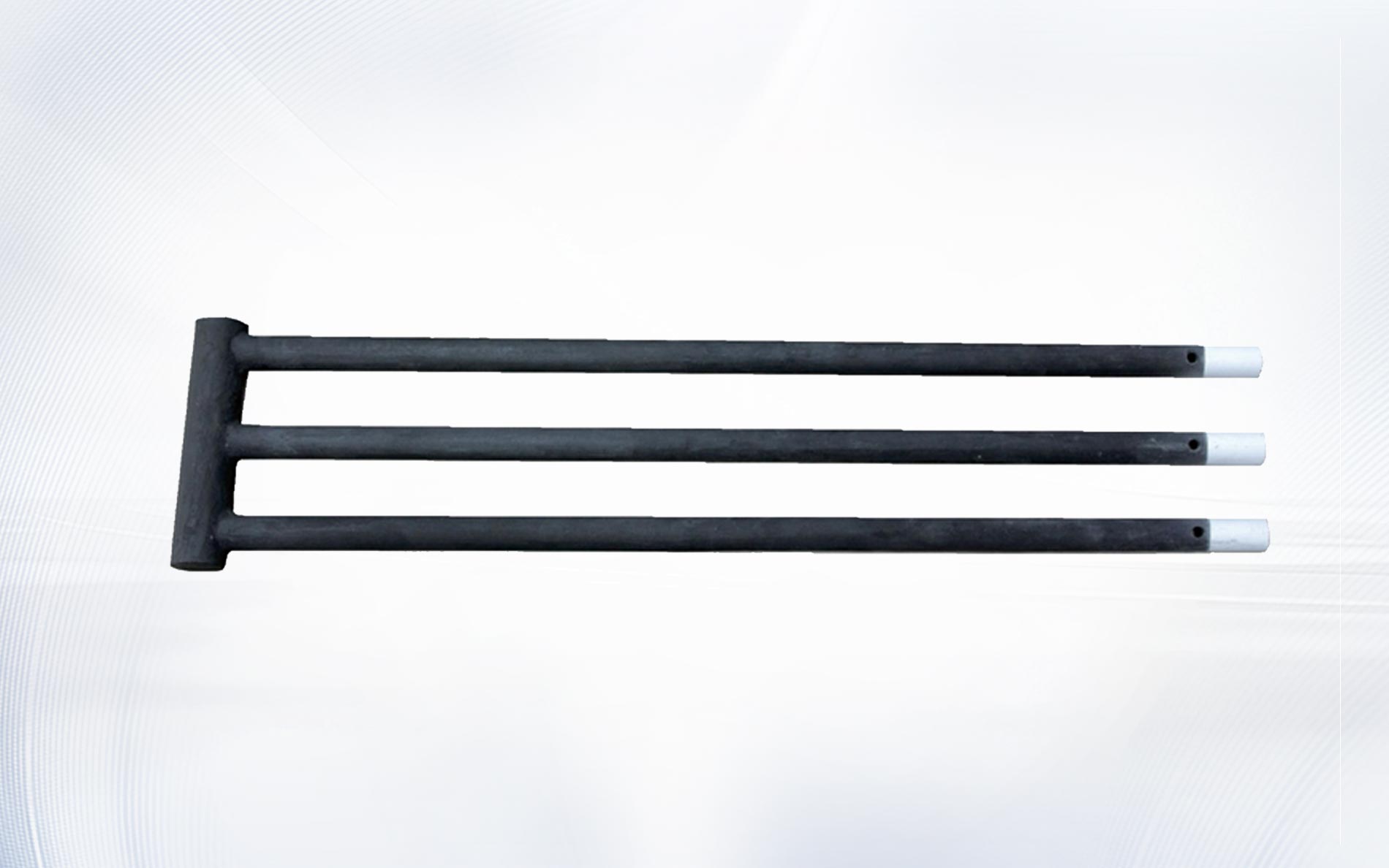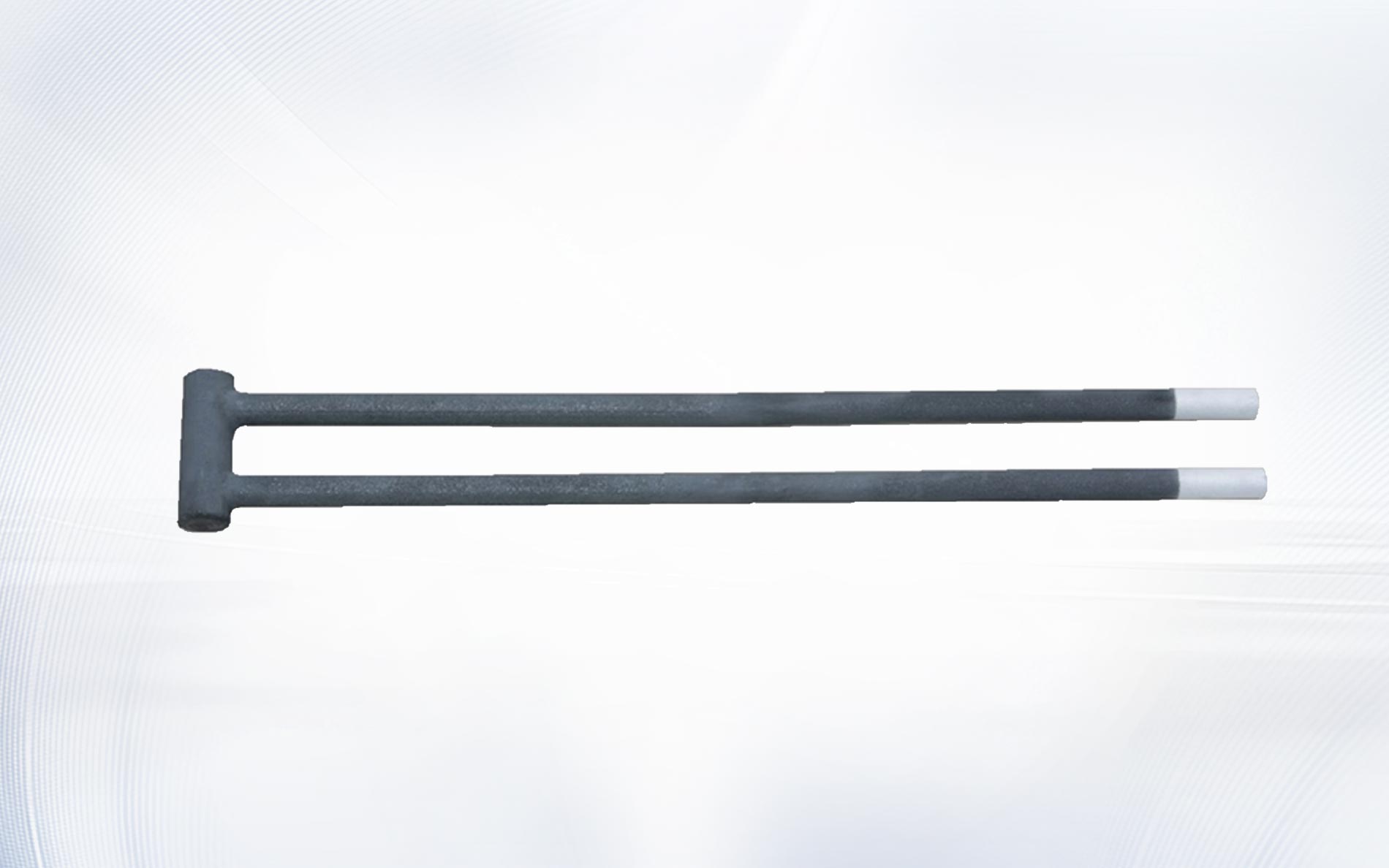
Elementos calentadores industriales de SiC se utilizan ampliamente en sistemas de hornos de alta temperatura donde la estabilidad, la durabilidad y la eficiencia energética son fundamentales. Como fabricante profesional de soluciones de calentamiento de SiC industrial, nos centramos en producir elementos calefactores confiables diseñados para aplicaciones exigentes como las industrias de cerámica, metalurgia, procesamiento de vidrio y tratamiento térmico. Este artículo explica la temperatura máxima de funcionamiento, los factores de vida útil, el proceso de fabricación y la guía de selección práctica para ayudar a los compradores industriales a tomar decisiones informadas y mejorar la visibilidad de búsqueda para consultas técnicas relacionadas.
Tabla de contenidos
Descripción general del elemento calentador de SiC industrial y antecedentes del fabricante
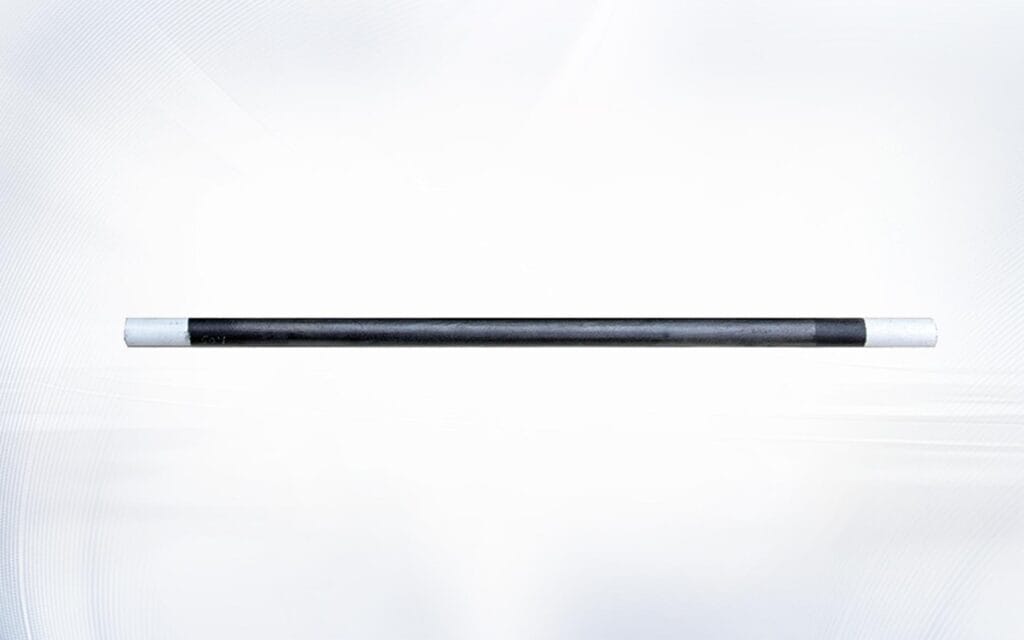
Los elementos calentadores industriales de carburo de silicio (SiC) son componentes calefactores de resistencia no metálica fabricados con materiales de carburo de silicio de alta pureza. Están diseñados para funcionar en entornos de temperaturas extremadamente altas donde los elementos calefactores metálicos tradicionales no pueden funcionar de manera confiable.
Como fabricante, nuestro enfoque es garantizar una calidad constante del material, valores de resistencia controlados y un rendimiento estable en todo el uso industrial a largo plazo. La demanda de elementos calentadores de SiC industriales continúa creciendo debido a su capacidad de entrega:
- Rendimiento estable a alta temperatura
- Larga vida útil en funcionamiento continuo
- Excelente resistencia a la oxidación
- Alta eficiencia térmica en sistemas de hornos
A diferencia de los componentes de calefacción general, los elementos calentadores de SiC de calidad industrial están diseñados para entornos de hornos controlados con precisión donde la uniformidad y confiabilidad de la temperatura son esenciales.
Principio de funcionamiento de los elementos calefactores de carburo de silicio
Elementos calentadores industriales de SiC funcionan en base a calentamiento por resistencia eléctrica. Cuando la corriente eléctrica pasa a través del material de carburo de silicio, se genera calor debido a sus propiedades resistivas inherentes.
Las características clave de trabajo incluyen:
- La resistencia eléctrica aumenta gradualmente con la temperatura
- El calor se distribuye uniformemente a lo largo de la varilla calefactora
- Salida térmica estable en condiciones de voltaje controlado
- Adecuado para funcionamiento continuo en hornos de alta temperatura
Este comportamiento de resistencia estable hace que los elementos calefactores de SiC sean ideales para hornos industriales que requieren un control térmico preciso.
Temperatura máxima de funcionamiento de elementos calentadores industriales de SiC
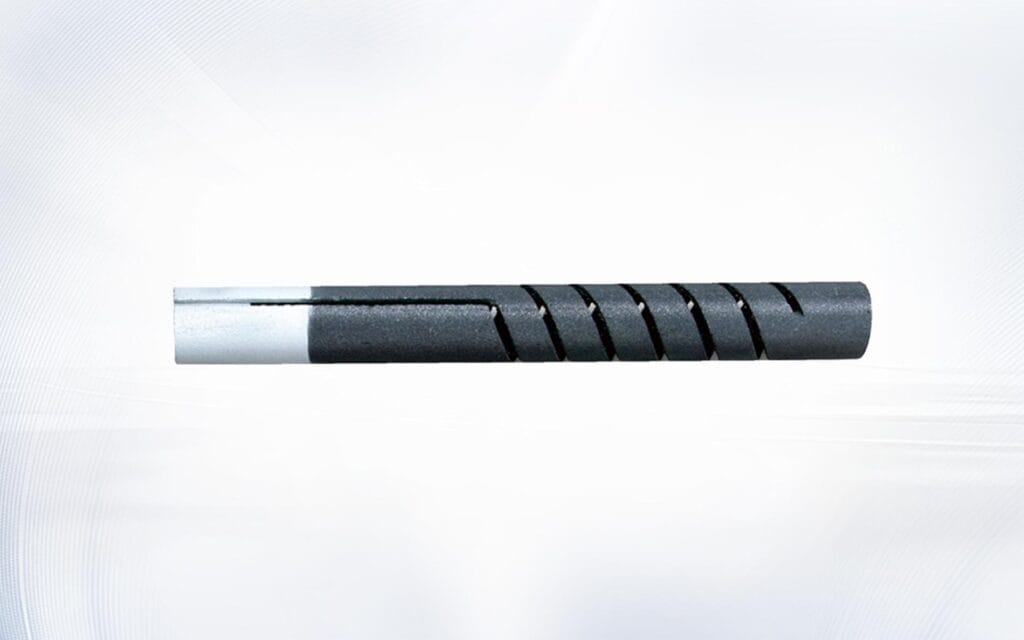
Uno de los indicadores de rendimiento más importantes de los elementos calefactores de SiC es su temperatura máxima de funcionamiento. En la mayoría de las aplicaciones industriales, los elementos calentadores de SiC pueden funcionar eficazmente en el rango de:
- 1200°C a 1600°C para uso industrial estándar
- Hasta 1650°C para materiales de SiC de alta calidad en condiciones controladas
Sin embargo, el rendimiento real depende de la atmósfera del horno, la densidad de carga y la estabilidad operativa.
Descripción general del rendimiento de temperatura
| Parámetro | Rango típico | Impacto industrial |
|---|---|---|
| Temperatura máxima de funcionamiento | 1600°C-1650°C | Determina la capacidad del horno |
| Uso continuo recomendado | 1400°C-1500°C | Garantiza una vida útil más larga |
| Umbral de riesgo de sobrecarga | Temperatura superior a la nominal | Provoca un envejecimiento acelerado |
| Estabilidad de temperatura | Alto bajo control | Crítico para la calidad del producto |
Límite de temperatura versus operación real
En entornos industriales reales, el funcionamiento continuo cerca de la temperatura máxima puede acortar la vida útil. Por lo tanto, se recomienda operar dentro de un margen seguro por debajo de los límites nominales para garantizar un rendimiento estable y reducir el estrés térmico.
Factores de vida útil de los elementos calefactores de SiC en uso industrial
La vida útil de la industria Elementos calentadores de SiC está influenciado por múltiples factores técnicos y operativos. Bajo un uso adecuado, pueden proporcionar un rendimiento de calefacción estable a largo plazo.
Los factores clave que afectan la vida útil incluyen:
- Pureza del material y estructura del grano
- Tensión del horno y distribución de carga
- Frecuencia de ciclo térmico
- Atmósfera operativa (condiciones oxidantes o reductoras)
- Calidad de instalación y estrés mecánico
Causas comunes de reducción de la esperanza de vida
- Sobrecarga excesiva de voltaje
- Ciclos rápidos y frecuentes de calentamiento y enfriamiento
- Mala estabilidad de la conexión eléctrica
- Alineación incorrecta de la instalación en sistemas de hornos
El control adecuado de estos factores extiende significativamente la vida útil y mejora la confiabilidad operativa.
Proceso de fabricación de elementos calentadores industriales de SiC
Como fabricante dedicado, la consistencia de la producción y el control de materiales son esenciales para garantizar el rendimiento del producto.
El proceso de fabricación normalmente incluye:
- Selección de material de carburo de silicio crudo
- Conformación y sinterización a alta temperatura
- Ajuste y calibración de resistencia
- Mecanizado de precisión de varillas calefactoras
- Inspección de calidad y ensayos eléctricos
Cada paso afecta directamente al rendimiento final del elemento calefactor, especialmente en términos de estabilidad de resistencia y resistencia a altas temperaturas.
Importancia del control de fabricación
Procesuri de producție stabilite garanție:
- Rendimiento de calefacción constante en todos los lotes
- Reducción de las tasas de fallas en aplicaciones industriales
- Mejora de la eficiencia energética en los sistemas de hornos
- Mayor vida útil operativa
Aplicaciones industriales de los elementos calentadores de SiC
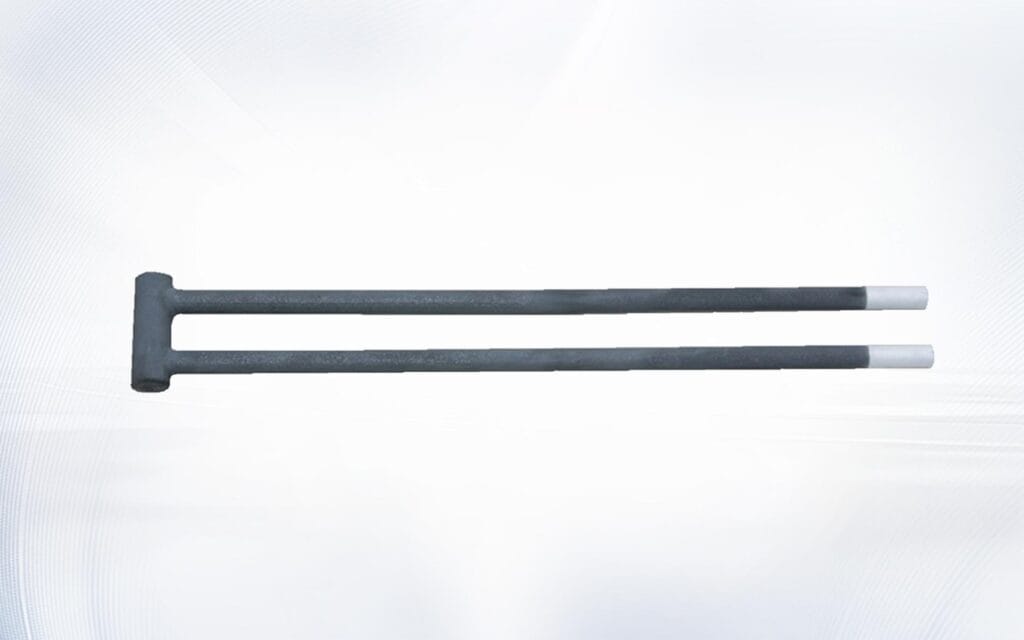
Los elementos calefactores industriales de SiC se utilizan ampliamente en múltiples industrias de alta temperatura debido a su durabilidad y eficiencia.
Las aplicaciones típicas incluyen:
- Sistemas de cocción de hornos cerámicos
- Hornos de fusión de vidrio
- Hornos de tratamiento térmico metalúrgico
- Equipos de laboratorio de alta temperatura
- Procesos de sinterización y recocido
Requisitos específicos de la industria
Diferentes industrias requieren diferentes niveles de rendimiento de calefacción:
- Industria cerámica: calefacción estable de ciclo largo
- Metalurgia: alta resistencia térmica y durabilidad
- Industria del vidrio: distribución uniforme de la temperatura
- Uso en laboratorio: control preciso de la temperatura
Elemento calentador de SiC frente a otros materiales calefactores de alta temperatura
En comparación con otras tecnologías de calentamiento como los elementos disiliciuro de molibdeno (MoSi2), Elementos calentadores de SiC ofrecer una combinación equilibrada de rentabilidad y estabilidad del rendimiento.
| Característica | Elemento calentador SiC | Elemento calentador MoSi2 |
|---|---|---|
| Temperatura máxima | Hasta 1650°C | Hasta 1800°C |
| Eficiencia de costes | Alto | Medio a alto |
| Resistencia a la oxidación | Fuerte | Fuerte |
| Requisito de mantenimiento | Moderado | Inferior |
| Rango de aplicación | Amplio uso industrial | Sistemas de temperatura ultraalta |
Los elementos calefactores de SiC siguen siendo la opción preferida para muchas aplicaciones de hornos industriales debido a su equilibrio coste-rendimiento.
Cómo extender la vida útil de los elementos calentadores de SiC industriales
La operación y el mantenimiento adecuados desempeñan un papel clave a la hora de prolongar la vida útil.
Las prácticas recomendadas incluyen:
- Calentamiento y enfriamiento gradual para evitar choques térmicos
- Mantener un suministro de voltaje estable
- Evitando condiciones de sobrecarga
- Inspección periódica de las conexiones de los hornos
- Garantizar una alineación adecuada de la instalación
Mejores Prácticas Operativas Industriales
- Utilice programas controlados de calefacción por rampa
- Evite fluctuaciones repentinas de energía
- Mantenga estable la atmósfera del horno
- Reemplace los componentes desgastados a tiempo
Estas prácticas mejoran significativamente la eficiencia operativa y reducen el tiempo de inactividad.
Elegir el fabricante adecuado de elementos calentadores de SiC industriales
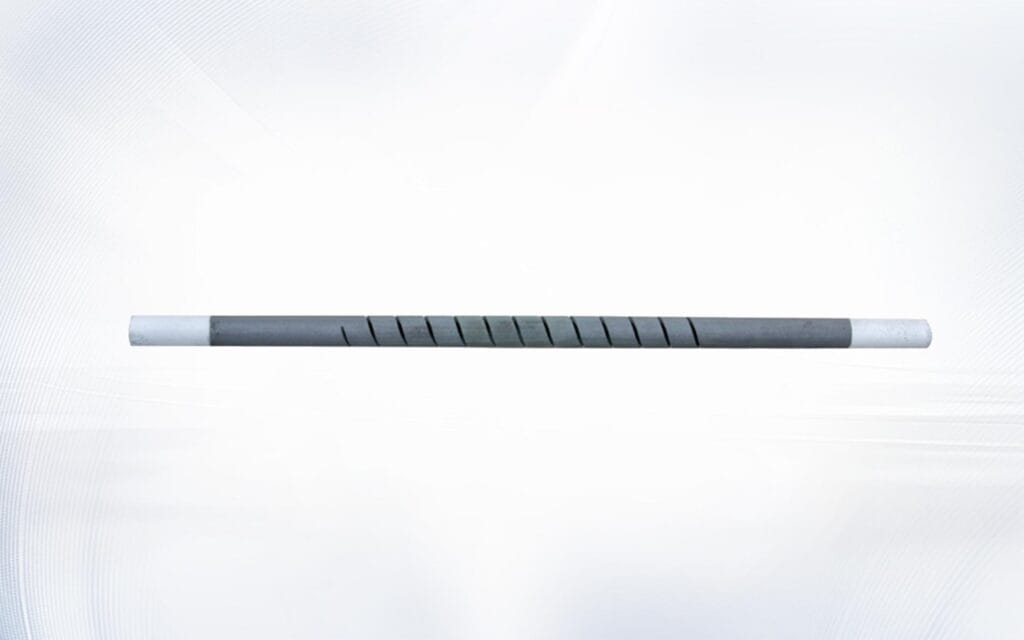
Seleccionar un fabricante confiable es esencial para garantizar una calidad constante y un rendimiento del horno a largo plazo.
Los factores clave de evaluación incluyen:
- Capacidad de producción y experiencia técnica
- Sistema de control de calidad de materiales
- Capacidad de personalización para diferentes diseños de hornos
- Estándares de prueba y certificación de calidad
- Capacidad de suministro estable para pedidos al por mayor
Un fabricante profesional garantiza no sólo la calidad del producto sino también la estabilidad operativa a largo plazo para los usuarios industriales.
Conclusión
Los elementos calentadores de SiC industriales son componentes esenciales en los sistemas de hornos modernos de alta temperatura. Su rendimiento se define por la temperatura máxima de funcionamiento, la calidad del material, la precisión de fabricación y las condiciones de uso correctas. Cuando se seleccionan y operan correctamente, proporcionan un rendimiento de calefacción estable, una vida útil prolongada y una alta eficiencia energética en múltiples aplicaciones industriales.
Como fabricante dedicado de SiC industrial elementos calentadores, nos enfocamos continuamente en mejorar los procesos de producción, mantener un estricto control de calidad y ofrecer soluciones personalizadas para los requisitos globales de hornos industriales. Elegir el proveedor adecuado y comprender los parámetros técnicos puede mejorar significativamente la eficiencia del horno y el rendimiento operativo a largo plazo.
Preguntas frecuentes
¿para qué se utiliza un elemento calentador de SiC industrial?
Los elementos calentadores de SiC industriales se utilizan en sistemas de hornos de alta temperatura, como hornos cerámicos, hornos de fusión de vidrio, equipos de tratamiento térmico metalúrgico y aplicaciones de calefacción de laboratorio.
¿Cuál es la temperatura máxima de un elemento calentador de SiC industrial?
La mayoría industrial Elementos calentadores de SiC puede funcionar entre 1200°C y 1600°C, y los modelos de alta calidad alcanzan hasta 1650°C en condiciones de horno controladas.
¿cuánto dura un elemento calentador de SiC industrial?
La vida útil suele oscilar entre varios meses y años, dependiendo de la temperatura de funcionamiento, las condiciones de carga, la frecuencia del ciclo térmico y la calidad de la instalación.
¿qué afecta el rendimiento de un elemento calentador de SiC?
Los factores clave incluyen la pureza del material, la atmósfera del horno, la estabilidad del voltaje, la densidad de carga y una instalación adecuada. Las malas condiciones operativas pueden reducir significativamente la eficiencia y la vida útil.
¿cómo elijo el proveedor de elementos calentadores de SiC industriales adecuado?
Un proveedor confiable debe ofrecer una calidad de producto estable, un control de fabricación estricto, opciones de personalización y experiencia comprobada en aplicaciones de hornos de alta temperatura.