Tabla de contenidos
Introducción
Silicon carbide heating technology plays a critical role in modern high-temperature industrial systems. As industries such as ceramics, metallurgy, glass processing, and semiconductor manufacturing continue to evolve, the demand for stable and efficient heating elements has increased significantly.
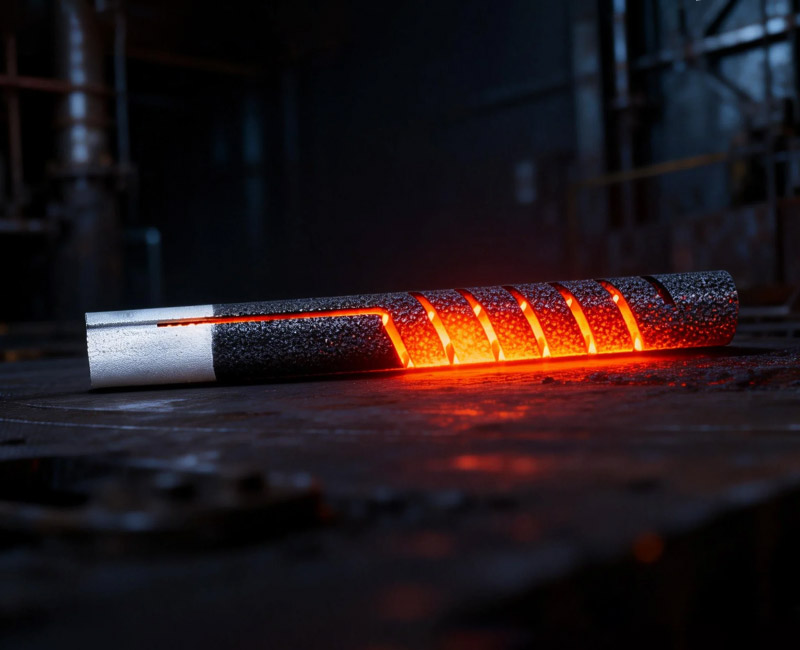
A SiC silicon carbide rod is widely used as a high-performance heating element designed for extreme temperature environments. It delivers stable resistance heating, long service life, and excellent oxidation resistance. From a manufacturer’s perspective, the value of a silicon carbide heating element lies not only in its material performance but also in its consistency, reliability, and adaptability to different furnace systems.
As a professional manufacturer, we continuously publish technical content like this to improve industry understanding, support engineering selection decisions, and strengthen organic visibility across global search engines.
What Is a SiC Silicon Carbide Rod and How It Works
A silicon carbide rod is a non-metallic heating element made from high-purity silicon carbide through high-temperature sintering. It operates based on electrical resistance heating: when current passes through the rod, it generates heat uniformly along its length.
Unlike metallic heating elements, SiC rods can operate in much higher temperature ranges while maintaining structural stability. They are commonly used in oxidizing atmospheres, where other materials would degrade quickly.
Key working characteristics:
- Resistance heating behavior changes with temperature
- Stable performance in high-temperature furnaces
- Uniform heat distribution across furnace chambers
- Apto para funcionamiento industrial continuo
Key Material Properties of Silicon Carbide Heating Elements
The performance of a silicon carbide heating element depends heavily on its material structure and manufacturing quality. High-grade SiC rods offer the following properties:
- Excellent thermal conductivity for fast heat transfer
- High oxidation resistance at elevated temperatures
- Fuerte resistencia mecánica bajo estrés térmico
- Stable electrical resistance over long service cycles
- Reduced deformation compared to metal heating elements
These characteristics make SiC rods a preferred solution for high-temperature industrial furnace applications where reliability is critical.
Types of SiC Silicon Carbide Rods for Industrial Applications
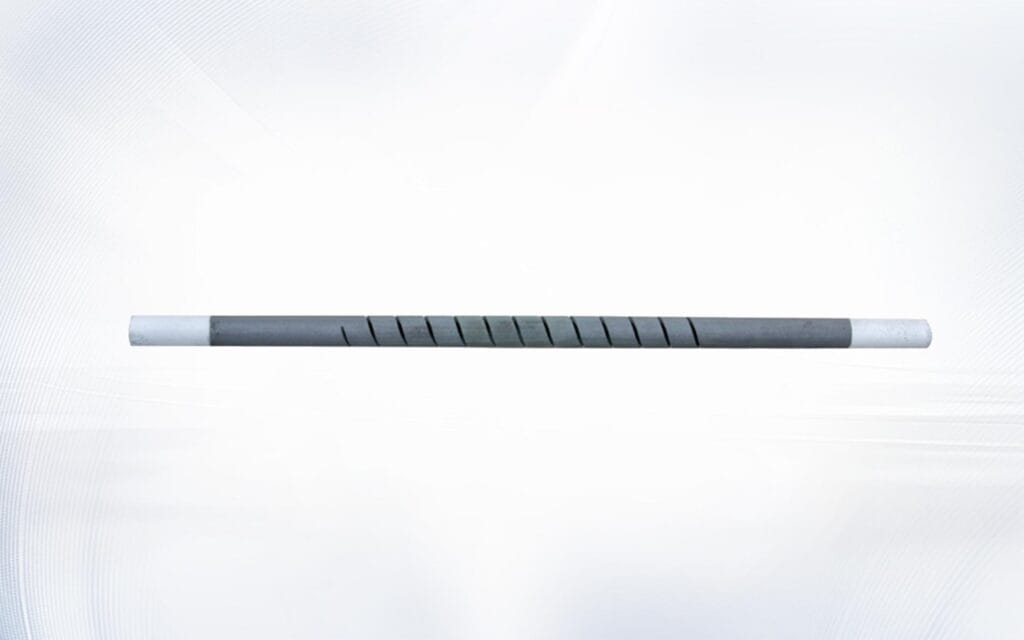
Different furnace systems require different configurations of silicon carbide heating elements. A professional manufacturer typically offers multiple types:
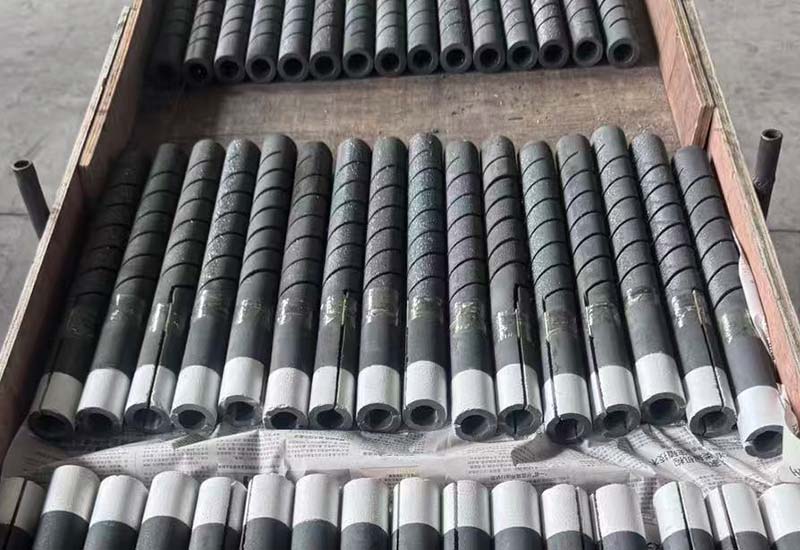
- Straight SiC rods for standard furnace heating
- U-type silicon carbide rods for compact furnace layouts
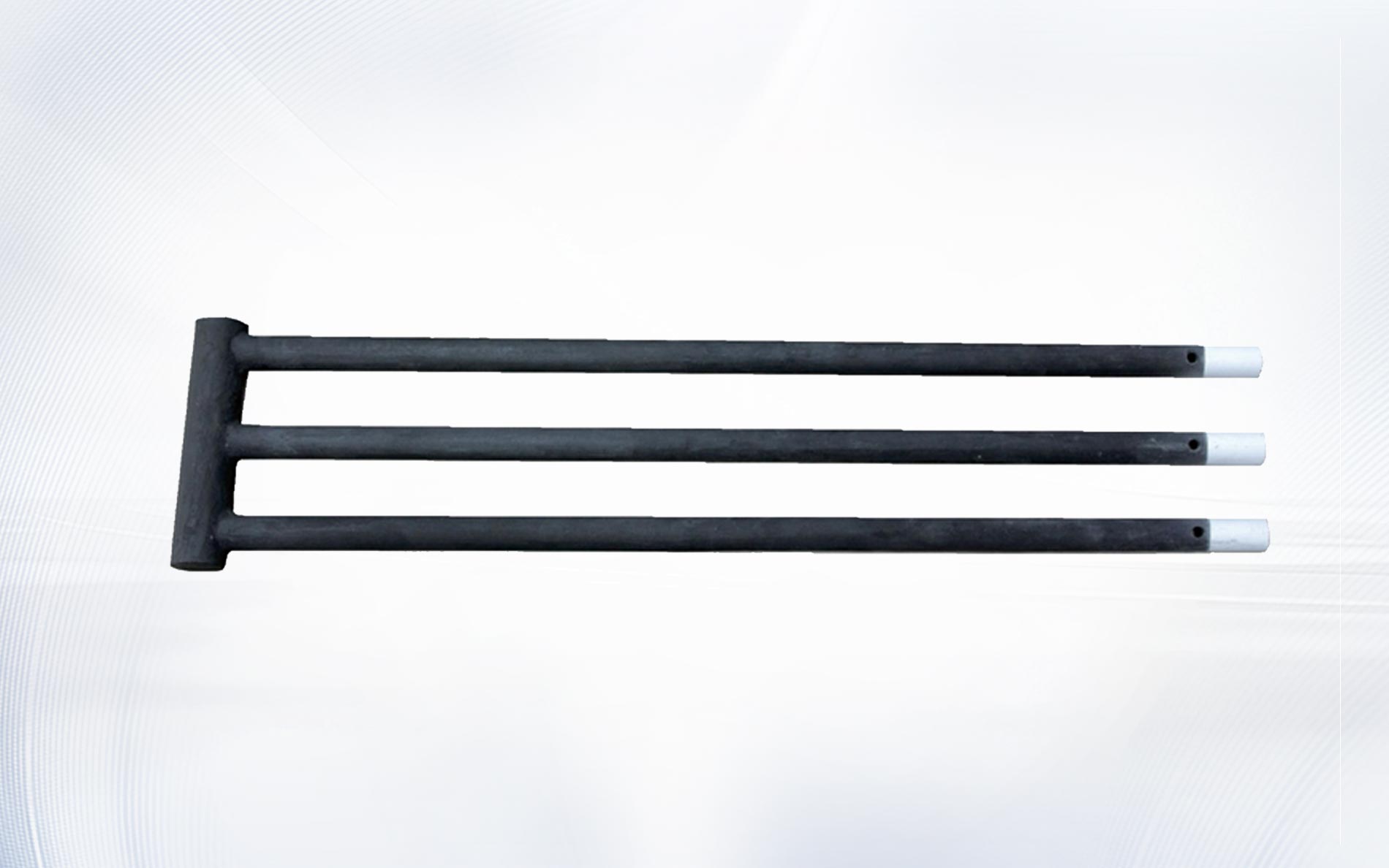
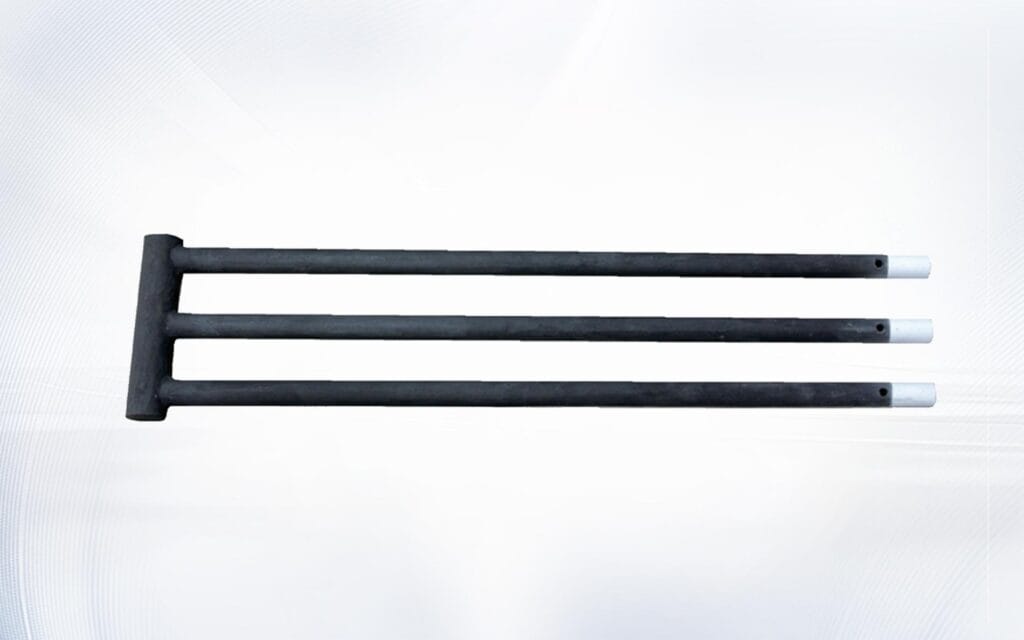
- W-type multi-leg rods for high-power systems
- Custom-designed SiC heating elements for OEM projects
Each design is engineered to match specific heating requirements, voltage conditions, and installation structures.
Manufacturing Process of Silicon Carbide Rods (Factory Insight)
As a silicon carbide rod manufacturer, production quality directly determines performance and lifespan. The manufacturing process includes several critical steps:
- Raw material selection with controlled purity levels
- Precision mixing and forming of SiC compounds
- High-temperature sintering for structural stability
- Resistance grading and electrical performance testing
- Dimensional calibration and surface finishing
- Final quality inspection before packaging
Strict process control ensures every SiC rod meets industrial furnace requirements and maintains stable operation under extreme conditions.
Applications of SiC Silicon Carbide Rods in Industry
Silicon carbide heating elements are widely used across multiple industrial sectors due to their thermal stability and efficiency.
Typical applications include:
- High-temperature furnace heating systems
- Ceramic and porcelain kiln production
- Glass melting and forming processes
- Metallurgical heat treatment furnaces
- Semiconductor processing equipment
- Hornos de laboratorio y de investigación
Their versatility makes them one of the most important heating solutions in industrial thermal engineering.
Advantages of Using SiC Silicon Carbide Rods Over Traditional Heating Elements
Compared with traditional metallic heating elements such as nichrome or kanthal wire, SiC rods offer significant performance advantages.
| Característica | SiC Silicon Carbide Rod | Metal Heating Element |
|---|---|---|
| Maximum Operating Temperature | Up to very high industrial levels | Limitado |
| Resistencia a la oxidación | Excelente | Moderate to low |
| Vida de servicio | Largo | Shorter |
| Eficiencia energética | Alto | Medio |
| Stability in Furnace Use | Very stable | Degrades over time |
These advantages make varillas de carburo de silicio a more cost-effective long-term solution for industrial furnace heating systems.
Technical Specifications and Performance Parameters
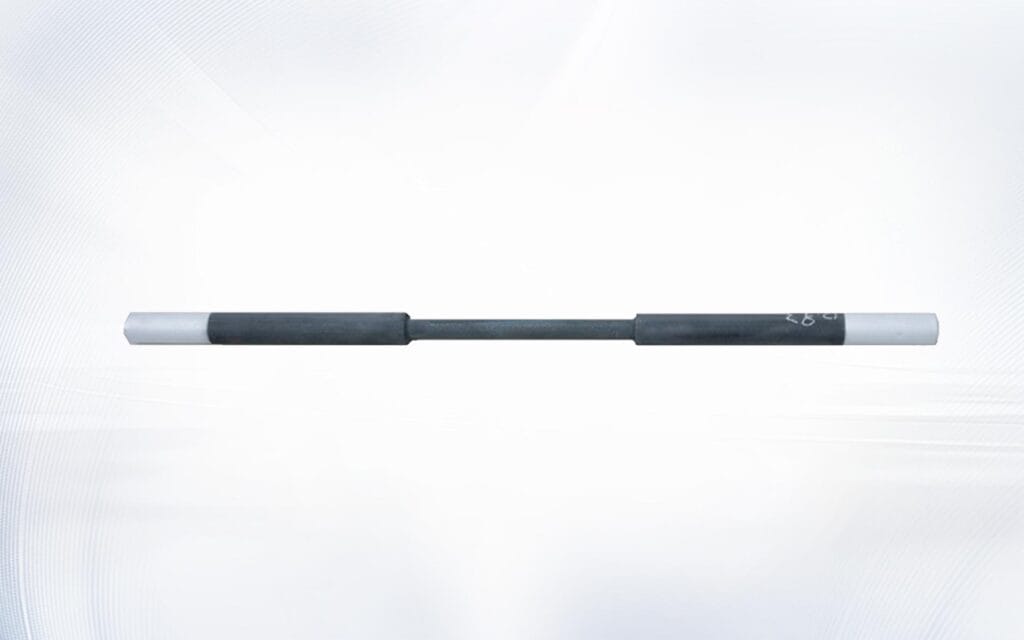
Selecting the right silicon carbide heating element requires understanding key technical parameters:
- Operating temperature range suitable for high-temperature furnaces
- Resistance values matched to power supply systems
- Diameter and length customization options
- Voltage compatibility for industrial installations
- Load capacity and energy efficiency performance
Proper specification matching ensures optimal furnace efficiency and extends product lifespan.
How to Choose the Right Silicon Carbide Heating Element for Your Furnace
Choosing the correct SiC silicon carbide rod depends on multiple engineering factors:
- Furnace type and heating zone design
- Required maximum operating temperature
- Electrical power and voltage system compatibility
- Atmosphere conditions (oxidizing or controlled environments)
- Rod size, resistance grade, and configuration requirements
Working directly with an experienced manufacturer allows for better customization and system optimization.
Common Problems and Maintenance of SiC Silicon Carbide Rods
Although varillas de carburo de silicio are highly durable, proper maintenance is still essential for long-term performance.
Common issues include:
- Gradual resistance drift after long usage
- Breakage caused by rapid thermal shock
- Surface oxidation layer development
Maintenance recommendations:
- Avoid sudden temperature changes
- Ensure stable voltage supply
- Regular inspection of furnace heating zones
- Replace rods in balanced sets to maintain uniform heating
Proper operation significantly extends service life and improves energy efficiency.
Why Choose a Direct SiC Silicon Carbide Rod Manufacturer
Working directly with a manufacturer provides clear advantages for industrial buyers:
- Competitive factory pricing without intermediaries
- OEM and custom design capability for special furnace systems
- Strict quality control across production batches
- Stable supply for bulk industrial orders
- Technical support for installation and system integration
For industrial heating projects, supplier reliability is as important as product performance.
Global Supply and Wholesale Options for Silicon Carbide Rods
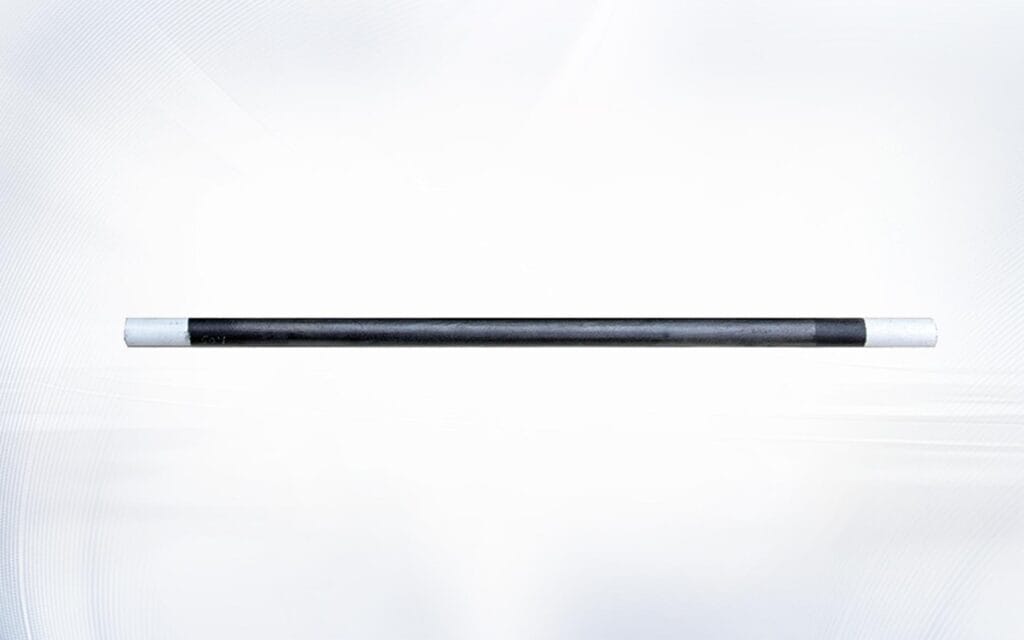
We support global industrial clients with flexible supply solutions:
- Wholesale varilla de carburo de silicio orders for large projects
- OEM branding and private labeling services
- Export-compliant packaging and logistics support
- Long-term supply agreements for continuous production lines
- Custom specifications for different industrial furnace systems
This ensures consistent availability for both small-scale and large-scale industrial applications.
Conclusión
SiC silicon carbide rods have become an essential heating solution for modern high-temperature industries due to their stability, efficiency, and durability. From ceramic kilns to metallurgical furnaces, their performance consistently outperforms traditional heating elements in demanding environments.
As a dedicated silicon carbide rod manufacturer, our focus is on delivering high-quality silicon carbide heating elements with customizable specifications, stable production standards, and reliable global supply capability. Selecting the right manufacturer ensures not only product quality but also long-term operational efficiency and reduced maintenance costs for industrial furnace systems.
Preguntas frecuentes
What is a SiC silicon carbide rod used for?
A SiC silicon carbide rod is mainly used as a high-temperature heating element in industrial furnaces, kilns, glass melting systems, and heat treatment equipment.
What temperature can silicon carbide heating rods withstand?
Most silicon carbide rods can operate efficiently in very high-temperature environments, typically up to around 1600°C–1700°C depending on the grade and application conditions.
How long does a varilla de carburo de silicio ¿último?
Service life depends on operating conditions, but a high-quality SiC heating element can last for a long period under stable voltage and proper furnace operation, often much longer than metal heating elements.
What are the advantages of SiC silicon carbide rods over metal heating elements?
Compared to metal heaters, SiC rods offer higher temperature resistance, better oxidation stability, longer lifespan, and more stable performance in industrial furnace environments.
Can silicon carbide rods be customized for different furnaces?
Yes, manufacturers can customize SiC silicon carbide rods in terms of size, resistance, shape (straight, U-type, W-type), and power requirements to match different industrial furnace systems.