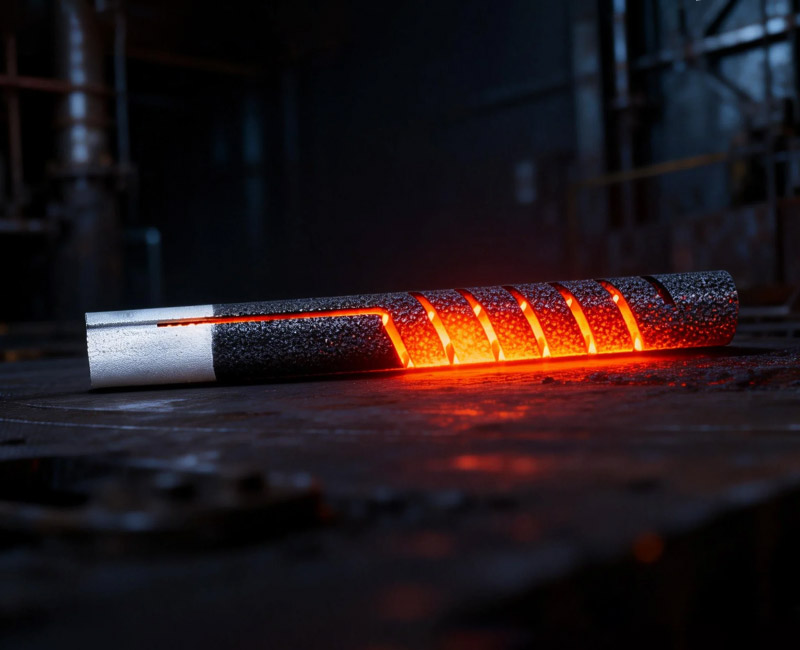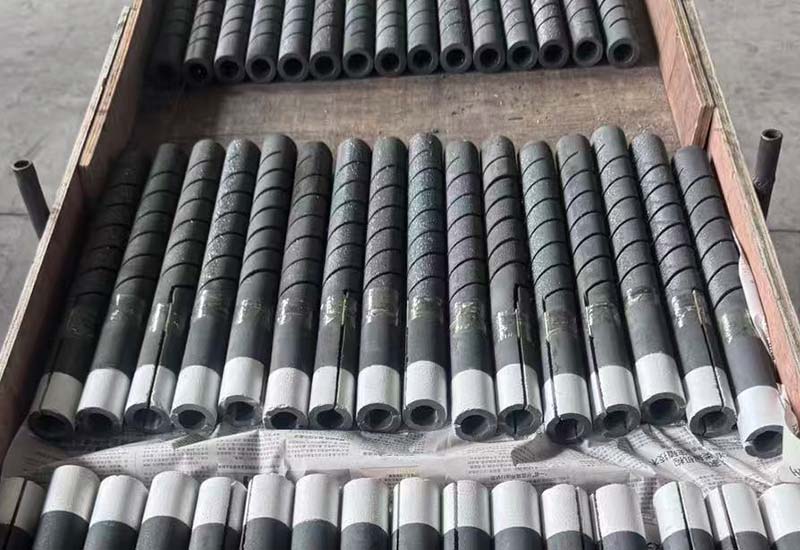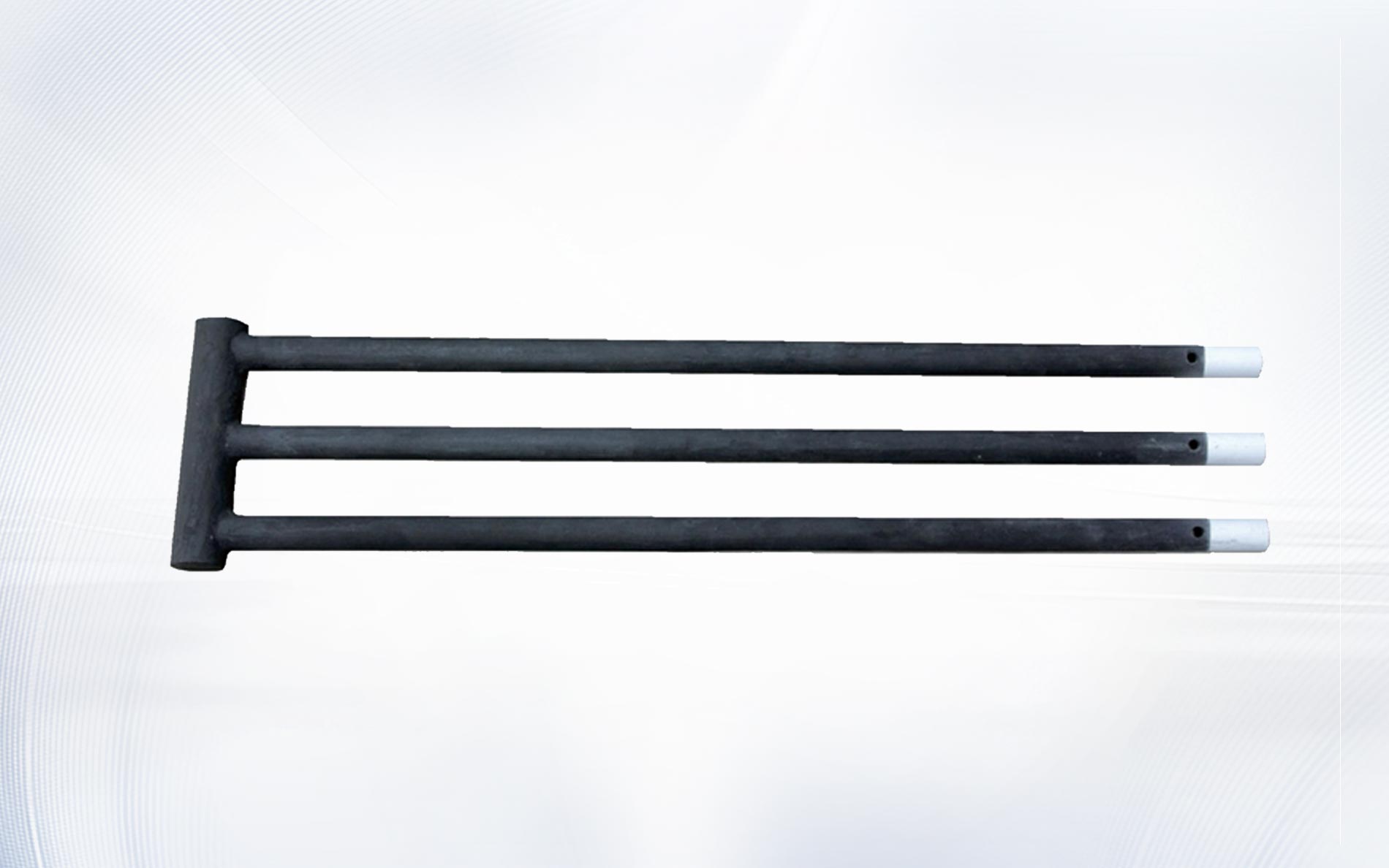
Silicon carbide furnace rods are widely used in high-temperature industrial heating systems where stability, thermal efficiency, and long operating life are essential. In real production environments, they are not just heating components—they directly influence furnace consistency, energy utilization, and process reliability.
This guide is written from a manufacturing and engineering perspective, focusing on how silicon carbide heating rods actually behave in industrial furnaces, how they should be selected, and what determines their long-term performance.
Tabla de contenidos
Understanding How Silicon Carbide Furnace Rods Generate Heat
At the core, a silicon carbide furnace rod works through resistance heating. When electrical current passes through the rod, heat is generated internally due to the material’s natural electrical resistance.
In practical furnace conditions, the heating process follows a stable pattern:
- Current enters through the cold ends
- Heat is generated in the hot zone
- Energy is released mainly through infrared radiation
- Furnace chamber temperature rises and stabilizes gradually
Unlike metallic heating elements, silicon carbide rods do not rely on coils or wires. The ceramic structure itself becomes the heating body, which is why it performs well under extreme temperatures and continuous load.
Why Industrial Users Prefer Silicon Carbide Heating Elements
In actual production environments, selection is rarely about specifications alone. It is about stability under long-term operation.
Silicon carbide furnace rods are commonly chosen because they provide:
- Consistent heating behavior during continuous furnace cycles
- Strong resistance to oxidation in air-based environments
- Stable structural integrity under thermal stress
- Predictable performance in high-load applications
- Reduced deformation risk compared to metal-based elements
These characteristics make them suitable for industries where downtime and temperature fluctuations directly affect product quality.
Structural Design That Determines Performance
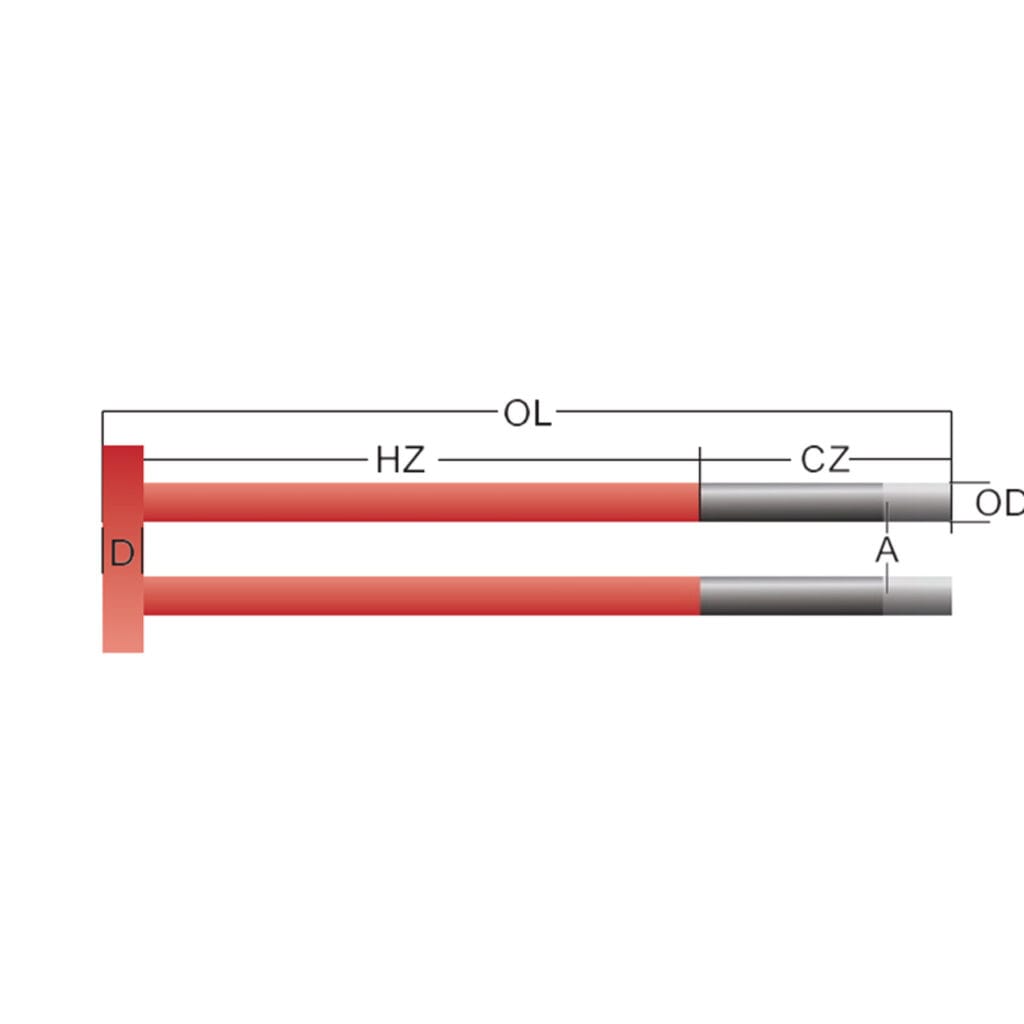
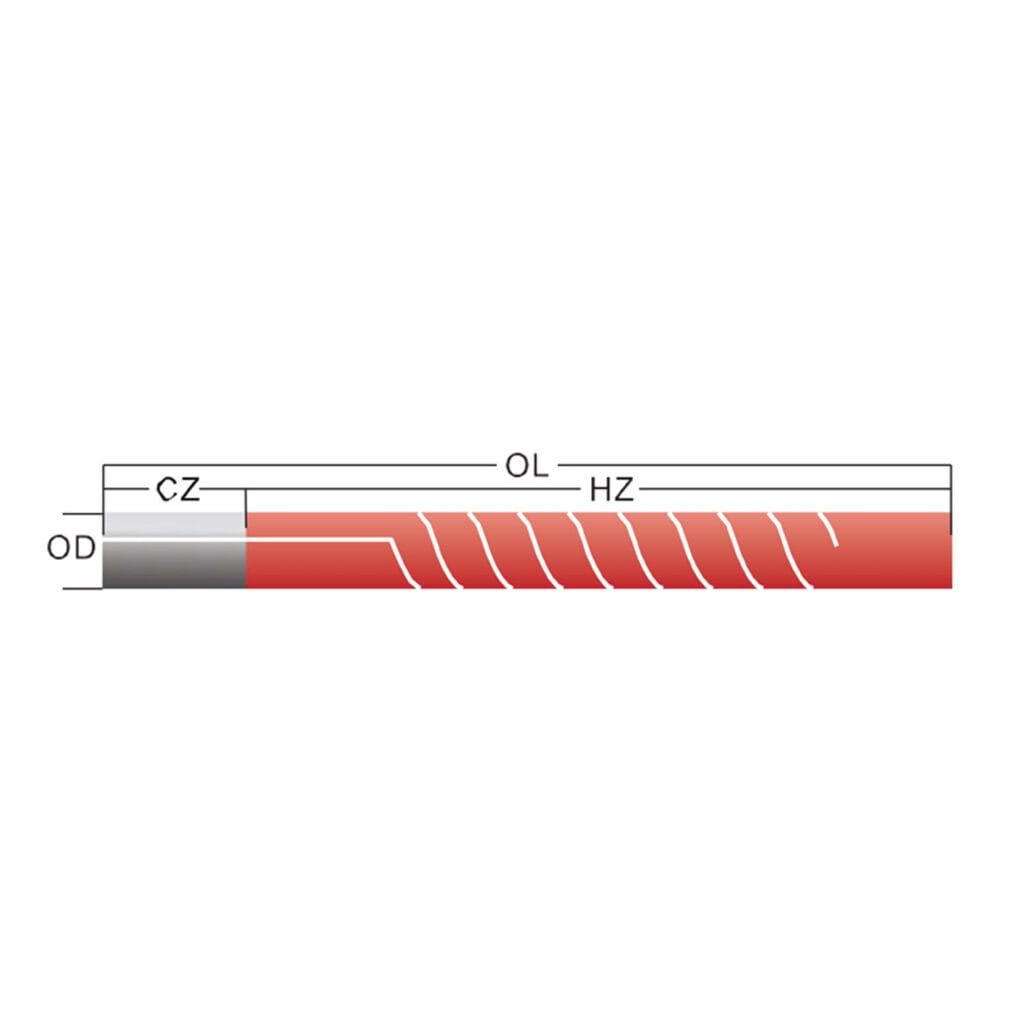
A silicon carbide rod is not uniform in function. Its performance depends heavily on its internal zoning design.
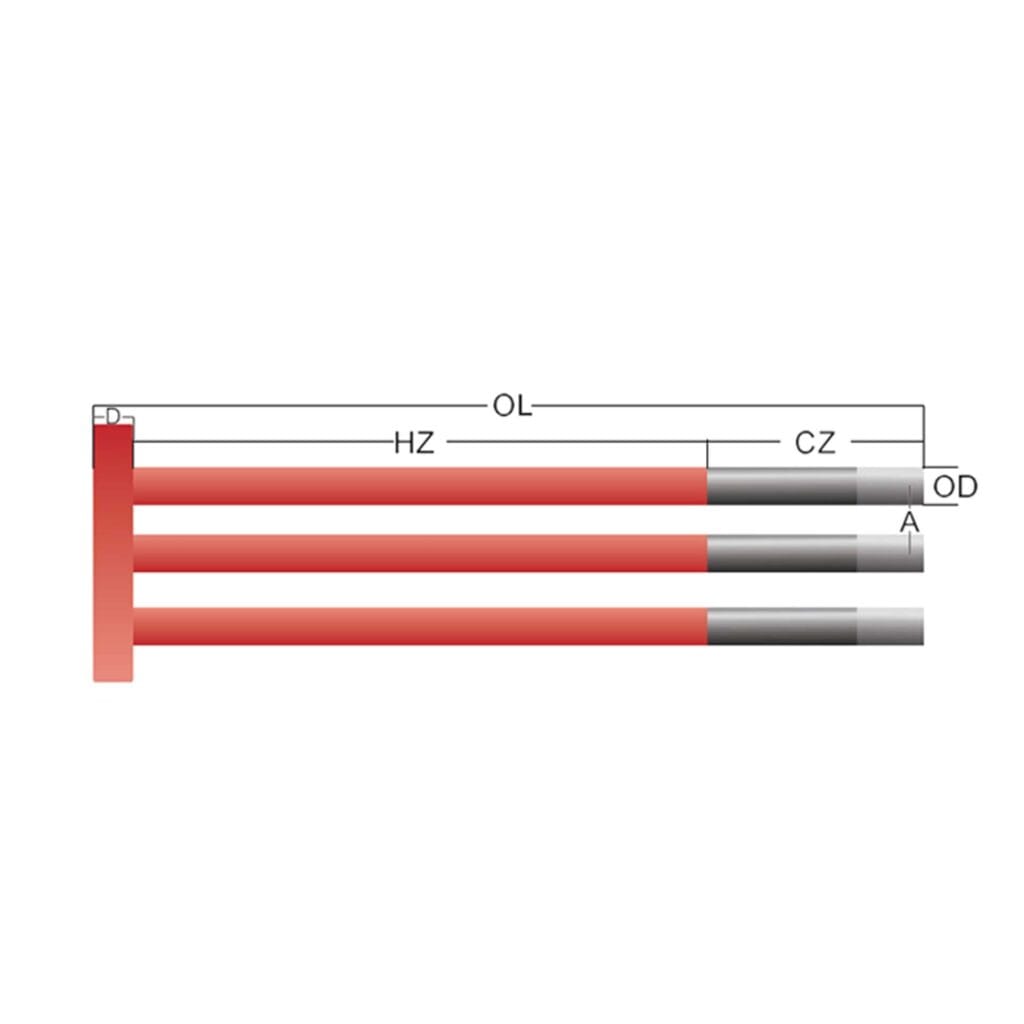
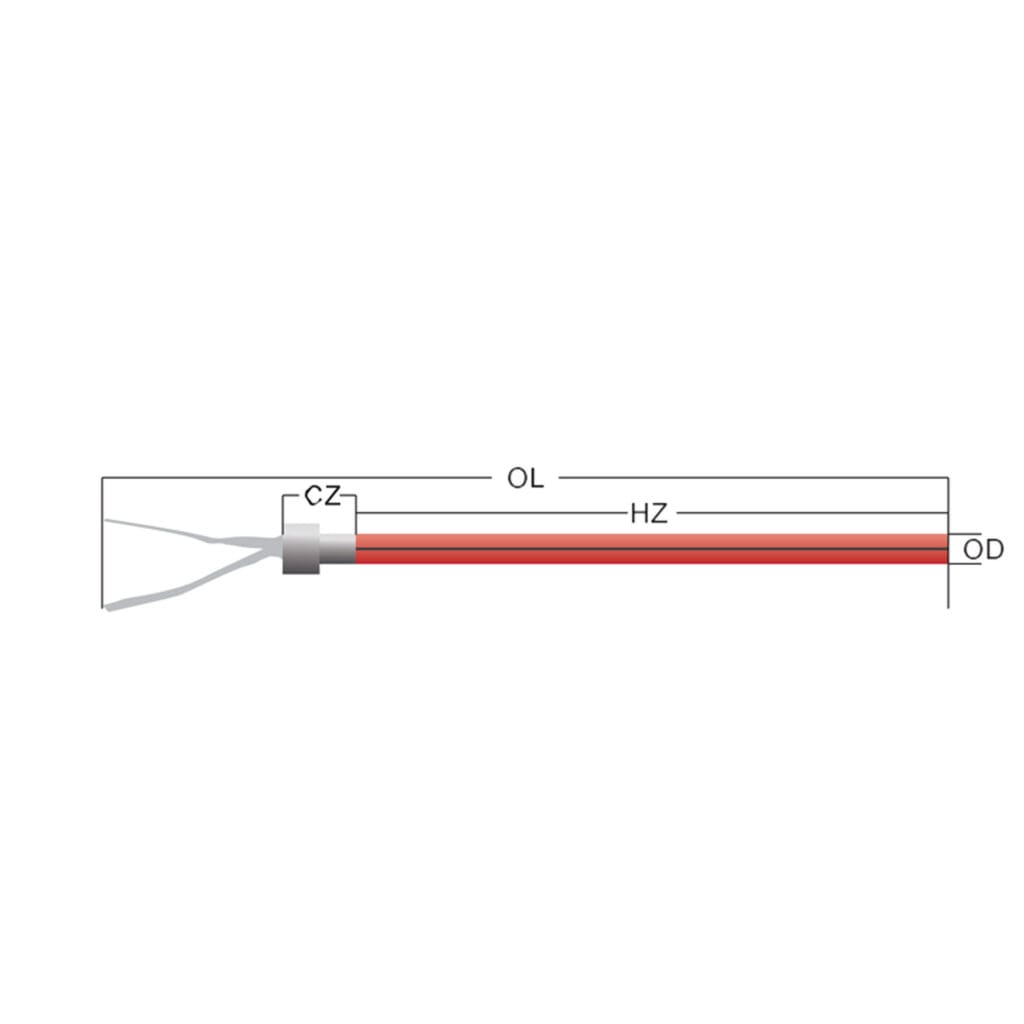
Typical structure includes:
- Hot zone: the active heating section where resistance is highest
- Cold ends: connection areas designed to reduce heat transfer and maintain electrical stability
- Transition zones: areas that balance temperature gradients between hot and cold sections
This zoning design is critical. If the thermal gradient is not well controlled, the element may experience stress concentration and performance instability over time.
Manufacturing Perspective: What Actually Affects Quality
From a production standpoint, silicon carbide furnace rods are highly sensitive to raw material quality and processing control.
Key manufacturing factors include:
- Purity and particle consistency of silicon carbide material
- Density control during forming and sintering
- Resistance balancing across batches
- Thermal treatment stability during production
- Precision finishing of electrical contact areas
Even small variations in material structure can lead to resistance imbalance, which directly affects furnace heating uniformity in real applications.
Technical Parameters That Matter in Real Furnace Design
In industrial use, engineers rarely look at a single specification. Instead, they evaluate system compatibility.
Important parameters include:
- Rod diameter selection based on furnace load
- Length configuration matching chamber geometry
- Resistance matching for electrical balancing
- Voltage compatibility with furnace control systems
- Hot zone ratio affecting heat distribution efficiency
A common mistake in furnace design is treating silicon carbide rods as interchangeable parts. In practice, system matching is essential for stable operation.
Where Silicon Carbide Furnace Rods Are Used in Industry
These heating elements are found in a wide range of thermal processing systems where high temperatures and stability are required.
Typical application environments include:
- Ceramic firing kilns requiring stable heat curves
- Glass processing furnaces with continuous heating cycles
- Heat treatment systems in metallurgy production lines
- Industrial sintering furnaces with controlled atmosphere
- Laboratory equipment for high-temperature testing
- Continuous thermal processing systems in manufacturing plants
Each application places different demands on heating speed, stability, and thermal uniformity.
Comparison With Other Heating Element Systems
In real engineering decisions, silicon carbide rods are often evaluated against other high-temperature heating solutions.
The key differences usually come down to:
- Thermal stability under continuous operation
- Response to temperature cycling
- Mechanical strength in furnace environments
- Resistance stability over extended use
- Suitability for oxidizing atmospheres
Silicon carbide tends to perform more consistently in environments where mechanical stability and long-term thermal behavior are more important than rapid heating response.
What Actually Determines Service Life in Operation
There is no fixed lifespan for varillas de horno de carburo de silicio in industrial environments. Performance depends heavily on operating conditions.
Main influencing factors include:
- Furnace atmosphere composition and oxygen exposure
- Frequency of heating and cooling cycles
- Electrical load consistency across the system
- Installation quality and mechanical stress
- Temperature ramp-up control during operation
In practice, most performance issues are not caused by the material itself, but by system design or operating conditions that exceed recommended load behavior.
Installation Reality: What Often Gets Overlooked
Installation is one of the most underestimated factors in performance stability.
Common practical considerations:
- Ensuring correct alignment inside furnace chambers
- Avoiding mechanical stress during expansion and contraction
- Maintaining stable electrical contact at cold ends
- Preventing uneven load distribution across multiple rods
- Controlling startup temperature increase rate
A well-designed installation can significantly improve stability even under demanding operating conditions.
Operational Issues and Practical Troubleshooting
In real production environments, several recurring issues may appear:
- Uneven heating distribution across furnace zones
- Gradual resistance drift after long-term operation
- Localized overheating due to poor load balancing
- Connection instability at terminal points
- Mechanical stress cracks caused by thermal cycling
Most of these problems can be traced back to system configuration rather than material failure. Adjusting load balance and improving thermal control often resolves them effectively.
Why Direct Manufacturing Source Matters
Working directly with a manufacturer is not only a sourcing decision—it affects technical consistency.
From an engineering standpoint, direct manufacturing control ensures:
- Stable material formulation across production batches
- Better matching between design and application requirements
- Faster adaptation to custom furnace configurations
- More predictable electrical performance behavior
- Consistent quality control throughout production stages
For industrial buyers, this directly impacts furnace stability and long-term operational efficiency.
Conclusión
Silicon carbide furnace rods remain a key component in high-temperature industrial heating systems due to their structural stability, thermal resistance, and predictable electrical behavior. However, their real performance depends less on the material itself and more on how well they are integrated into the furnace system.
Correct selection, proper installation, and stable operating conditions all play a role in achieving reliable performance over time. For industrial applications, understanding these factors is essential for maintaining consistent heating quality and reducing system instability.
Preguntas frecuentes
What is a silicon carbide furnace rod used for?
It is used as a high-temperature heating element in industrial furnaces, including ceramic kilns, glass processing systems, and heat treatment equipment.
How does a silicon carbide furnace rod work?
It generates heat through electrical resistance. When current passes through the rod, the material converts electrical energy into heat and releases it evenly into the furnace chamber.
What affects the lifespan of a silicon carbide heating rod?
Service life depends on operating temperature, furnace atmosphere, electrical load stability, and the frequency of heating and cooling cycles.
Can silicon carbide furnace rods be customized?
Yes. They can be customized in diameter, length, resistance value, and hot-zone design to match different furnace structures and operating requirements.
What is the main advantage of silicon carbide furnace rods over metal heating elements?
They offer better performance at high temperatures, stronger oxidation resistance, and more stable operation in continuous industrial heating environments.