Tabla de contenidos
Introducción
Industrial heating elements play a critical role in manufacturing processes across sectors including electronics, ceramics, glass production, and metallurgy. Selecting the appropriate material for furnace rods and heating elements directly impacts operational efficiency, equipment lifespan, and overall production costs.
Graphite has long been a standard material for high-temperature applications, but advancements in ceramic technology have positioned silicon carbide (SiC) as a superior alternative for many industrial uses. This article provides a comprehensive comparison of silicon carbide rods vs graphite rods to help you make informed decisions for your specific heating requirements.
What Are Silicon Carbide Rods?
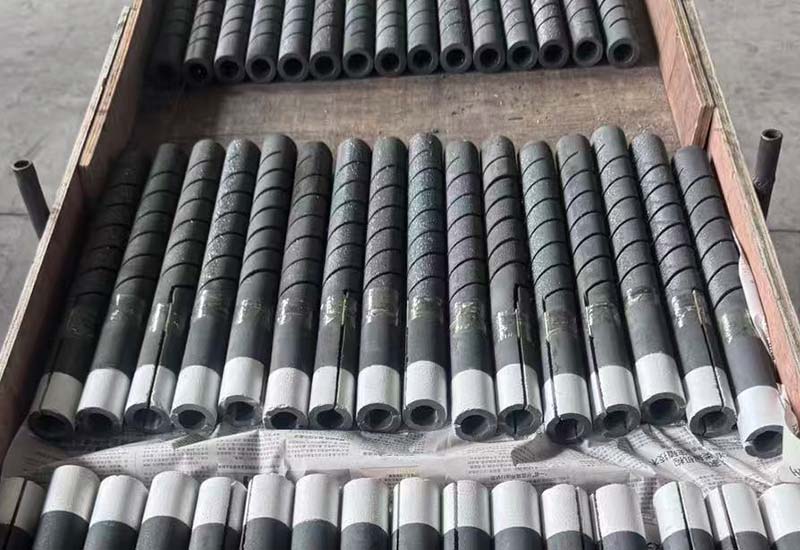
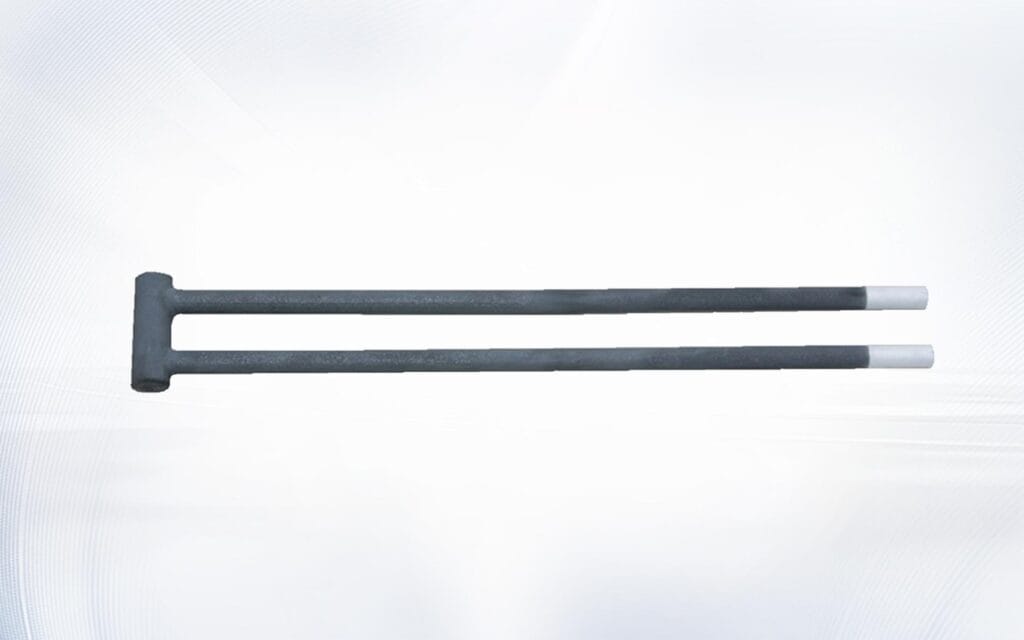
Silicon carbide rods are advanced non-metallic heating elements manufactured from high-purity silicon carbide through a specialized sintering process at temperatures exceeding 2200°C. This production method creates a dense crystalline structure with exceptional thermal and mechanical properties.
Key Properties:
- Extreme temperature resistance: Operates reliably up to 1600°C in oxidizing atmospheres
- Superior thermal conductivity: 120-170 W/m-K, ensuring efficient heat transfer
- Low thermal expansion: Minimizes risk of cracking from rapid temperature changes
- Excellent chemical stability: Resists oxidation, acids, and corrosive environments
- High mechanical strength: Maintains structural integrity under thermal stress
Common Applications:
- High-temperature furnaces in ceramics and glass manufacturing
- Heat treatment equipment in metal processing
- Semiconductor wafer production facilities
- Laboratory testing apparatus
- Desulfurization systems in power generation
The unique combination of properties makes silicon carbide rods particularly effective in applications where durability, temperature uniformity, and resistance to chemical corrosion are critical.
What Are Graphite Rods?
Graphite rods are carbon-based heating elements produced through graphitization of carbon materials at high temperatures. Their layered atomic structure gives them unique characteristics that have made them a traditional choice for certain industrial applications.
Key Properties:
- High electrical conductivity: 700-2000 S/m, ideal for electrode applications
- Excellent thermal conductivity: Up to 400 W/m-K in specific orientations
- Low density: Lightweight compared to ceramic alternatives
- Chemical inertness in non-oxidizing environments: Resists many chemicals when protected from oxygen
- Graphite’s sublimation point: Can theoretically reach 3850°C in inert atmospheres
Common Applications:
- Electric arc furnace electrodes in steel production
- Heating elements in vacuum furnaces
- Crucible materials for metal melting
- Lubricants and seal components
- Battery anode materials
While graphite offers certain advantages, its limitations become apparent in high-temperature, oxidizing environments typical of many modern industrial processes.
Silicon Carbide Rods vs Graphite Rods – Key Differences
When comparing silicon carbide rods and graphite rods, several critical differences emerge that impact performance and suitability for specific applications:
| Característica | Silicon Carbide Rods | Graphite Rods |
|---|---|---|
| Maximum Operating Temperature (Oxidizing Atmosphere) | Up to 1600°C | Starts oxidizing at 500-600°C |
| Oxidation Resistance | Excellent (forms protective SiO₂ layer) | Poor (requires protective atmosphere) |
| Mechanical Strength | High (410-600 MPa flexural strength) | Low (80 MPa flexural strength) |
| Hardness | 9 on Mohs scale (near diamond) | 1.5 on Mohs scale |
| Resistencia térmica al choque | Excellent (low expansion rate) | Good but limited by structural properties |
| Chemical Corrosion Resistance | Superior against acids and alkalis | Good only in non-oxidizing environments |
| Electrical Conductivity | Semiconductor properties (0.1-10 S/m) | Excellent conductor (700-2000 S/m) |
| Lifespan in Air | 2000+ hours continuous use | Limited to intermittent use without protection |
Performance Comparison
- Heat resistance and thermal conductivity:
- Silicon carbide maintains stable performance at higher temperatures in oxidizing environments
- Graphite offers superior conductivity but only in non-oxidizing conditions
- SiC’s thermal conductivity remains more consistent across temperature ranges
- Durability and lifespan:
- Silicon carbide rods typically last 3-5 times longer than graphite in similar operating conditions
- Graphite requires frequent replacement in air atmosphere applications
- SiC’s resistance to wear and corrosion reduces maintenance costs
- Maintenance requirements:
- Silicon carbide rods require minimal maintenance beyond basic cleaning
- Graphite rods need protective coatings or inert gas environments for extended use
- SiC’s mechanical strength reduces breakage during installation and operation
Choosing the Right Rods for Your Applications
Industrial Heating Applications
- For high-temperature furnaces in air: Silicon carbide rods are clearly superior due to their oxidation resistance and long lifespan
- For vacuum or inert atmosphere processes: Graphite may offer cost advantages where its conductivity benefits can be utilized
- For applications involving corrosive materials: Silicon carbide’s chemical stability makes it the only viable long-term solution
Laboratory and Research Applications
- When precise temperature control is critical: Silicon carbide provides more stable heating performance
- For high-temperature chemical analysis: SiC’s resistance to chemical attack ensures accurate results
- In budget-conscious settings: Graphite may be suitable for low-temperature, intermittent use
Custom vs Standard Rods
Custom silicon carbide rods offer significant advantages over standard graphite rods:
- Tailored dimensions for specific furnace designs
- Optimized heating profiles for uniform temperature distribution
- Specialized surface treatments for enhanced performance
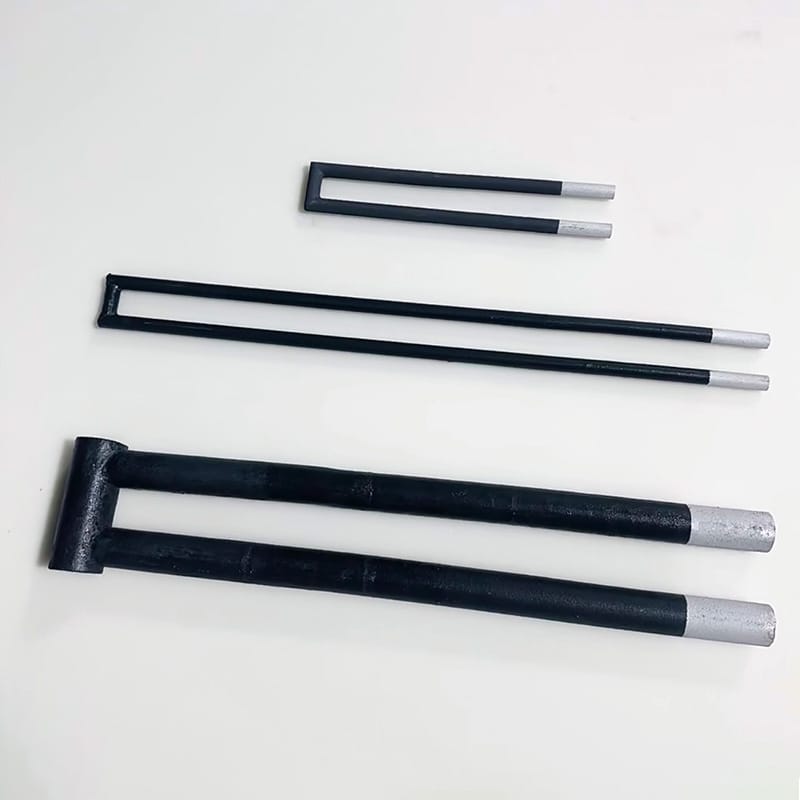
- Custom configurations (U-shaped, multi-zone) for complex heating requirements
Benefits of Using Silicon Carbide Rods from a Manufacturer
Working with an experienced silicon carbide rod manufacturer offers numerous advantages:
- Quality control and consistency:
- Precision manufacturing processes ensure uniform material properties
- Rigorous testing guarantees performance meets international standards
- Consistent dimensions ensure proper fit and optimal heat transfer
- Customizable solutions:
- Tailored sizes and configurations to match your exact requirements
- Specialized formulations for specific temperature ranges and environments
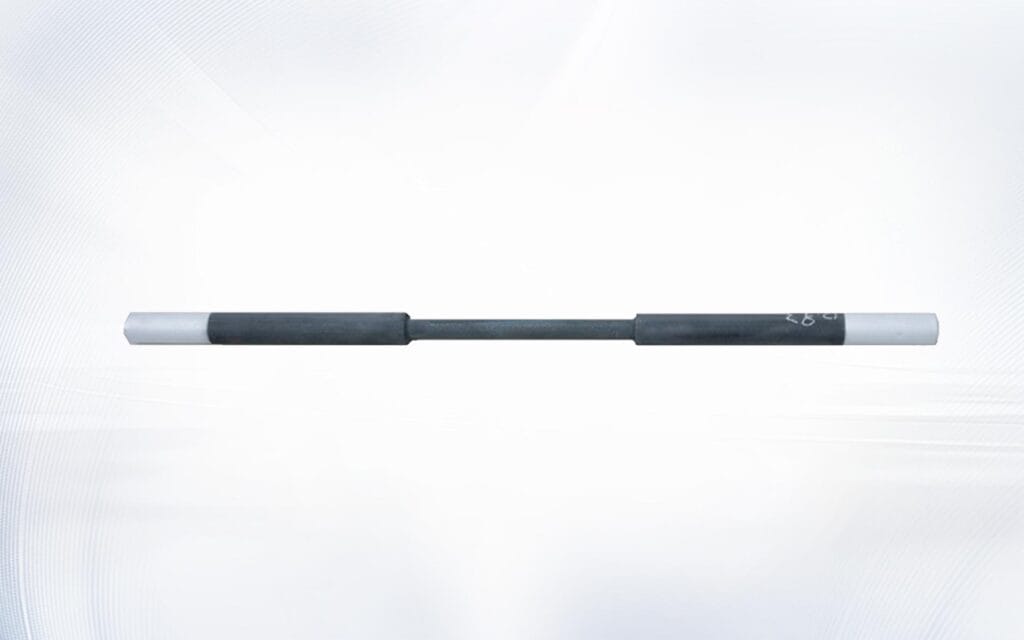
- Custom shapes including U-rods, multi-zone elements, and complex geometries
- Long-term reliability:
- Reduced downtime through extended operational lifespan
- Predictable performance characteristics simplify system design
- Lower total cost of ownership compared to frequent graphite replacements
- Technical support:
- Engineering expertise to optimize heating system design
- Application-specific recommendations for maximum efficiency
- Comprehensive installation and maintenance guidelines
Common Questions About Silicon Carbide and Graphite Rods
Can silicon carbide rods replace graphite rods in all applications?
While silicon carbide offers superior performance in most high-temperature applications, graphite still holds advantages in specific scenarios requiring:
- Extremely high electrical conductivity for electrode applications
- Maximum thermal conductivity in vacuum environments
- Low-cost solutions for intermittent, low-temperature use
However, for continuous high-temperature processes in oxidizing atmospheres, silicon carbide is the superior choice.
How to maintain and extend the life of silicon carbide rods
- Proper installation: Allow for thermal expansion and avoid mechanical stress
- Gradual heating: Implement controlled ramp-up cycles to prevent thermal shock
- Regular cleaning: Remove accumulated debris that can cause hot spots
- Voltage regulation: Adjust power supply to compensate for natural resistance increase over time
- Protective atmosphere: In particularly aggressive environments, consider controlled atmosphere operation
Are there environmental or safety concerns?
- Both materials are generally safe when used properly
- Silicon carbide produces minimal emissions during operation
- Graphite oxidation produces CO₂ emissions and requires proper ventilation
- Special handling is required for both materials due to their brittle nature
Tips for choosing the right rod supplier
- Look for manufacturing experience and technical expertise
- Verify quality certifications and testing protocols
- Evaluate custom design capabilities
- Assess lead times and supply chain reliability
- Consider after-sales support and maintenance services
Industry Trends and Innovations
Advances in Manufacturing Technology
Recent developments in silicon carbide production include:
- Advanced sintering techniques for improved material density
- Nanostructuring for enhanced thermal conductivity
- Coating technologies to further improve oxidation resistance
- Additive manufacturing capabilities for complex custom shapes
Emerging Applications
Silicon carbide rods are finding new applications in:
- Next-generation semiconductor manufacturing processes
- High-temperature electrolysis for green hydrogen production
- Advanced energy storage systems
- Aerospace and defense applications requiring extreme temperature resistance
Sustainability Trends
The industry is focusing on:
- Energy-efficient heating solutions to reduce carbon footprint
- Longer-lasting components to minimize waste generation
- Recycling programs for end-of-life silicon carbide materials
- Process optimization to reduce water and energy consumption in manufacturing
How to Buy High-Quality Silicon Carbide Rods
What to look for when selecting a manufacturer
- Technical expertise: Look for manufacturers with in-house engineering capabilities
- Quality certifications: ISO 9001, CE, and other relevant industry certifications
- Testing facilities: In-house testing ensures consistent performance
- Production capacity: Ability to fulfill both small and large orders
- Customer references: Positive feedback from similar industries
Importance of specifications
When purchasing silicon carbide rods, pay attention to:
- Temperature rating: Match to your maximum operating requirements
- Dimensions: Ensure proper fit with existing furnace configurations
- Resistance values: Critical for proper electrical system design
- Thermal conductivity: Affects heating efficiency and uniformity
Custom orders
Work with manufacturers to create:
- Custom shapes optimized for your specific heating pattern
- Special surface treatments for enhanced performance
- Multi-zone heating elements for complex temperature profiles
- Precision-toleranced components for laboratory applications
Conclusión
While graphite rods have served industrial heating needs for decades, silicon carbide rods represent a significant advancement in high-temperature heating technology. The superior oxidation resistance, longer lifespan, and greater durability of silicon carbide make it the preferred choice for most modern industrial heating applications.
When selecting between silicon carbide rods vs graphite rods, consider your specific operating environment, temperature requirements, and maintenance capabilities. For continuous high-temperature processes in oxidizing atmospheres, silicon carbide offers clear performance and cost advantages over time.
As a trusted manufacturer of high-quality silicon carbide rods, we specialize in providing customized heating solutions tailored to your unique requirements. Our engineering team works closely with clients to design optimal heating systems that maximize efficiency, minimize downtime, and reduce operating costs.
Contact us today to discuss your specific application needs and learn how our silicon carbide rod solutions can enhance your industrial heating processes. We offer comprehensive technical support, custom design services, and reliable delivery to ensure your operations run at peak performance.
Preguntas frecuentes
Q: What is the maximum operating temperature for silicon carbide rods?
A: Silicon carbide rods can operate continuously at temperatures up to 1600°C in oxidizing atmospheres, making them ideal for high-temperature industrial heating applications.
Q: How long do silicon carbide heating elements typically last?
A: With proper installation and maintenance, silicon carbide rods typically provide 2000+ hours of continuous operation, significantly longer than graphite alternatives in similar conditions.
Q: Can silicon carbide rods replace graphite rods in all applications?
A: While silicon carbide offers superior performance in most high-temperature applications, graphite still excels in electrode applications requiring maximum electrical conductivity or vacuum/inert atmosphere operations.
Q: What are the main advantages of silicon carbide rods over graphite?
A: Key advantages include superior oxidation resistance, longer operational lifespan, higher mechanical strength, better chemical corrosion resistance, and excellent thermal shock resistance compared to graphite.
Q: How should I maintain silicon carbide rods to extend their service life?
A: Implement gradual heating cycles, ensure proper installation allowing for thermal expansion, perform regular cleaning to remove debris, and adjust voltage as resistance naturally increases over time.