Table of Contents
Furnace atmosphere SiC heating elements are often discussed only after a failure has already happened. A buyer may report that the rod became brittle, resistance changed quickly, the surface color looked unusual, or one zone aged faster than the others. In many cases, the element type is only part of the answer. The gases, vapors, moisture, dust, process materials, and cycling pattern around the element can strongly influence service life.
This article explains what buyers should check before ordering furnace atmosphere SiC heating elements. It is intended for high-temperature furnace users, kiln builders, procurement teams, and maintenance engineers who need a clear inquiry rather than broad theory. For available element designs, start with Qixiang Material’s silicon carbide heating elements category, then compare the furnace environment with the notes below.
Why furnace atmosphere matters
Silicon carbide is widely used in high-temperature heating because it can operate in demanding furnace conditions. General material background is available from Wikipedia’s silicon carbide overview. In real furnaces, however, performance depends not only on the material name but also on the surrounding atmosphere. Furnace atmosphere SiC heating elements may age differently in clean air, humid air, process fumes, or areas with deposits from the heated material.
When an element operates, its surface condition changes over time. Some change is expected. The concern is whether the atmosphere accelerates aging or creates uneven surface reaction. If one wall of the furnace has more vapor, dust, or leakage than another wall, furnace atmosphere SiC heating elements in that area may show faster resistance increase or more visible surface damage.
Common atmosphere conditions to describe
A useful inquiry should describe the atmosphere in plain language. Do not stop at the word air if the process releases vapors or dust. For example, ceramic firing, glass processing, powder metallurgy, heat treatment, and laboratory furnaces may all use electric heating, but the atmosphere near the element can be very different. The general topic of furnace operation is broad; industrial furnace background can help non-specialists understand the equipment category, but the supplier still needs site-specific details.
When discussing furnace atmosphere SiC heating elements, include whether the furnace is normally dry or humid, whether the door opens frequently, whether binders or coatings burn out, whether process gases are introduced, and whether the chamber has visible deposits. Also note whether the furnace is continuous or batch type. Frequent cycling can create different stress than steady high-temperature operation.
| Atmosphere detail | Why it helps selection | Buyer note to send |
|---|---|---|
| Clean air or process fumes | Changes surface exposure | Describe material being heated |
| Moisture level | May affect aging behavior | Dry, humid, steam, or door opening |
| Deposits on elements | Can create uneven heating | Send photos of surface condition |
| Continuous or cyclic operation | Affects thermal stress | Record heating and cooling frequency |
Surface condition and resistance aging
Resistance aging is normal for silicon carbide elements, but the rate and uniformity matter. If furnace atmosphere SiC heating elements age evenly, the control system can often be adjusted within the design range. If a few elements age much faster, the furnace may develop cold spots, hot spots, or unstable load sharing. Qixiang’s silicon carbide heating element resistance guide explains the practical importance of resistance change during service.
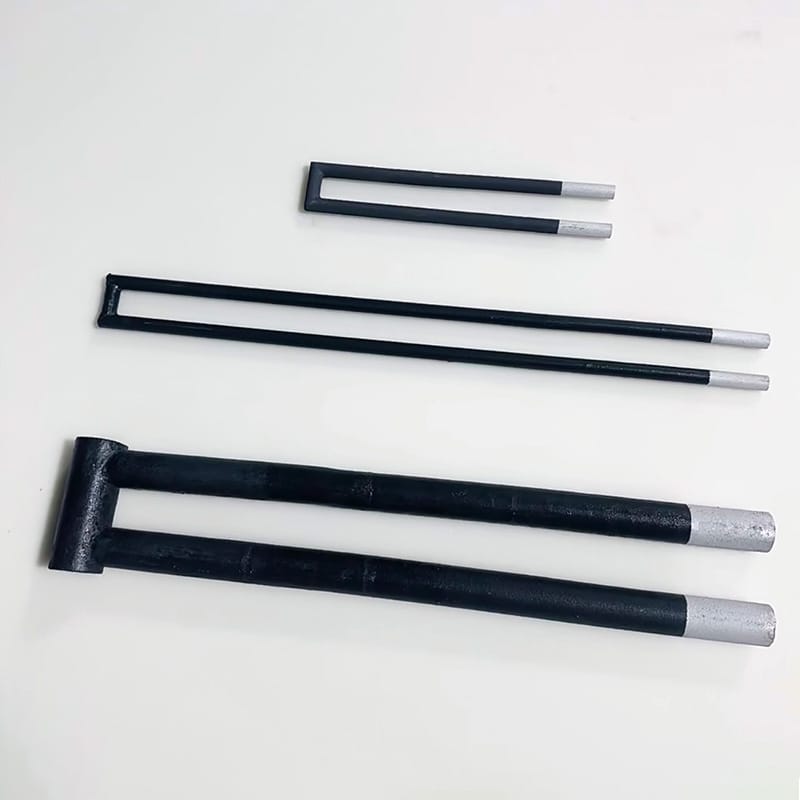
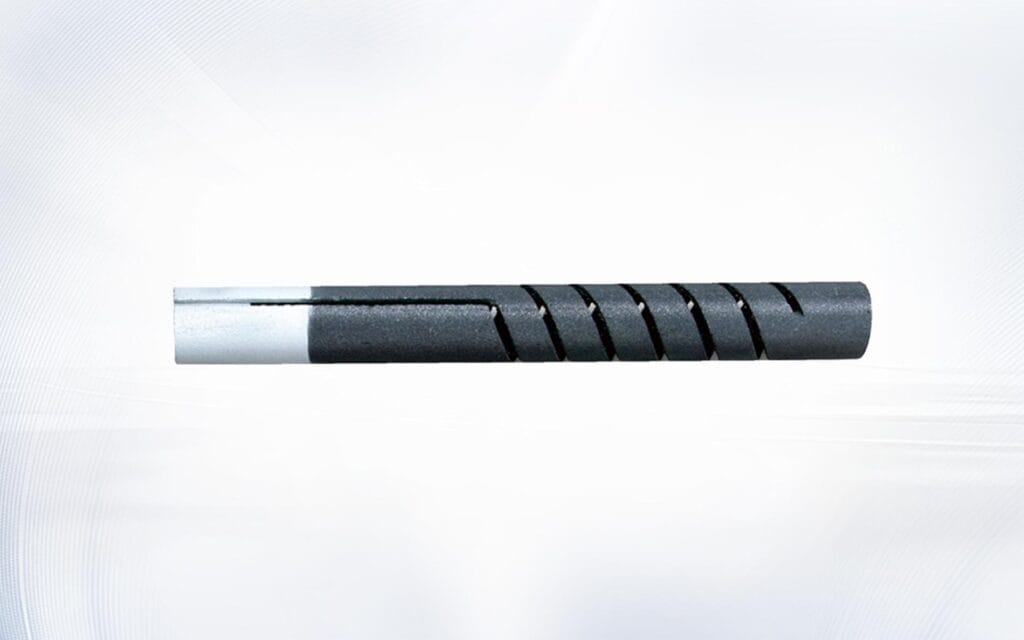
Surface inspection is useful because deposits and discoloration may indicate atmosphere or process changes. A rough layer, heavy powder buildup, or unusual localized mark should be photographed before cleaning or discarding the old element. The photos help the supplier understand whether the issue is related to atmosphere, support, wiring, or furnace layout. When the atmosphere is difficult, the buyer may need a special shape or installation arrangement, such as an SG type silicon carbide rod, an SGR type silicon carbide rod, or another design.
Information buyers should send
The best purchase inquiry for furnace atmosphere SiC heating elements combines dimensions, electrical information, furnace operation, and atmosphere details. Drawings are helpful, but they do not tell the whole story. A supplier also needs the maximum working temperature, normal setpoint, voltage, quantity per zone, installation direction, furnace use, and any visible failure pattern.
Temperature measurement should be treated carefully. A controller display may not show the highest temperature near the rod. Reference information from NIST on temperature measurement is useful for general understanding, while plant engineers should rely on calibrated instruments and their own furnace procedure. If the actual element zone temperature is higher than expected, furnace atmosphere SiC heating elements may age faster even if the order dimensions are correct.
- Total length, hot-zone length, cold-end length, diameter, and terminal details.
- Operating temperature, maximum temperature, and heating cycle.
- Atmosphere description, including fumes, moisture, gases, deposits, or burnout materials.
- Electrical supply, resistance data if available, and number of elements per control zone.
- Photos of installed elements, failed elements, supports, terminals, and chamber deposits.
- Whether old and new elements will be mixed in one furnace zone.
Buyers sometimes send only a sample element or a short dimension list. That can work for a simple repeat order, but it is not enough when furnace atmosphere SiC heating elements are failing sooner than expected. In that case, the purchasing note should explain what changed before the problem appeared. A new raw material, higher setpoint, faster heating curve, tighter loading pattern, or modified exhaust path can all affect the atmosphere around the element. The more clearly this is described, the easier it is to separate a product selection issue from a furnace operation issue.
It is also helpful to compare elements from different positions in the same furnace. If all furnace atmosphere SiC heating elements show similar aging, the change may be part of normal service life or overall furnace conditions. If only one side, one level, or one control zone shows damage, the cause may be local airflow, deposits, insulation wear, or a wiring imbalance. That distinction helps avoid ordering the same replacement again without correcting the root condition.
Maintenance response when conditions change
When the process changes, maintenance planning should change with it. A new product, coating, binder, firing curve, or door-opening pattern can alter the furnace atmosphere. If furnace atmosphere SiC heating elements begin aging faster after a process change, the team should review the entire heating system rather than blaming only the element batch. The U.S. Department of Energy’s process heating resources provide a useful broader view of industrial heating systems.
Electrical safety also remains important during inspection and replacement. Lockout and isolation procedures should be followed before handling elements or terminal hardware; OSHA’s control of hazardous energy page is a practical general reference. After safe isolation, inspect clamps, straps, holders, and wiring. Qixiang Material’s accessories category can help teams plan replacement hardware along with the main elements.
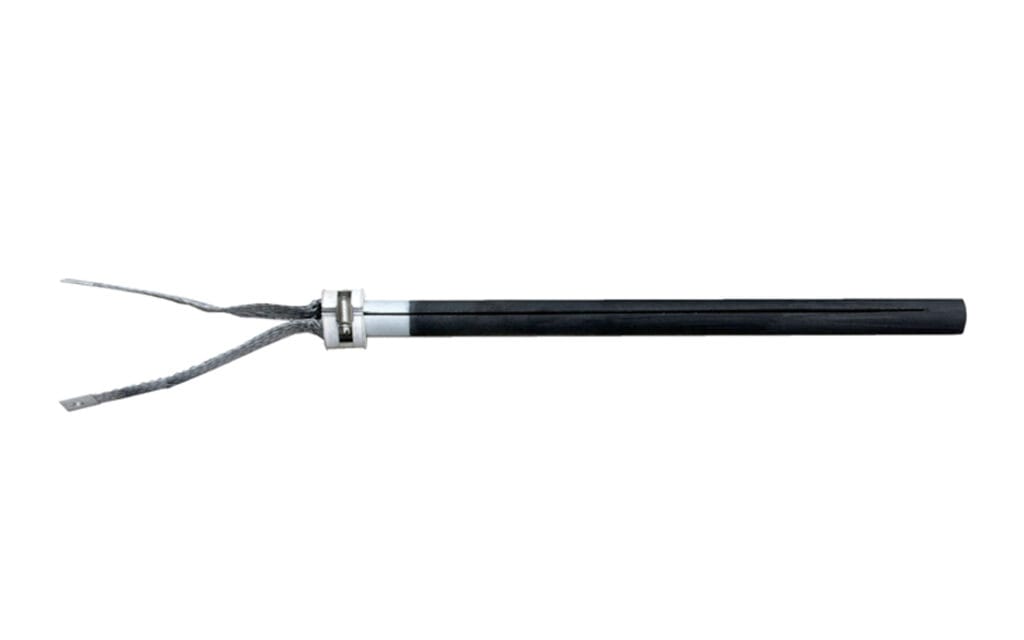
For procurement teams, the phrase furnace atmosphere SiC heating elements should connect directly to the real furnace environment, not just the catalog category. When a buyer explains atmosphere, deposits, cycling, and temperature together, the supplier can judge whether standard furnace atmosphere SiC heating elements are suitable or whether the layout and accessory package need adjustment.
This is why a strong inquiry for furnace atmosphere SiC heating elements includes both dimensions and process notes. The goal is not to overcomplicate the order; it is to prevent furnace atmosphere SiC heating elements from being selected without the operating context that affects aging, resistance change, and surface condition.
Summary for purchasing teams
Furnace atmosphere SiC heating elements should be selected with more than dimensions alone. Atmosphere, temperature, cycling pattern, deposits, wiring condition, and resistance balance all influence the result. A clear inquiry helps the supplier recommend a more suitable element and helps the buyer avoid repeated troubleshooting.
Before ordering, collect photos, drawings, electrical data, and a plain-language description of what happens inside the furnace. If the atmosphere has changed or the failure pattern is concentrated in one zone, include that information. For support with furnace atmosphere SiC heating elements, send your details through Qixiang Material’s contact page so the application can be reviewed before production.