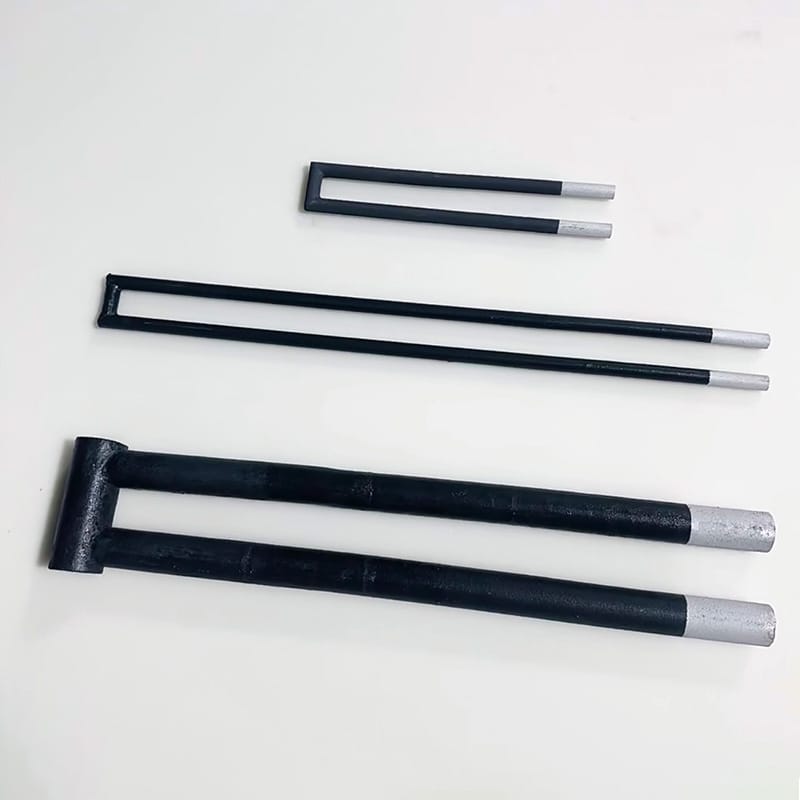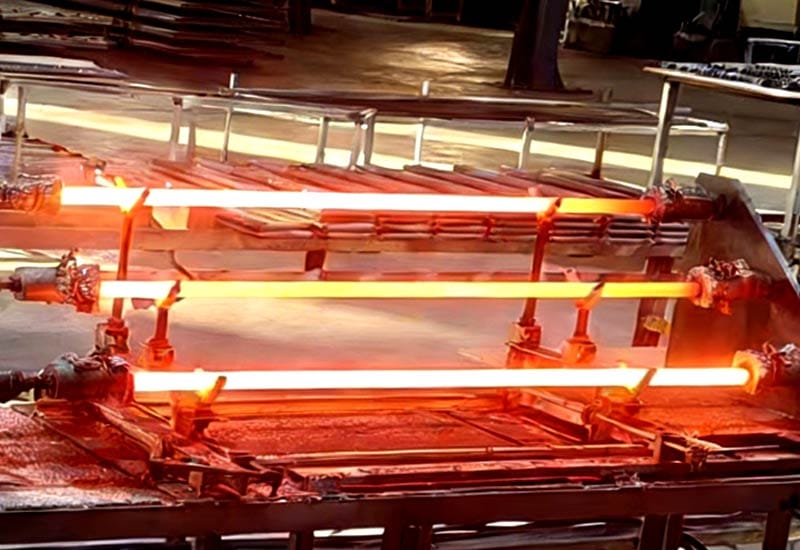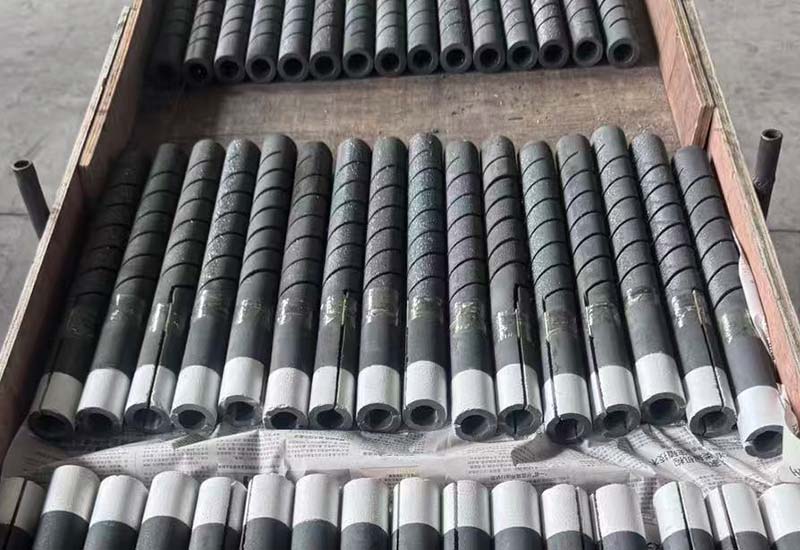
Industrial SiC heater elements are widely used in high-temperature furnace systems where stability, durability, and energy efficiency are critical. As a professional manufacturer of industrial SiC heating solutions, we focus on producing reliable heating elements designed for demanding applications such as ceramics, metallurgy, glass processing, and heat treatment industries. This article explains the maximum operating temperature, lifespan factors, manufacturing process, and practical selection guidance to help industrial buyers make informed decisions and improve search visibility for related technical queries.
Table of Contents
Industrial SiC Heater Element Overview and Manufacturer Background
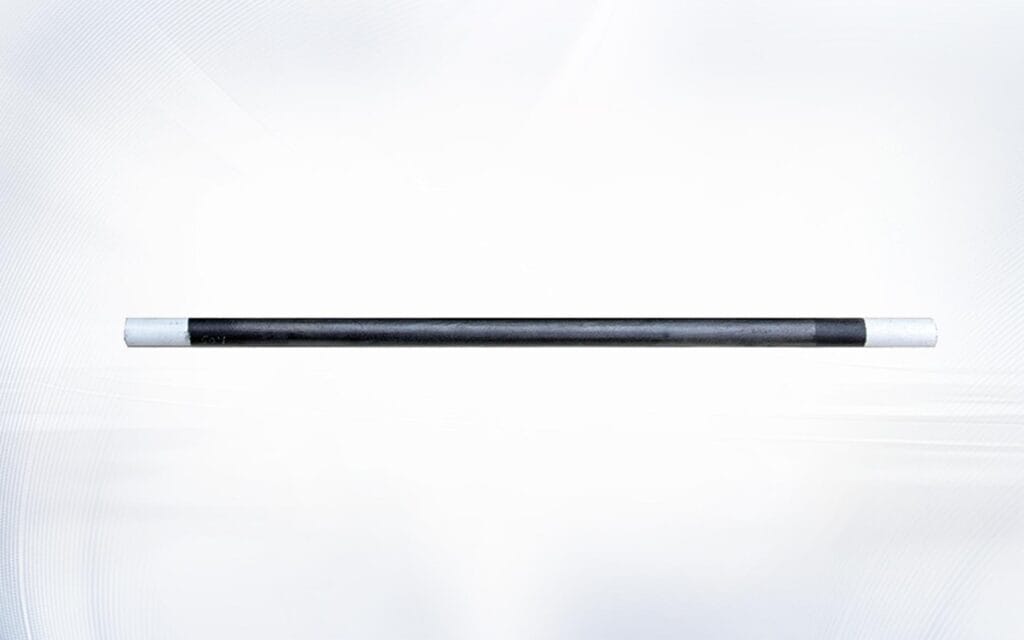
Industrial silicon carbide (SiC) heater elements are non-metallic resistance heating components made from high-purity silicon carbide materials. They are designed to operate in extremely high-temperature environments where traditional metal heating elements cannot perform reliably.
As a manufacturer, our focus is on ensuring consistent material quality, controlled resistance values, and stable performance across long-term industrial usage. The demand for industrial SiC heater elements continues to grow due to their ability to deliver:
- Stable high-temperature performance
- Long service life under continuous operation
- Excellent oxidation resistance
- High thermal efficiency in furnace systems
Unlike general heating components, industrial-grade SiC heater elements are engineered for precision-controlled furnace environments where temperature uniformity and reliability are essential.
Working Principle of Silicon Carbide Heating Elements
Industrial SiC heater elements operate based on electrical resistance heating. When electric current passes through the silicon carbide material, heat is generated due to its inherent resistive properties.
Key working characteristics include:
- Electrical resistance increases gradually with temperature
- Heat is distributed evenly along the heating rod
- Stable thermal output under controlled voltage conditions
- Suitable for continuous high-temperature furnace operation
This stable resistance behavior makes SiC heating elements ideal for industrial furnaces that require precise thermal control.
Maximum Operating Temperature of Industrial SiC Heater Elements
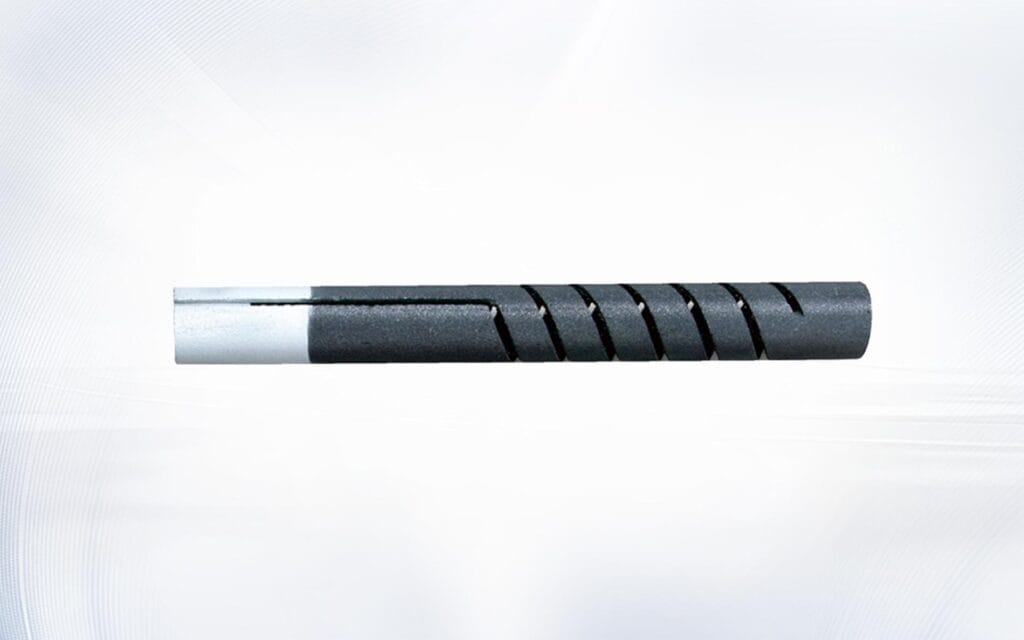
One of the most important performance indicators for SiC heating elements is their maximum operating temperature. In most industrial applications, SiC heater elements can operate effectively in the range of:
- 1200°C to 1600°C for standard industrial use
- Up to 1650°C for high-grade SiC materials under controlled conditions
However, actual performance depends on furnace atmosphere, load density, and operating stability.
Temperature Performance Overview
| Parameter | Typical Range | Industrial Impact |
|---|---|---|
| Maximum Operating Temperature | 1600°C–1650°C | Determines furnace capability |
| Recommended Continuous Use | 1400°C–1500°C | Ensures longer lifespan |
| Overload Risk Threshold | Above rated temp | Causes accelerated aging |
| Temperature Stability | High under control | Critical for product quality |
Temperature Limit vs Real Operation
In real industrial environments, continuous operation near maximum temperature can shorten lifespan. Therefore, it is recommended to operate within a safe margin below rated limits to ensure stable performance and reduce thermal stress.
Lifespan Factors of SiC Heating Elements in Industrial Use
The lifespan of industrial SiC heater elements is influenced by multiple technical and operational factors. Under proper usage, they can provide long-term stable heating performance.
Key factors affecting lifespan include:
- Material purity and grain structure
- Furnace voltage and load distribution
- Thermal cycling frequency
- Operating atmosphere (oxidizing or reducing conditions)
- Installation quality and mechanical stress
Common Causes of Reduced Lifespan
- Excessive voltage overload
- Frequent rapid heating and cooling cycles
- Poor electrical connection stability
- Incorrect installation alignment in furnace systems
Proper control of these factors significantly extends service life and improves operational reliability.
Manufacturing Process of Industrial SiC Heater Elements
As a dedicated manufacturer, production consistency and material control are essential to ensuring product performance.
The manufacturing process typically includes:
- Raw silicon carbide material selection
- High-temperature forming and sintering
- Resistance adjustment and calibration
- Precision machining of heating rods
- Quality inspection and electrical testing
Each step directly affects the final performance of the heating element, especially in terms of resistance stability and high-temperature endurance.
Importance of Manufacturing Control
Stable production processes ensure:
- Consistent heating performance across batches
- Reduced failure rates in industrial applications
- Improved energy efficiency in furnace systems
- Longer operational lifespan
Industrial Applications of SiC Heater Elements
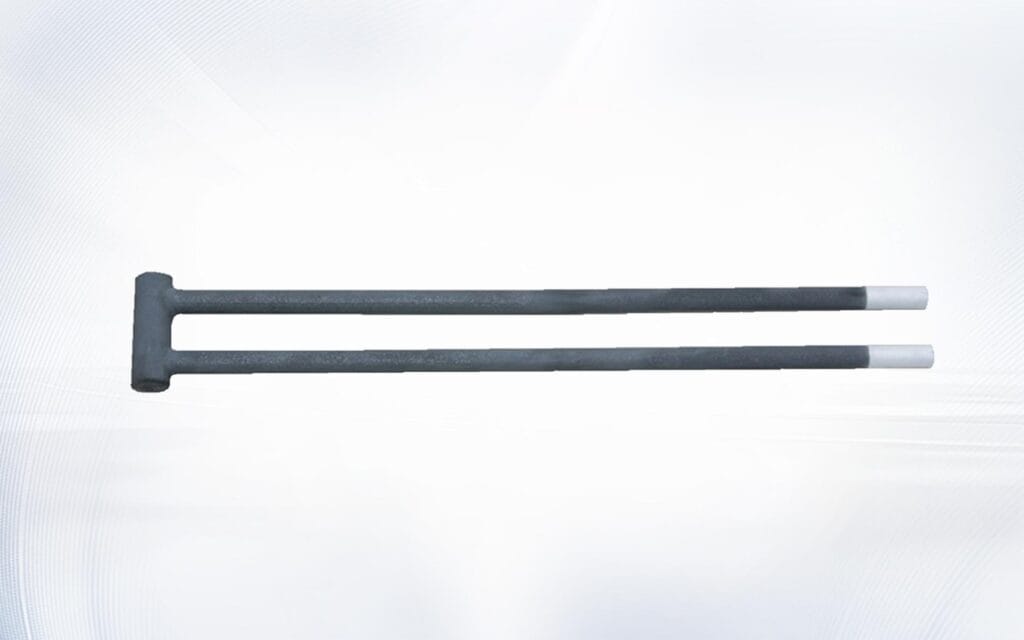
Industrial SiC heating elements are widely used across multiple high-temperature industries due to their durability and efficiency.
Typical applications include:
- Ceramic kiln firing systems
- Glass melting furnaces
- Metallurgical heat treatment furnaces
- Laboratory high-temperature equipment
- Sintering and annealing processes
Industry-Specific Requirements
Different industries require different heating performance levels:
- Ceramic industry: stable long-cycle heating
- Metallurgy: high thermal resistance and durability
- Glass industry: uniform temperature distribution
- Laboratory use: precise temperature control
SiC Heater Element vs Other High-Temperature Heating Materials
When compared with other heating technologies such as molybdenum disilicide (MoSi2) elements, SiC heater elements offer a balanced combination of cost efficiency and performance stability.
| Feature | SiC Heater Element | MoSi2 Heater Element |
|---|---|---|
| Maximum Temperature | Up to 1650°C | Up to 1800°C |
| Cost Efficiency | High | Medium to high |
| Oxidation Resistance | Strong | Strong |
| Maintenance Requirement | Moderate | Lower |
| Application Range | Wide industrial use | Ultra-high temperature systems |
SiC heating elements remain the preferred choice for many industrial furnace applications due to their cost-performance balance.
How to Extend the Lifespan of Industrial SiC Heater Elements
Proper operation and maintenance play a key role in extending service life.
Recommended practices include:
- Gradual heating and cooling to avoid thermal shock
- Maintaining stable voltage supply
- Avoiding overload conditions
- Regular inspection of furnace connections
- Ensuring proper installation alignment
Best Industrial Operating Practices
- Use controlled ramp-up heating programs
- Avoid sudden power fluctuations
- Keep furnace atmosphere stable
- Replace worn components in time
These practices significantly improve operational efficiency and reduce downtime.
Choosing the Right Industrial SiC Heater Element Manufacturer
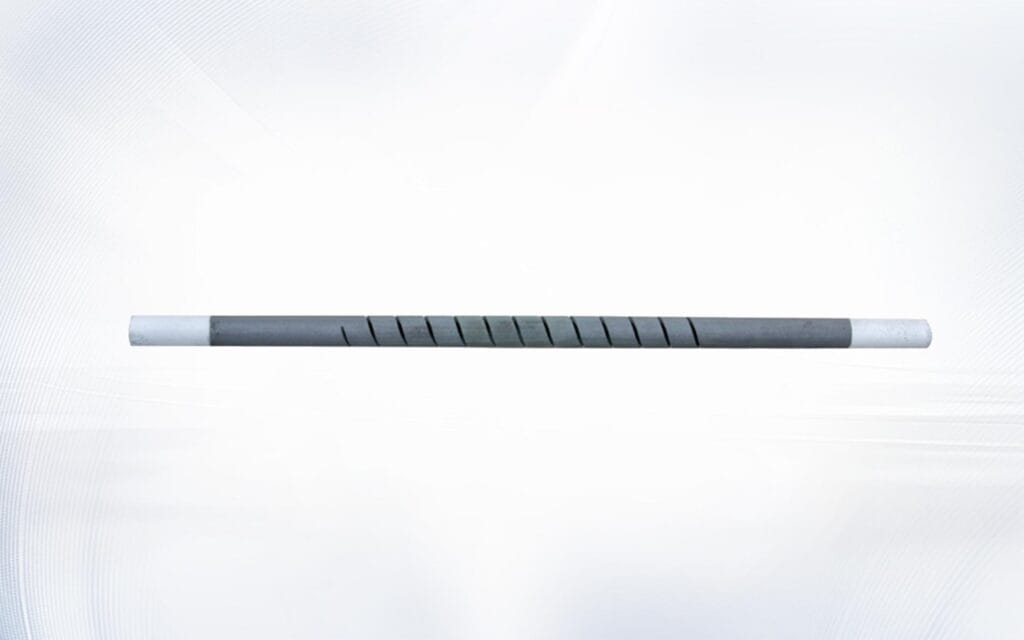
Selecting a reliable manufacturer is essential for ensuring consistent quality and long-term furnace performance.
Key evaluation factors include:
- Production capability and technical experience
- Material quality control system
- Customization ability for different furnace designs
- Testing standards and quality certification
- Stable supply capacity for bulk orders
A professional manufacturer ensures not only product quality but also long-term operational stability for industrial users.
Conclusion
Industrial SiC heater elements are essential components in modern high-temperature furnace systems. Their performance is defined by maximum operating temperature, material quality, manufacturing precision, and correct usage conditions. When properly selected and operated, they provide stable heating performance, extended lifespan, and high energy efficiency across multiple industrial applications.
As a dedicated manufacturer of industrial SiC heater elements, we continuously focus on improving production processes, maintaining strict quality control, and delivering customized solutions for global industrial furnace requirements. Choosing the right supplier and understanding the technical parameters can significantly enhance furnace efficiency and long-term operational performance.
FAQ
What is an industrial SiC heater element used for?
Industrial SiC heater elements are used in high-temperature furnace systems such as ceramic kilns, glass melting furnaces, metallurgy heat treatment equipment, and laboratory heating applications.
What is the maximum temperature of an industrial SiC heater element?
Most industrial SiC heater elements can operate between 1200°C and 1600°C, with high-grade models reaching up to 1650°C under controlled furnace conditions.
How long does an industrial SiC heater element last?
The lifespan typically ranges from several months to years depending on operating temperature, load conditions, thermal cycling frequency, and installation quality.
What affects the performance of a SiC heater element?
Key factors include material purity, furnace atmosphere, voltage stability, load density, and proper installation. Poor operating conditions can significantly reduce efficiency and lifespan.
How do I choose the right industrial SiC heater element supplier?
A reliable supplier should offer stable product quality, strict manufacturing control, customization options, and proven experience in high-temperature furnace applications.