Table of Contents
Introduction
Heating elements are the heart of industrial furnaces, laboratory equipment, and various thermal processing systems. As a leading heating element manufacturer, we understand that choosing the right heating element technology is crucial for operational efficiency, cost-effectiveness, and product quality. Among the various options available, two primary materials dominate the market: Silicon Carbide (SiC) and metal heating elements. This comprehensive comparison guide will help you make an informed decision based on your specific application requirements, whether you’re running a high-temperature furnace, ceramic kiln, or precision laboratory equipment.
What Are Silicon Carbide Heating Elements?
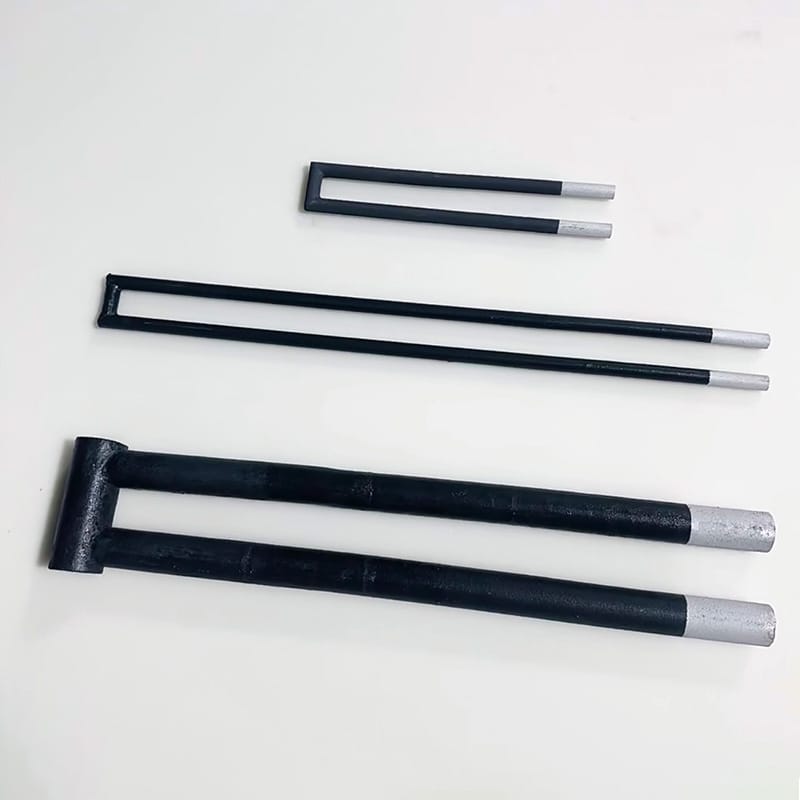
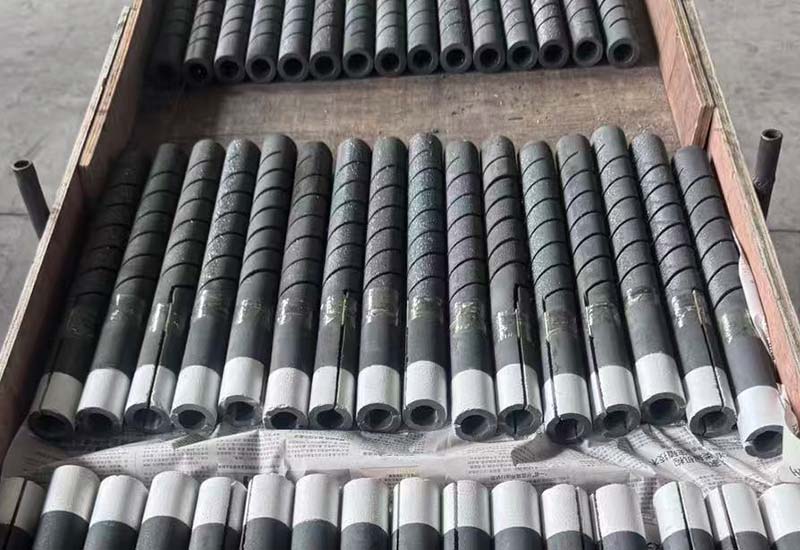
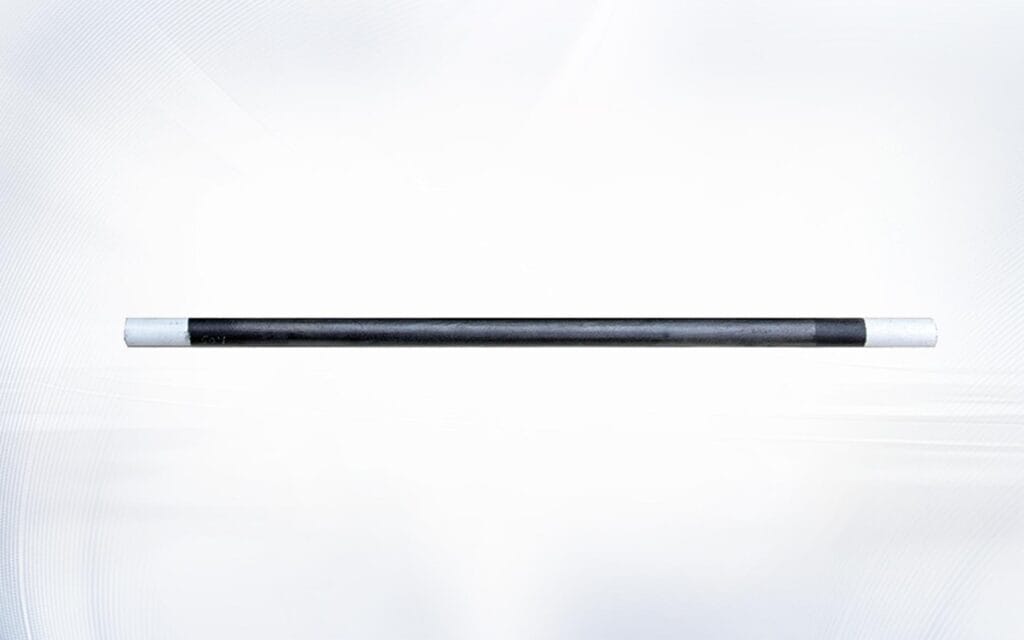
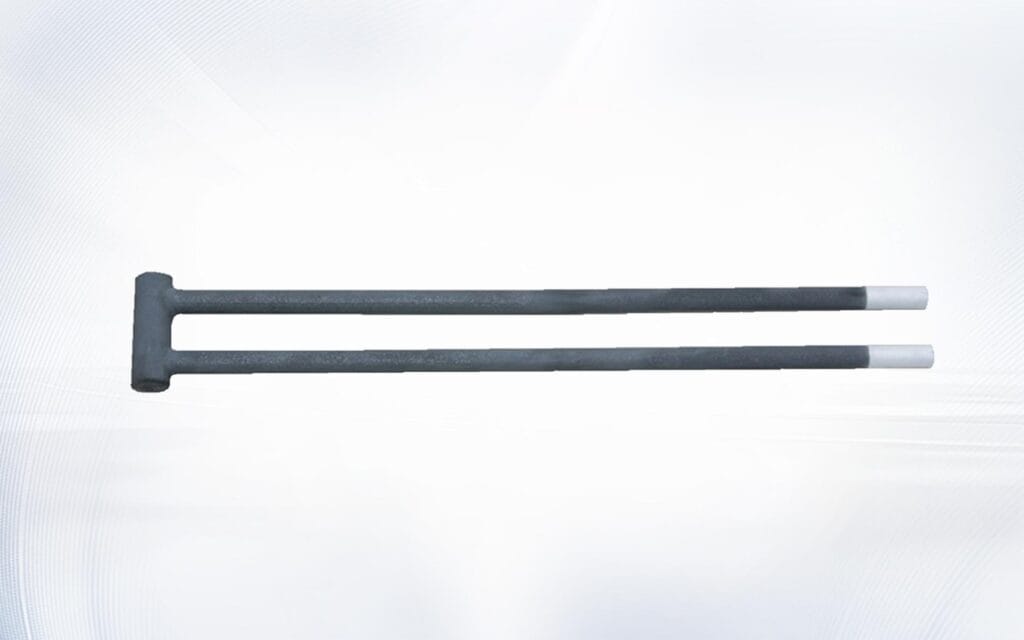
Silicon carbide heating elements represent the pinnacle of high-temperature heating technology. These elements are constructed from pure silicon carbide, a compound material formed by combining silicon and carbon at extremely high temperatures. The resulting SiC heating element boasts exceptional properties that make it ideal for demanding applications where conventional metal elements would fail.
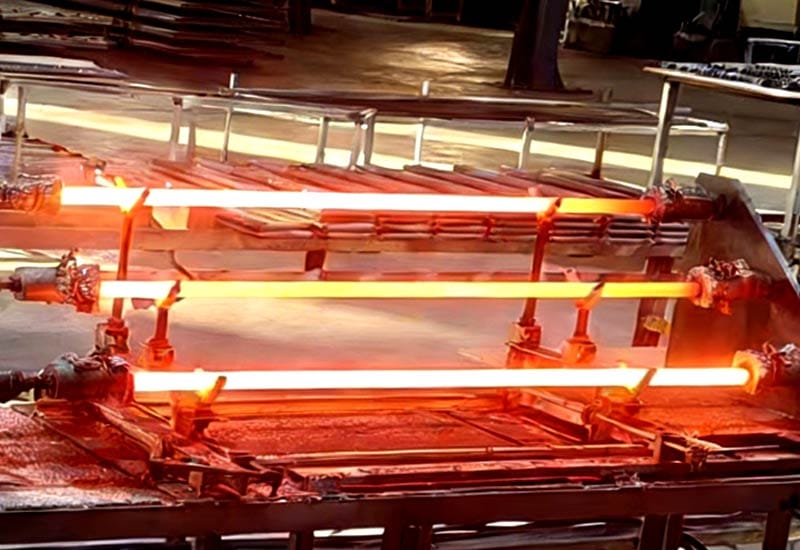
Key applications include high-temperature furnaces operating above 1400°C, ceramic kilns for advanced ceramics production, semiconductor processing equipment, and specialized laboratory furnaces. The technical specifications of premium SiC heating elements typically include continuous operation at temperatures up to 1650°C, rapid heating rates, and remarkable thermal shock resistance. The intrinsic properties of silicon carbide give these elements superior thermal stability, with minimal resistance drift over their extended service life.
What Are Metal Heating Elements?
Metal heating elements have been the traditional workhorse of industrial heating for decades. The most common types include nickel-chromium (NiCr) alloys, iron-chromium-aluminum (FeCrAl) alloys, and various specialized alloys designed for specific applications. These elements are typically available in wire, ribbon, or strip forms, offering excellent flexibility in design and installation.
Temperature capabilities vary significantly among metal heating elements. Standard nickel-chromium alloys typically operate effectively up to 1200°C, while advanced iron-chromium-aluminum alloys can reach temperatures of 1400°C. Common industrial applications include heat treatment furnaces, food processing equipment, plastic processing machinery, and general-purpose heating systems. Metal elements excel in applications requiring precise temperature control, rapid thermal cycling, and where initial cost considerations are paramount.
Performance Comparison: SiC vs Metal
Temperature Resistance Comparison
The most significant difference between SiC and metal heating elements lies in their temperature capabilities. Silicon carbide heating elements can withstand continuous operation at temperatures ranging from 1600–1700°C, with some specialized grades designed for short-term exposure up to 1800°C. This exceptional temperature resistance makes SiC elements indispensable for applications involving ceramic sintering, glass melting, and advanced material processing.
In contrast, even the most advanced metal heating elements face substantial limitations above 1400°C. Extended operation near their maximum temperature limits significantly reduces their service life and increases the risk of premature failure. This temperature constraint often forces manufacturers to compromise on process temperatures or accept more frequent element replacement when using metal heating solutions.
Thermal Efficiency
Thermal efficiency plays a critical role in operational costs and process consistency. Silicon carbide heating elements demonstrate superior thermal characteristics due to their high emissivity and stable electrical resistance across their operating temperature range. This stability translates to consistent heat output and predictable power consumption throughout the element’s service life.
Metal heating elements typically exhibit more variable thermal performance due to resistance changes with temperature and aging. While they offer rapid initial heating, their efficiency often degrades over time as oxidation and material changes affect their electrical properties. This variability can lead to increased energy consumption and less uniform temperature distribution in critical applications.
Durability and Maintenance
The durability characteristics of heating element materials directly impact maintenance schedules and operational downtime. Silicon carbide heating elements exhibit exceptional resistance to oxidation and thermal shock, even under extreme cycling conditions. Their robust crystalline structure resists cracking and mechanical damage, providing reliable performance in harsh industrial environments.
Metal heating elements, while initially more ductile and resistant to mechanical impact, are prone to oxidation at elevated temperatures. This oxidation leads to gradual material degradation, embrittlement, and eventual failure. The maintenance burden for metal elements typically includes more frequent replacement cycles, cleaning procedures to remove oxidation products, and careful handling during installation to prevent damage.
Advantages of Using SiC Heating Elements
The adoption of silicon carbide heating elements offers compelling advantages that justify their initial investment. Enhanced thermal efficiency directly translates to reduced energy consumption and lower operating costs over the long term. In high-temperature applications, SiC elements can achieve energy savings of 15-30% compared to metal alternatives, making them economically attractive despite higher upfront costs.
The extreme temperature capability of industrial SiC heating elements enables processes that are simply impossible with metal elements. This advantage opens doors to advanced materials processing, higher quality ceramic production, and improved product characteristics in glass manufacturing. The extended service life of SiC elements—often three to five times longer than metal equivalents—dramatically reduces maintenance requirements and operational interruptions.
Manufacturers benefit from reduced downtime, fewer replacement cycles, and more predictable production schedules. Additionally, the stable performance characteristics of SiC heating elements contribute to improved process control and product quality consistency, adding further value beyond direct cost savings.
Common Issues with Heating Elements and Solutions
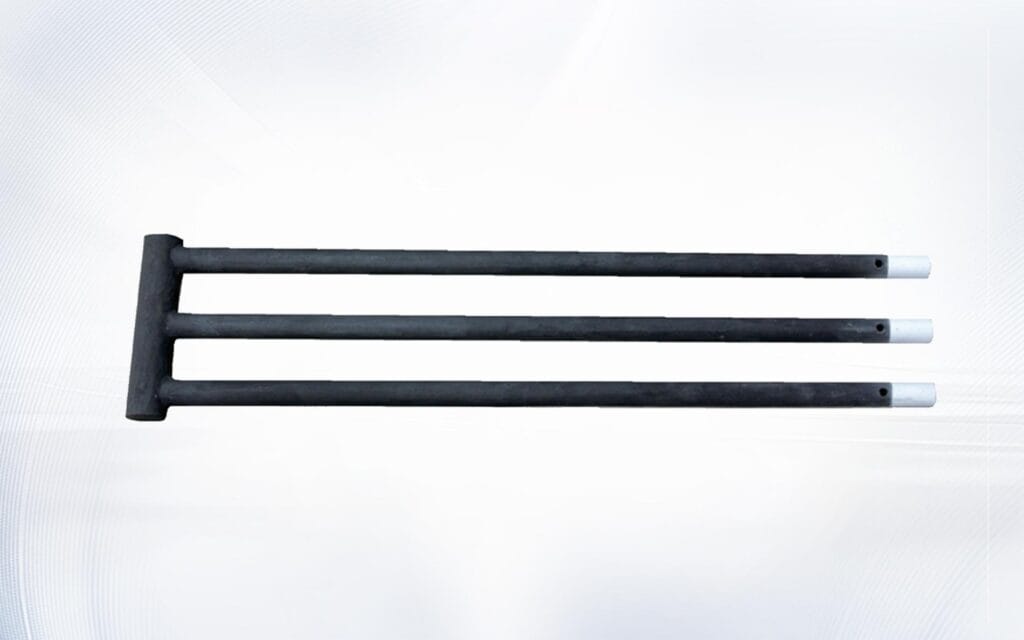
Even the most robust heating elements can encounter problems during their service life. Silicon carbide heating elements, while highly durable, can suffer from cracking or breakage due to thermal shock, improper installation, or mechanical stress during operation. Proper installation techniques, including appropriate mounting methods and controlled heating rates during startup, significantly reduce the risk of these issues.
Metal heating elements commonly face oxidation-related challenges, especially when operated near their temperature limits. Signs of degradation include reduced power output, increased resistance, and visible surface discoloration. Regular monitoring of electrical characteristics and implementing controlled heating cycles can help extend metal element service life.
For SiC heating element troubleshooting, manufacturers should focus on monitoring power consumption patterns, checking for uniform heating distribution, and inspecting mounting systems for proper alignment. Metal elements require regular visual inspections for oxidation buildup, resistance measurements to detect degradation, and protective atmosphere consideration when operating at elevated temperatures.
How to Choose the Right Heating Element
Selecting the optimal heating element requires careful consideration of multiple factors specific to your application. Laboratory environments often prioritize precise temperature control and uniformity, making metal elements attractive for moderate temperature applications. However, high-temperature research and advanced material processing may necessitate the superior capabilities of SiC heating elements.
Industrial furnace applications must balance temperature requirements, continuous operation needs, and total cost of ownership. For processes above 1400°C, SiC heating elements become the logical choice despite their higher initial cost. Below this temperature threshold, metal elements may provide adequate performance at lower upfront investment, particularly in applications with shorter operational cycles.
Custom SiC heating element manufacturers can tailor solutions to specific application requirements, optimizing element geometry, resistance values, and mounting configurations for maximum efficiency. When selecting a high temperature heating element, consider your long-term operational goals, energy consumption targets, and maintenance capabilities alongside immediate budget considerations.
Key Selection Criteria
| Selection Factor | Silicon Carbide Elements | Metal Heating Elements |
|---|---|---|
| Maximum Temperature | Up to 1700°C continuous | Up to 1400°C (advanced alloys) |
| Service Life | 5,000-15,000+ hours | 1,000-5,000 hours |
| Initial Cost | Higher investment | Lower initial cost |
| Energy Efficiency | Superior efficiency | Moderate efficiency |
| Temperature Stability | Excellent stability | Variable with aging |
| Thermal Shock Resistance | Excellent | Moderate to good |
| Maintenance Requirements | Low | Moderate to high |
| Best Applications | High-temperature processes, ceramics, glass | Heat treatment, food processing, moderate temperature applications |
Purchasing Tips and Manufacturer Insights
When sourcing heating elements, selecting the right supplier is as important as choosing the correct technology. Direct manufacturer engagement offers distinct advantages, including technical expertise, customization capabilities, and quality assurance that distributors may not provide. Experienced manufacturers can provide valuable guidance on element selection, installation procedures, and operational best practices.
For industrial SiC heating element procurement, establish clear specifications including temperature requirements, power needs, dimensional constraints, and operating environment conditions. Request detailed documentation on material specifications, performance characteristics, and expected service life under your specific operating conditions.
Bulk purchasing strategies can significantly impact overall costs, particularly for facilities with multiple heating units or scheduled replacement programs. When you buy SiC heating elements online, ensure you’re dealing with reputable manufacturers who provide comprehensive technical support and warranty coverage. Industrial SiC heating element suppliers should offer application engineering assistance to optimize performance for your specific requirements.
Applications Where SiC Heating Elements Excel
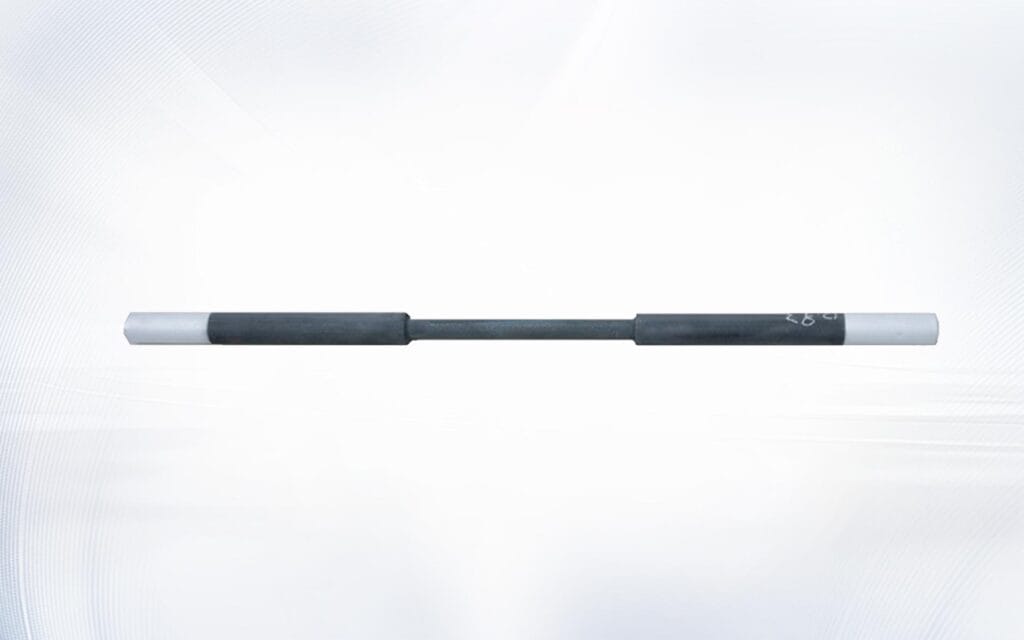
Silicon carbide heating elements demonstrate exceptional performance across numerous demanding applications. High-temperature furnaces for ceramic sintering and firing represent ideal environments for SiC elements, where temperatures routinely exceed 1500°C and prolonged operation at peak temperatures is required. The uniform heating characteristics and long service life of SiC elements contribute significantly to consistent ceramic quality and reduced production interruptions.
Chemical processing applications, including catalyst activation and chemical vapor deposition systems, benefit from the oxidation resistance and stable performance of SiC heating elements. In the glass industry, SiC elements enable precise temperature control in melting and forming processes, where material purity and process consistency are critical.
Specialized laboratory equipment, including crystal growth furnaces, material research reactors, and high-temperature testing apparatus, relies on the precise and reliable performance that only SiC heating elements can provide. The combination of extreme temperature capability, thermal stability, and long service life makes SiC elements the preferred choice for cutting-edge research and development applications.
Conclusion
The choice between silicon carbide and metal heating elements fundamentally comes down to application requirements and long-term operational considerations. While metal heating elements offer lower initial costs and adequate performance for moderate temperature applications, silicon carbide heating elements provide superior performance in high-temperature environments, delivering better energy efficiency, longer service life, and more consistent operation.
For manufacturers and facility managers focused on optimizing total cost of ownership, minimizing maintenance requirements, and achieving the highest levels of process quality, SiC heating elements represent the superior investment. Their exceptional temperature capabilities, thermal stability, and durability make them indispensable for demanding industrial applications.
As a custom SiC heating element manufacturer, we invite you to contact our technical team to discuss your specific heating requirements. Our expertise in high-temperature heating technology ensures that you’ll receive the optimal solution tailored to your application needs, maximizing performance and minimizing lifetime costs.
FAQ
Q: What is the maximum operating temperature of silicon carbide heating elements?
A: Silicon carbide heating elements can operate continuously at temperatures up to 1650-1700°C, with some specialized grades capable of short-term exposure up to 1800°C.
Q: How long do silicon carbide heating elements typically last?
A: The service life of SiC heating elements ranges from 5,000 to over 15,000 hours of operation, depending on usage conditions, temperature cycling, and proper maintenance.
Q: Are silicon carbide heating elements more expensive than metal heating elements?
A: While SiC elements have a higher initial cost, their longer service life and superior energy efficiency often result in lower total cost of ownership over time.
Q: What makes silicon carbide heating elements suitable for high-temperature applications?
A: Their exceptional thermal stability, oxidation resistance, and minimal resistance drift at elevated temperatures make SiC elements ideal for extreme temperature environments.
Q: Can silicon carbide heating elements be customized for specific applications?
A: Yes, custom SiC heating elements can be manufactured with specific dimensions, resistance values, and mounting configurations to optimize performance for particular industrial or laboratory requirements.