Choosing a heating element for a high-temperature furnace is not only about reaching the highest possible temperature. For industrial buyers, laboratory furnace users, and kiln operators, the more important question is whether the heating element can support stable temperature control, predictable service life, suitable atmosphere compatibility, and practical maintenance.
This is where the molybdenum disilicide heating element becomes important.
A molybdenum disilicide heating element, often called a MoSi2 heating element, is widely used in high-temperature electric furnaces, laboratory furnaces, ceramic sintering furnaces, glass processing equipment, metallurgy furnaces, and material research applications. It is especially valuable when the furnace operates at temperatures beyond the range where many conventional heating elements become less suitable.
Qixiang provides a dedicated Molybdenum Disilicide Heating Element for furnaces, kilns, and industrial high-temperature applications. This guide explains when MoSi2 is the right choice, when silicon carbide may still be more practical, and what technical details buyers should confirm before ordering.
Table of Contents
Why Molybdenum Disilicide Heating Elements Are Used in High-Temperature Furnaces
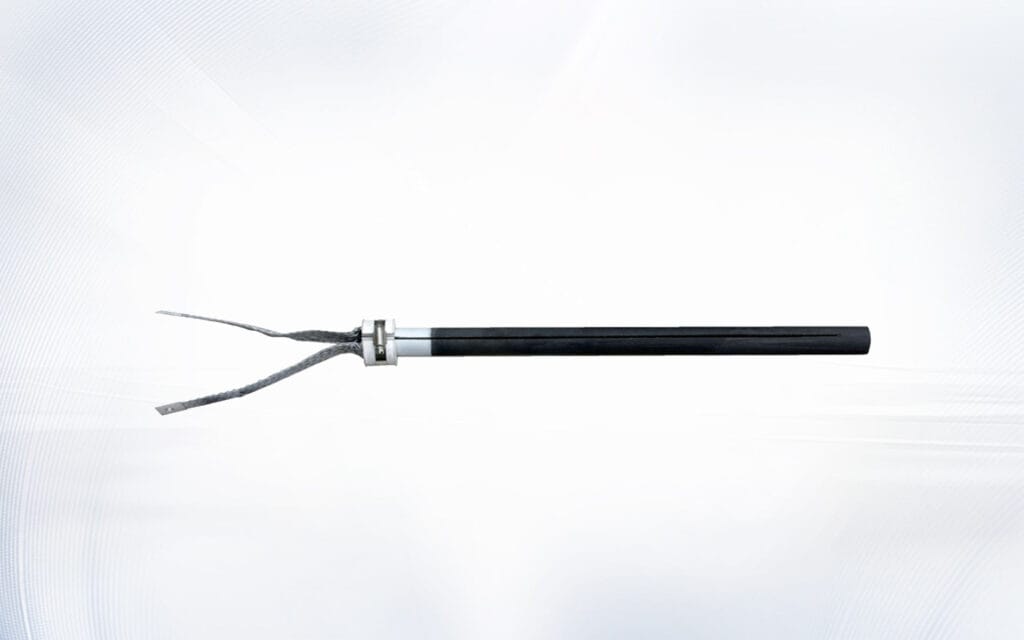
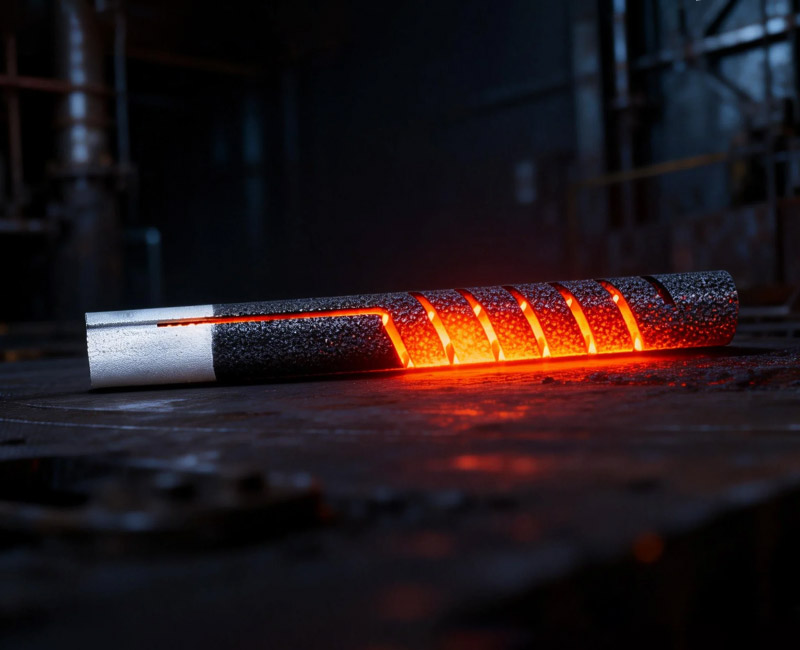
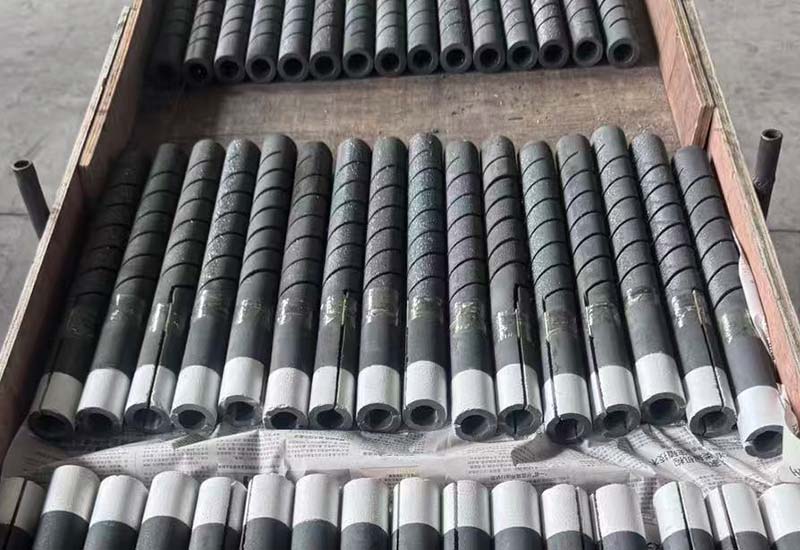
A molybdenum disilicide heating element is an electric resistance heating component made mainly from molybdenum disilicide. When current passes through the element, electrical resistance generates heat, and the element radiates heat into the furnace chamber.
The material advantage comes from molybdenum disilicide itself. Molybdenum disilicide is known for high-temperature oxidation resistance and electrical conductivity, making it suitable for furnace heating applications where stable high-temperature performance is required.
In practical furnace operation, MoSi2 heating elements are often selected for:
- High-temperature laboratory furnaces
- Ceramic sintering furnaces
- Glass melting and processing furnaces
- Powder metallurgy furnaces
- Electronic material firing
- Material testing and research furnaces
- Industrial furnaces requiring high working temperatures
The key benefit is not only high temperature capability. A suitable molybdenum disilicide heating element can also help maintain clean heating, fast temperature response, and stable performance in oxidizing furnace atmospheres.
MoSi2 vs SiC: The Real Buyer Question
Many buyers compare molybdenum disilicide heating elements with silicon carbide heating elements. Both are important high-temperature furnace heating solutions, but they are not interchangeable in every application.
A simple way to understand the difference is this:
Silicon carbide heating elements are often a practical and durable choice for many industrial kilns and furnaces, especially ceramic kilns, glass furnaces, heat treatment equipment, and general high-temperature electric furnaces.
Molybdenum disilicide heating elements are often chosen when the furnace requires higher operating temperatures, cleaner high-temperature performance, and a heating element suitable for demanding thermal processing.
Qixiang’s silicon carbide heating elements remain highly useful for many kiln and furnace applications. However, when the furnace temperature requirement rises above the comfortable operating range of SiC elements, a Molybdenum Disilicide Heating Element may become the better solution.
When a Molybdenum Disilicide Heating Element Is the Better Choice
A MoSi2 heating element is often worth considering when the furnace has one or more of the following conditions.
The Furnace Requires Very High Working Temperature
If your furnace operates at very high temperature for sintering, material testing, ceramic processing, or laboratory research, MoSi2 may be a stronger fit than standard heating elements.
Many buyers choose MoSi2 because it can work in furnace environments where high-temperature stability is a priority.
The Process Needs Clean Electric Heating
Some furnace processes are sensitive to contamination, unstable combustion conditions, or uneven heat sources. Electric resistance heating with MoSi2 elements can help provide a cleaner heat source for controlled thermal processing.
This is especially important in laboratory furnaces, electronic materials, advanced ceramics, and research applications.
The Furnace Uses an Oxidizing Atmosphere
MoSi2 performs well in many oxidizing furnace conditions because it can form a protective silica layer on the surface at elevated temperatures. The compound information for molybdenum silicide is also available from PubChem, which is a useful reference for buyers who want to understand the material identity behind MoSi2 heating elements.
The Process Requires Fast Heat-Up and Stable Temperature Recovery
In laboratory and research furnaces, rapid temperature response and stable recovery after loading can be important. A properly selected MoSi2 heating element can support responsive heating performance when matched with the furnace power system and control design.
The Furnace Design Supports MoSi2 Element Installation
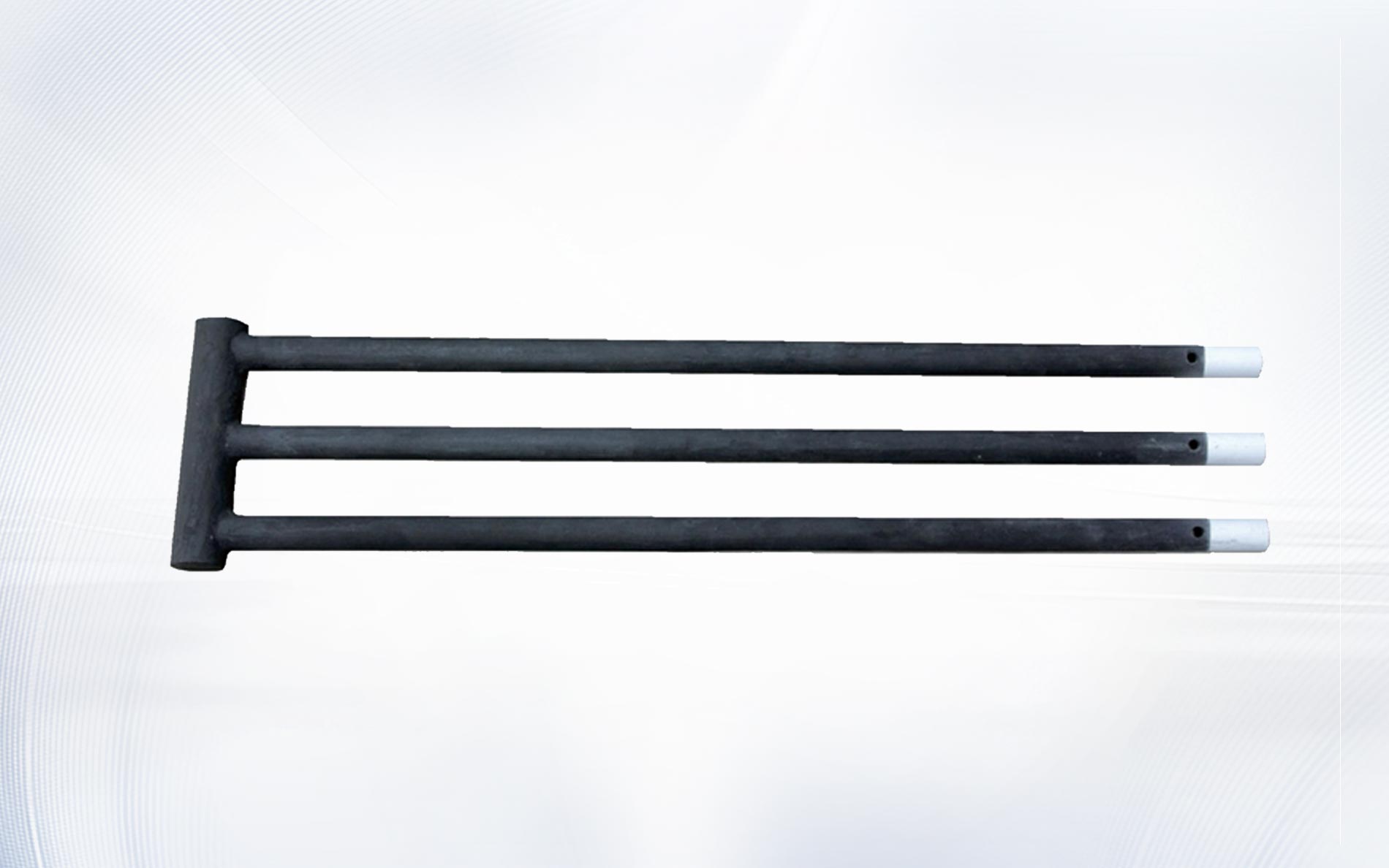
MoSi2 elements are commonly supplied in U-shaped designs. The furnace structure must allow proper installation, support, spacing, and terminal connection. If the furnace layout does not support correct installation, performance may be affected even if the element material is suitable.
When Silicon Carbide Heating Elements May Still Be More Practical
MoSi2 is not automatically the best choice for every furnace.
Silicon carbide heating elements may still be more practical when:
- The furnace working temperature is within the suitable SiC range
- The application needs strong general industrial durability
- The furnace has an existing SiC rod layout
- Replacement simplicity is more important than maximum temperature capability
- The process does not require extremely high operating temperature
- The buyer wants a practical solution for ceramic kilns or industrial furnaces
For example, a standard ceramic kiln may perform well with straight silicon carbide rods such as the DH Type SIC Heating Element. A compact furnace with limited wiring access may benefit from a UX Type Silicon Carbide Heating Element.
The best choice depends on the furnace, not only the material name.
Selection Table: MoSi2 Heating Element or SiC Heating Element?
| Furnace Condition | Better Direction | Why It Matters |
|---|---|---|
| Very high-temperature laboratory furnace | Molybdenum disilicide heating element | Supports demanding high-temperature operation |
| Standard ceramic kiln | Silicon carbide heating element | Practical for many kiln firing applications |
| Existing SiC furnace layout | Silicon carbide replacement element | Easier retrofit and replacement |
| Advanced ceramic sintering | MoSi2 heating element | Suitable for high-temperature thermal processing |
| Compact furnace with one-side access | Single-end SiC element or custom solution | Installation space may decide the element type |
| Glass or material testing furnace | Depends on temperature and atmosphere | Both element type and furnace design must be reviewed |
| Frequent industrial production cycles | Application-specific selection | Thermal cycling and maintenance access matter |
| Research furnace needing clean heating | MoSi2 heating element | Useful for controlled electric heating environments |
Key Technical Parameters Buyers Should Confirm
A molybdenum disilicide heating element should not be ordered only by product name. To make the element fit the furnace and perform correctly, buyers should confirm several technical parameters before ordering.
Working Temperature and Maximum Temperature
The furnace working temperature is the normal operating temperature. The maximum temperature is the highest limit the furnace may reach. These two values are not the same.
A furnace that occasionally reaches a high temperature is different from a furnace that runs near that temperature continuously. Continuous high-temperature operation creates more demanding service conditions.
Furnace Atmosphere
MoSi2 heating elements are commonly used in oxidizing atmospheres, but furnace atmosphere still matters. Reducing gases, chemical vapor, moisture, dust, and process contamination can affect element surface behavior and service life.
Before ordering, confirm whether the furnace atmosphere is air, protective gas, reducing atmosphere, vacuum-related condition, or a special process atmosphere.
Element Shape
MoSi2 heating elements are often U-shaped. Buyers should confirm whether the furnace structure supports U-shaped installation, including leg spacing, hot zone length, cold end length, and terminal layout.
Hot Zone Length
The hot zone should align with the part of the furnace chamber that needs heat. If the hot zone is too short, cold areas may appear. If it is incorrectly positioned, heat may concentrate near the insulation or terminal area.
Cold End Length
The cold end area supports electrical connection and should remain relatively cooler than the heating section. Incorrect cold end length can increase the risk of terminal overheating or installation difficulty.
Diameter
Element diameter affects strength, resistance, heat output, and installation compatibility. It must match the furnace holes, supports, and electrical design.
Resistance
Resistance must match the power supply and control system. Incorrect resistance may cause unstable heating, slow temperature rise, or control problems.
Installation Clearance
MoSi2 elements need proper installation space. They should not be forced into position, bent, impacted, or installed under mechanical stress.
How Furnace Atmosphere Affects MoSi2 Element Life
The performance of a molybdenum disilicide heating element depends heavily on furnace atmosphere.
In many high-temperature oxidizing conditions, MoSi2 forms a protective silica layer. This layer helps protect the element surface and supports oxidation resistance. However, the protective surface can be affected by process conditions.
Potential risks include:
- Reducing atmosphere
- High moisture content
- Chemical vapor
- Dust and powder contamination
- Rapid thermal cycling
- Direct contact with furnace load
- Local overheating
- Surface deposits from process materials
For stable service life, buyers should describe the furnace atmosphere clearly when requesting a quote. If the application involves special gases or chemical reactions, this information should be reviewed before selecting the heating element.
Why Furnace Design Matters as Much as Element Material
A high-quality MoSi2 heating element can still perform poorly if the furnace design is not suitable.
Furnace design affects:
- Heat distribution
- Element spacing
- Radiation path
- Temperature uniformity
- Terminal cooling
- Mechanical support
- Replacement access
- Control-zone balance
The U.S. Department of Energy explains that process heating systems can benefit from better operating practices and advanced process heating technologies. This idea also applies to electric furnaces: heating performance depends on the whole system, not only one component.
For example, if the furnace chamber is too densely loaded, heat radiation may be blocked. If elements are installed too close to the load, local overheating may occur. If the electrical zones are poorly balanced, temperature control may become unstable even with suitable elements.
Common Applications for Molybdenum Disilicide Heating Elements
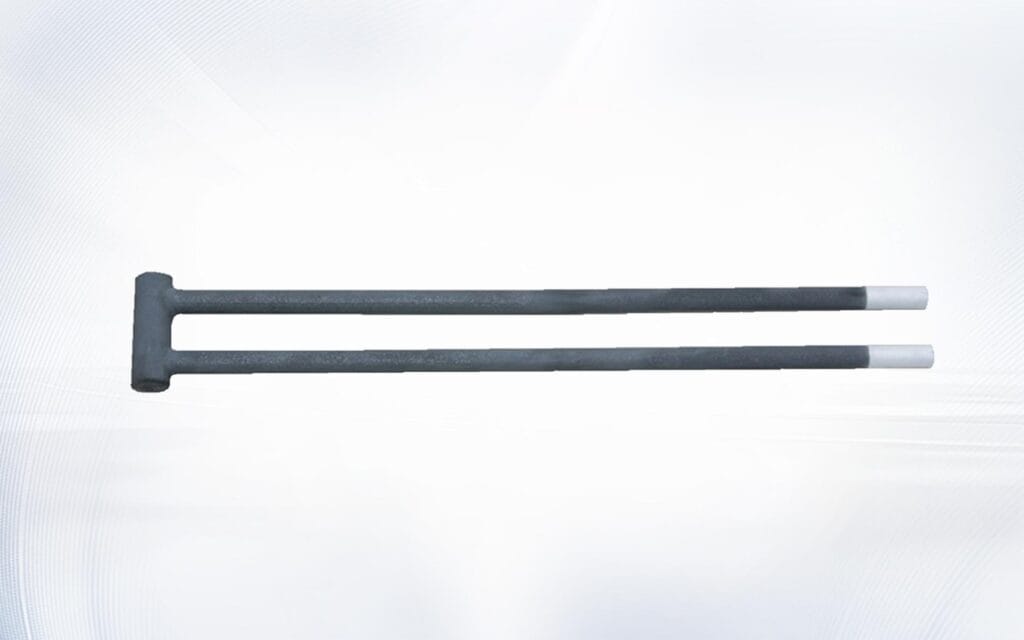
A molybdenum disilicide heating element is commonly used in high-temperature applications where stable electric heating is required.
Laboratory Furnaces
Laboratory furnaces often require precise temperature control, fast response, and clean heating conditions. MoSi2 elements are suitable for many lab furnace applications involving material testing, thermal analysis, sintering, and research.
Ceramic Sintering Furnaces
Advanced ceramic materials often require high-temperature sintering. MoSi2 elements can support the demanding temperature conditions needed for ceramic densification and controlled firing.
Glass Processing Furnaces
Glass-related thermal processes may require stable high-temperature heating. MoSi2 elements can be considered when the furnace design and atmosphere are suitable.
Powder Metallurgy Furnaces
Powder metallurgy processes may involve high-temperature sintering or thermal treatment. Element selection should consider atmosphere, temperature, and product sensitivity.
Electronic Material Processing
Electronic ceramics and functional materials may require clean and controlled heating conditions. MoSi2 elements can be useful in these applications when the process temperature and atmosphere are suitable.
Material Research Furnaces
Research furnaces often need flexible temperature programs and repeatable results. MoSi2 elements can support high-temperature experimentation when properly selected.
Installation Mistakes That Can Shorten MoSi2 Element Life
MoSi2 heating elements are designed for high-temperature performance, but they must be handled and installed correctly.
Common installation mistakes include:
- Forcing the element into misaligned furnace holes
- Applying bending force during installation
- Using poor terminal connection
- Installing the hot zone too close to insulation
- Ignoring expansion space
- Allowing the element to contact the load
- Operating the furnace too aggressively after replacement
- Using unsuitable support or connection accessories
- Failing to check electrical compatibility
MoSi2 elements should be treated as precision ceramic heating components. They should be installed carefully, supported correctly, and matched with suitable electrical connections.
How to Start a Furnace After Installing MoSi2 Elements
The first heating cycle after installation is important. A controlled start can help reduce thermal shock and allow the element surface condition to stabilize.
A practical start-up approach includes:
- Check element position and spacing.
- Confirm electrical connections are secure.
- Make sure the element does not touch the furnace wall or load.
- Keep the furnace chamber clean.
- Use a controlled temperature ramp.
- Avoid sudden power changes when possible.
- Monitor current, voltage, and temperature response.
- Inspect terminals after initial operation.
The exact start-up procedure should follow furnace design and application requirements. For sensitive processes, a supplier or furnace engineer should review the start-up plan.
Maintenance Checklist for Molybdenum Disilicide Heating Elements
| Inspection Area | What to Check | Why It Matters |
| Element surface | Cracks, deformation, heavy deposits | Shows signs of stress or contamination |
| Terminal area | Loose connection, overheating, discoloration | Poor contact can cause electrical failure |
| Furnace atmosphere | Gas, vapor, dust, process contamination | Atmosphere affects element service life |
| Element spacing | Contact with wall, load, or other elements | Prevents local overheating and mechanical stress |
| Temperature uniformity | Hot spots, cold zones, slow recovery | Reveals system imbalance |
| Power trend | Increasing power demand or unstable control | May indicate aging or electrical mismatch |
| Furnace loading | Product too close to elements | Prevents blocked radiation and uneven heating |
| Records | Installation date, dimensions, resistance | Supports planned replacement |
Maintenance should be based on operating records, not only visual inspection. Tracking furnace behavior over time helps buyers plan replacement before sudden failure.
Signs That a MoSi2 Heating Element Needs Attention
Operators should watch for warning signs before complete failure occurs.
Common warning signs include:
- Furnace takes longer to reach target temperature
- Temperature recovery becomes slower after loading
- One zone cannot maintain temperature
- Element surface shows visible damage
- Terminals become discolored or overheated
- Furnace control becomes unstable
- Product quality becomes inconsistent
- Power settings need frequent adjustment
- Element resistance changes abnormally
When these signs appear, inspect the full heating system. The problem may come from the element, the terminal connection, the furnace atmosphere, the loading method, or the control system.
How to Compare MoSi2 Heating Elements for Purchasing
When comparing molybdenum disilicide heating elements, buyers should avoid focusing only on the maximum temperature rating. A better comparison includes technical fit and application support.
Important questions include:
- Does the element match the furnace working temperature?
- Is the element suitable for the furnace atmosphere?
- Does the shape match the furnace structure?
- Are the hot zone and cold end lengths correct?
- Is the resistance suitable for the power system?
- Can the supplier provide custom dimensions?
- Are installation accessories available?
- Is there support for replacement selection?
- Can the supplier review furnace photos or drawings?
- Is the element suitable for continuous or cyclic operation?
Qixiang provides high-temperature heating products through its Products page, including silicon carbide heating elements, molybdenum disilicide heating elements, and related accessories for different furnace applications.
What Information Should You Send Before Requesting a Quote?
To receive a more accurate recommendation, prepare technical information before contacting a supplier.
Useful details include:
- Furnace type
- Application or material being processed
- Working temperature
- Maximum temperature
- Furnace atmosphere
- Chamber size
- Existing element photos or drawing
- Element shape
- Diameter
- Hot zone length
- Cold end length
- Total length
- Resistance
- Voltage and power information
- Installation direction
- Current problem, such as slow heating or short service life
- Required quantity
- Accessories needed
For project support, buyers can send these details through Qixiang’s Contact Us page.
MoSi2 Heating Element Selection for New Furnaces
For new furnace projects, element selection should be included early in the design stage. Waiting until the furnace structure is already fixed may limit heating element options.
In new furnace design, consider:
- Target temperature range
- Chamber size and shape
- Number of heating zones
- Element spacing
- Control system design
- Terminal position
- Replacement access
- Insulation thickness
- Load position
- Atmosphere control
- Safety and maintenance access
A well-designed furnace allows the heating elements to work efficiently and makes future replacement easier. A poor layout may create repeated heating problems even when high-quality elements are used.
MoSi2 Heating Element Selection for Replacement Projects
Replacement projects are different because the furnace structure already exists.
Before replacing a molybdenum disilicide heating element, confirm whether the existing furnace design is still working properly. Old furnaces may have worn insulation, loose terminals, damaged support holes, or changed process conditions.
For replacement, check:
- Whether the old element failed because of age or another problem
- Whether the furnace atmosphere changed
- Whether the loading pattern changed
- Whether terminal accessories are still reliable
- Whether the original element dimensions are available
- Whether resistance values are recorded
- Whether multiple elements should be replaced together
Replacing only one failed element may not solve the problem if the root cause is furnace atmosphere, electrical imbalance, or installation damage.
Avoid These Buyer Mistakes
Industrial buyers often make avoidable mistakes when ordering high-temperature furnace elements.
Common mistakes include:
- Selecting only by maximum temperature
- Ignoring furnace atmosphere
- Ordering by photo without confirming dimensions
- Forgetting hot zone and cold end length
- Ignoring resistance requirements
- Reusing damaged terminal accessories
- Mixing old and new elements without checking electrical balance
- Changing element material without reviewing furnace design
- Assuming MoSi2 is always better than SiC
- Failing to describe the current furnace problem
A good supplier should ask technical questions. These questions help prevent mismatch and reduce the risk of premature failure.
Practical Decision Framework for Buyers
Use this simple framework before choosing a molybdenum disilicide heating element.
First, confirm whether the furnace temperature truly requires MoSi2. If the process can be handled reliably by silicon carbide elements, SiC may remain practical.
Second, review the atmosphere. MoSi2 performance depends heavily on furnace atmosphere and surface protection behavior.
Third, check installation structure. A suitable element must physically fit the furnace without stress.
Fourth, confirm electrical compatibility. Resistance, voltage, power, and zone control must match the furnace system.
Fifth, review maintenance access. A heating element that is difficult to inspect or replace may increase downtime.
Finally, discuss the full application with the supplier instead of ordering only by size.
Why Work With Qixiang for High-Temperature Furnace Heating Elements
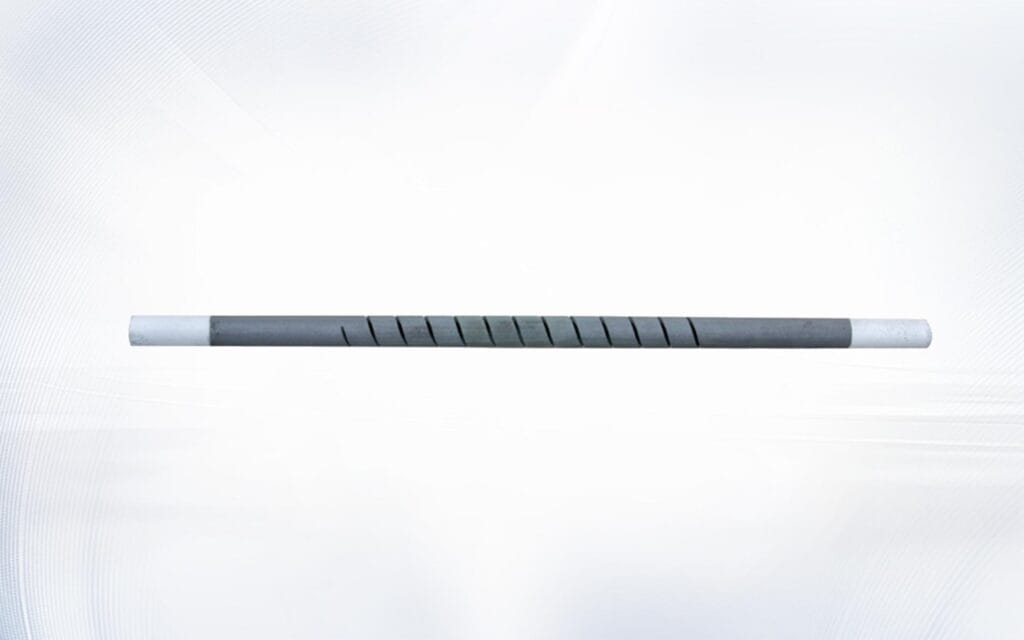
Qixiang provides heating element solutions for high-temperature kilns and industrial furnaces, including Molybdenum Disilicide Heating Element products and a wide range of silicon carbide heating elements.
For buyers who are not sure whether to choose MoSi2 or SiC, Qixiang can support selection based on furnace temperature, atmosphere, chamber size, element dimensions, installation method, and application requirements.
This is especially useful for:
- Laboratory furnace manufacturers
- Ceramic production facilities
- Glass processing plants
- Heat treatment workshops
- Material research laboratories
- Industrial furnace maintenance teams
- Buyers replacing old or failed elements
The best heating element is not simply the one with the highest temperature rating. It is the one that fits the furnace system and supports stable production.
Conclusion
A molybdenum disilicide heating element is a strong choice for high-temperature electric furnaces, laboratory furnaces, ceramic sintering equipment, glass processing, metallurgy, and material research applications. It is especially useful when the furnace requires high working temperature, clean electric heating, and stable performance in suitable atmospheres.
However, MoSi2 should not be selected only because it is a high-temperature material. Buyers must confirm furnace temperature, atmosphere, element shape, hot zone length, cold end length, resistance, installation space, and maintenance needs.
In many industrial kilns, silicon carbide heating elements are still practical and reliable. In higher-temperature or more demanding furnace applications, a molybdenum disilicide heating element may be the better long-term solution.
Before ordering, review the full furnace system. When the heating element, furnace design, electrical control, atmosphere, and loading method work together, the result is more stable temperature control, fewer unexpected failures, and better production reliability.
FAQ
What is a molybdenum disilicide heating element?
A molybdenum disilicide heating element is an electric resistance heating element made mainly from MoSi2. It is used in high-temperature furnaces, laboratory furnaces, ceramic sintering equipment, glass processing, and material research applications.
When should I choose MoSi2 instead of silicon carbide?
MoSi2 is often preferred when the furnace requires higher working temperature, clean electric heating, and suitable oxidizing atmosphere performance. Silicon carbide may still be more practical for many standard industrial kiln and furnace applications.
What information is needed to order a MoSi2 heating element?
Buyers should provide furnace type, working temperature, maximum temperature, atmosphere, element shape, diameter, hot zone length, cold end length, total length, resistance, voltage, power, and installation details.
Can MoSi2 heating elements be customized?
Yes. MoSi2 heating elements can often be customized according to furnace dimensions, hot zone length, cold end length, diameter, and resistance requirements.
Why do MoSi2 heating elements fail early?
Early failure may be caused by poor installation, mechanical stress, unsuitable atmosphere, rapid thermal cycling, surface contamination, poor terminal connection, or incorrect electrical matching.
Are MoSi2 heating elements suitable for laboratory furnaces?
Yes. MoSi2 heating elements are widely used in laboratory furnaces that require high-temperature operation, controlled heating, and stable thermal processing.
Do MoSi2 heating elements need special installation care?
Yes. They should be installed carefully without bending, impact, forced alignment, or poor terminal connection. Correct spacing and support are important for safe operation.
Where can I get help selecting a molybdenum disilicide heating element?
You can review Qixiang’s Molybdenum Disilicide Heating Element page or send furnace details through Contact Us for selection support.