Table of Contents
SiC heating rod installation is a common maintenance task, but it is also one of the easiest points for avoidable furnace trouble to begin. A silicon carbide rod can be the right product, the right resistance, and the right length, yet still fail early if it is forced into a tight hole, clamped unevenly, wired under tension, or started without checking the support structure. The purpose of this guide is to help engineers and maintenance teams prepare a safer and more reliable SiC heating rod installation before the furnace is energized.
The recommendations below are practical checks rather than a substitute for the furnace manufacturer’s instructions. Every furnace has its own geometry and electrical design. Still, the same basic questions appear again and again: does the rod have enough clearance, are the cold ends protected from excess heat, are the supports aligned, and can the wiring move slightly as the element expands? For element options, review Qixiang Material’s silicon carbide heating elements and the related accessories.
The goal of a good installation
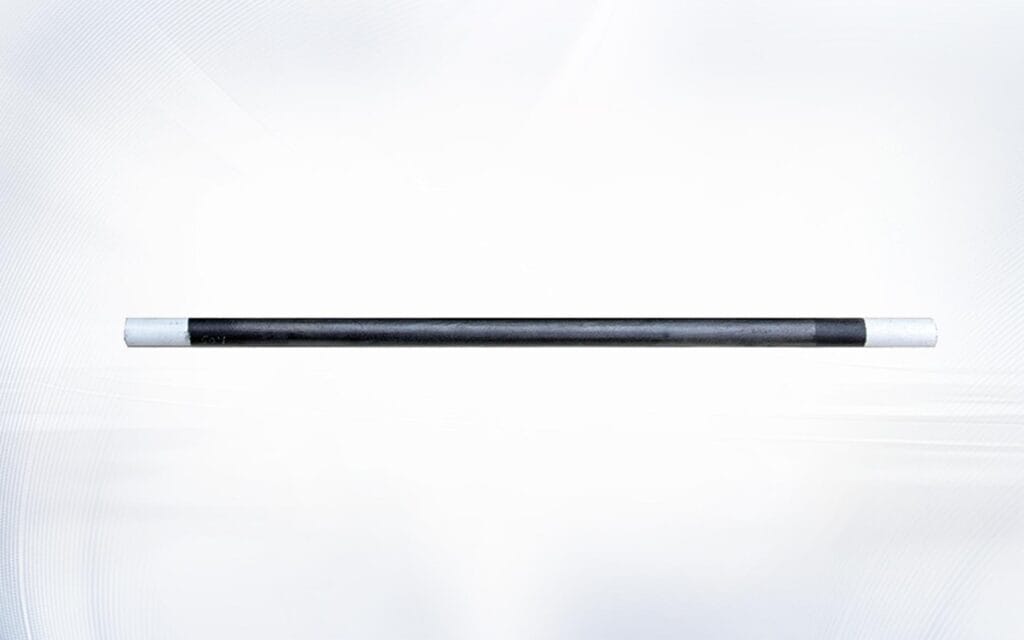
A good SiC heating rod installation keeps the hot zone in the intended heating area, leaves the terminal ends cooler, avoids mechanical bending, and gives the electrical connection a clean contact path. Silicon carbide rods are strong at high temperature when used correctly, but they are not meant to carry installation stress like a structural bar. The furnace should support the element without forcing it out of alignment.
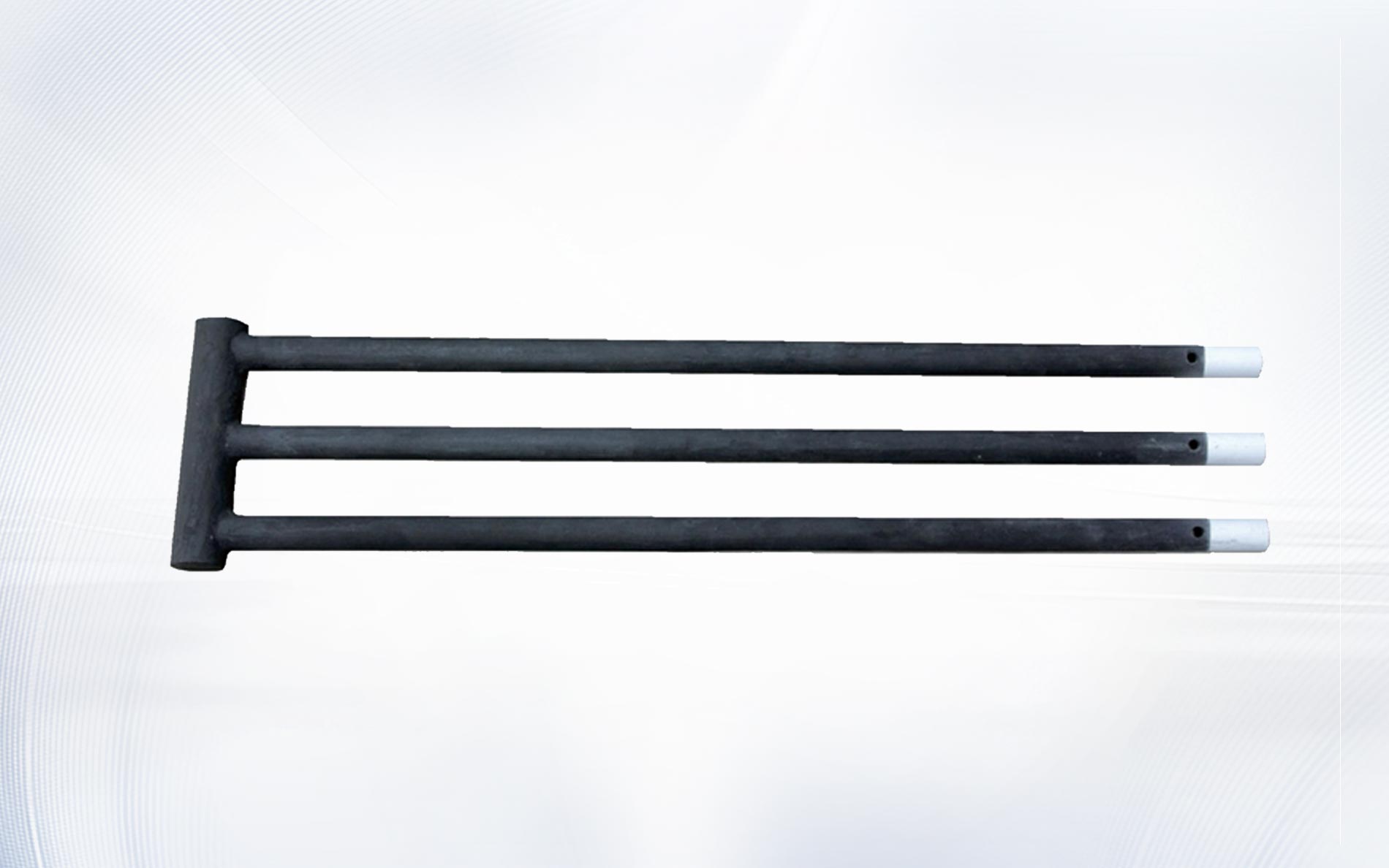
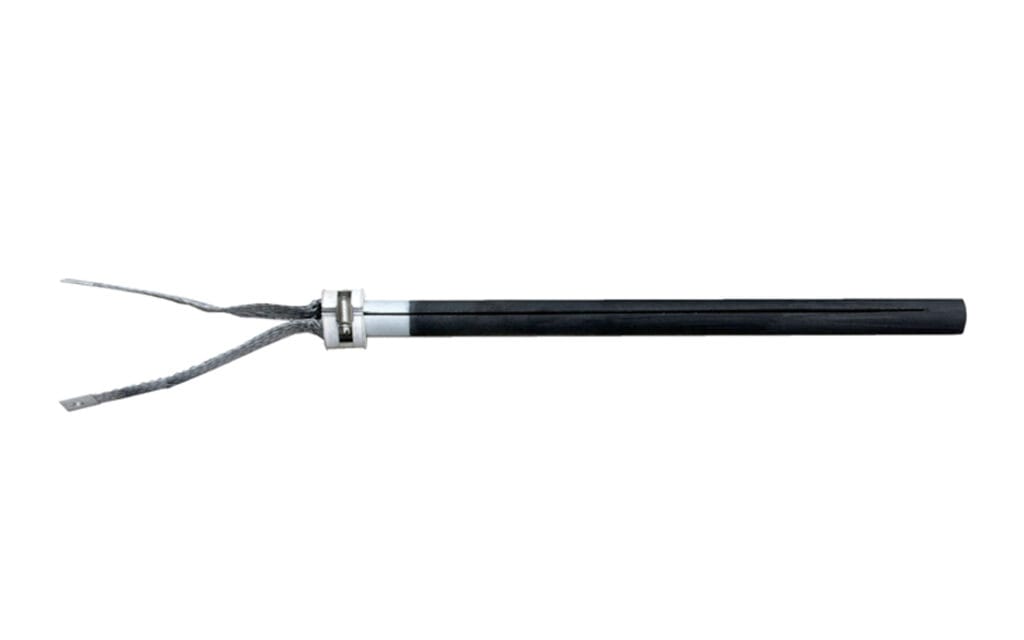
The installer should understand which part of the rod is the active heating zone and which part is the cold end. This is especially important for products such as the DH type SiC heating element, where the dimensional relationship between hot zone and terminal area affects furnace fit. If an old rod broke near the wall or terminal, take photos before removing everything. That evidence can help identify whether the cause was electrical, mechanical, or atmosphere related.
Clearance around the hot zone
Clearance is one of the first details to check in SiC heating rod installation. The element should not rub against refractory, product trays, kiln furniture, insulation fiber, or the furnace shell. Contact points can create localized overheating or mechanical wear. If the element passes through a wall, the hole should be sized and aligned so the rod can sit naturally without being wedged.
Heat also needs room to radiate. When rods are installed too close to each other, the furnace wall, or the workpiece, temperature distribution may become uneven. The exact spacing depends on furnace design, power density, and process temperature. A useful practice is to compare the installed position with the original furnace drawing and then confirm the real condition inside the chamber. The general concept of heat transfer is discussed in Wikipedia’s heat transfer overview, but the final spacing should be based on equipment design and supplier guidance.
Support and mechanical stress
Support problems often hide until startup. During SiC heating rod installation, check whether the support brick is cracked, whether the rod hole has enlarged, and whether the element rests on a sharp edge. A rod that is supported at an angle may survive installation but crack after thermal expansion. Long rods need particular attention because a small alignment error at the wall can become a larger stress point across the chamber.
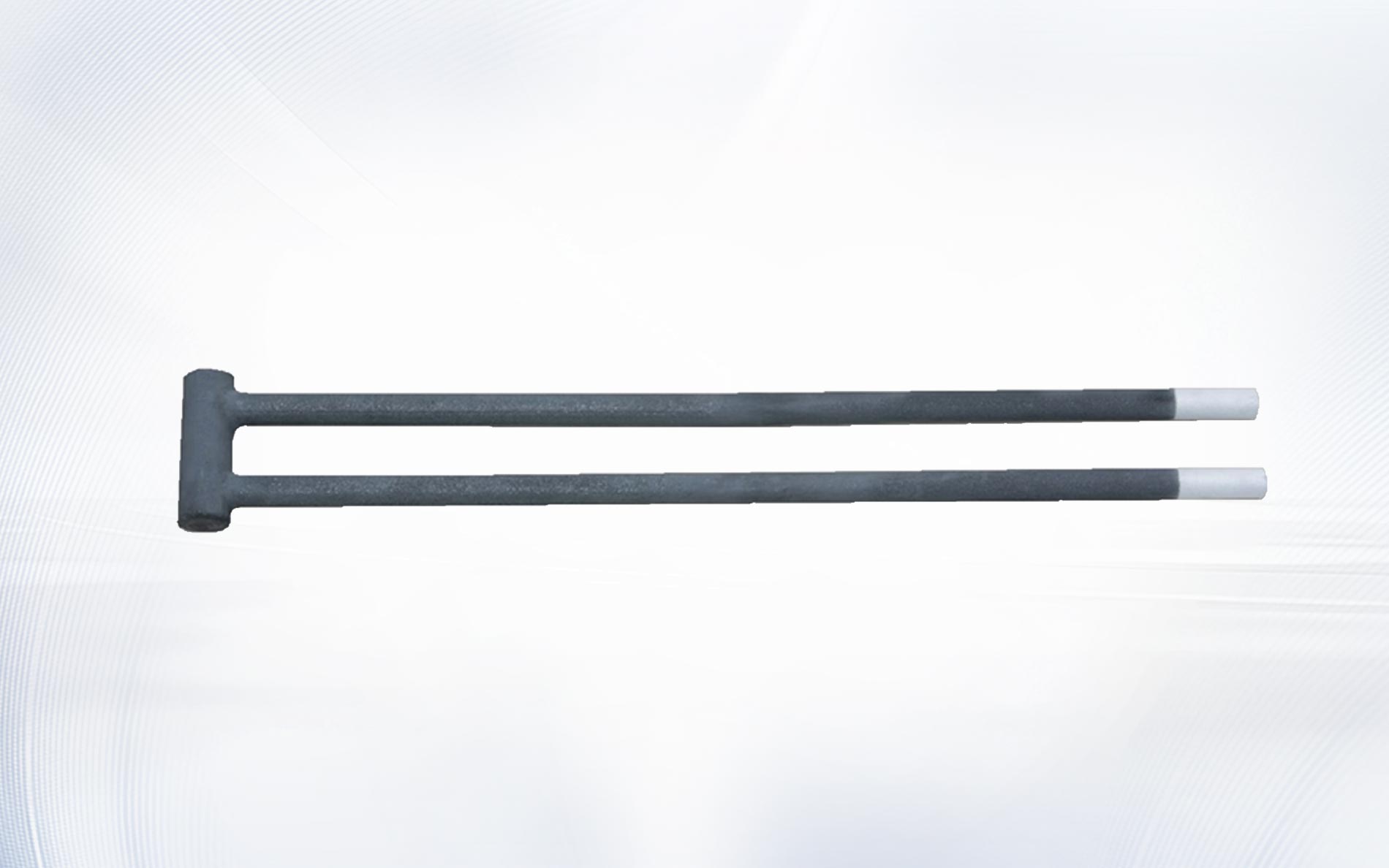
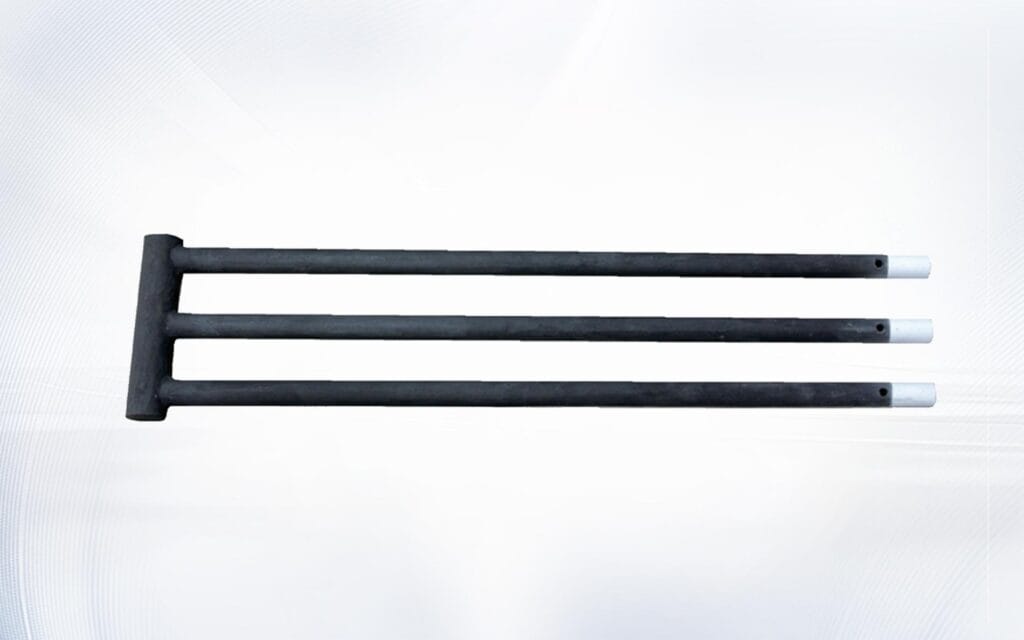
Do not pull a rod into position by tightening the electrical connection. The wiring system should not act as a mechanical support. If the furnace uses U-shaped or special-shaped rods, such as Qixiang’s UX type silicon carbide heating element, check that both legs sit evenly and that the bend area is not forced against a support. The installation should allow thermal expansion without twisting the element.
| Installation point | Common risk | Better practice |
|---|---|---|
| Wall opening | Rod rubs or binds | Confirm alignment before wiring |
| Support brick | Cracked or sharp edge | Repair support before new element |
| Terminal area | Excess heat at connection | Keep cold ends outside the hot zone |
| Lead wire | Tension or twisting | Leave gentle flexibility in the lead |
Wiring and terminal checks
Electrical work is a critical part of SiC heating rod installation. Before touching the furnace, isolate energy according to the plant’s safety procedure. OSHA’s control of hazardous energy page is a useful general reference for lockout principles. Once the equipment is safe, inspect the terminal straps, clamps, and lead wires. Any component that is loose, oxidized, overheated, or mechanically damaged should be reviewed before the new rod is energized.
Good electrical contact reduces local heating at the terminal. Poor contact increases resistance at the connection point, which can damage the cold end and nearby hardware. If the previous failure involved burned leads or discolored clamps, installing a new element without replacing damaged accessories may repeat the same problem. Qixiang’s heating rod clamp page is useful when checking whether connection hardware is part of the replacement scope.
When several rods operate in one zone, resistance matching also matters. New rods should be grouped carefully, especially if older rods remain in service. Qixiang’s silicon carbide heating element resistance guide explains why aging affects resistance. Basic background on electrical resistance is available from Wikipedia’s resistance overview, but the plant should follow its furnace electrical design.
It is also worth checking the control cabinet before completing SiC heating rod installation. A transformer tap, thyristor controller, or old contact point that was suitable for aged elements may not be ideal after a full replacement. If the furnace has separate zones, mark which rods belong to each circuit. This avoids confusion when resistance is measured later and helps the maintenance team understand whether a problem is related to the element, the power supply, or the wiring path.
Startup and first inspection
After SiC heating rod installation, startup should be controlled and observed. Do not rush directly into full production temperature if the furnace procedure calls for gradual heating. During the first run, watch for abnormal terminal heating, vibration, unusual noise, uneven glow, or a control zone that responds differently from the others. Temperature instruments should be in good condition; NIST has useful reference information on temperature measurement.
Document the startup condition. Record the date, rod type, resistance values if available, zone location, and any accessories replaced. This simple record helps future maintenance because SiC heating rod installation history can reveal whether failures are random or concentrated in one furnace area. Broader industrial heating concepts can be reviewed through the U.S. Department of Energy’s process heating resources.
Practical installation checklist
- Confirm the rod type, total length, hot-zone length, diameter, and resistance before installation.
- Check wall holes and support bricks for alignment, cracks, sharp edges, or deposits.
- Keep the hot zone inside the heating chamber and the cold ends outside excessive heat.
- Make sure the element is not forced, bent, twisted, or held in place by lead wires.
- Inspect clamps, straps, lead wires, and terminal hardware before energizing.
- Record the installed location and zone so future troubleshooting is easier.
- Use a controlled startup and recheck terminal temperature after the first heating cycle.
Reliable SiC heating rod installation is the result of small details done carefully. Clearance, support, wiring, and startup checks protect the element and the furnace. If your team is replacing rods after repeated breakage or uneven heating, send photos, drawings, and furnace conditions through Qixiang Material’s contact page before ordering the next set.