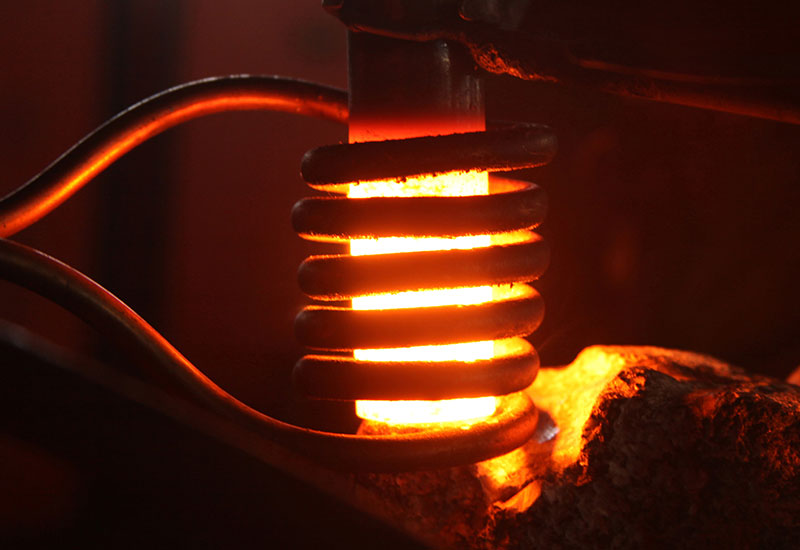
In high-temperature industrial production, a stable heating system is not just a supporting component. It directly affects furnace efficiency, product quality, energy use, maintenance frequency, and long-term production cost. Whether the application is ceramic firing, glass processing, metal heat treatment, powder metallurgy, or laboratory testing, the choice of heating element plays a major role in how reliably the furnace performs.
Among many industrial furnace heating elements, silicon carbide heater rods are widely used because they can provide strong high-temperature performance, fast heat response, and reliable operation in demanding furnace environments. These heating rods are also known as SiC heating elements, silicon carbide heating rods, SiC heater rods, or silicon carbide furnace rods.
For buyers, engineers, and furnace users, choosing the right heating rod is not only about price. It is about matching the right material, size, resistance, power, voltage, shape, installation method, and working atmosphere. As a manufacturer of silicon carbide heater rods, we understand that every furnace has different requirements. This guide explains the key points buyers should know before ordering, replacing, or customizing SiC heating rods.
Table of Contents
What Are Silicon Carbide Heater Rods?
Silicon carbide heater rods are electric resistance heating elements made mainly from silicon carbide material. When electric current passes through the rod, resistance generates heat, allowing the element to raise the furnace temperature.
Compared with many metal heating elements, silicon carbide heating rods are designed for higher temperature industrial applications. They are commonly installed in electric furnaces, ceramic kilns, glass furnaces, heat treatment furnaces, sintering furnaces, and laboratory furnaces.
Basic Structure
A typical silicon carbide heater rod includes a hot zone and cold ends. The hot zone is the main heating section inside the furnace chamber. The cold ends are connected to clamps, aluminum straps, or other electrical connection parts outside or near the furnace wall.
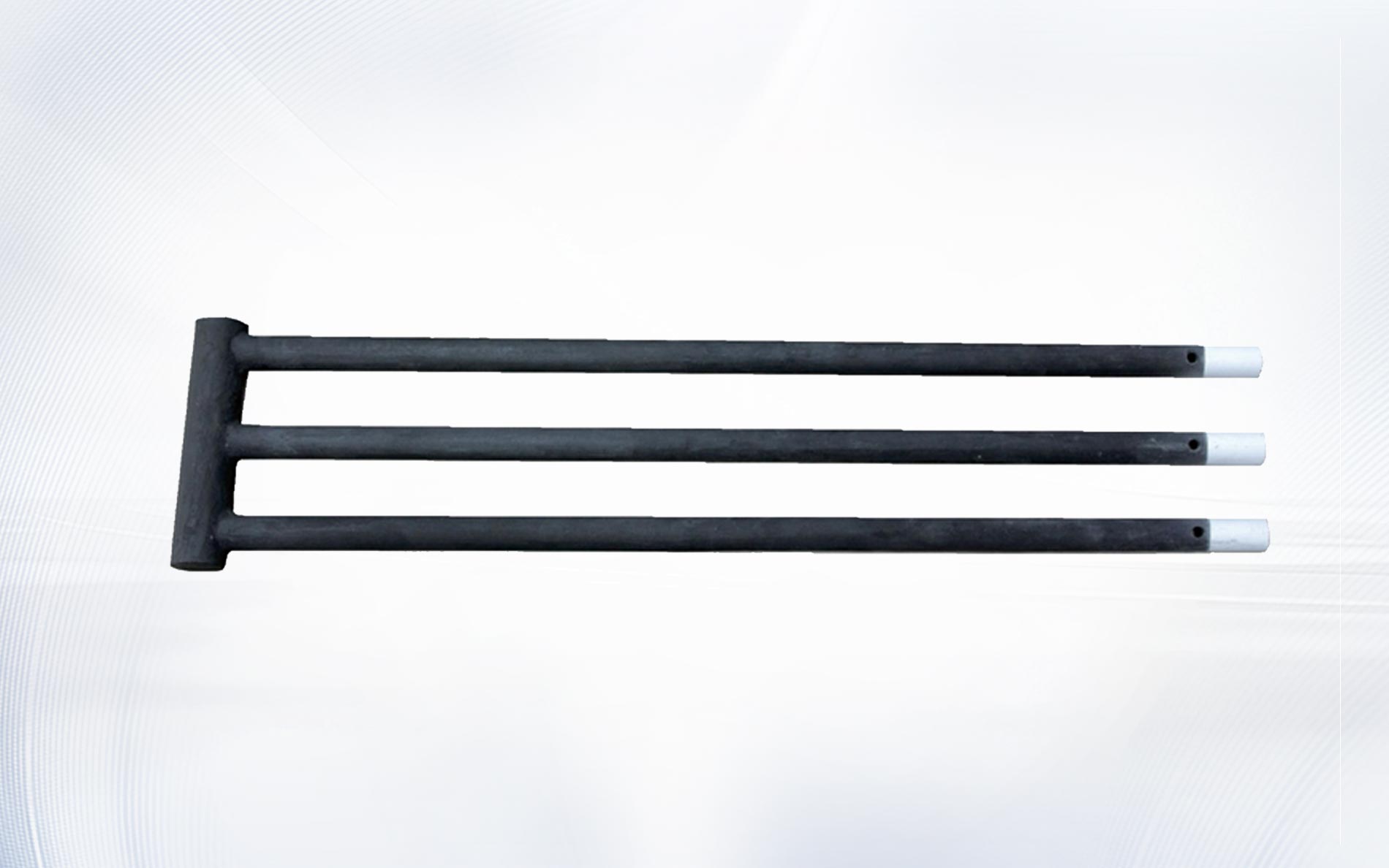
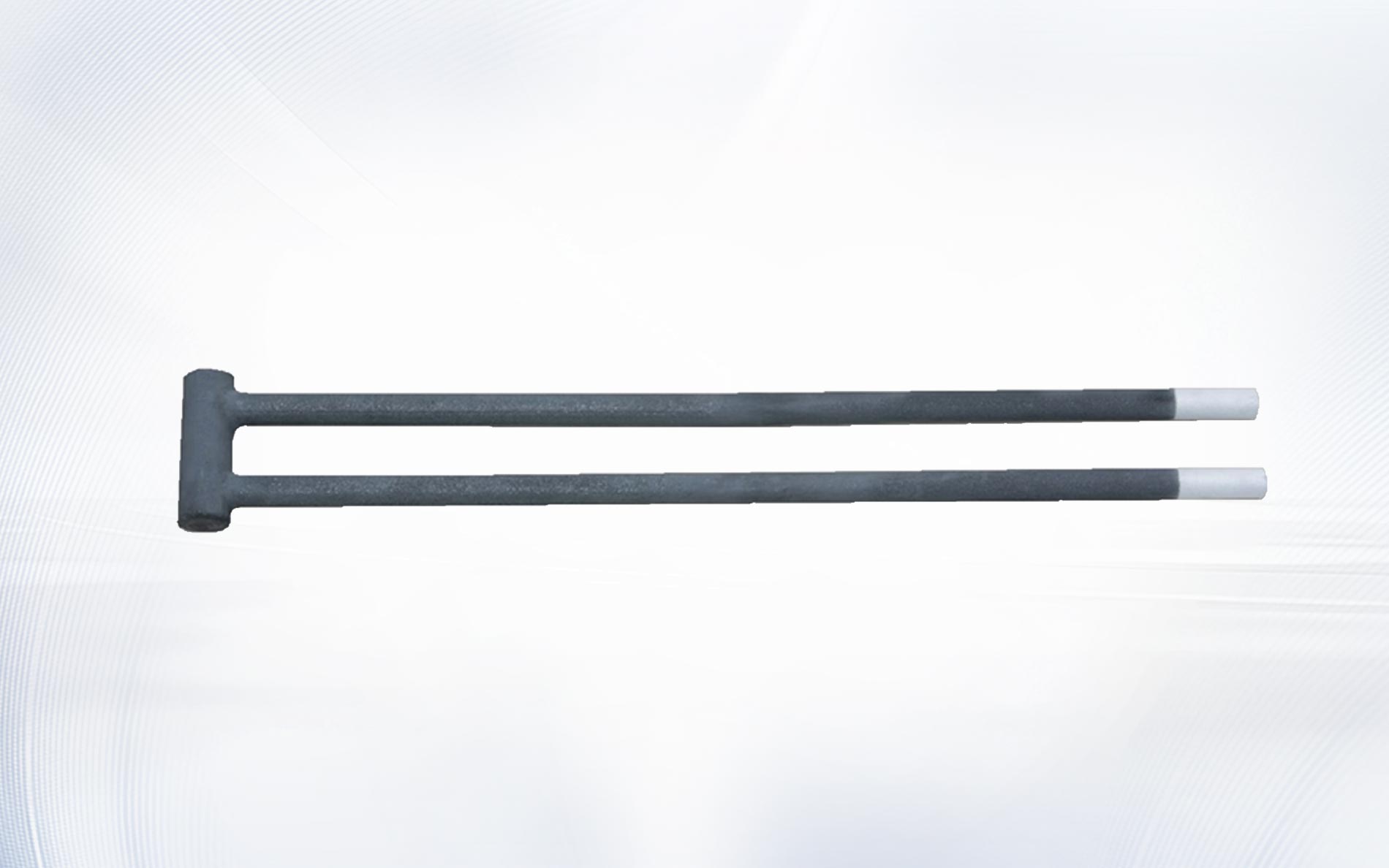
The main structure may vary depending on the product type. Common designs include:
- Straight silicon carbide heater rods
- U type silicon carbide heater rods
- Dumbbell type silicon carbide heater rods
- Equal diameter SiC heating rods
- Single spiral silicon carbide heater rods
- Double spiral silicon carbide heater rods
- Custom silicon carbide heating elements
How They Work
Silicon carbide heater rods work by resistance heating. The furnace power system supplies electrical current to the heating element. The resistance of the rod converts electrical energy into heat, which is then transferred into the furnace chamber.
During operation, silicon carbide heating elements may gradually increase in resistance as they age. This is why many furnace systems use adjustable transformers or power control systems to maintain stable furnace temperature over time. Technical guides from major heating element suppliers also describe resistance increase as a normal aging characteristic of SiC heating elements.
Why Silicon Carbide Heater Rods Are Used in Industrial Furnaces
Silicon carbide heater rods are used because they are suitable for high-temperature, continuous, and demanding industrial heating conditions. Many SiC heating elements are designed for operating temperatures up to around 1550°C–1625°C, depending on product type, furnace atmosphere, surface load, and working conditions.
High Temperature Capability
One of the biggest advantages of SiC heater rods is their ability to work in high-temperature furnaces. They are commonly used in ceramic kilns, glass processing furnaces, metallurgy furnaces, and material sintering equipment.
For industries that require stable heating above the range of many metal elements, silicon carbide heating rods are often a practical choice.
Fast Heating Response
Silicon carbide heater rods can provide quick temperature rise when properly designed and installed. This helps improve production efficiency, especially in applications that require repeated heating cycles or controlled high-temperature processing.
Good Heat Distribution
When arranged correctly inside the furnace chamber, SiC heating rods can help create uniform heat distribution. This is important for ceramic firing, glass treatment, heat treatment, and sintering processes where uneven temperature may cause cracking, deformation, color difference, or unstable material properties.
Suitable for Industrial Production
Industrial furnaces often operate for long hours under high temperature. Silicon carbide heater rods are suitable for many continuous and batch production environments. They are also available in different shapes and sizes, making them adaptable to different furnace structures.
Main Applications of Silicon Carbide Heater Rods
Silicon carbide heater rods are used in many industries where high-temperature electric heating is required. Their applications cover both large industrial production lines and smaller laboratory systems.
Silicon Carbide Heater Rods for Ceramic Kilns
Ceramic production requires controlled heating for drying, firing, sintering, and glazing. Silicon carbide heater rods are commonly used in:
- Ceramic kilns
- Roller kilns
- Tunnel kilns
- Shuttle kilns
- Porcelain firing furnaces
- Advanced ceramic sintering furnaces
For ceramic manufacturers, stable heating helps improve firing consistency, reduce defects, and maintain product quality.
Silicon Carbide Heater Rods for Glass Furnaces
Glass production and processing often involve high-temperature environments. SiC heating elements can be used in glass melting support systems, glass annealing, glass bending, and other thermal processing equipment.
In glass applications, heating elements may need to resist high temperatures and challenging furnace atmospheres. Some specialized SiC heating elements are designed for long service life in glass-related furnace environments.
Silicon Carbide Heater Rods for Heat Treatment Furnaces
Heat treatment processes such as annealing, tempering, hardening, and normalizing require accurate temperature control. Silicon carbide heater rods can be used in electric heat treatment furnaces for metal parts, tools, molds, and industrial components.
Stable heating helps improve material performance and reduce the risk of uneven hardness or internal stress.
Silicon Carbide Heater Rods for Sintering Furnaces
Sintering furnaces are widely used in powder metallurgy, magnetic materials, technical ceramics, electronic ceramics, and advanced materials. Silicon carbide heating rods are suitable for many sintering applications because they can provide strong high-temperature heating performance.
Silicon Carbide Heater Rods for Laboratory Furnaces
Laboratory furnaces require compact, stable, and precise heating elements. SiC heater rods are commonly used in:
- Muffle furnaces
- Tube furnaces
- Testing furnaces
- Material research furnaces
- Small high-temperature electric furnaces
For research and testing, heating stability is especially important because small temperature differences can affect experimental results.
Common Types of Silicon Carbide Heater Rods
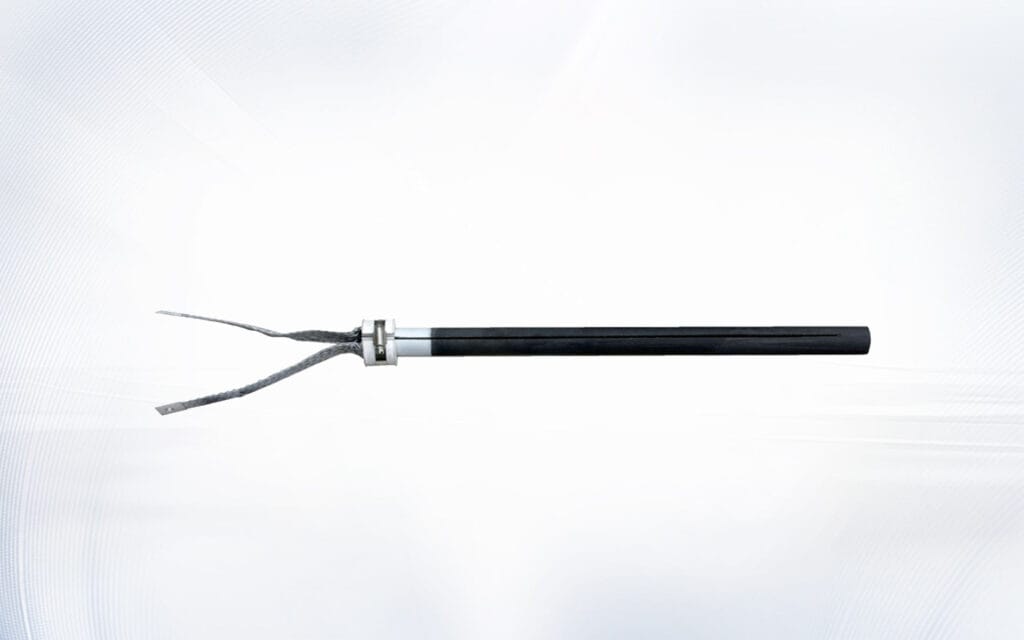
Different furnace structures require different heating element designs. As a silicon carbide heater rods manufacturer, we can support standard and customized designs based on furnace drawings, dimensions, voltage, power, and working conditions.
Straight Silicon Carbide Heater Rods
Straight silicon carbide heater rods are one of the most common types. They are simple in structure and easy to install. They are widely used in electric furnaces, ceramic kilns, heat treatment furnaces, and laboratory furnaces.
This type is suitable for many standard furnace designs where heating rods can be installed horizontally or vertically.
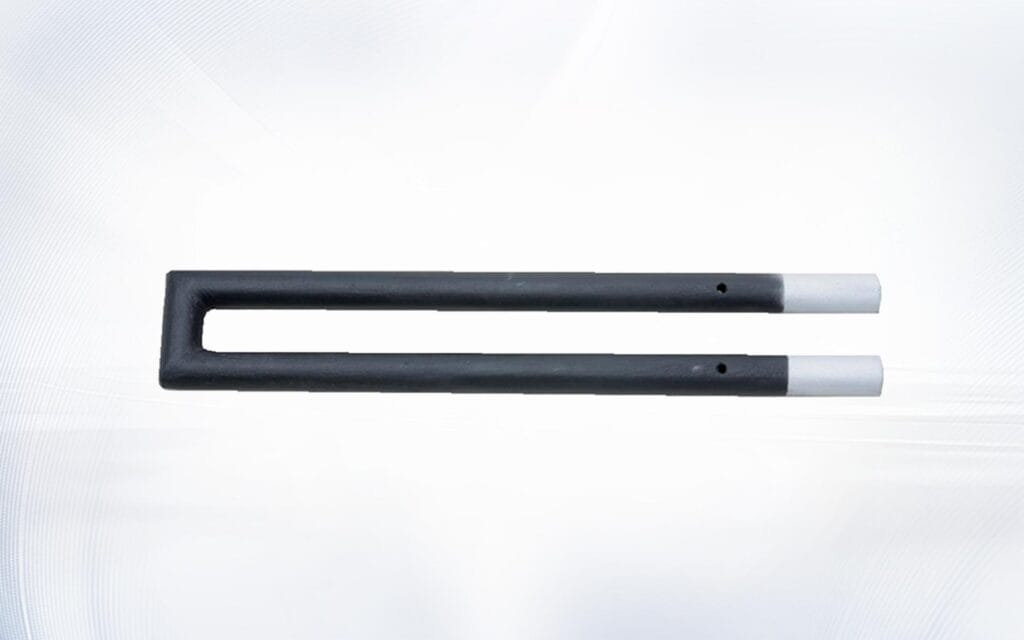
U Type Silicon Carbide Heater Rods
U type silicon carbide heater rods are designed with both terminals on the same side. This structure can make wiring easier in some furnace designs and is useful when space is limited.
They are often used in special furnace layouts where standard straight rods are not convenient.
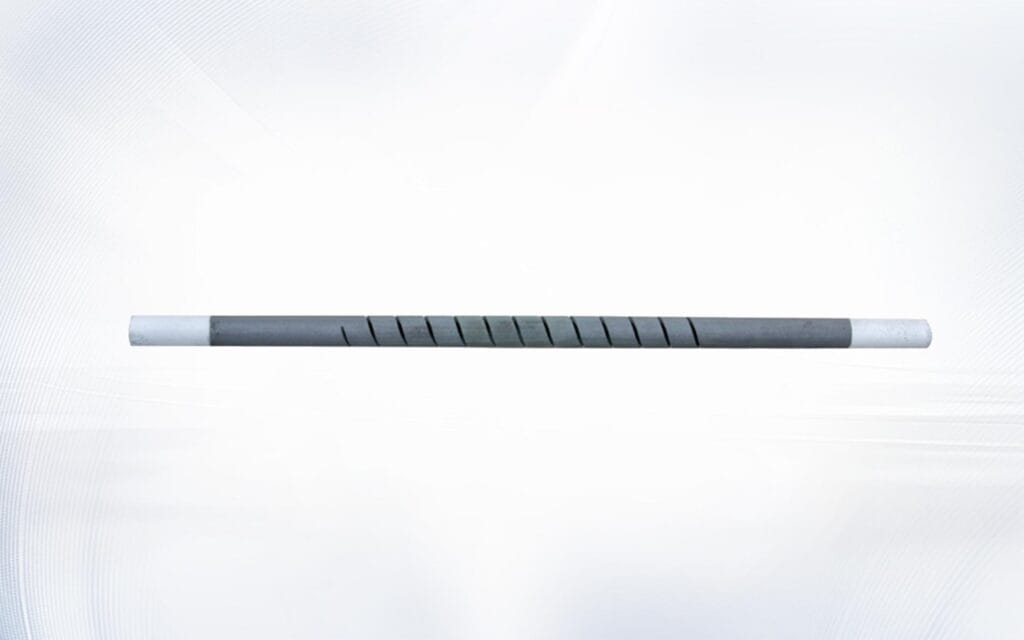
Dumbbell Type Silicon Carbide Heater Rods
Dumbbell type silicon carbide heater rods usually have thicker cold ends and a designed heating zone. This structure helps balance electrical and thermal performance in industrial furnace applications.
They are commonly used in medium and high-temperature furnaces where stable performance and easy replacement are required.
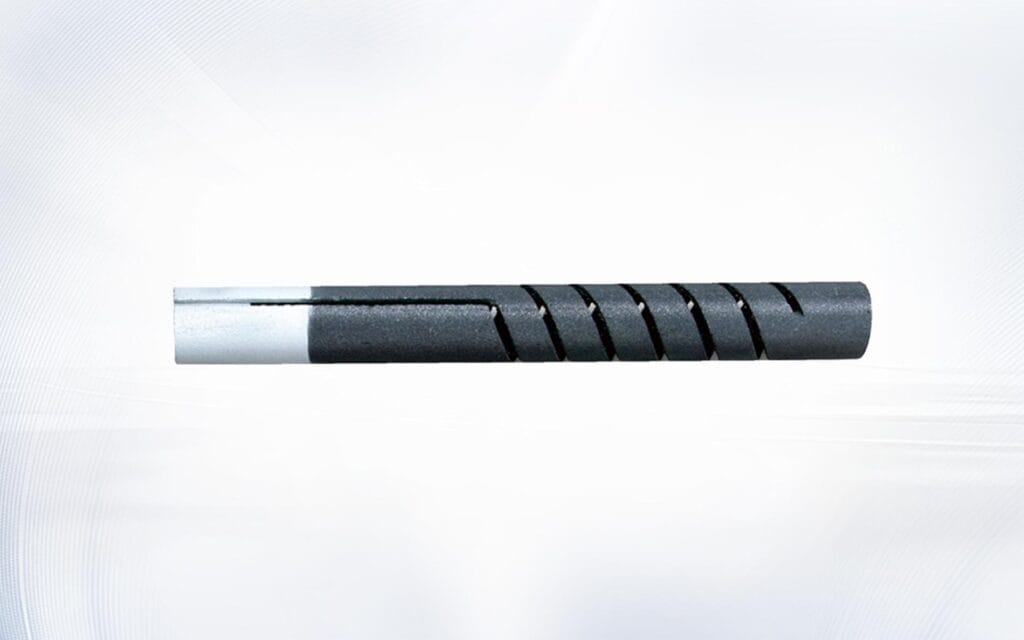
Spiral Silicon Carbide Heater Rods
Spiral silicon carbide heater rods are designed for applications requiring higher power density or special heating distribution. Single spiral and double spiral types can be selected depending on the furnace design.
These rods are often used where compact heating, special furnace geometry, or higher heat output is needed.
Custom Silicon Carbide Heater Rods
Custom silicon carbide heater rods are important for OEM furnace manufacturers and industrial users with special furnace structures. Customization may include:
- Total length
- Diameter
- Hot zone length
- Cold end length
- Resistance value
- Voltage and power
- Terminal design
- Shape and structure
- Packaging and labeling
For buyers replacing old heating rods, providing drawings or photos can help the manufacturer recommend the right replacement.
Key Specifications Buyers Should Know Before Ordering
Before ordering silicon carbide heater rods, buyers should confirm the technical parameters carefully. A small mismatch in size, resistance, or power may affect furnace performance or service life.
| Specification | Why It Matters | Buyer Should Provide |
|---|---|---|
| Total length | Determines whether the rod fits the furnace structure | Overall rod length |
| Diameter | Affects strength, resistance, and installation fit | Rod diameter |
| Hot zone length | Controls the main heating area | Furnace chamber width or heating zone |
| Cold end length | Affects connection and furnace wall installation | Cold end size requirement |
| Voltage | Must match the furnace power system | Rated voltage |
| Power | Determines heat output | Required wattage or furnace power |
| Resistance | Affects electrical matching and performance | Resistance value if available |
| Furnace temperature | Helps select suitable rod type | Maximum working temperature |
| Atmosphere | Affects oxidation and service life | Air, inert gas, reducing atmosphere, etc. |
| Quantity | Affects production planning and quotation | Sample order or bulk order |
Diameter and Total Length
Diameter and total length are basic but critical specifications. If the rod is too short, it may not fit the furnace properly. If it is too long, installation becomes difficult and may create mechanical stress.
Hot Zone Length and Cold End Length
The hot zone should match the furnace chamber area that requires heating. The cold ends should remain in a lower-temperature area as much as possible to protect the electrical connection.
Incorrect hot zone or cold end design may cause uneven heating, overheating near the furnace wall, or reduced service life.
Voltage, Power, and Resistance
The electrical parameters must match the furnace control system. If the resistance is not suitable, the heater may not reach the target temperature or may overload the power system.
When replacing old SiC heater rods, buyers should provide the original resistance, voltage, power, and connection method if possible.
Furnace Atmosphere
The furnace atmosphere can affect the performance and life of silicon carbide heating rods. Air, inert gas, reducing atmosphere, chemical vapors, and process contamination may influence oxidation and resistance aging.
This is why buyers should describe the actual application instead of only providing dimensions.
How to Choose the Right Silicon Carbide Heater Rods
Choosing the right silicon carbide heater rods requires more than selecting a standard size. The product should match the furnace type, working temperature, electrical system, and production process.
Match the Heater Rods with the Furnace Type
Different furnaces have different heating requirements. For example:
- Ceramic kilns need uniform heating and stable firing conditions.
- Glass furnaces may require resistance to special atmospheres.
- Heat treatment furnaces need accurate temperature control.
- Sintering furnaces often require high-temperature stability.
- Laboratory furnaces need compact and reliable heating elements.
The furnace structure also affects whether straight, U type, dumbbell, or spiral silicon carbide heater rods should be selected.
Confirm Operating Temperature
Operating temperature is one of the most important selection factors. Higher temperature usually places more stress on the heating element. Temperature also affects oxidation rate, resistance change, and service life.
Buyers should provide both normal working temperature and maximum operating temperature.
Consider Heating Uniformity
Heating uniformity depends on rod placement, power distribution, furnace insulation, control system, and airflow inside the furnace. Even high-quality SiC heating elements may not perform well if the layout is incorrect.
For new furnace projects, it is better to discuss the heating arrangement with the manufacturer before production.
Choose a Reliable Manufacturer
A reliable silicon carbide heater rods manufacturer should provide more than products. Buyers should look for:
- Stable manufacturing capability
- Custom design support
- Technical communication
- Resistance testing
- Size inspection
- Safe packaging
- Export experience
- After-sales support
Direct communication with the manufacturer can reduce mistakes and improve project efficiency.
Silicon Carbide Heater Rods Price: What Affects the Cost?
The price of silicon carbide heater rods depends on several factors. Buyers often ask for a unit price, but accurate quotation requires technical details.
Size and Structure
Larger diameter, longer length, and more complex structures usually increase production cost. U type, spiral type, and special custom designs may cost more than standard straight rods.
Material and Process
Material quality, forming process, sintering process, resistance control, and inspection standards can affect both cost and performance. A lower price may not always mean better value if service life is shorter or failure risk is higher.
Electrical Requirements
Special voltage, power, or resistance requirements may require customized production. For OEM furnace manufacturers, consistent resistance control is especially important.
Order Quantity
Bulk orders usually offer better unit pricing than small sample orders. However, samples are often useful for testing before mass purchasing.
Packaging and Shipping
Silicon carbide heater rods are brittle compared with metal parts, so safe packaging is important. Export packaging, wooden cases, foam protection, and shipping method can all affect final cost.
How to Install Silicon Carbide Heater Rods Correctly
Correct installation helps extend service life and reduce failure risk. Many heating rod problems are related not only to product quality but also to installation, wiring, and furnace operation.
Check Before Installation
Before installation, inspect each rod carefully. Check for visible cracks, broken ends, incorrect dimensions, or abnormal resistance. If the rod is damaged during transport, it should not be installed.
Avoid Mechanical Stress
Silicon carbide heater rods should not be forced into position. Avoid bending, hitting, or tightening too much. The rod should have enough space for thermal expansion during heating.
Mechanical stress can lead to cracking or breakage during operation.
Keep Proper Spacing
There should be enough distance between rods, furnace walls, and the workpieces inside the furnace. Poor spacing may cause local overheating, uneven temperature, or damage caused by contact.
Use Suitable Electrical Connections
Connection parts should be clean, tight, and suitable for the operating current. Loose connections can cause overheating, unstable current, or local damage.
Common connection accessories include clamps, aluminum straps, terminal clips, and braided connectors.
Use Proper Power Control
Because the resistance of silicon carbide heating elements may increase over time, the furnace power system should allow adjustment. Some technical guides recommend using adjustable power control to maintain the required furnace temperature as the elements age.
How to Extend the Service Life of Silicon Carbide Heater Rods
The service life of silicon carbide heater rods depends on working temperature, surface load, atmosphere, operation mode, power control, and maintenance. Technical references note that factors such as furnace temperature, surface loading, atmosphere, continuous or intermittent operation, and power control method can affect aging rate.
Avoid Excessive Surface Load
Surface load is one of the key factors affecting service life. If the watt loading is too high, the element surface temperature increases, which may accelerate aging.
A suitable surface load should be selected according to furnace type, operating temperature, and application.
Reduce Rapid Thermal Shock
Frequent rapid heating and cooling may shorten the life of heating elements. A reasonable heating curve helps protect both the furnace lining and the heating rods.
Maintain a Stable Furnace Atmosphere
Chemical vapors, dust, process gases, and reducing atmospheres can affect element performance. Keeping the furnace clean and controlling the atmosphere helps reduce unexpected failure.
Replace Aging Rods Properly
When several rods are installed in one furnace zone, replacing only one old rod may create imbalance. In many cases, replacing rods in matched groups can help maintain uniform heating and stable electrical performance.
Keep Records
Maintenance records are useful for long-term furnace management. Record installation date, resistance value, working temperature, voltage, current, and replacement history. These records help predict future maintenance needs.
Common Problems with Silicon Carbide Heater Rods and Solutions
Even good-quality heating elements can fail if the furnace condition, installation, or electrical system is not suitable. Understanding common problems helps reduce downtime.
Silicon Carbide Heater Rods Not Heating
Possible causes include:
- Power supply failure
- Loose electrical connection
- Broken heating rod
- Incorrect wiring
- Resistance mismatch
- Control system problem
The first step is to check the power system and connection points. Then measure resistance to confirm whether the rod is still functional.
Heater Rods Break During Operation
Breakage may be caused by mechanical stress, poor support, thermal shock, furnace vibration, or contact with workpieces.
To prevent breakage, make sure rods are installed without force, supported correctly, and kept away from moving materials inside the furnace.
Uneven Furnace Temperature
Uneven temperature may be related to poor element layout, different resistance values, aging rods, damaged insulation, or incorrect power distribution.
For production furnaces, temperature uniformity should be checked regularly.
Resistance Increases Over Time
Resistance increase is a normal aging characteristic of silicon carbide heating elements. As resistance rises, the furnace may require higher voltage to maintain the same temperature. If the power system cannot compensate, the rods may need to be replaced.
Silicon Carbide Heater Rods vs Other Heating Elements
Different heating elements are suitable for different temperature ranges and furnace conditions. Silicon carbide heater rods are often compared with MoSi2 heating elements, metal heating elements, and ceramic heaters.
Silicon Carbide Heater Rods vs MoSi2 Heating Elements
MoSi2 heating elements are often used for very high-temperature applications. Silicon carbide heater rods are widely used in many industrial furnace applications because they offer a practical balance of high-temperature performance, cost, availability, and easy replacement.
The right choice depends on furnace temperature, atmosphere, budget, and process requirements.
Silicon Carbide Heater Rods vs Metal Heating Elements
Metal heating elements such as FeCrAl or nickel-chromium elements are common in medium-temperature applications. However, for higher temperature furnace conditions, silicon carbide heater rods often provide better suitability.
For users upgrading from metal elements, furnace design and power control should be reviewed before switching to SiC heating rods.
Silicon Carbide Heater Rods vs Ceramic Heaters
Ceramic heaters are used in many heating systems, but silicon carbide heater rods are more common in industrial high-temperature furnaces. They are especially useful where the furnace chamber requires radiant heating at high temperatures.
Why Buy Silicon Carbide Heater Rods from a Manufacturer?
Buying directly from a silicon carbide heater rods manufacturer can help industrial buyers reduce communication errors, improve customization accuracy, and control procurement costs.
Better Product Matching
A manufacturer can recommend products based on furnace type, temperature, voltage, power, size, and atmosphere. This helps avoid wrong selection and unnecessary replacement costs.
Custom Production Capability
Standard rods may not fit every furnace. As a manufacturer, we can produce custom silicon carbide heater rods according to drawings, samples, or detailed technical requirements.
Custom options may include rod type, length, diameter, resistance, hot zone, cold end, terminal structure, and packaging.
Stable Quality Control
Manufacturing control is important for heating elements. Inspection may include size checking, resistance testing, appearance inspection, and packaging inspection before shipment.
Competitive Pricing for Bulk Orders
Factory direct supply is suitable for furnace manufacturers, distributors, maintenance companies, and industrial users who need regular replacement. Bulk orders can reduce unit cost and support long-term supply stability.
Faster Technical Communication
When buyers communicate directly with the manufacturer, technical questions can be solved faster. This is especially important for OEM furnace projects, urgent replacement orders, and customized heating element designs.
What Information Should Buyers Provide for a Quotation?
To receive an accurate quotation for silicon carbide heater rods, buyers should provide as much information as possible.
Furnace Information
Provide the furnace type and application, such as ceramic kiln, glass furnace, heat treatment furnace, sintering furnace, muffle furnace, or laboratory furnace.
Size Requirements
Provide total length, diameter, hot zone length, cold end length, and terminal structure. If drawings are available, they are very helpful.
Electrical Parameters
Provide voltage, power, resistance, phase connection, and wiring method. If replacing old rods, photos of the nameplate, old rods, or connection parts can help.
Operating Conditions
Provide working temperature, maximum temperature, furnace atmosphere, heating cycle, and whether the furnace operates continuously or intermittently.
Order Details
Provide quantity, destination country, packaging requirements, and expected delivery time. For OEM customers, annual demand or batch order plan can also help with pricing.
Conclusion
Silicon carbide heater rods are important high-temperature heating elements for industrial furnaces, ceramic kilns, glass furnaces, heat treatment equipment, sintering furnaces, and laboratory heating systems. They offer strong high-temperature performance, flexible structure options, and practical value for many demanding heating applications.
For buyers, the right choice depends on more than size or price. Furnace temperature, atmosphere, voltage, power, resistance, hot zone length, cold end design, installation method, and power control all affect performance and service life.
As a professional silicon carbide heater rods manufacturer, we provide standard and custom SiC heating elements for different industrial furnace applications. Whether you need straight silicon carbide heater rods, U type SiC heating rods, spiral silicon carbide heating elements, or custom furnace heating rods, our team can help you select the right solution based on your furnace design and operating conditions.
If you are planning a new furnace project, replacing old heating elements, or looking for a long-term silicon carbide heater rods supplier, contact us with your drawings, specifications, or furnace details. We can provide technical support, product recommendations, and a quotation for your application.
FAQ
What are silicon carbide heater rods used for?
Silicon carbide heater rods are used in high-temperature electric furnaces, ceramic kilns, glass furnaces, heat treatment furnaces, sintering furnaces, laboratory furnaces, and other industrial heating equipment.
Can silicon carbide heater rods be customized?
Yes. A manufacturer can customize silicon carbide heater rods based on length, diameter, hot zone, cold end, resistance, voltage, power, shape, and furnace application.
How long do silicon carbide heater rods last?
Service life depends on operating temperature, furnace atmosphere, surface load, heating cycle, installation quality, and power control. Proper selection and installation can help extend service life.
Why do silicon carbide heater rods fail?
Common causes include thermal shock, mechanical stress, oxidation aging, incorrect surface load, poor electrical connection, unsuitable furnace atmosphere, or contact with workpieces.
How do I choose the right silicon carbide heater rods?
You should confirm furnace type, working temperature, atmosphere, voltage, power, resistance, dimensions, installation space, and heating uniformity requirements. Working with a manufacturer can make selection easier and more accurate.