Industrial furnace problems rarely start as dramatic failures. More often, they begin with small warning signs: one side of the furnace takes longer to reach temperature, products come out with inconsistent color, firing results vary from batch to batch, or operators need to increase power settings more often than before.
In many high-temperature furnaces, these problems are closely connected to the condition, layout, and selection of silicon carbide heating elements.
For ceramic kilns, glass processing furnaces, metallurgical heat treatment equipment, electronic material sintering furnaces, and laboratory high-temperature furnaces, the heating element is not just a replaceable part. It is a key factor behind temperature uniformity, energy stability, production repeatability, and long-term operating reliability.
This guide explains how to choose, install, inspect, and replace silicon carbide heating elements from a practical furnace operation perspective. Instead of only discussing product types, it focuses on one real production problem buyers care about: how to reduce hot spots, cold zones, unstable resistance, and unexpected downtime.
For available product structures, you can view Qixiang’s full range of silicon carbide heating elements or contact the team through the Contact Us page for furnace-specific selection support.
Table of Contents
Why Silicon Carbide Heating Elements Matter in High-Temperature Furnaces
Silicon carbide heating elements are electric resistance heating components made from silicon carbide material. In industrial furnaces, they convert electrical energy into heat and provide stable high-temperature output for continuous or cyclic production.
The material itself is valued because silicon carbide offers high-temperature strength, oxidation resistance, thermal shock resistance, and good thermal conductivity. These properties make it suitable for harsh furnace environments where ordinary metallic heating elements may not provide enough temperature capability or service stability.
In actual production, however, performance does not depend only on the material. A well-designed silicon carbide heating element system must match the furnace chamber, power supply, operating temperature, atmosphere, loading method, and maintenance plan.
A good element choice can help a furnace achieve:
- More even heat distribution
- Faster and more stable temperature rise
- Lower risk of local overheating
- Better resistance consistency between zones
- Longer replacement intervals
- More predictable batch quality
A poor choice can create the opposite result: temperature imbalance, accelerated aging, terminal overheating, unnecessary power adjustment, and avoidable production stops.
The Real Problem: Hot Spots Are Usually a System Issue
When a furnace develops hot spots, many operators first blame the heating element itself. Sometimes the element is the problem, but in many cases the cause is broader.
A hot spot may result from mismatched resistance, uneven element aging, poor electrical connection, incorrect element spacing, blocked heat radiation, improper loading, or a furnace zone control issue. Replacing one visible damaged element without checking the system may only solve the symptom temporarily.
A practical diagnosis should ask:
- Are all elements in the same zone aging at a similar rate?
- Are the electrical connections tight and clean?
- Is the element surface contaminated by process vapor, glaze, dust, or chemical deposits?
- Is product loading blocking heat radiation from one side?
- Are the elements correctly positioned relative to the furnace chamber?
- Is the power supply still suitable for the resistance increase of aged elements?
- Are old and new elements mixed in the same control zone?
This is why silicon carbide heating elements should be selected and maintained as part of the whole furnace heating system, not treated as isolated consumables.
Industrial process heating also has a direct impact on plant efficiency and product quality. The U.S. Department of Energy notes that better operating practices and improved process heating technologies can support energy savings in industrial facilities. You can review its overview of process heating systems for broader context.
How Silicon Carbide Heating Elements Work in a Furnace
A silicon carbide heating element normally has a heating section and cold ends. The heating section reaches high temperature and radiates heat into the furnace chamber. The cold ends are designed for electrical connection and should remain relatively cooler than the active heating zone.
As current passes through the element, electrical resistance generates heat. During operation, the element gradually ages. Its resistance increases over time because of oxidation, microstructural changes, surface reactions, and long exposure to high temperature.
This aging process is normal. The key is not to eliminate aging completely, but to manage it intelligently.
For example, a furnace that uses matched elements, balanced zoning, correct terminal accessories, and regular resistance tracking will usually perform more predictably than a furnace where elements are replaced one by one without records.
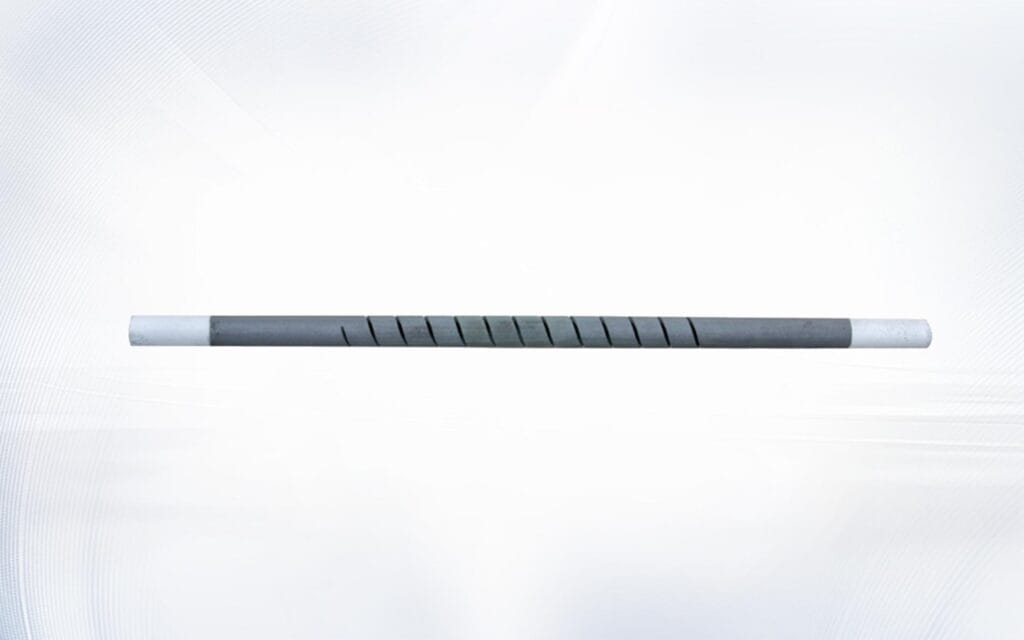
For standard rod-type furnace layouts, Qixiang’s DH Type SIC Heating Element can be considered for applications that need a straight, uniform-diameter heating element structure.
Choosing the Right Element Structure for the Furnace Layout
Different furnace structures require different element shapes. Choosing the wrong structure can create installation stress, uneven heating, poor electrical connection, or limited heat coverage.
The most common selection logic starts with the furnace design.
Straight Rod Elements
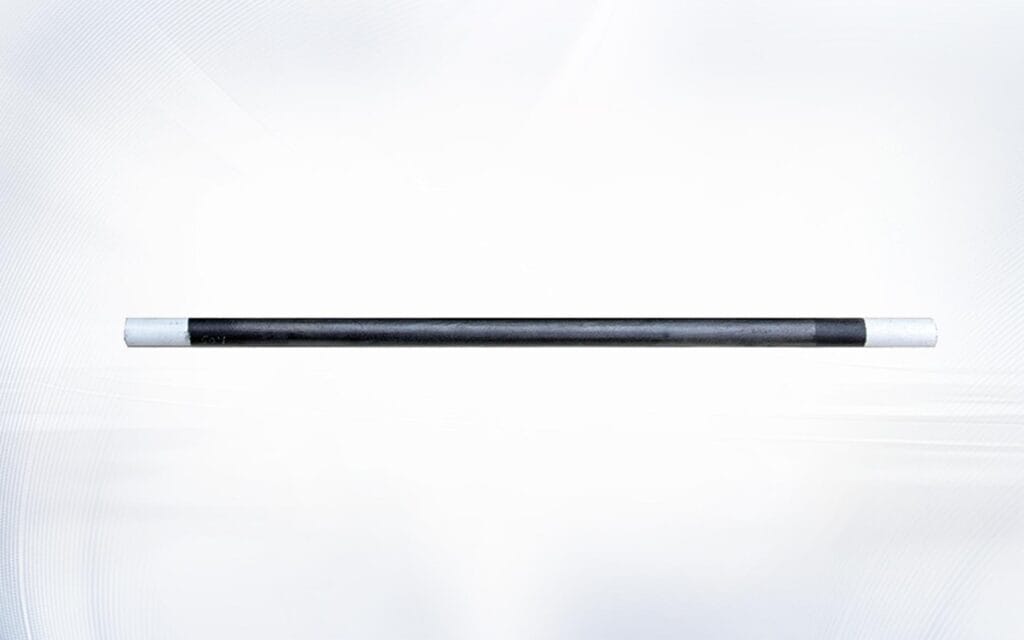
Straight rod silicon carbide heating elements are widely used in industrial furnaces and laboratory furnaces. They are suitable when the furnace wall allows installation from both sides or when the chamber design supports a simple linear heating layout.
They are often used in:
- Ceramic sintering furnaces
- Glass heating furnaces
- Metallurgical heat treatment furnaces
- Laboratory high-temperature furnaces
- General electric resistance furnaces
Straight rods are easier to arrange symmetrically, which helps reduce temperature deviation when the furnace chamber is properly designed.
U-Shaped and Multi-Leg Elements
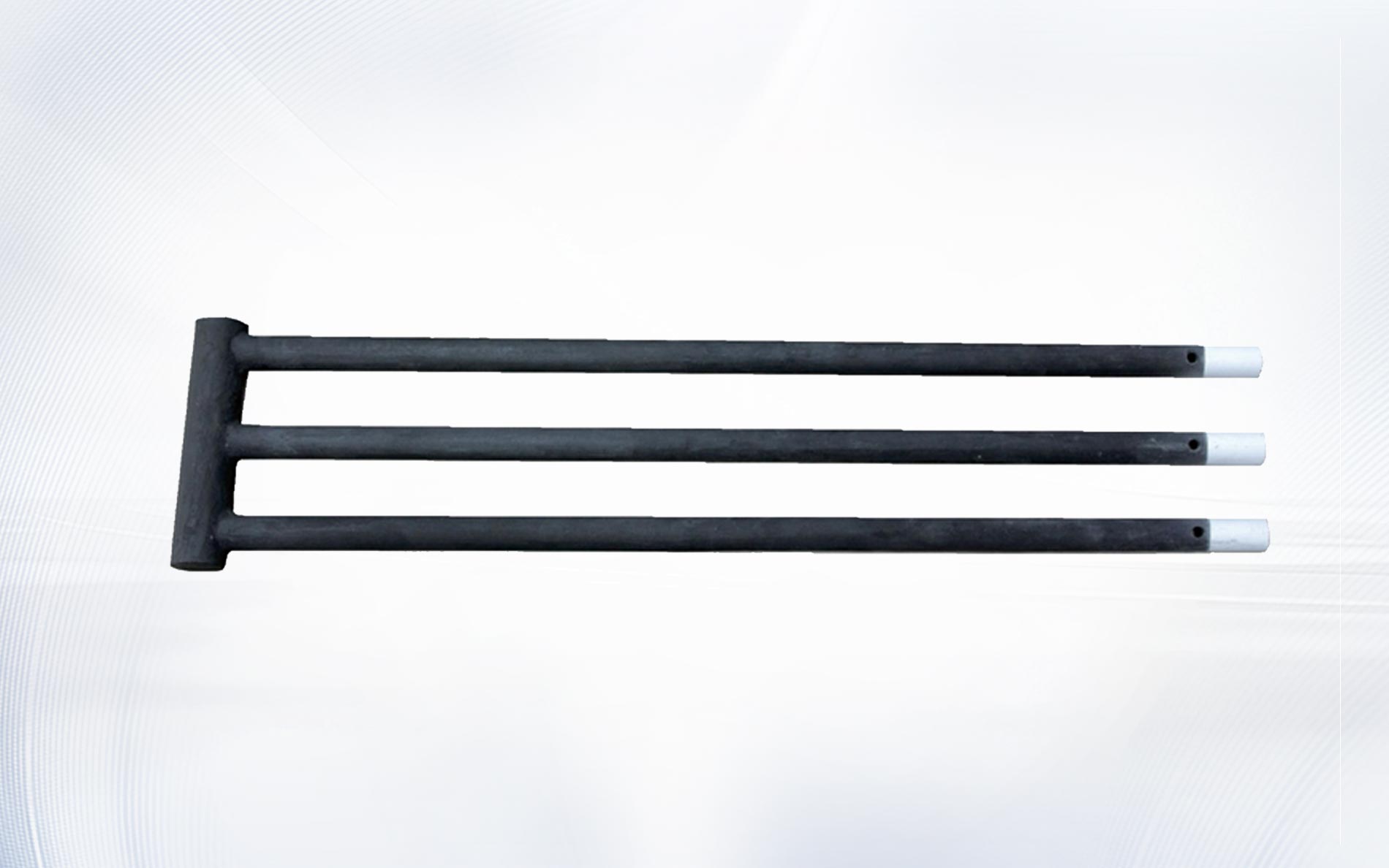
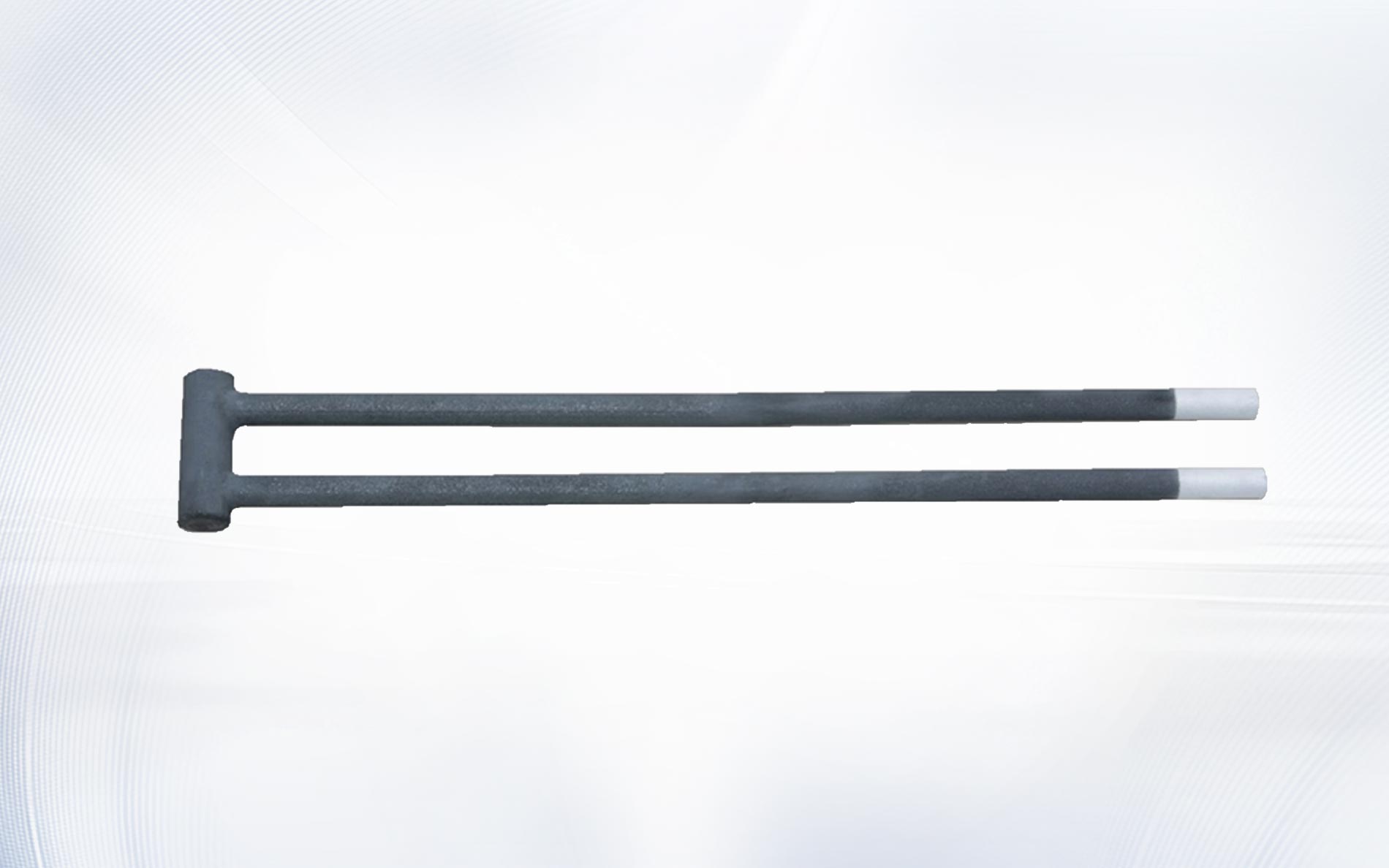
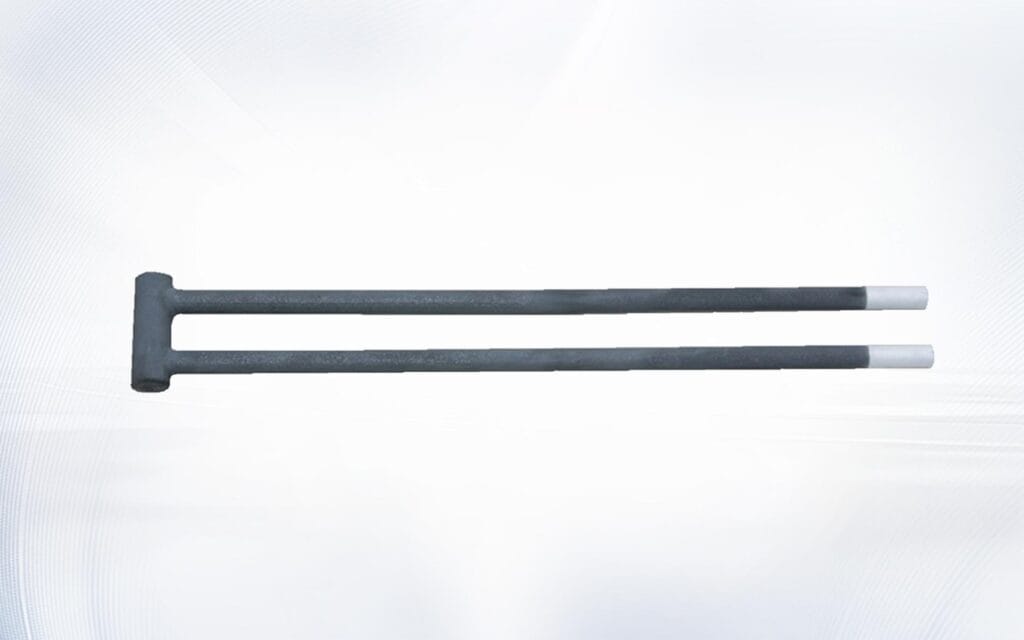
U-shaped or W-shaped silicon carbide rods are useful when the furnace design requires higher heating power in a compact area or when electrical connection is easier from one side. These shapes can also help improve heat distribution in specific chamber structures.
For large kilns or furnaces where stronger heating output and better heat coverage are required, a product such as the W Shaped Silicon Carbide Rod may be more suitable than a single straight element.
Single-End Elements
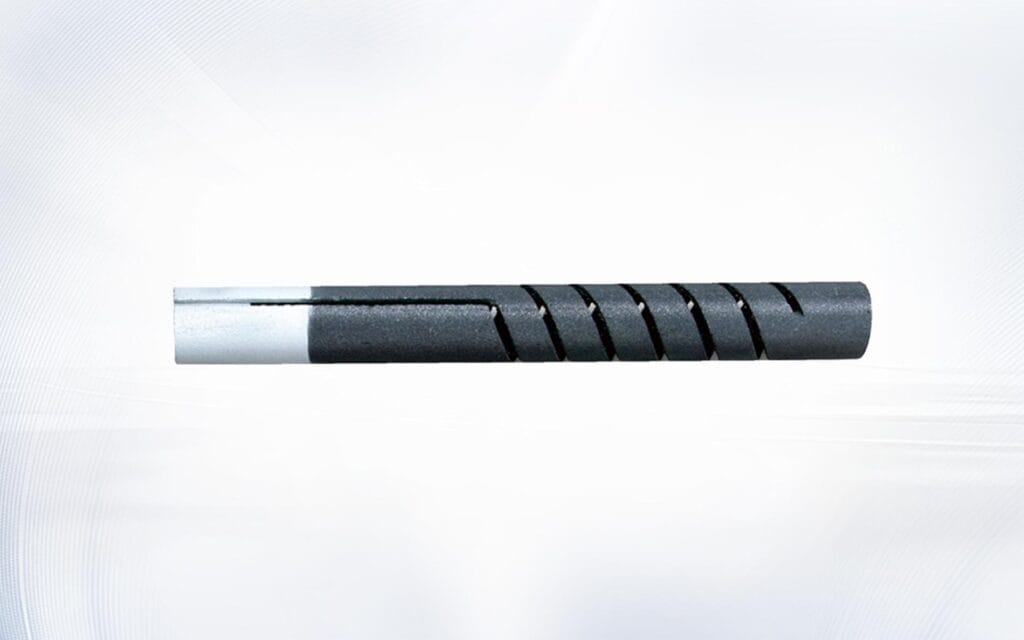
Some furnaces only allow installation from one side. In these cases, a single-end structure can simplify wiring and reduce installation complexity.
A product such as the UX Type Silicon Carbide Heating Element is designed for limited installation space and single-side wiring conditions. This type is especially useful for compact furnaces, laboratory equipment, and special furnace structures.
Accessories and Terminal Stability
Heating performance is not only about the element body. Clamps, conductive strips, and connection accessories also affect safety and stability. Loose or unsuitable connections can cause local overheating, current imbalance, and premature terminal damage.
For this reason, furnace buyers should also pay attention to compatible accessories such as a heating rod clamp when planning element replacement or new furnace installation.
Selection Table: Matching Element Type to Furnace Conditions
| Furnace Condition | Recommended Element Direction | Why It Matters |
|---|---|---|
| Standard industrial furnace with side-wall installation | Straight rod type | Simple layout, stable heating, easier replacement |
| Large kiln requiring stronger heat output | W-shaped or multi-leg structure | Higher heating area and improved heat coverage |
| Compact furnace with limited wiring space | Single-end type | Easier installation from one side |
| Laboratory furnace with precise chamber control | Uniform-diameter or compact element design | Supports stable heating in smaller chambers |
| Furnace with frequent replacement needs | Easy-access element structure with matching accessories | Reduces maintenance difficulty |
| High-temperature continuous operation | High-stability silicon carbide heating elements | Helps manage resistance aging and oxidation |
| Furnace with uneven temperature zones | Re-check element spacing, resistance grouping, and power balance | Hot spots are often caused by system imbalance |
| Retrofit or replacement project | Match original dimensions, resistance, cold end length, and installation space | Prevents connection and temperature deviation problems |
Key Parameters Buyers Should Confirm Before Ordering
A common mistake in furnace maintenance is ordering replacement elements based only on appearance. Two elements may look similar but perform differently if their dimensions, resistance, heating length, or cold-end design are different.
Before buying silicon carbide heating elements, confirm the following technical details:
Overall Length
Overall length determines whether the element fits the furnace wall, chamber width, insulation thickness, and connection area. A small dimensional mismatch can create installation stress or poor heat positioning.
Heating Zone Length
The heating zone must align with the furnace chamber. If the heating zone is too short, the furnace may develop cold areas. If it is too long, heat may concentrate near the wall or terminal region.
Cold End Length
Cold ends protect the connection area from excessive heat. If cold ends are too short, terminals may overheat. If they are too long, the active heating area may not cover the chamber properly.
Diameter
Diameter affects mechanical strength, resistance, heat output, and compatibility with existing furnace holes or brackets.
Resistance
Resistance must match the furnace electrical system. Incorrect resistance can affect power output, temperature rise speed, control accuracy, and element life.
Furnace Atmosphere
Air, reducing atmosphere, protective gas, chemical vapor, and process contamination can all affect element life. Even a high-quality element can fail early if the furnace atmosphere is not considered.
Operating Temperature
The maximum furnace temperature, working temperature, and heating cycle pattern should all be reviewed. Occasional peak temperature is different from continuous high-temperature operation.
Why Resistance Matching Is Critical
Silicon carbide heating elements increase in resistance as they age. If a furnace has multiple elements in one control zone, old and new elements should not be randomly mixed without checking resistance.
When one element has much higher or lower resistance than others, the power distribution may become uneven. This can create local overheating, unstable temperature rise, and different aging speeds across the zone.
For better stability, many furnace maintenance teams group elements by resistance range. This helps ensure that each zone operates more evenly.
A practical replacement method is:
- Measure the resistance of existing elements.
- Identify elements with abnormal resistance.
- Replace elements by zone rather than only one visible failed piece when necessary.
- Avoid mixing significantly aged elements with new elements in the same electrical group.
- Record resistance data after installation.
- Recheck resistance after several operating cycles.
This approach helps operators move from emergency replacement to planned maintenance.
Installation Mistakes That Shorten Element Life
Even a correctly selected silicon carbide heating elements can fail early if installation is poor. Many avoidable failures happen during mounting, wiring, or first heat-up.
Common installation mistakes include:
- Forcing the element into misaligned furnace holes
- Tightening clamps too aggressively
- Leaving poor contact at the terminal
- Allowing the element to touch furnace lining or support bricks improperly
- Installing elements too close to the load
- Ignoring expansion space
- Using damaged or contaminated accessories
- Starting the furnace too aggressively after replacement
Silicon carbide is strong at high temperature, but it is still a ceramic material. It should not be bent, dropped, impacted, or installed under mechanical stress.
After installation, check that the element is properly centered, the terminals are secure, and the element has enough space for thermal expansion. A careful installation process often adds more value than replacing elements with a higher specification but installing them poorly.
Furnace Loading Also Affects Heating Element Performance
Many hot spot problems are not caused by the element alone. Product loading can change heat circulation and radiation inside the chamber.
For example, if heavy loads are placed too close to one side of the furnace, they may block radiant heat from the element surface. If products are stacked unevenly, one area may absorb more heat than another. If trays or fixtures reflect or shield heat, the furnace may show temperature differences even when all elements are working normally.
A better loading practice includes:
- Keeping enough distance between the load and heating elements
- Avoiding direct contact between products and furnace walls
- Maintaining consistent loading patterns between batches
- Using fixtures that allow heat circulation
- Avoiding sudden changes in load density
- Checking temperature uniformity after changing product type
For buyers, this means heating element selection should be discussed together with production process, product size, batch weight, and loading method.
Maintenance Schedule for Silicon Carbide Heating Elements
A good maintenance plan does not need to be complicated. It needs to be consistent.
The following inspection points are useful for most industrial furnaces:
| Inspection Item | What to Check | Why It Matters |
| Element surface | Cracks, oxidation, contamination, deformation | Early signs of aging or process attack |
| Resistance value | Compare with original and previous readings | Helps predict replacement timing |
| Terminal connection | Loose clamps, discoloration, overheating | Prevents electrical failure |
| Furnace wall holes | Wear, dust, misalignment, insulation damage | Reduces mechanical stress on elements |
| Temperature uniformity | Cold zones, hot spots, slow heating areas | Reveals system imbalance |
| Power setting trend | Increasing power demand over time | May indicate element aging |
| Load pattern | Product position, density, fixture shielding | Prevents false diagnosis of element problems |
| Replacement records | Date, resistance, zone, model, failure reason | Supports planned maintenance |
For continuous production lines, checking only after a failure is not enough. Resistance tracking and visual inspection should become part of routine furnace management.
When Should Silicon Carbide Heating Elements Be Replaced?
There is no single replacement interval that fits every furnace. Element life depends on temperature, atmosphere, power load, installation quality, heating cycles, contamination, and maintenance practices.
However, replacement should be considered when:
- Furnace heating speed becomes noticeably slower
- Power settings need frequent adjustment
- Temperature uniformity becomes unstable
- Resistance increases beyond the useful control range
- Elements show cracks or severe surface degradation
- Terminals overheat repeatedly
- Product quality becomes inconsistent because of heat variation
- One furnace zone cannot reach the required temperature reliably
For critical production, waiting until complete failure is risky. Planned replacement is usually better than emergency shutdown, especially for kilns and furnaces where downtime affects batch quality.
A Practical Case: Uneven Firing in a Ceramic Kiln
A ceramic manufacturer noticed that products near the center of the kiln were firing correctly, but pieces near one side showed inconsistent surface results. Operators first increased the temperature setting, but the problem continued. Higher power also caused one zone to age faster.
After inspection, the issue was not only one weak element. Several elements in the same zone had different resistance levels because replacements had been made one by one over time. Some terminal connections were also slightly loose, causing uneven current distribution.
The maintenance team changed the approach:
- Resistance was measured across the zone.
- Elements were grouped more consistently.
- Loose terminal connections were replaced.
- Loading distance from the furnace wall was adjusted.
- A regular inspection record was created.
After these changes, the kiln reached temperature more predictably, firing results became more consistent, and emergency replacement frequency was reduced.
This type of case shows why silicon carbide heating elements should be managed as a furnace performance system rather than simple spare parts.
How to Reduce Hot Spots Before They Become Downtime
Hot spots usually become visible after the furnace has already lost balance. The better approach is to detect risk earlier.
Here are practical prevention steps:
Keep Element Layout Symmetrical
Uneven spacing creates uneven radiant heat. During installation or replacement, keep element positions consistent with the furnace design.
Avoid Mixing Old and New Elements Randomly
Old elements usually have higher resistance. Mixing them with new elements in the same zone can cause unstable power distribution.
Use Compatible Connection Accessories
Poor terminal contact causes local overheating. Matching clamps and conductive strips help maintain stable electrical connection.
Control Furnace Atmosphere
Chemical vapor, dust, glaze, and process contamination may attack the element surface. Keep the furnace chamber clean and review process atmosphere when abnormal aging appears.
Track Resistance Instead of Guessing
Resistance records provide useful evidence. They help operators know whether a problem is caused by element aging, power supply, loading, or control system issues.
Train Operators to Notice Early Signs
Slow heat-up, color differences, unstable product results, and repeated terminal discoloration are all useful warning signs.
What to Send a Supplier for Accurate Selection
For a supplier to recommend suitable silicon carbide heating elements, the more technical information you provide, the better the selection will be.
Before requesting a quote, prepare:
- Furnace type and application
- Working temperature and maximum temperature
- Furnace chamber size
- Current element drawing or photos
- Overall length, heating length, cold end length, and diameter
- Original resistance value if available
- Voltage and power information
- Installation method
- Furnace atmosphere
- Product being processed
- Current problem, such as hot spots, slow heating, short life, or terminal failure
For new furnace projects or replacement planning, you can submit these details through Qixiang’s Contact Us page. If the project requires multiple structures, the general Products page can also help buyers compare available element types and accessories.
Silicon Carbide Heating Elements vs Molybdenum Disilicide Heating Elements
Some buyers also compare silicon carbide heating elements with molybdenum disilicide heating elements. Both are used in high-temperature electric furnaces, but they are not selected in the same way.
Silicon carbide heating elements are often chosen for industrial furnaces requiring strong thermal stability, practical installation flexibility, and reliable performance in ceramic, glass, metallurgy, and laboratory heating applications.
Molybdenum disilicide heating elements are often considered for higher-temperature furnace conditions where their material characteristics are more suitable.
Qixiang also provides a Molybdenum Disilicide Heating Element option for furnace applications that require this type of high-temperature heating solution.
The right choice depends on operating temperature, atmosphere, furnace structure, power system, and maintenance expectations. Buyers should not select only by maximum temperature. The more important question is: which element type gives stable, repeatable, and maintainable performance in your actual furnace?
Buyer Checklist Before Confirming an Order
Before placing an order for silicon carbide heating elements, use this checklist:
- Confirm the furnace model and application.
- Measure existing element dimensions carefully.
- Check heating zone and cold end length.
- Confirm resistance requirements.
- Review furnace operating temperature.
- Confirm atmosphere and process contamination risk.
- Decide whether replacement should be done by single piece, group, or zone.
- Check whether clamps and conductive accessories also need replacement.
- Confirm installation direction and available space.
- Keep records for future maintenance.
This simple checklist can prevent many costly mistakes, especially when ordering replacement elements for older furnaces.
Why Work With a Specialized Silicon Carbide Heating Elements Manufacturer
For industrial buyers, the goal is not only to purchase a heating element. The real goal is to keep the furnace running with stable temperature, controlled maintenance, and fewer unexpected stops.
A specialized manufacturer can support buyers with:
- Multiple element structures
- Furnace-specific selection guidance
- Dimensional customization
- Heating zone and cold end matching
- Resistance control
- Accessory matching
- Replacement planning support
- Application experience across different high-temperature industries
Qixiang focuses on high-temperature electric heating solutions for industrial furnaces and laboratory equipment. The company provides multiple silicon carbide heating element structures for different furnace designs, including straight rods, shaped rods, single-end designs, accessories, and related high-temperature heating products.
You can explore the company’s product range from the silicon carbide heating elements category or send technical requirements through Contact Us for project support.
Conclusion
Silicon carbide heating elements play a critical role in furnace stability, product consistency, and maintenance planning. When selected and managed correctly, they help industrial furnaces maintain reliable high-temperature performance. When selected only by appearance or replaced without resistance records, they can contribute to hot spots, unstable heating, and unexpected downtime.
For better results, buyers should consider the full heating system: element structure, resistance matching, furnace layout, accessories, atmosphere, loading method, and maintenance schedule.
The best time to solve a hot spot problem is before it becomes a production failure. By choosing the right silicon carbide heating elements and building a clear inspection plan, furnace operators can improve heating consistency, reduce emergency replacement, and support more stable production.
FAQ
What are silicon carbide heating elements used for?
Silicon carbide heating elements are used in high-temperature electric furnaces, ceramic kilns, glass furnaces, metallurgical heat treatment furnaces, electronic material sintering equipment, and laboratory furnaces.
Why do silicon carbide heating elements age over time?
They age because long-term high-temperature operation gradually changes resistance and surface condition. Oxidation, furnace atmosphere, temperature cycles, and contamination can all influence the aging speed.
Can old and new silicon carbide heating elements be used together?
They can be used together only with caution. If resistance differences are too large, the furnace may develop uneven heating. It is better to check resistance and group elements properly before installation.
What causes hot spots in an industrial furnace?
Hot spots may be caused by uneven element resistance, poor terminal connection, incorrect spacing, blocked heat radiation, uneven loading, furnace atmosphere issues, or control system imbalance.
How do I choose the right silicon carbide heating element?
Confirm furnace type, working temperature, element dimensions, resistance, heating zone length, cold end length, installation method, atmosphere, and production process before selection.
When should silicon carbide heating elements be replaced?
They should be replaced when heating becomes slow, resistance increases beyond the useful range, temperature uniformity becomes unstable, terminals overheat, or visible cracks and severe surface damage appear.
Do accessories affect heating element performance?
Yes. Clamps, conductive strips, and terminal accessories affect electrical connection and safety. Poor contact can cause local overheating and shorten service life.
Where can I get help selecting silicon carbide heating elements?
You can review Qixiang’s silicon carbide heating elements or send furnace details through the Contact Us page for selection support.