Table of Contents
Introduction
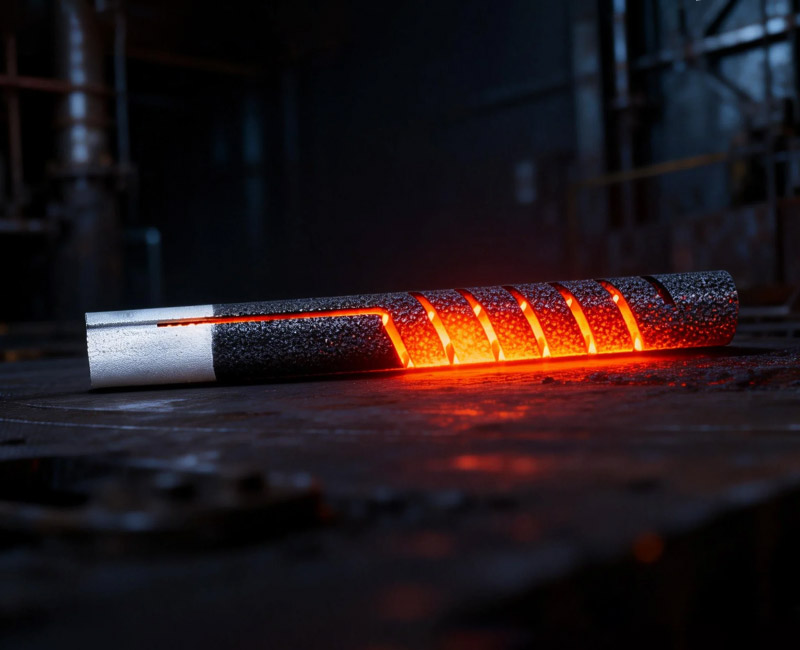
Silicon carbide heating elements are widely used in high-temperature industrial furnaces due to their excellent thermal stability, long service life, and efficient energy performance. As a professional manufacturer of silicon carbide heating elements, the focus is not only on producing reliable heating components but also on helping industrial buyers understand how to select the right solution for their specific furnace applications.
These heating elements are commonly applied in ceramics, metallurgy, glass production, heat treatment systems, and laboratory furnaces. Their ability to maintain stable performance under extreme conditions makes them a preferred choice for continuous industrial operations where temperature consistency is critical.
In modern industrial heating systems, material quality directly affects efficiency, operational cost, and equipment lifespan. This is why understanding silicon carbide heating elements from both a technical and practical perspective is essential for buyers and engineers.
What Are Silicon Carbide Heating Element and How They Work
Silicon carbide heating element is non-metallic resistance heating components made from high-purity silicon carbide. They operate by converting electrical energy into heat through resistance, making them suitable for extremely high-temperature environments.
When current passes through the silicon carbide rod, heat is generated due to its electrical resistance. As temperature increases, the element forms a protective silicon dioxide layer, which improves oxidation resistance and extends service life.
Unlike traditional metal heating elements, silicon carbide heating rods can operate at much higher temperatures while maintaining structural stability and consistent heating output.
Key Properties That Define High-Quality Silicon Carbide Heating Elements
The performance of silicon carbide heating elements depends heavily on material purity, manufacturing process, and structural design. High-quality elements offer several critical advantages:
- Excellent high-temperature resistance (up to industrial furnace levels)
- Strong oxidation resistance under continuous operation
- High mechanical strength at elevated temperatures
- Stable electrical resistance for consistent heating output
- Long operational lifespan with reduced maintenance needs
Performance Comparison of Heating Materials
| Heating Material | Max Temperature | Oxidation Resistance | Service Life | Energy Efficiency |
|---|---|---|---|---|
| Silicon Carbide Elements | Very High | Excellent | Long | High |
| Molybdenum Disilicide | High | Good | Medium | Medium-High |
| Graphite Heating Elements | Very High | Poor (oxidizes fast) | Short | Medium |
| Metal Heating Elements | Medium | Moderate | Medium | Medium |
This comparison shows why silicon carbide heating elements are widely chosen for demanding industrial furnace environments.
Types of Silicon Carbide Heating Elements Used in Industry
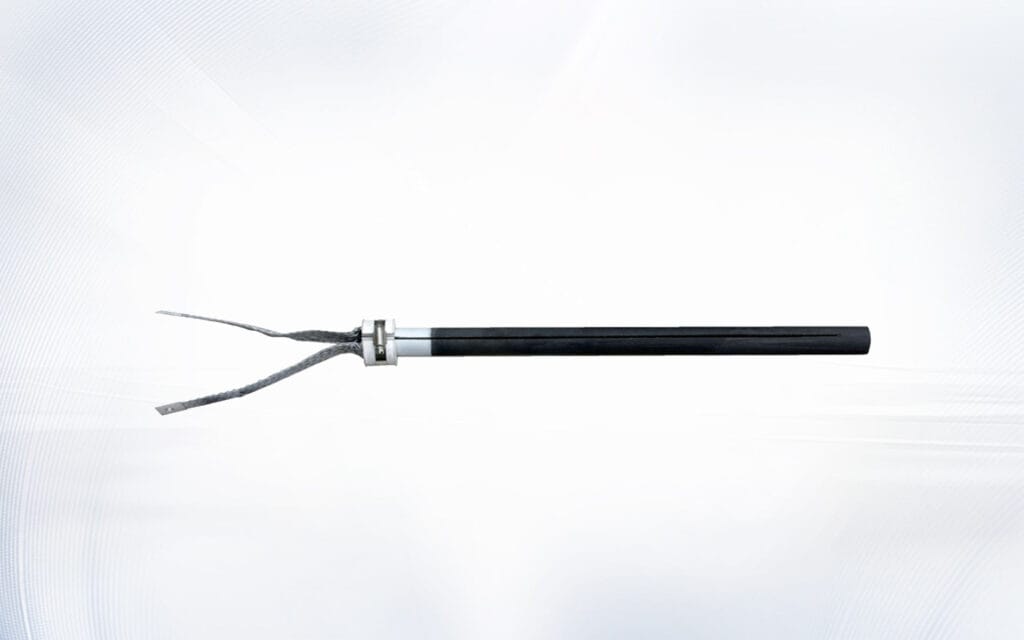
Different furnace designs require different heating element structures. Common types include:
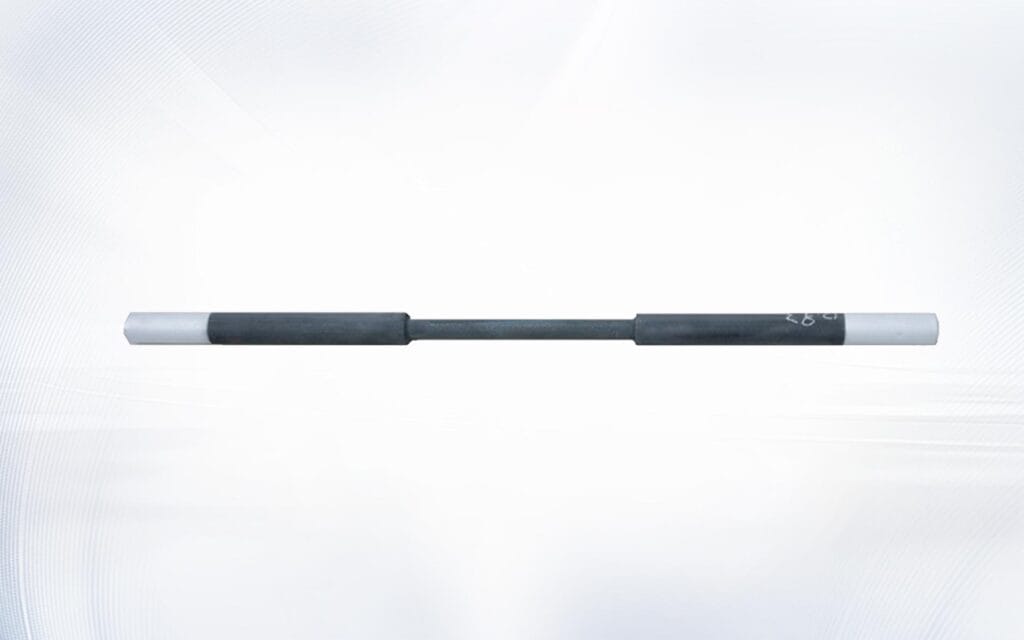
- Straight rod silicon carbide heating elements
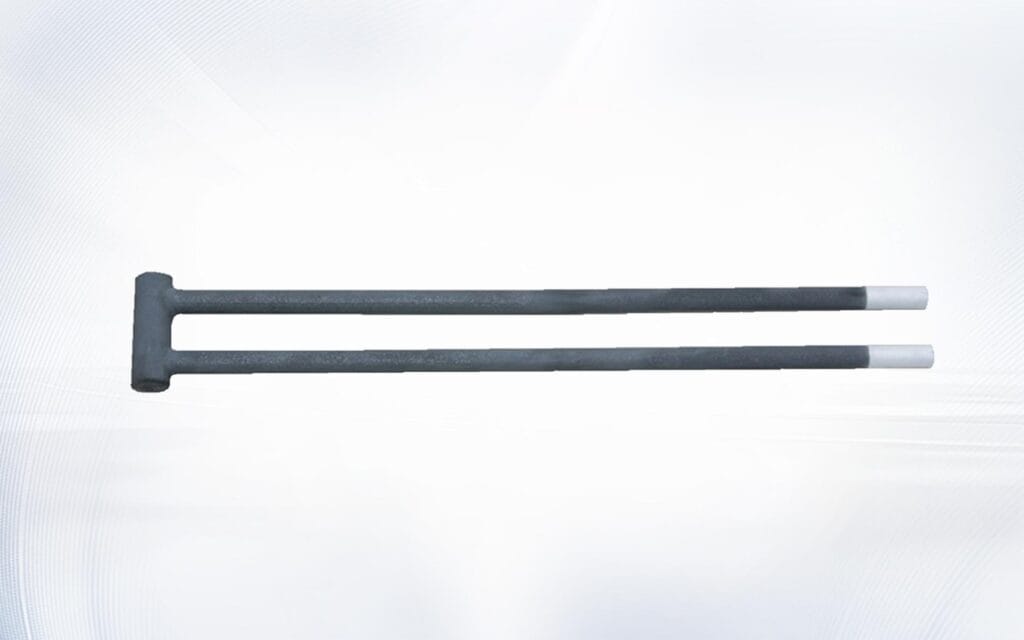
- U-shaped heating elements for balanced heat distribution
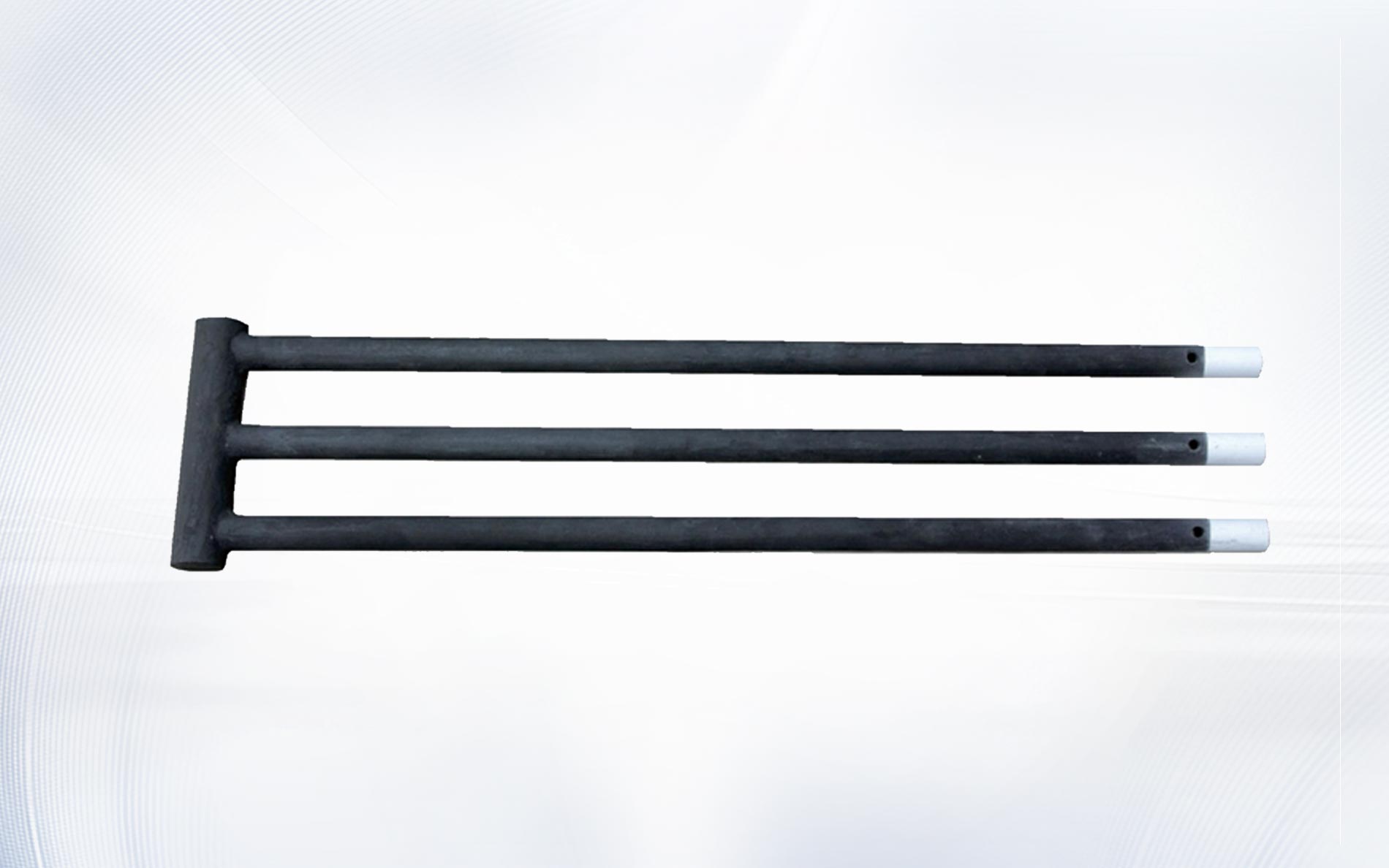
- W-type silicon carbide heating rods for high-power furnaces
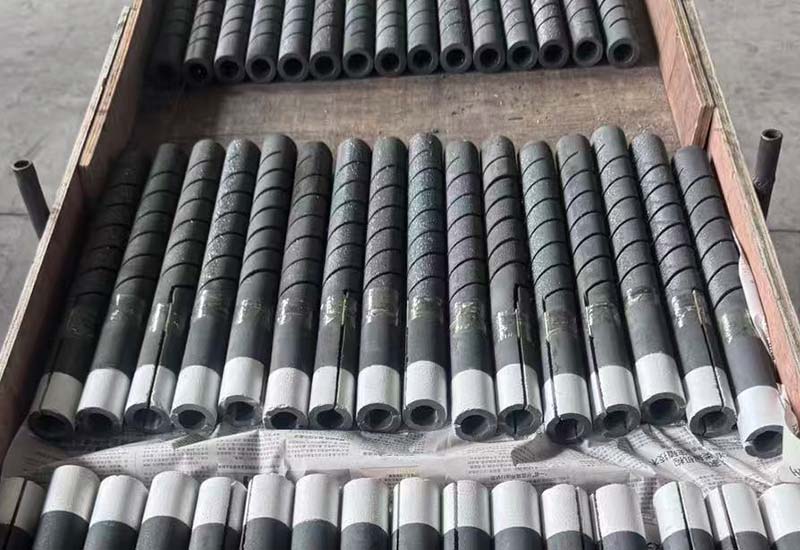
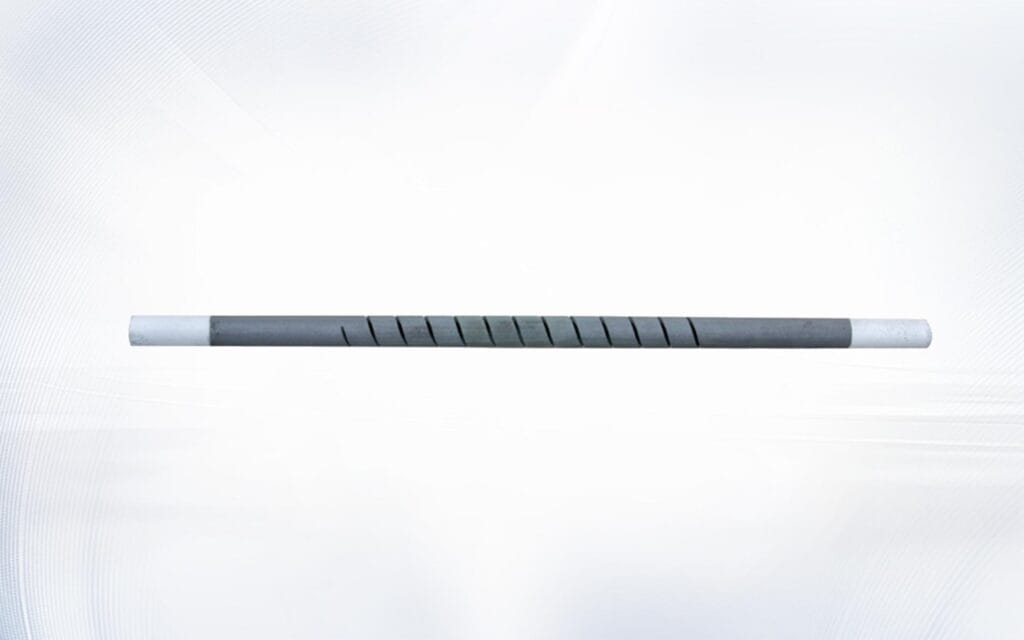
- Spiral designs for compact furnace structures
- Custom silicon carbide heating elements designed for specialized industrial systems
Each type is engineered to match specific furnace geometry, heating requirements, and installation conditions.
How to Choose the Right Silicon Carbide Heating Elements for Your Furnace
Selecting the correct silicon carbide heating elements requires careful evaluation of both technical and operational factors.
Key considerations include:
- Furnace operating temperature range
- Voltage and power requirements
- Heating efficiency and energy consumption
- Installation space and furnace structure
- Working atmosphere (oxidizing, reducing, or inert)
- Continuous or batch furnace operation
Choosing incorrectly may lead to uneven heating, reduced efficiency, or shortened service life. As a manufacturer, it is often recommended to evaluate both design specifications and real working conditions before final selection.
Common Selection Mistakes
- Ignoring actual furnace temperature fluctuations
- Selecting incorrect resistance specifications
- Overlooking installation constraints
- Focusing only on price instead of lifespan and performance
Silicon Carbide Heating Elements vs Other Heating Technologies
Silicon carbide heating elements are often compared with molybdenum disilicide and graphite heating systems. Each has its own advantages, but performance varies depending on application.
Silicon carbide stands out due to its balanced combination of temperature resistance, durability, and operational stability.
- Compared to molybdenum disilicide: better durability in long-term industrial use
- Compared to graphite: significantly better oxidation resistance
- Compared to metal heating elements: much higher temperature capability
For industrial kilns and continuous furnaces, silicon carbide heating elements often provide the most cost-effective long-term solution.
Applications of Silicon Carbide Heating Elements in Industrial Sectors
Silicon carbide heating elements are widely used across multiple industries due to their versatility and reliability:
- Ceramic and porcelain kiln systems
- Glass melting and processing furnaces
- Heat treatment and sintering furnaces
- Metallurgical processing equipment
- Laboratory and research furnaces
- Industrial drying and baking ovens
Different industries require different configurations, and manufacturers often provide customized designs to meet specific thermal and structural requirements.
Installation and Maintenance Best Practices for Silicon Carbide Heating Elements
Proper installation is essential for achieving maximum performance and extending service life.
Recommended practices include:
- Ensuring correct electrical connection and tightening
- Avoiding mechanical stress during installation
- Preventing sudden temperature shocks
- Maintaining stable furnace atmosphere conditions
- Regular inspection of resistance and surface condition
Common Failure Causes
- Thermal shock due to rapid temperature changes
- Improper voltage application
- Mechanical damage during installation
- Oxidation beyond operational limits
By controlling these factors, service life can be significantly extended and furnace downtime reduced.
Why Choosing a Reliable Manufacturer Matters
As a silicon carbide heating elements manufacturer, production quality control plays a decisive role in product performance. Factors such as raw material purity, sintering process, and resistance calibration directly affect stability in real industrial applications.
Working directly with a manufacturer provides several advantages:
- Stable product quality across batches
- Customization based on furnace requirements
- Better technical support and application guidance
- More competitive factory-direct pricing
- Faster response for industrial projects and bulk orders
High-performance heating systems depend not only on design but also on manufacturing precision and quality assurance.
Buying Guide: What Industrial Buyers Should Look For
Before purchasing silicon carbide heating elements, industrial buyers should evaluate both technical and supplier-related factors.
Key checklist:
- Verified technical specifications (temperature, resistance, dimensions)
- Manufacturing capability and production consistency
- Quality control standards
- Application experience in similar industries
- Lead time and supply reliability
- After-sales technical support
Supplier Evaluation Tips
- Request product samples for testing
- Compare lifespan performance, not just initial price
- Check customization capabilities for furnace compatibility
- Evaluate communication and technical responsiveness
A reliable supplier should provide both product stability and engineering support.
Conclusion
Silicon carbide heating elements remain one of the most efficient and reliable solutions for industrial high-temperature heating applications. Their superior thermal resistance, long service life, and stable performance make them essential components in modern furnace systems.
For industrial buyers, selecting the right heating element requires careful consideration of technical parameters, application requirements, and supplier reliability. As a manufacturer specializing in silicon carbide heating elements, delivering consistent quality and customized solutions is key to supporting global industrial heating needs.
By choosing the right product and working with a trusted manufacturer, industries can significantly improve furnace efficiency, reduce long-term operational costs, and achieve more stable production performance.
FAQ
What are silicon carbide heating elements used for?
Silicon carbide heating elements are mainly used in high-temperature industrial furnaces, including ceramic kilns, glass melting systems, heat treatment equipment, and metallurgical processes. They provide stable and efficient heating performance in continuous operations.
How high can silicon carbide heating elements temperature reach?
Silicon carbide heating elements can typically operate at very high temperatures, making them suitable for industrial furnace environments where metal heating elements cannot perform. Their excellent thermal stability allows consistent performance under extreme heat conditions.
What are the advantages of silicon carbide heating elements?
Key advantages include high temperature resistance, strong oxidation resistance, long service life, and stable electrical performance. These features make them ideal for industrial heating applications requiring continuous and reliable operation.
How do I choose the right silicon carbide heating elements for my furnace?
Selection depends on furnace temperature range, voltage requirements, heating power, installation space, and working atmosphere. Choosing the correct specifications ensures better efficiency, longer lifespan, and stable heating performance.
What affects the lifespan of silicon carbide heating elements?
Lifespan is influenced by operating temperature, heating and cooling speed, electrical load, installation quality, and furnace atmosphere. Proper installation and stable operation conditions can significantly extend service life.