Table of Contents
Introduction
Silicon carbide heating rods represent one of the most reliable and efficient heating solutions available for industrial furnace applications today. These advanced heating elements are manufactured from high-purity silicon carbide, a compound known for its exceptional thermal properties and durability at extreme temperatures. As a leading manufacturer of silicon carbide heating elements with years of industry experience, we understand the critical role these components play in maintaining optimal furnace performance across various high-temperature industrial processes.
In industrial heating applications, the choice of heating element directly impacts furnace efficiency, product quality, and operational costs. Silicon carbide heating rods have become the preferred choice for industries requiring consistent, high-temperature heating, including glass manufacturing, ceramic production, metallurgical processing, and semiconductor fabrication. Their ability to maintain stable performance at temperatures exceeding 1600°C makes them indispensable in modern industrial furnaces.
Why Choose Silicon Carbide Heating Rods Over Other Heating Elements
When selecting heating elements for industrial furnaces, the comparison between silicon carbide rods and alternative materials often reveals significant advantages in favor of silicon carbide. Traditional metal heating elements, such as nichrome or Kanthal, typically operate effectively up to 1200-1400°C, whereas silicon carbide rods can comfortably reach temperatures of 1600-1650°C in oxidizing atmospheres. This extended temperature range opens possibilities for applications that would be impossible or inefficient with metal elements.
Ceramic heating elements, while capable of high temperatures, often lack the mechanical strength and thermal shock resistance of silicon carbide heating rods. The superior thermal conductivity of silicon carbide—approximately 120 W/m·K compared to 2-5 W/m·K for most ceramics—ensures more rapid heat transfer and better temperature uniformity throughout the furnace chamber. This efficiency translates directly into reduced energy consumption and lower operational costs.
The longevity of silicon carbide heating elements also sets them apart. While metal elements may require replacement every few months in continuous high-temperature service, properly maintained silicon carbide rods can provide reliable performance for 12-18 months or longer. Industries including glass melting, ceramic firing, steel heat treatment, and aluminum melting have consistently reported reduced downtime and maintenance costs after switching to silicon carbide heating solutions.
Key Factors to Consider When Selecting a Silicon Carbide Heating Rod
Temperature Range Requirements
The first and most critical consideration when selecting silicon carbide heating rods is matching the temperature requirements to the rod specifications. Different furnace applications demand different temperature profiles, and selecting rods with appropriate maximum operating temperatures ensures both performance and longevity. For continuous operation, silicon carbide rods typically maintain optimal performance at temperatures 100-150°C below their maximum rating, creating a safety margin that extends service life.
Heat uniformity is equally important. Premium silicon carbide heating rods are designed to provide even heat distribution along their entire active length, minimizing hot spots that could damage furnace linings or create inconsistent product quality. When specifying rods for your furnace, consider the temperature gradient requirements of your specific application and choose elements rated accordingly.
Rod Shape and Size
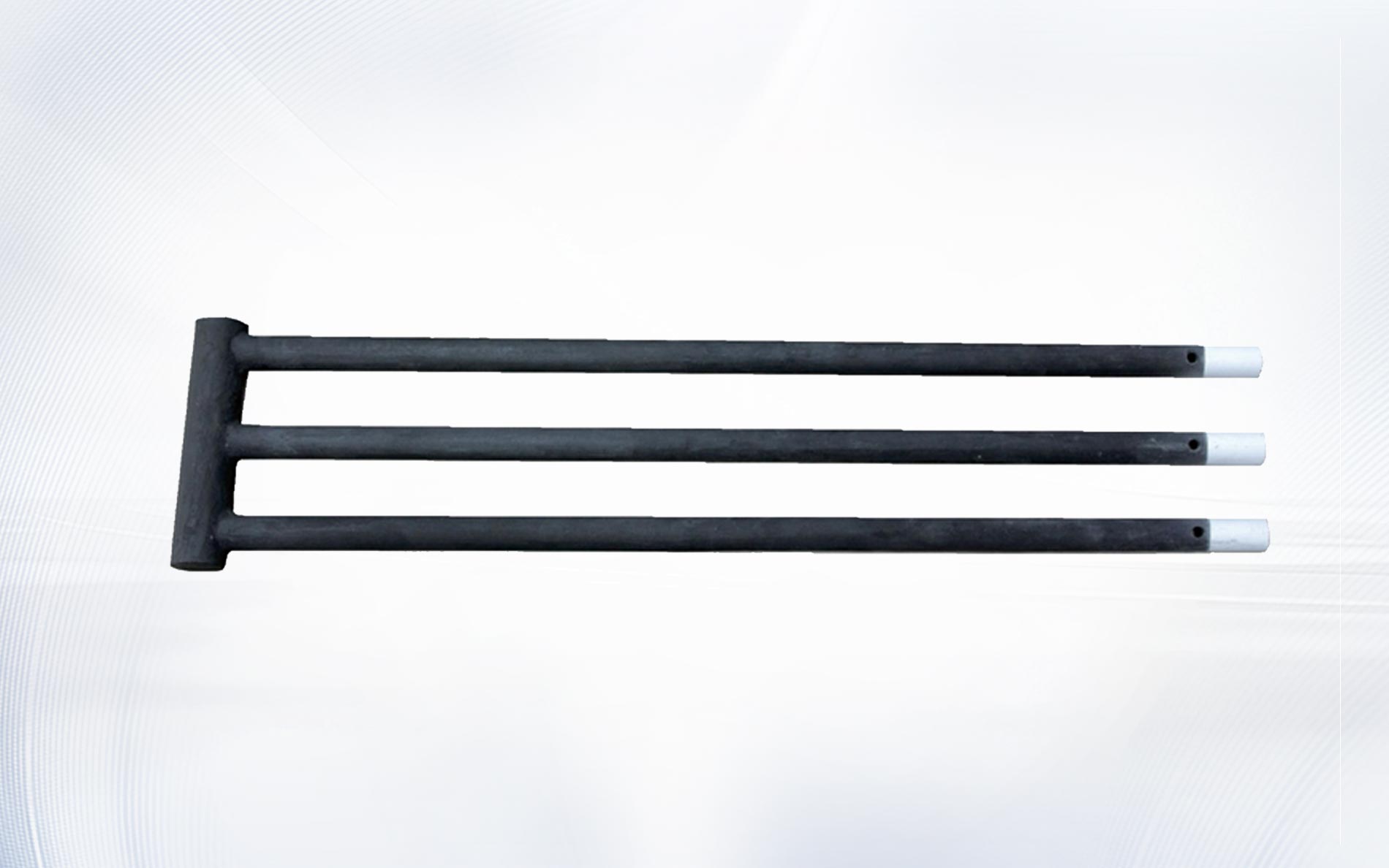
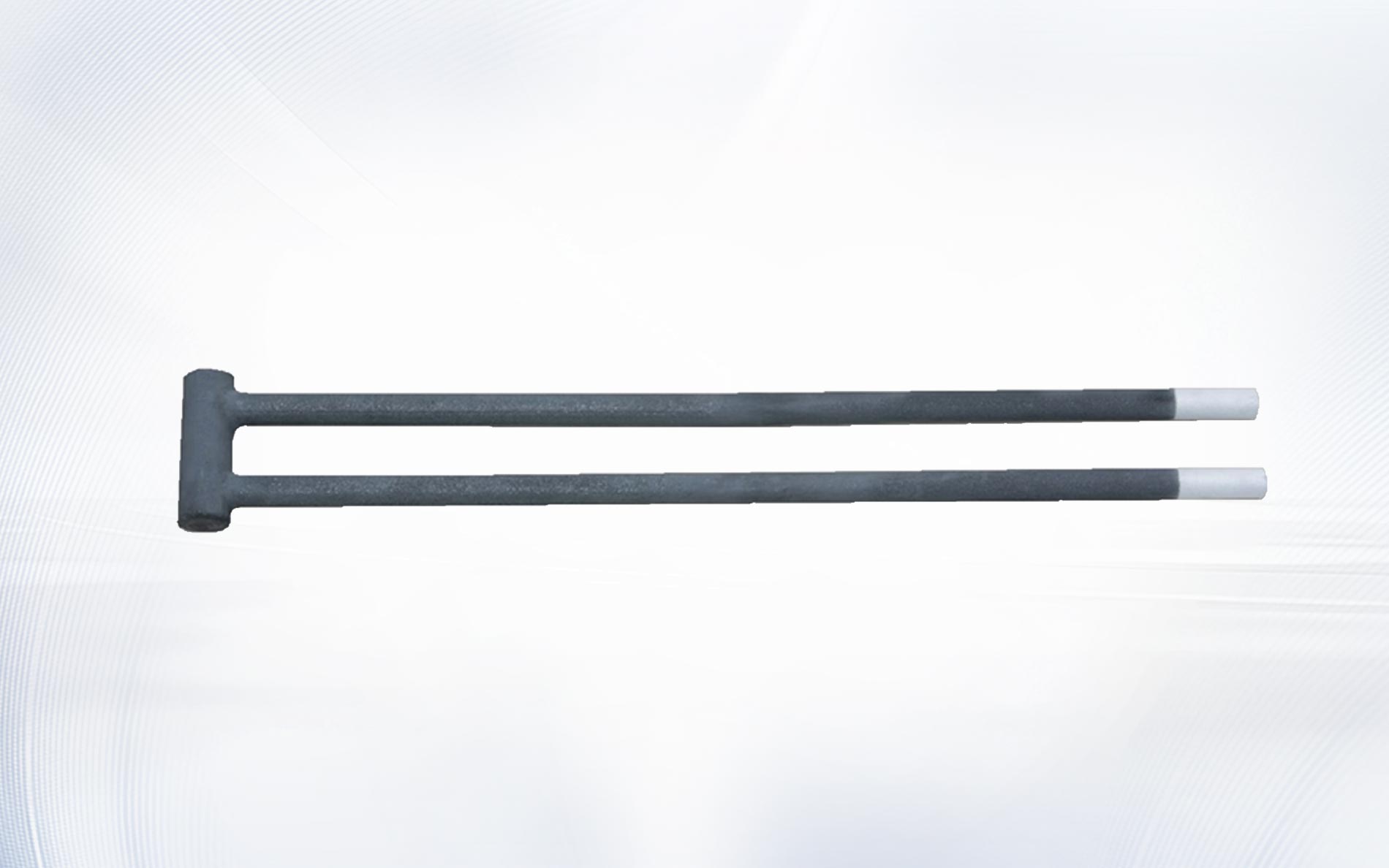
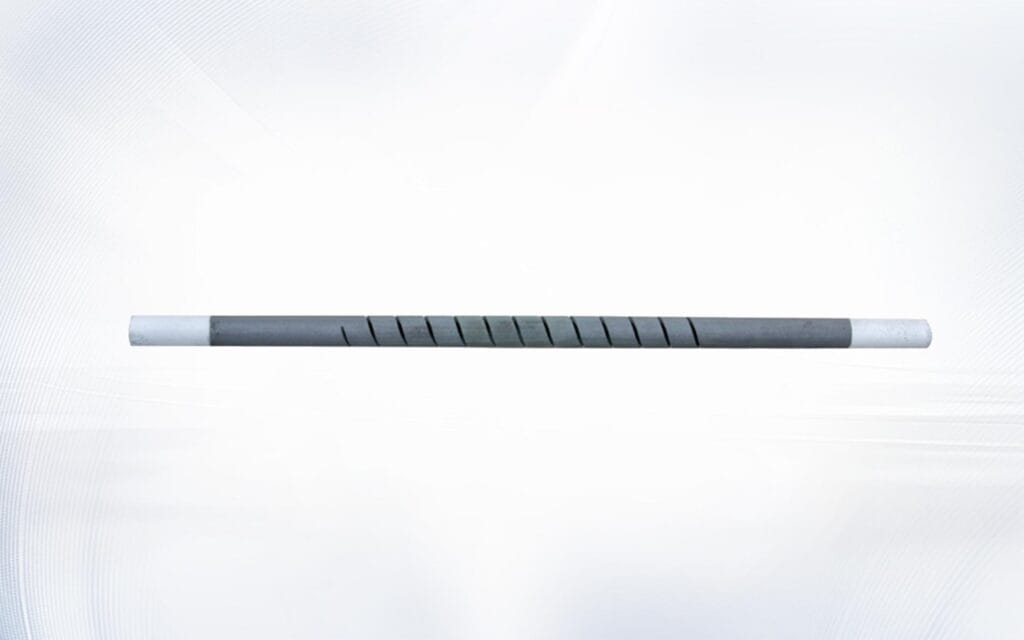
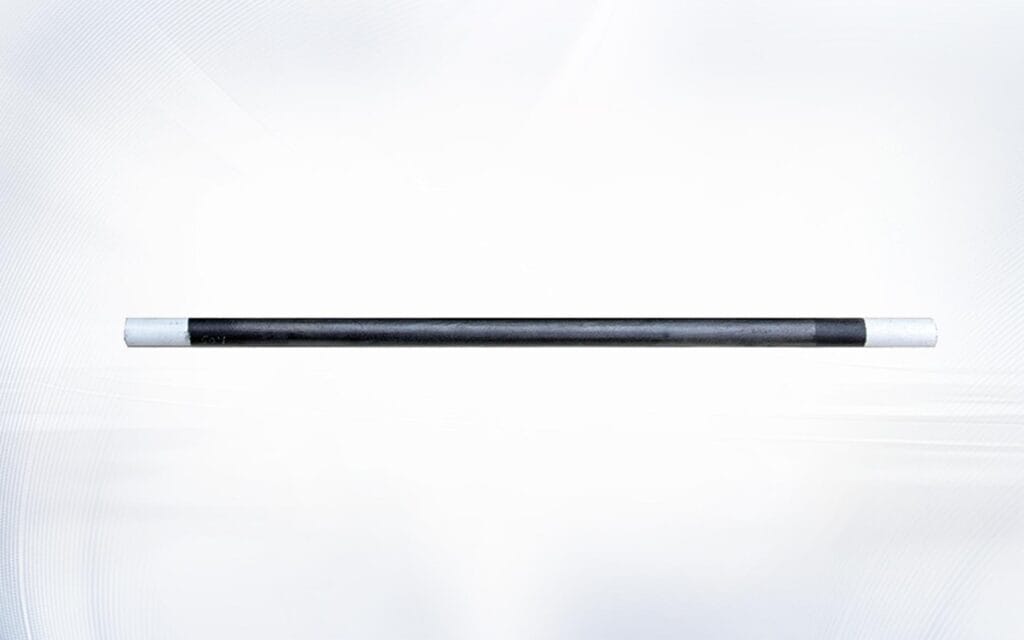
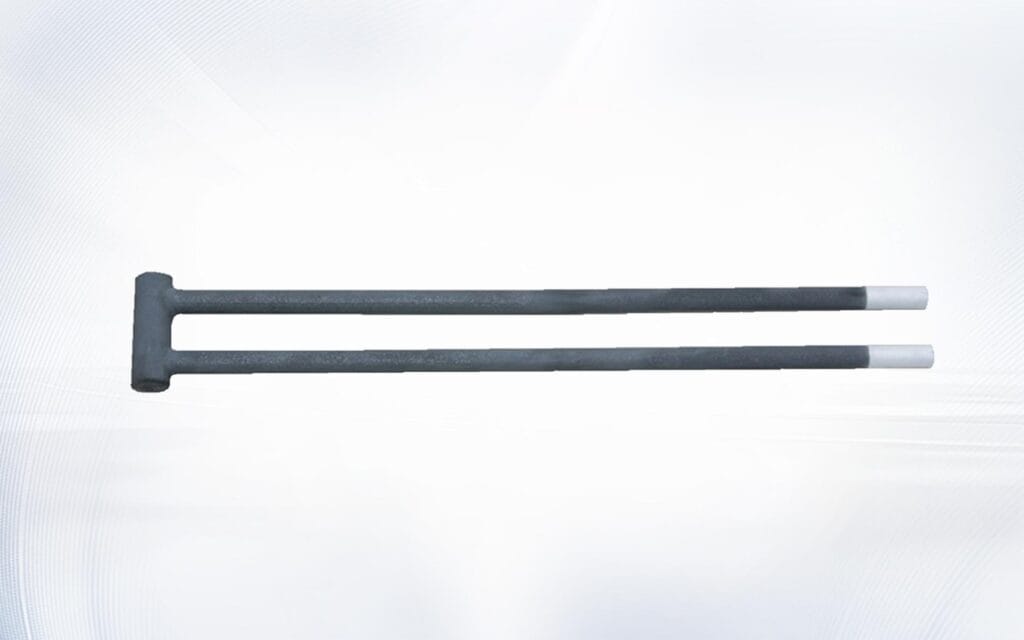
Silicon carbide heating rods come in various configurations, with M-type and H-type being the most common designs for industrial applications. M-type rods feature a simple cylindrical design with cold zones at both ends, making them ideal for standard furnace installations where space allows. H-type rods incorporate a central cold zone, effectively doubling the heating surface area in the same installation footprint, which is particularly valuable in space-constrained furnace designs.
The diameter and length of silicon carbide heating rods must be carefully matched to furnace dimensions and heating requirements. Standard diameters range from 8mm to 50mm, with lengths customizable to match furnace chamber dimensions. Larger diameter rods generally provide higher power capacity and better mechanical stability, while smaller diameters offer faster response times and more precise temperature control. Consideration of installation space, including clearance requirements for thermal expansion and electrical connections, is essential for proper rod selection.
Power and Watt Density
Determining the correct watt density—power per unit of surface area—is crucial for achieving uniform heating and maximizing rod longevity. The optimal watt density varies depending on furnace type, temperature requirements, and heat transfer characteristics of the load. Generally, watt densities between 5-15 W/cm² are suitable for most industrial applications, with lower densities preferred for very high-temperature operations to extend element life.
Higher watt densities provide faster heating but may reduce rod lifespan, while lower watt densities offer longer service life but slower temperature ramp rates. The total power requirement for your furnace should be calculated based on chamber volume, insulation quality, and process requirements, then distributed among an appropriate number of silicon carbide heating rods to achieve the desired watt density. Proper power distribution ensures even heating and prevents localized overheating that could damage both the rods and furnace lining.
Environment and Application Conditions
The operating environment significantly impacts silicon carbide heating rod performance and service life. While silicon carbide is highly resistant to oxidation, the rate of oxidation increases with temperature and affects long-term performance. For reducing atmospheres containing hydrogen or carbon monoxide, special protective coatings or modified formulations may be necessary to prevent premature degradation.
Humidity and atmospheric contaminants can also affect rod performance. Moisture in the furnace atmosphere, particularly during startup, can cause thermal shock or accelerate oxidation. Applications involving corrosive gases or fluxes may require silicon carbide rods with enhanced chemical resistance. Understanding your specific environmental conditions enables selection of rods with appropriate protective features and operational parameters.
Understanding Different Types of Silicon Carbide Heating Rods
The silicon carbide heating element market offers various rod types designed for specific applications and operating conditions. Standard silicon carbide rods provide reliable performance for general industrial heating applications and represent the most economical choice for many furnace operations. These rods typically feature maximum operating temperatures of 1600°C in air and are suitable for continuous operation in oxidizing atmospheres.
High-performance silicon carbide rods incorporate advanced materials and manufacturing techniques to achieve superior temperature capabilities—up to 1650°C—and extended service life. These premium elements often feature enhanced oxidation resistance, improved mechanical strength, and more stable electrical properties over their operational lifetime. For critical applications where downtime costs are high, the additional investment in high-performance rods often pays dividends through reduced maintenance and increased reliability.
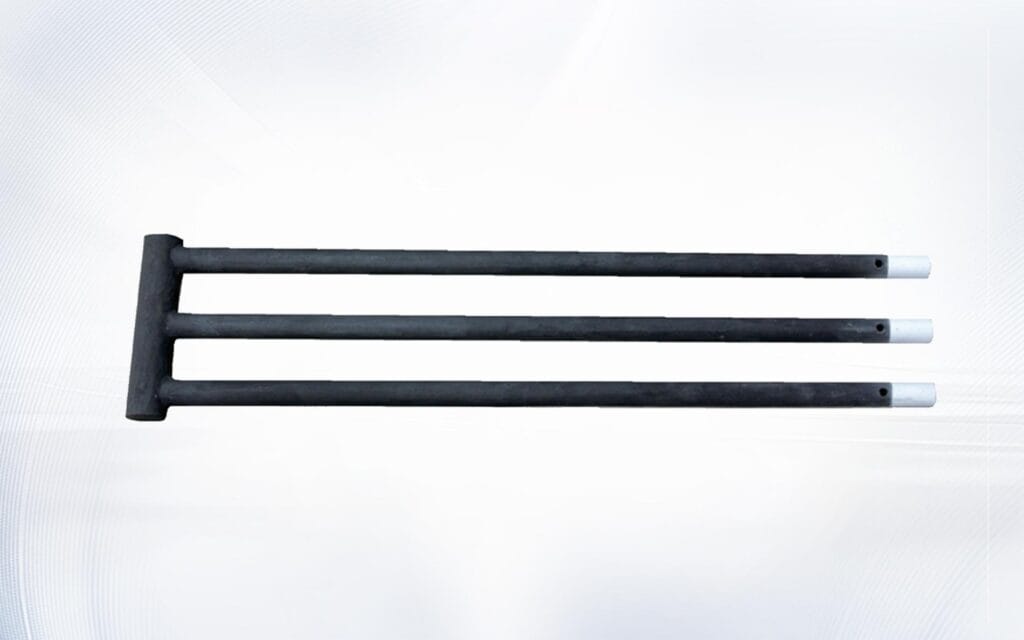
Single-segment rods provide a simple, cost-effective solution for applications with uniform heating requirements along the entire rod length. Multi-segment rods, featuring multiple heating zones along a single element, enable sophisticated temperature profiling capabilities. These are particularly valuable in processes requiring different temperatures at different furnace zones or when products require specific heating profiles.
Specialty silicon carbide heating rods are designed for specific applications. Laboratory-scale rods provide precise temperature control for research and development applications, while heavy-duty rods for industrial electric furnaces are engineered for maximum durability in continuous operation. Kiln applications may require rods with specific cold zone lengths to accommodate unique kiln configurations. Understanding the full range of available options ensures selection of the most appropriate rod type for your specific application.
Silicon Carbide Heating Rod Specifications Comparison
| Rod Type | Max Temperature | Standard Diameter Range | Typical Watt Density | Best Application |
|---|---|---|---|---|
| M-Type Standard | 1600°C | 12-35mm | 8-15 W/cm² | General industrial heating |
| M-Type High-Performance | 1650°C | 12-35mm | 10-18 W/cm² | Continuous high-temp operations |
| H-Type Standard | 1600°C | 14-45mm | 6-12 W/cm² | Space-constrained installations |
| H-Type High-Performance | 1650°C | 14-45mm | 8-14 W/cm² | Premium furnace applications |
| Multi-Segment | 1600°C | 18-50mm | 5-12 W/cm² | Temperature profiling applications |
| Laboratory Grade | 1500°C | 8-20mm | 5-10 W/cm² | Research and precision applications |
Installation Tips and Best Practices
Proper installation of silicon carbide heating rods is fundamental to achieving optimal performance and maximizing service life. Begin by ensuring mounting brackets are properly aligned and provide adequate support without restricting thermal expansion. Silicon carbide rods expand approximately 0.4-0.5% from room temperature to operating temperature, and mounting systems must accommodate this expansion without creating mechanical stress.
Spacing between heating rods significantly affects temperature uniformity. As a general rule, rod spacing should be 1.5-3 times the rod diameter, depending on furnace design and heating requirements. Closer spacing provides more uniform heating but may create installation challenges, while wider spacing simplifies installation but may create temperature gradients. Consult furnace design specifications or seek manufacturer recommendations for optimal spacing configurations.
Electrical connections require careful attention to ensure reliable operation. Connection surfaces should be clean, flat, and free of oxidation. Proper compression without over-tightening ensures good electrical contact without damaging the cold zones. Aluminum or copper clamps with appropriate thermal expansion characteristics are recommended for high-temperature applications. All connections should be torqued to manufacturer specifications and periodically inspected for signs of heating or deterioration.
Safety during installation cannot be overstated. Always disconnect power before performing any installation or maintenance work. Use appropriate personal protective equipment, particularly when handling hot or recently operated elements. Ensure proper grounding of all electrical components and follow all local electrical codes and safety regulations.
Maintenance and Longevity of Silicon Carbide Heating Rods
Regular maintenance routines significantly extend silicon carbide heating rod service life and maintain consistent furnace performance. Visual inspections should be performed at scheduled intervals to identify signs of degradation, including surface cracks, oxidation buildup, or changes in appearance that may indicate approaching failure. Early identification of potential problems allows for planned replacement, avoiding unexpected furnace downtime.
Cleaning procedures vary depending on application and operating conditions. For most applications, gentle removal of surface deposits using soft brushes or compressed air suffices. Avoid abrasive materials or harsh chemicals that could damage the silicon carbide surface. In applications with significant oxidation or deposit buildup, consult the manufacturer for appropriate cleaning procedures specific to your operating conditions.
Understanding the signs of approaching failure enables proactive maintenance. Increasing electrical resistance typically indicates progressive oxidation, while visible surface cracks or spalling suggest mechanical degradation. Changes in heating patterns or hot spots along the rod length may indicate localized failures. Monitoring rod performance and establishing replacement schedules based on observed degradation patterns prevents unexpected failures and maintains process consistency.
Proper usage practices dramatically impact silicon carbide heating rod longevity. Avoid thermal shock by implementing controlled startup and shutdown procedures, particularly for large or heavy furnace loads. Maintain appropriate watt densities within manufacturer specifications. Protect rods from mechanical damage during loading and unloading operations. Following these practices, combined with regular maintenance, can significantly extend rod service life and reduce total operating costs.
Common Mistakes to Avoid When Choosing Heating Rods
Selecting the wrong type or size of silicon carbide heating rod represents one of the most common and costly mistakes in furnace operation. Rods that are too small for the application will operate at elevated watt densities, leading to premature failure, while oversized elements waste energy and may create temperature control challenges. Always consult with manufacturers or technical specialists to ensure proper sizing for your specific application.
Ignoring power requirements or furnace environment often leads to suboptimal performance. Operating silicon carbide heating rods beyond their rated temperature or watt density specifications dramatically reduces service life and may create safety hazards. Similarly, failing to account for atmospheric conditions can result in unexpected chemical reactions or accelerated degradation. Comprehensive assessment of all operating conditions during the selection process prevents these common pitfalls.
Skipping manufacturer guidelines or attempting unauthorized modifications to heating elements compromises both performance and safety. Manufacturers provide specific installation, operation, and maintenance guidelines based on extensive testing and field experience. Deviating from these recommendations may void warranties and create hazardous conditions. Always follow manufacturer specifications and seek guidance for applications that fall outside standard configurations.
Where to Buy or Source High-Quality Silicon Carbide Heating Rods
Purchasing silicon carbide heating rods directly from manufacturers offers significant advantages compared to third-party suppliers. Manufacturers provide direct access to technical expertise, ensuring proper selection and application support. Custom rod configurations, including non-standard dimensions, special cold zone lengths, and enhanced performance formulations, are typically available only through direct manufacturer channels. This direct relationship also ensures warranty protection and ongoing technical support throughout the product lifecycle.
Industrial-grade silicon carbide heating rods differ substantially from consumer-grade elements in materials quality, manufacturing precision, and performance consistency. Industrial applications demand tighter tolerances, more stable electrical properties, and enhanced durability compared to general-purpose elements. Sourcing from established manufacturers with proven track records in industrial applications ensures receipt of products designed and manufactured to meet rigorous quality standards.
Quality consistency across shipments represents another advantage of sourcing from reliable suppliers. Variations in material properties or manufacturing tolerances between batches can affect furnace performance and process consistency. Established manufacturers implement comprehensive quality control procedures to ensure consistent product performance over time. This consistency is particularly valuable for multi-rod furnace installations where uniform element behavior is critical to maintaining temperature uniformity.
Conclusion
Selecting the right silicon carbide heating rod for your furnace requires careful consideration of multiple factors including temperature requirements, rod dimensions, power specifications, and operating environment. The optimal choice balances performance requirements, operational efficiency, and total cost of ownership over the element’s service life. Understanding the full range of available options and their respective advantages enables informed decisions that maximize furnace performance and minimize operational costs.
The complexity of silicon carbide heating element selection underscores the value of professional consultation. As an experienced manufacturer of silicon carbide heating rods, we provide comprehensive technical support to ensure proper selection, installation, and operation of heating elements tailored to your specific application requirements. Our expertise extends beyond product supply to include furnace design consultation, performance optimization, and ongoing technical support throughout the product lifecycle.
For applications requiring standard silicon carbide heating rods or custom-engineered solutions for specialized requirements, our manufacturing team stands ready to provide expert consultation and high-quality products. Contact us today to discuss your furnace heating requirements and discover how our silicon carbide heating rod solutions can enhance your furnace performance, reduce operating costs, and improve product quality.
FAQ
What is a silicon carbide heating rod?
A silicon carbide heating rod is a high-temperature heating element made from silicon carbide material, capable of operating at temperatures up to 1650°C in industrial furnaces. These rods provide efficient, uniform heating and are widely used in applications such as glass melting, ceramic firing, and metal heat treatment due to their excellent thermal conductivity, oxidation resistance, and long service life compared to traditional metal or ceramic heating elements.
How long do silicon carbide heating rods last?
The typical service life of silicon carbide heating rods ranges from 12 to 18 months in continuous operation, though this can vary significantly based on operating conditions, watt density, and maintenance practices. Proper installation, controlled startup and shutdown procedures, regular cleaning, and operation within manufacturer specifications can extend rod life to 24 months or more, while operating at maximum temperatures or high watt densities may reduce service life.
What is the maximum temperature of silicon carbide heating rods?
Standard silicon carbide heating rods have a maximum operating temperature of 1600°C in oxidizing atmospheres, while high-performance variants can reach 1650°C. For optimal service life, it’s recommended to operate rods approximately 100-150°C below their maximum rating, which provides a safety margin and significantly extends element longevity in continuous industrial applications.
How do I choose the right watt density for silicon carbide heating rods?
The appropriate watt density depends on your specific application requirements, typically ranging from 5-15 W/cm² for most industrial processes. Lower watt densities (5-10 W/cm²) are suitable for very high-temperature operations and maximize rod life, while higher densities (12-15 W/cm²) provide faster heating but may reduce service life. Calculate your total power requirements based on furnace volume and insulation, then distribute across the number of rods to achieve optimal watt density.
Can silicon carbide heating rods be used in any atmosphere?
Silicon carbide heating rods perform best in oxidizing atmospheres such as air. For reducing atmospheres containing hydrogen, carbon monoxide, or other reactive gases, special protective coatings or modified formulations may be necessary to prevent accelerated degradation. Humid environments or applications with corrosive gases also require consideration of rod selection and potential protective measures. Always consult the manufacturer for recommendations specific to your operating atmosphere.