In modern industrial heating systems, efficiency, stability, and thermal reliability directly determine production quality and operational cost. Among advanced heating components, silicon carbide rods have become a widely adopted solution in high-temperature environments due to their exceptional thermal performance and durability.
This guide explores silicon carbide rod uses from a practical manufacturing and engineering perspective, focusing on real industrial applications, system integration, material behavior under extreme conditions, and selection principles used in furnace engineering.
Table of Contents
What Is a Silicon Carbide Rod and How It Works in Industrial Heating Systems
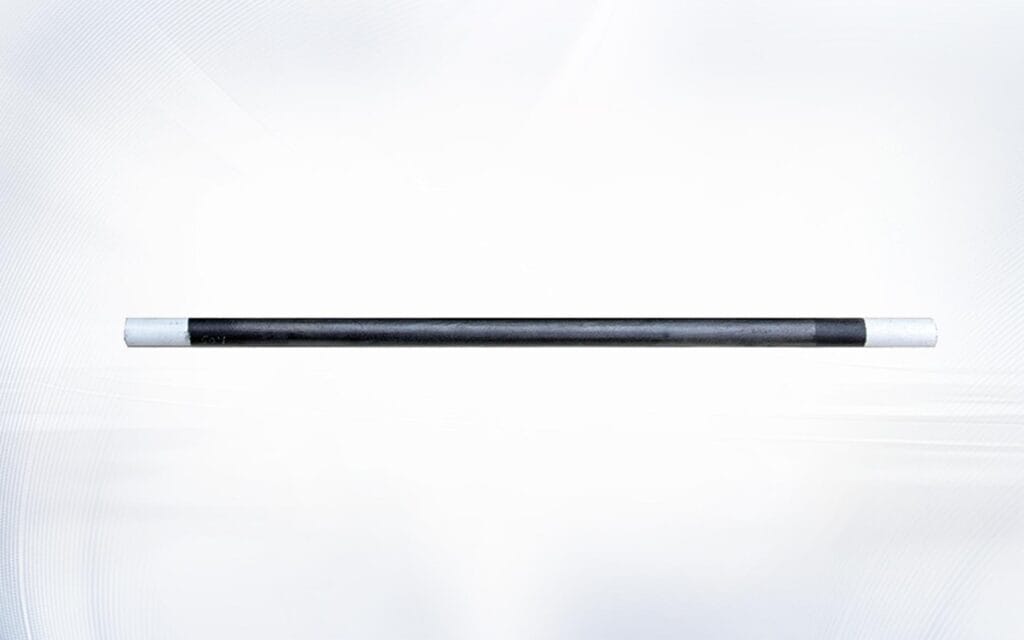
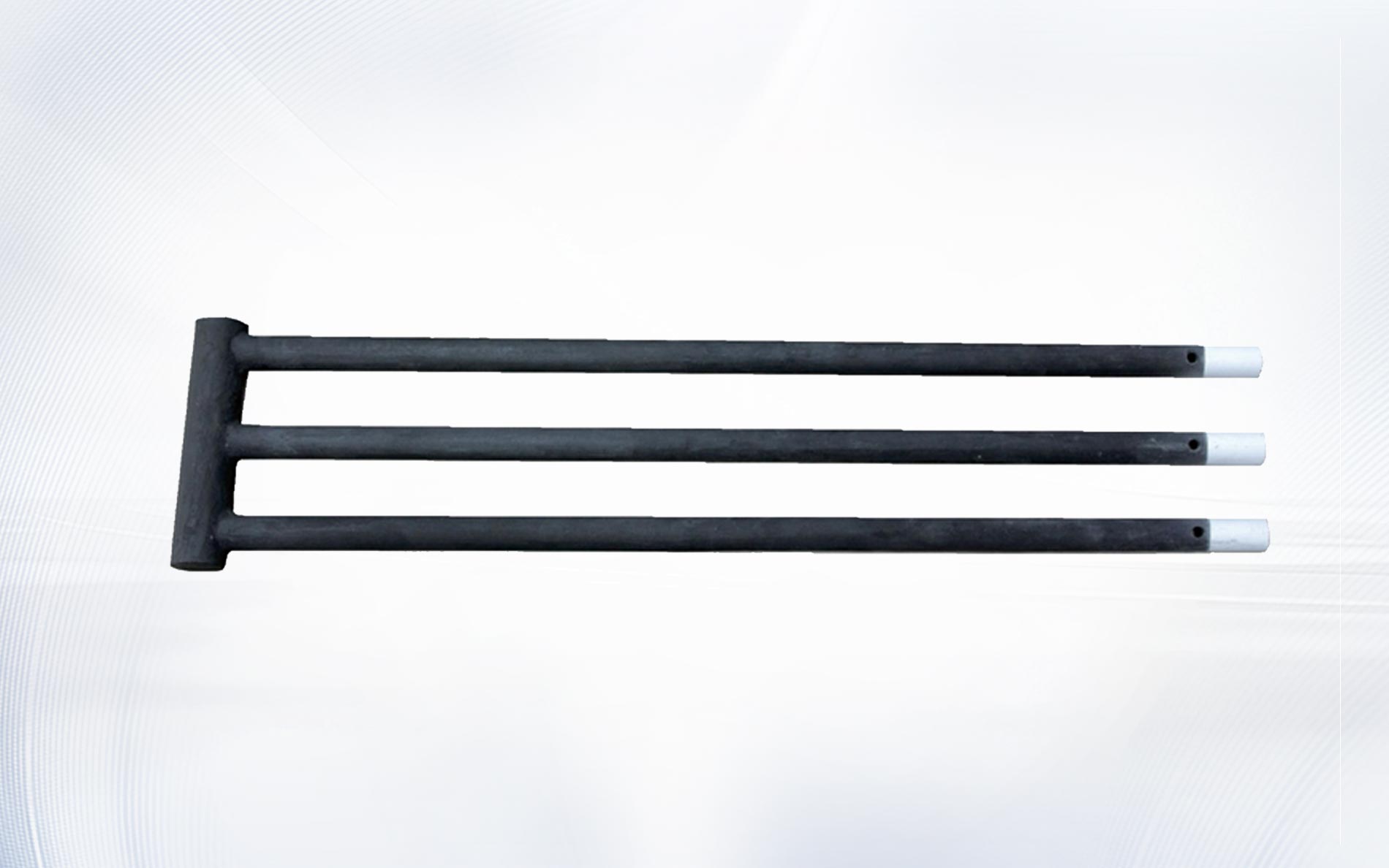
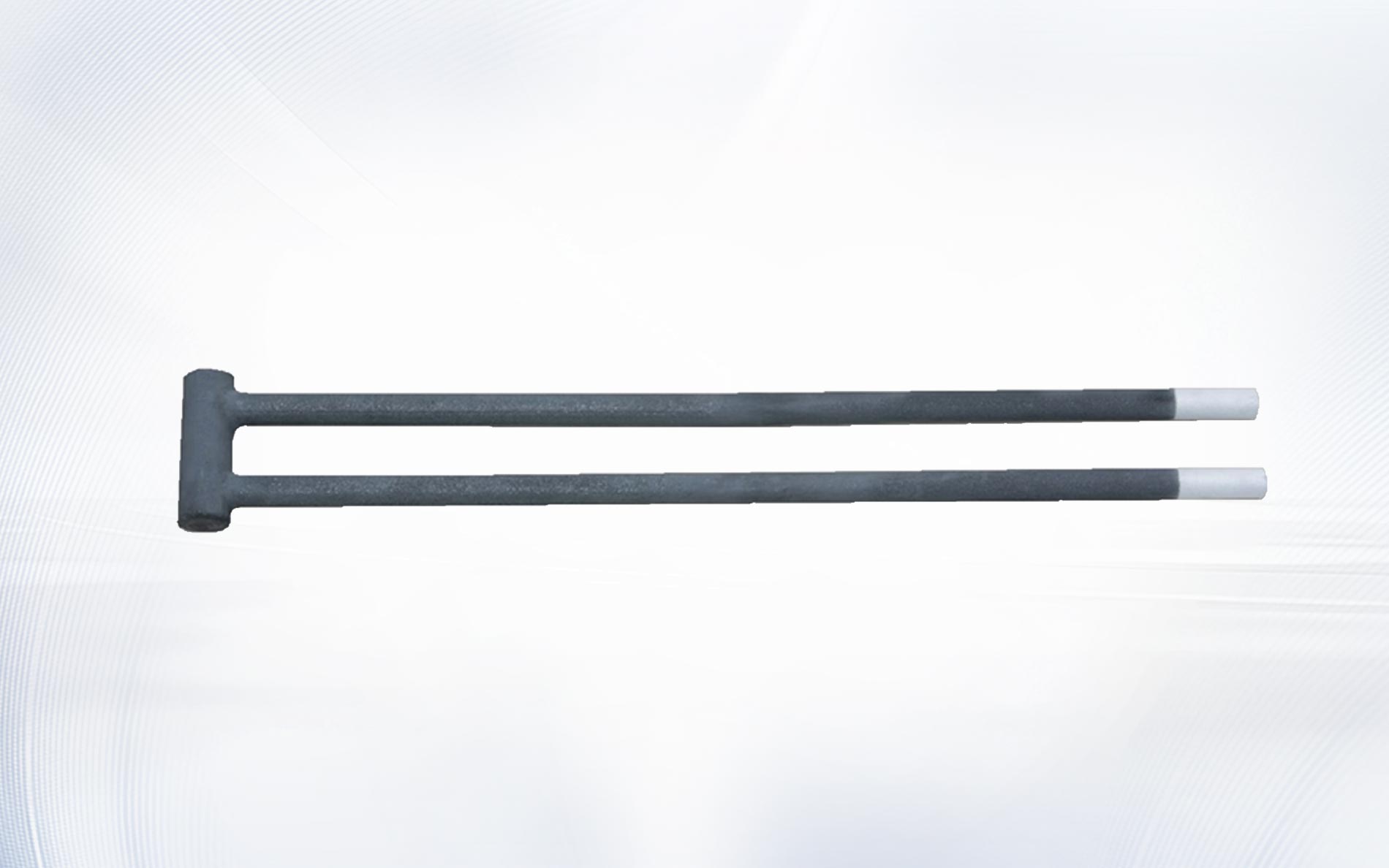
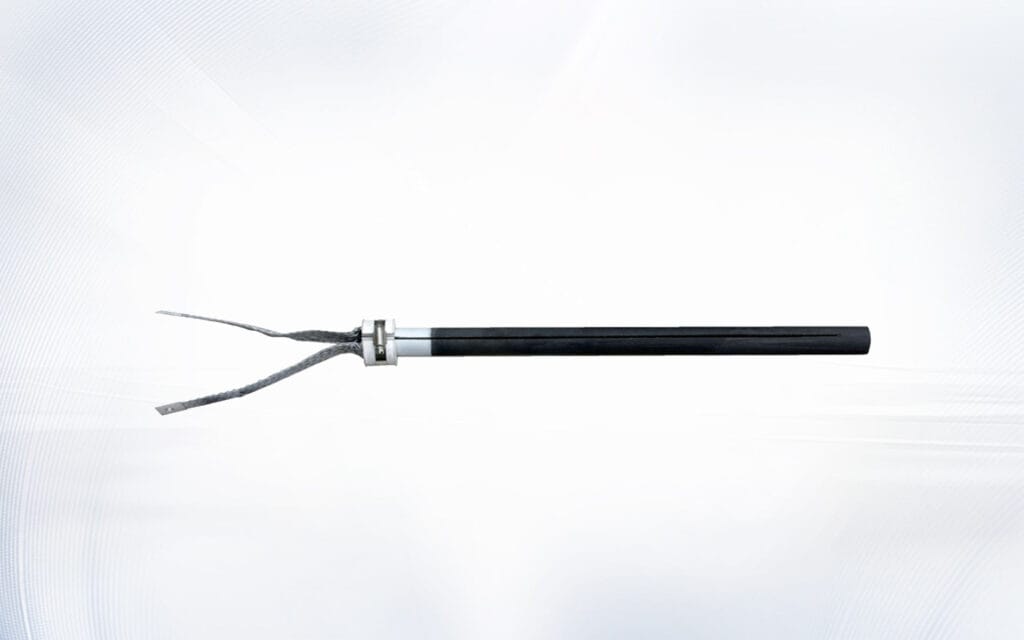
Silicon carbide rods are non-metallic resistance heating elements designed for high-temperature operation. They are manufactured from silicon carbide crystals formed under controlled sintering processes, resulting in a rigid structure capable of maintaining performance under extreme thermal stress.
Unlike metal heating wires, silicon carbide heating elements operate based on electrical resistance at elevated temperatures. As electrical current passes through the rod, heat is generated uniformly along its length, making it suitable for large-scale furnace environments.
Key performance characteristics include:
- High thermal stability in continuous operation environments
- Strong oxidation resistance in air-based atmospheres
- Stable electrical resistance over long service cycles
- Excellent mechanical strength under thermal load
These properties make silicon carbide rods a core component in industrial furnace heating systems where consistent temperature control is critical.
Silicon Carbide Rod Uses in High-Temperature Furnace Applications
One of the most important silicon carbide rod uses is in high-temperature furnace systems used across industrial production lines.
In these environments, silicon carbide heating elements are installed to provide controlled and uniform heat distribution. They are commonly applied in:
- Continuous belt furnaces
- Batch-type industrial kilns
- High-temperature sintering systems
- Thermal processing chambers
Their ability to maintain stable heating performance under long operational cycles reduces temperature fluctuation, which is essential for maintaining product consistency in industrial manufacturing.
Unlike conventional heating components, silicon carbide rods are better suited for sustained high-load environments where thermal cycling is frequent.
Silicon Carbide Rod Applications in Metallurgy Industry
In metallurgy, temperature control is a critical factor influencing structural integrity and material properties. Silicon carbide rod uses in this sector are primarily focused on heat treatment processes.
Common applications include:
- Annealing processes to improve ductility and reduce hardness
- Sintering operations for powdered metals
- Controlled heating in forging preparation
- Thermal stabilization of metal components
The advantage in metallurgical systems lies in the rod’s ability to maintain high temperatures without deformation or rapid degradation. This ensures uniform heating across processing chambers, improving consistency in metal microstructure transformation.
Use of Silicon Carbide Rods in Ceramic and Glass Manufacturing
Ceramic and glass production relies heavily on precise thermal control. Silicon carbide rods are widely integrated into kiln systems used for forming, firing, and finishing materials.
In ceramic manufacturing:
- They support consistent kiln temperature during firing cycles
- Improve structural uniformity in finished products
- Reduce defects caused by uneven heating
In glass production:
- Used in forming and tempering processes
- Maintain controlled heating zones in production lines
- Support stable thermal gradients required for shaping and strengthening glass
Their resistance to thermal shock and oxidation makes them suitable for repeated heating cycles in demanding production environments.
Silicon Carbide Heating Elements in Electrical Resistance Systems
Silicon carbide rods function as resistance-based heating elements within electrical furnace systems. Their performance depends on controlled electrical input and temperature feedback systems.
Core operational principles include:
- Resistance increases with temperature, stabilizing heat output
- Controlled current flow ensures uniform thermal distribution
- Integration with temperature monitoring systems maintains process accuracy
In industrial heating systems, they are typically configured in parallel or series arrangements depending on furnace size and heating zone requirements. This flexibility allows engineers to design scalable heating systems for different production capacities.
Advantages of Silicon Carbide Rod Uses in Industrial Environments
The growing adoption of silicon carbide rods in industrial heating is driven by several performance advantages:
- High-temperature endurance suitable for extreme furnace conditions
- Strong oxidation resistance in air and reactive atmospheres
- Stable long-term performance with minimal resistance drift
- Excellent thermal conductivity ensuring uniform heat distribution
- Reduced downtime due to longer operational life cycles
Compared with traditional metallic heating elements, silicon carbide rods provide greater stability in continuous high-load environments, making them suitable for industries requiring uninterrupted production cycles.
Silicon Carbide Rod vs Other Heating Elements (Performance Comparison)
In industrial heating engineering, material selection directly impacts system efficiency and maintenance frequency.
When compared with metal resistance wires:
- Silicon carbide rods withstand significantly higher operating temperatures
- They offer improved structural stability under thermal stress
- Metal wires degrade faster in oxidation-prone environments
When compared with other advanced heating materials:
- Silicon carbide rods provide better long-term resistance stability
- They are more suitable for large-scale furnace systems
- They maintain performance consistency in prolonged operation cycles
This makes them a preferred solution for industries prioritizing durability and thermal precision.
Common Problems and Maintenance in Silicon Carbide Rod Applications
Although silicon carbide rods are highly durable, their performance can be affected by operational conditions over time.
Common technical considerations include:
- Gradual resistance increase due to aging
- Mechanical stress from rapid temperature changes
- Surface oxidation in prolonged high-temperature exposure
To maintain performance stability, industrial systems often implement:
- Controlled heating and cooling cycles
- Regular resistance monitoring
- Proper electrical load balancing across heating zones
Proper operational management significantly extends service life and ensures stable furnace performance.
How to Select the Right Silicon Carbide Rod for Industrial Use
Selecting the correct silicon carbide heating element depends on multiple engineering factors.
Key selection parameters include:
- Operating temperature range of the furnace system
- Required electrical resistance characteristics
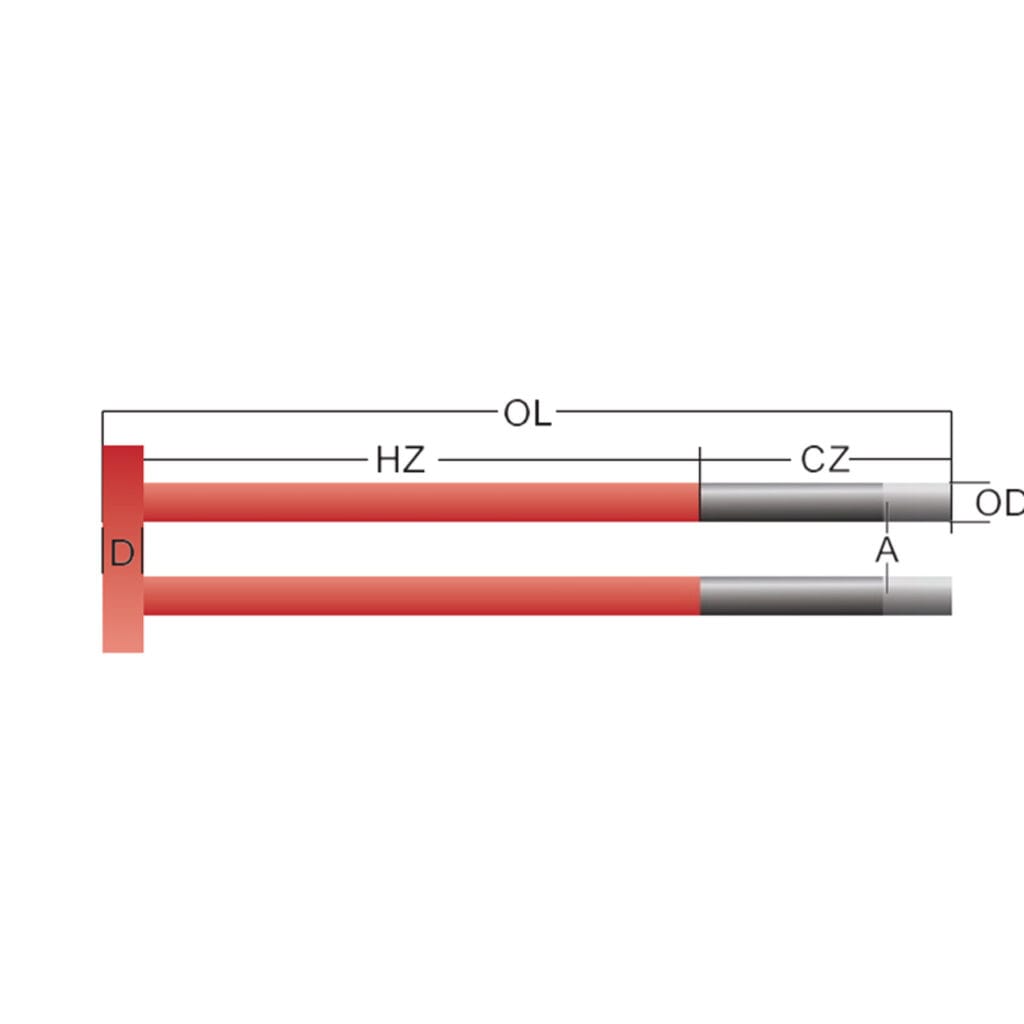
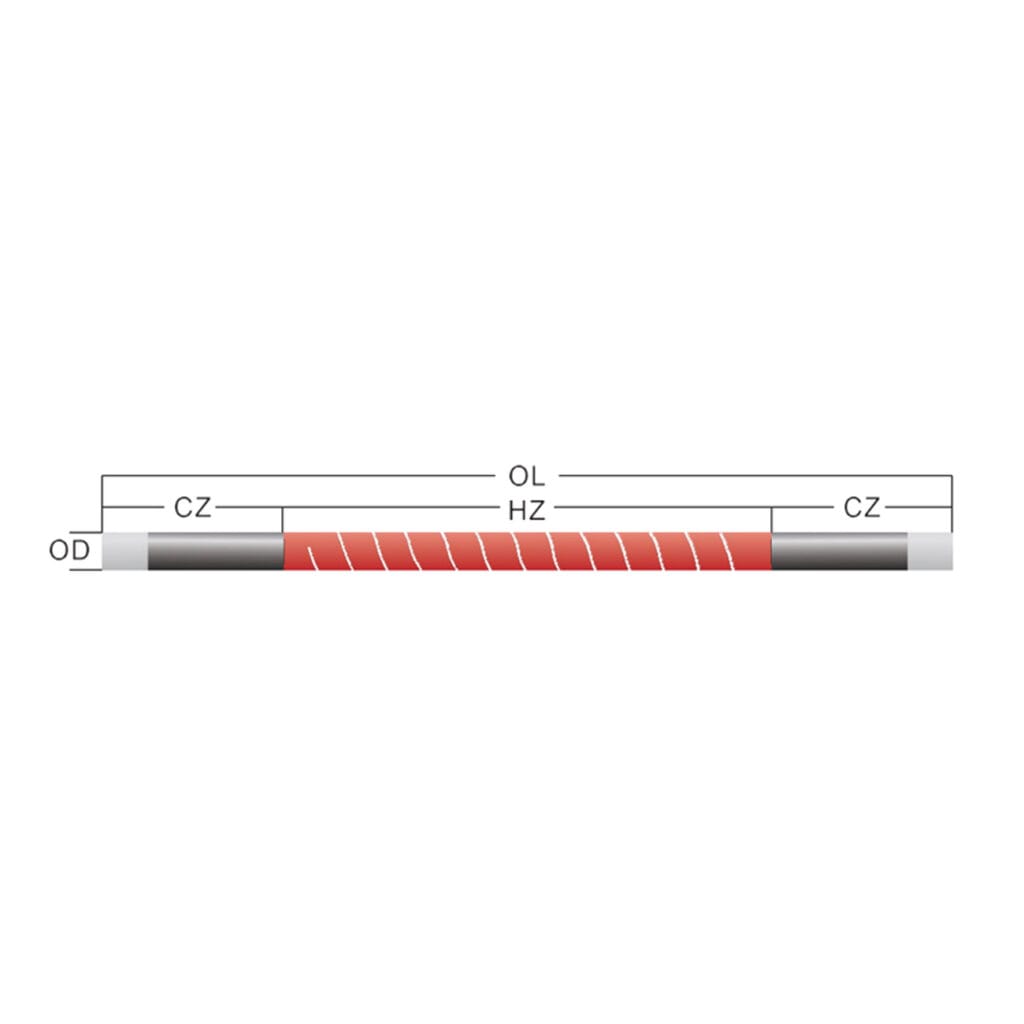
- Rod diameter and length specifications
- Heating zone distribution requirements
- Furnace atmosphere conditions
In advanced industrial applications, custom-engineered silicon carbide rods are often used to match specific thermal process requirements. This ensures optimized heating efficiency and system stability.
Silicon Carbide Rod Manufacturing Process (From Factory Perspective)
The performance of silicon carbide rods is directly influenced by manufacturing precision and material quality.
Typical production process includes:
- Selection of high-purity raw silicon carbide materials
- Controlled forming and shaping processes
- High-temperature sintering for structural stability
- Precision machining for dimensional accuracy
- Electrical and thermal performance testing
Strict quality control ensures consistent resistance values and mechanical strength, which are essential for stable industrial performance.
Industries That Rely on Silicon Carbide Rod Uses
Silicon carbide heating elements are widely used across multiple industrial sectors:
- Metallurgy and metal processing industries
- Ceramic and refractory material production
- Glass manufacturing and thermal forming systems
- Advanced materials and electronics processing
- Laboratory and research furnace environments
Each industry benefits from the material’s ability to maintain stable heating conditions under demanding thermal requirements.
Why Direct Manufacturing Matters in Silicon Carbide Rod Supply
In industrial procurement, sourcing directly from manufacturers plays a critical role in system reliability.
Key advantages include:
- Consistent product quality across batches
- Ability to customize specifications for furnace systems
- Technical support for integration into industrial equipment
- Stable supply capability for large-scale operations
- Improved alignment with engineering requirements
Direct manufacturing also ensures better control over material standards, which is essential for high-temperature industrial applications.
Conclusion
Silicon carbide rod uses span across a wide range of high-temperature industrial applications, including metallurgy, ceramics, glass production, and advanced thermal processing systems. Their ability to maintain stable performance under extreme heat conditions makes them a critical component in modern industrial furnace design.
From a technical standpoint, their resistance stability, oxidation resistance, and long operational lifespan provide clear advantages over traditional heating elements. As industries continue to demand higher efficiency and precision in thermal processing, silicon carbide heating elements remain an essential solution for reliable furnace performance.
For engineering teams and industrial buyers, selecting the right configuration based on furnace conditions and process requirements is key to achieving long-term operational stability.
FAQ
What are silicon carbide rods mainly used for?
Silicon carbide rods are mainly used as high-temperature heating elements in industrial furnaces, kilns, and thermal processing systems across metallurgy, ceramics, and glass industries.
Why are silicon carbide rods preferred in high-temperature environments?
They offer excellent thermal stability, oxidation resistance, and consistent electrical resistance, making them suitable for continuous operation at extreme temperatures.
How do silicon carbide heating elements work?
They generate heat through electrical resistance. When current passes through the rod, it produces uniform heat along its structure for stable furnace temperature control.
What industries commonly use silicon carbide rods?
They are widely used in metallurgy, ceramic production, glass manufacturing, electronics processing, and laboratory furnace applications.
How long do silicon carbide rods typically last in industrial use?
Service life depends on operating conditions, but with proper temperature control and maintenance, they can operate reliably for extended industrial cycles.