Table of Contents
Introduction
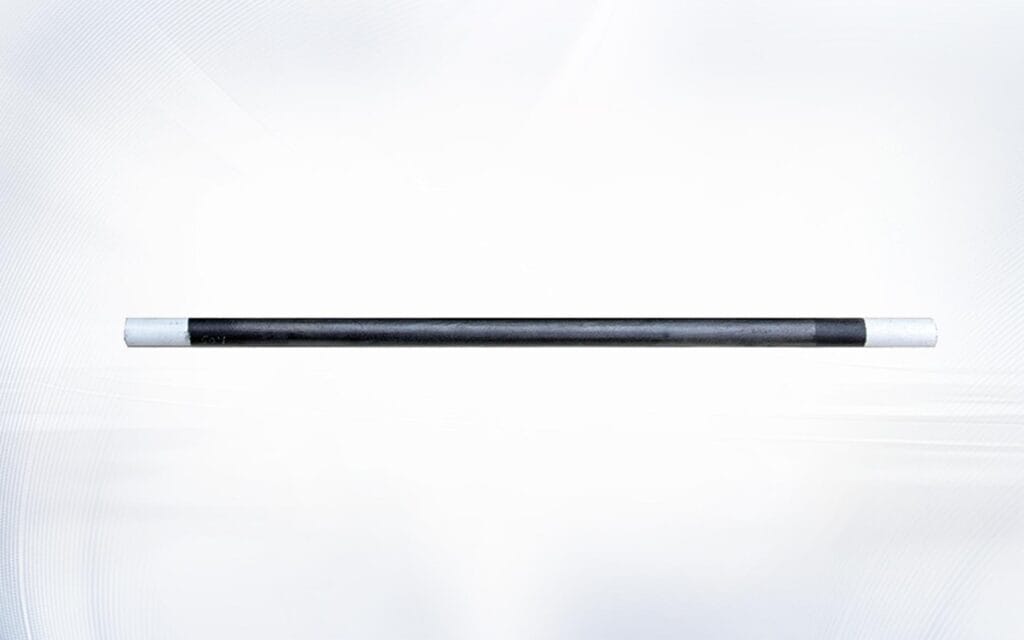
Silicon carbide heating elements are widely recognized for their exceptional high-temperature performance, durability, and energy efficiency. Made from high-purity silicon carbide material, these elements are designed to withstand extreme conditions in industrial furnaces and kilns. Unlike traditional heating elements such as molybdenum disilicide (MoSi₂) or Nichrome, silicon carbide elements offer superior thermal stability and longer operational life.
As a manufacturer of silicon carbide heating elements, we focus on producing high-quality, precision-engineered products that meet the demanding requirements of modern industrial processes. These elements are essential in applications ranging from ceramic firing to metal heat treatment and laboratory research furnaces.
High-Temperature Performance and Stability
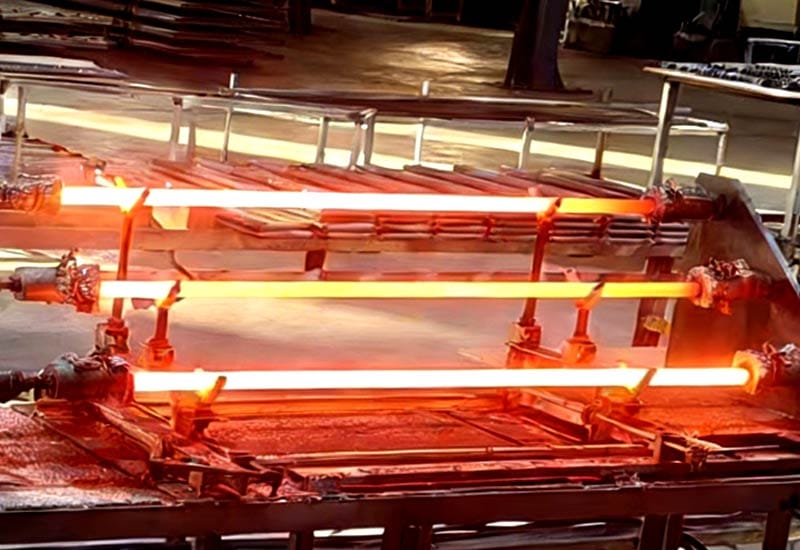
One of the most significant advantages of silicon carbide heating elements is their ability to operate reliably at very high temperatures, often exceeding 1600°C. This makes them ideal for industrial processes that require consistent and stable heating, such as sintering ceramics or heat-treating metals.
Their high-temperature stability ensures uniform heating throughout the furnace chamber, minimizing hot spots and improving the quality of the end product.
Comparison with Other Heating Elements
| Feature | Silicon Carbide Heating Element | MoSi₂ Heating Element | Nichrome Heating Element |
|---|---|---|---|
| Maximum Temperature | Up to 1600–1700°C | Up to 1450°C | Up to 1200°C |
| Thermal Shock Resistance | High | Moderate | Low |
| Longevity | 2–3 years in continuous use | 1–2 years | Less than 1 year |
| Energy Efficiency | High | Moderate | Low |
As seen in the table, silicon carbide heating elements outperform traditional options in terms of maximum temperature, energy efficiency, and lifespan.
Energy Efficiency and Cost Savings
Silicon carbide heating elements are highly energy-efficient. Their ability to maintain consistent high temperatures reduces energy consumption, lowering operational costs for industrial furnace operators. Over time, energy savings can be substantial, making these elements a cost-effective choice for manufacturers.
For example, in ceramics and glass production, using silicon carbide elements can reduce electricity usage by 10–15% compared to conventional heating elements, while maintaining the desired temperature profile.
Durability and Long Lifespan
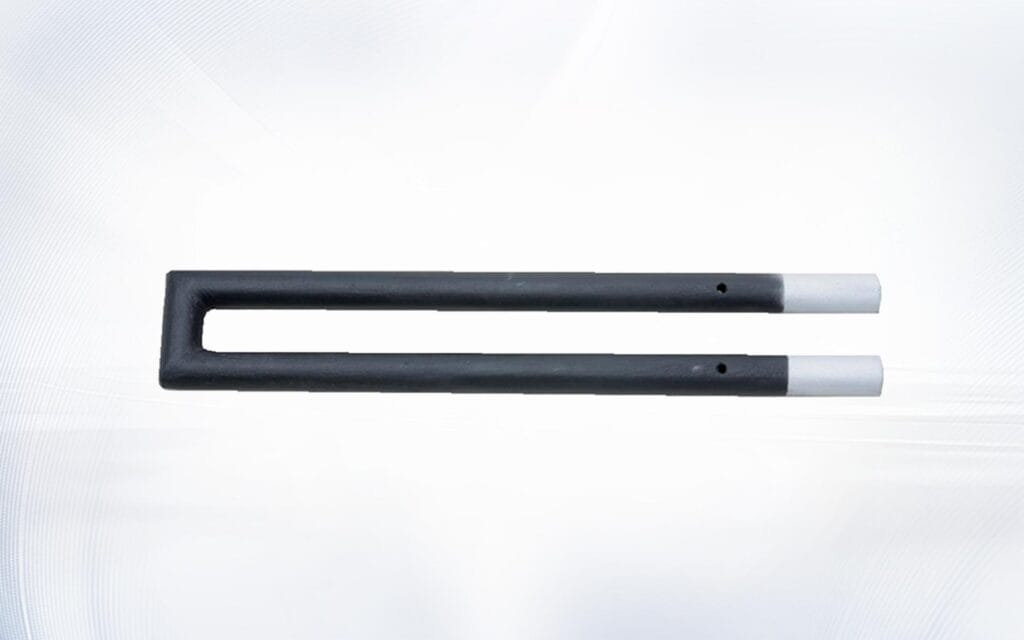
Durability is a key selling point of silicon carbide heating elements. They are resistant to oxidation and thermal shock, which are common causes of failure in other heating elements. With proper installation and maintenance, these elements can last up to three years in continuous industrial use.
Proper Installation and Maintenance
Correct installation in the furnace or kiln is crucial for maximizing performance. Elements must be mounted carefully to prevent mechanical stress, and routine inspections are recommended to detect wear or damage. Regular maintenance, including cleaning and checking electrical connections, ensures optimal performance and prolongs the element’s lifespan.
Wide Range of Industrial Applications
Silicon carbide heating elements are versatile and suitable for a wide range of industrial applications:
- Ceramics and glass production: High-temperature firing and sintering.
- Metal heat treatment: Hardening, tempering, and annealing processes.
- Laboratory and research furnaces: Precise, stable heating for experimental setups.
- Custom industrial processes: Elements can be tailored to specific furnace designs or high-temperature requirements.
Their adaptability makes them a reliable choice for manufacturers across multiple industries.
Enhanced Performance for Precision Heating
Uniform heat distribution is essential in industrial furnaces to maintain product quality. Silicon carbide heating elements provide consistent thermal output, ensuring precise control over temperature profiles. They are compatible with modern furnace control systems, which allows operators to fine-tune heating cycles for specific production needs.
Environmental and Safety Benefits
Using silicon carbide heating elements can also have environmental and safety advantages. Their energy efficiency reduces electricity consumption and associated carbon emissions. Additionally, their resistance to overheating and failure minimizes risks associated with furnace operation, helping manufacturers maintain safer working conditions.
Choosing the Right Silicon Carbide Heating Element
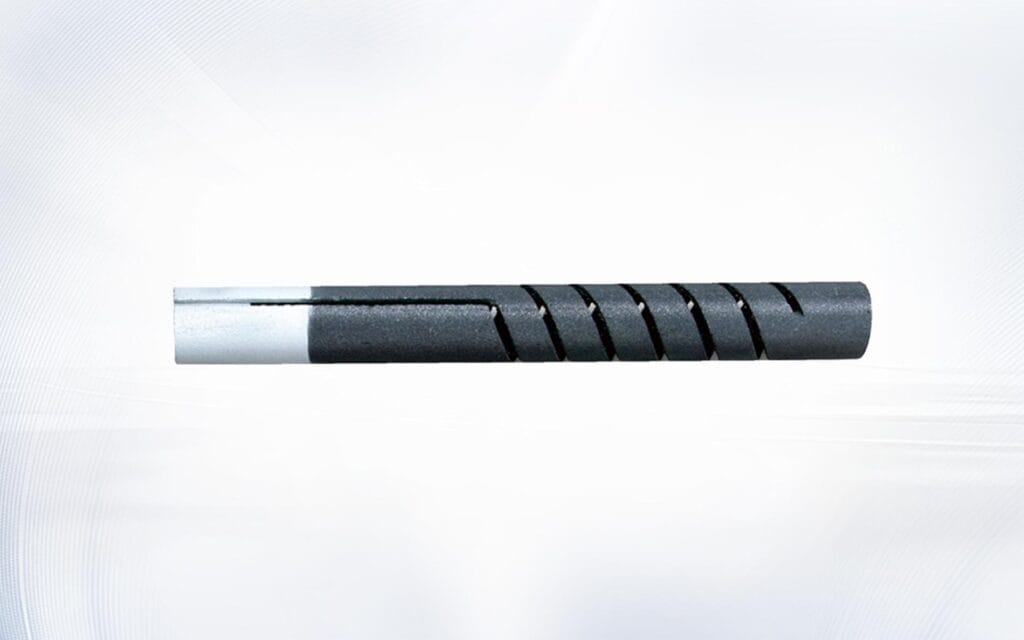
Selecting the right silicon carbide heating element involves considering several factors:
- Watt density: Determines how quickly the element heats and how it distributes temperature.
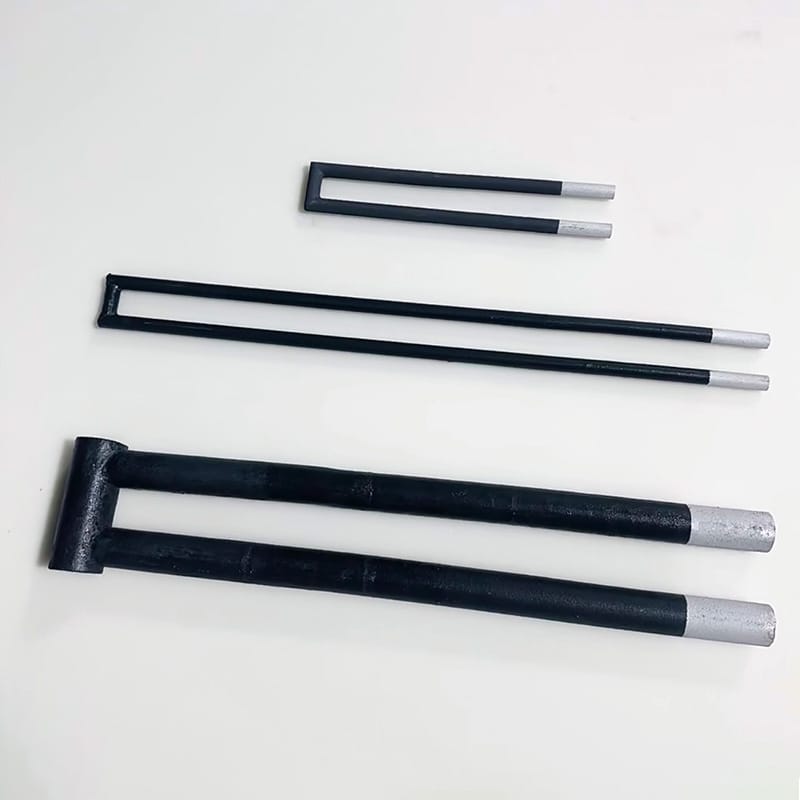
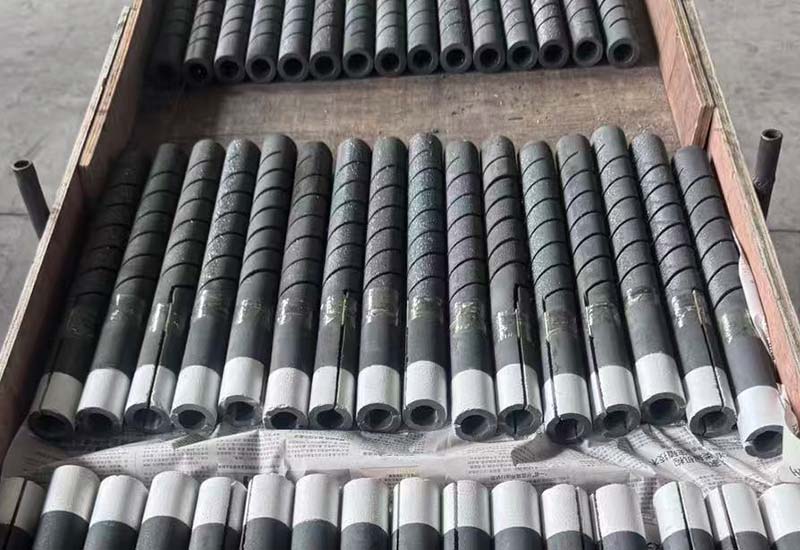
- Shape and size: Elements come in rods, tubes, and custom profiles to fit various furnace types.
- Furnace type and application: Kilns, laboratory furnaces, or industrial heat-treatment units may require different element specifications.
Custom Manufacturing Options
As a manufacturer, we provide tailored silicon carbide heating elements to meet unique industrial requirements. Custom options include specific lengths, diameters, shapes, and purity grades to ensure optimal performance. Working directly with a manufacturer ensures quality control and allows for specialized solutions that off-the-shelf products cannot match.
Conclusion
Silicon carbide heating elements offer unmatched advantages for industrial furnace applications, including high-temperature performance, durability, energy efficiency, and precision heating. For manufacturers seeking reliable and long-lasting heating solutions, choosing quality silicon carbide elements is essential.
As a trusted manufacturer, we provide custom-designed, high-performance silicon carbide heating elements suitable for a wide range of industrial applications. Contact us today to explore solutions for your furnace, kiln, or high-temperature process needs, and benefit from expert guidance on installation, maintenance, and bulk orders.
FAQ
Q1: What is a silicon carbide heating element?
A1: A silicon carbide heating element is a high-temperature heating device made from silicon carbide material, used in industrial furnaces, kilns, and laboratory ovens for consistent and efficient heat.
Q2: What are the main advantages of silicon carbide heating elements?
A2: They offer high-temperature performance, long lifespan, energy efficiency, resistance to thermal shock, and stable heat distribution for precision industrial processes.
Q3: Where are silicon carbide heating elements commonly used?
A3: They are widely used in ceramics, glass production, metal heat treatment, laboratory furnaces, and other high-temperature industrial applications.
Q4: How do I maintain a silicon carbide heating element?
A4: Regular maintenance includes cleaning, inspecting for cracks or damage, checking electrical connections, and ensuring proper installation to extend its lifespan.
Q5: How do I choose the right silicon carbide heating element for my furnace?
A5: Consider factors like watt density, element shape, furnace type, and operating temperature. Custom elements from a reliable manufacturer ensure optimal performance.