In modern industrial manufacturing, custom silicon carbide heating elements have become essential for high-temperature processes. As a professional manufacturer, we understand the critical role these elements play in ensuring production efficiency, longevity, and energy optimization. Unlike generic heating solutions, custom SiC elements are tailored to specific furnace designs, operating conditions, and material requirements. This guide explores the applications, technical considerations, design insights, and maintenance strategies for silicon carbide heating elements, offering practical knowledge for engineers, industrial buyers, and plant managers.
Table of Contents
What Is a Custom Silicon Carbide Heating Element and How It Works
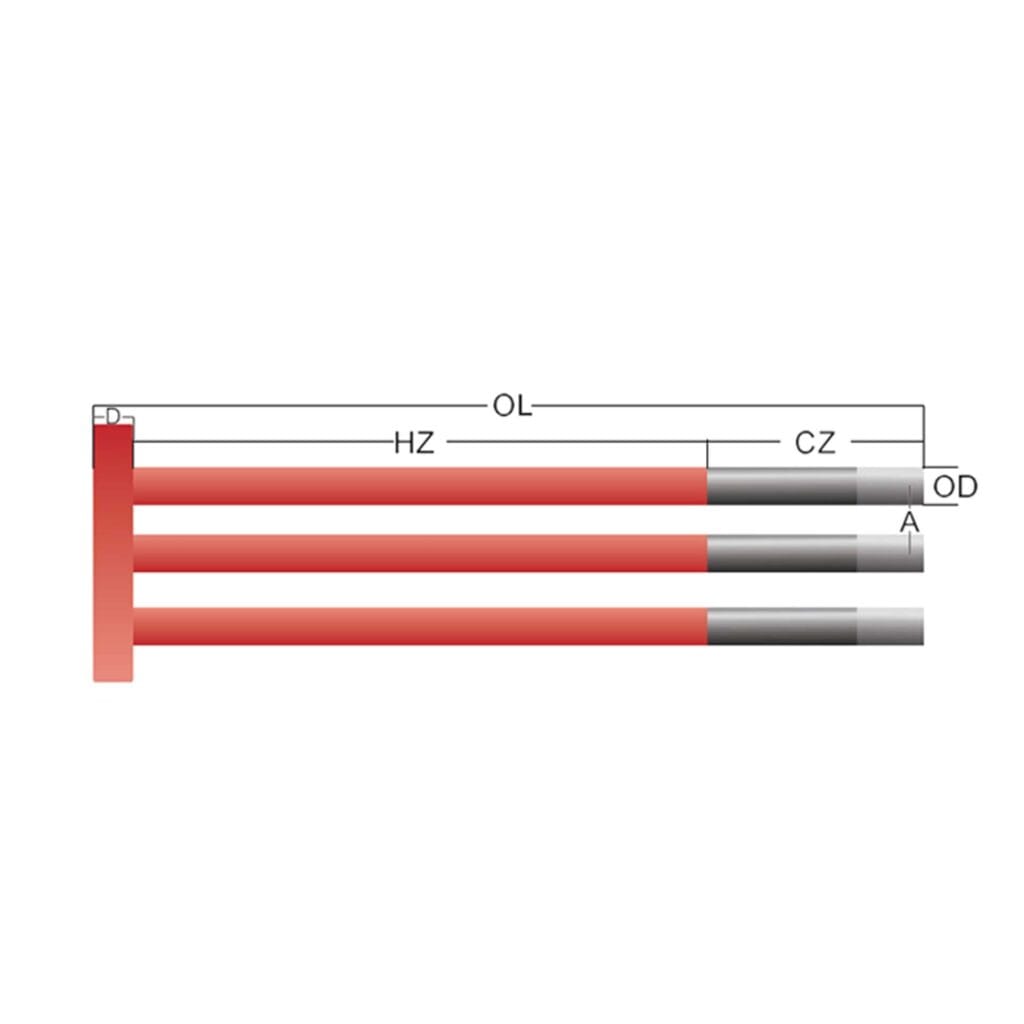
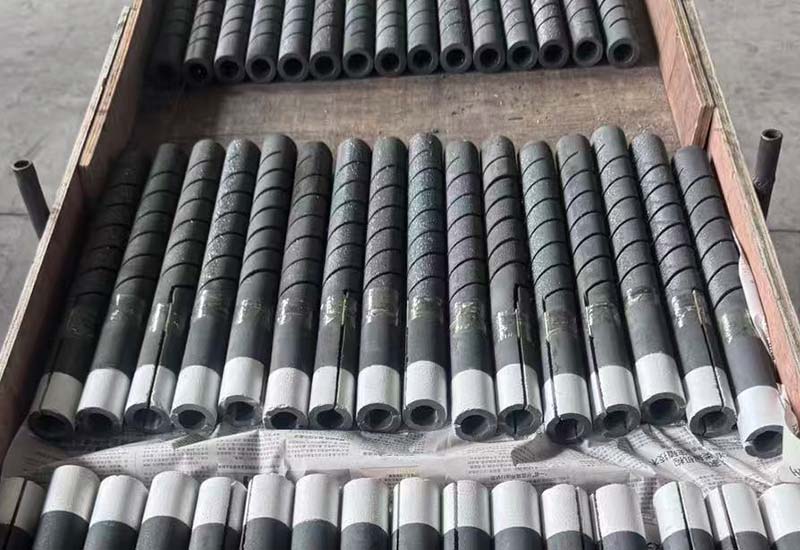
Silicon carbide (SiC) heating elements are electrical resistive heaters made from high-purity silicon carbide material. When an electric current passes through, the SiC material converts electricity into heat with exceptional efficiency. Customization allows manufacturers to adjust dimensions, resistance, and power density to suit specific industrial furnace requirements. These elements are ideal for high-temperature operations due to their oxidation resistance, structural stability, and ability to withstand rapid thermal cycling.
Unlike traditional metal heating elements, SiC elements maintain performance in temperatures exceeding 1600°C, making them ideal for ceramic, metallurgy, and glass processing industries. Proper customization ensures uniform heat distribution and extended operational lifespan.
Why Industries Choose Custom Silicon Carbide Heating Elements
Industries select custom SiC elements for several compelling reasons:
- High-Temperature Performance: SiC maintains structural integrity in extreme heat, minimizing deformation or failure.
- Energy Efficiency: The precise engineering of custom elements reduces energy loss and enhances furnace efficiency.
- Long Service Life: Customized design reduces stress points and enhances resistance to thermal shock.
- Industrial Versatility: Applicable across ceramic kilns, metallurgical furnaces, glass sintering lines, and semiconductor manufacturing.
Custom SiC elements provide industrial operations with a balance of reliability, efficiency, and reduced maintenance downtime, making them an investment in operational stability.
Designing and Manufacturing Custom Silicon Carbide Heating Elements
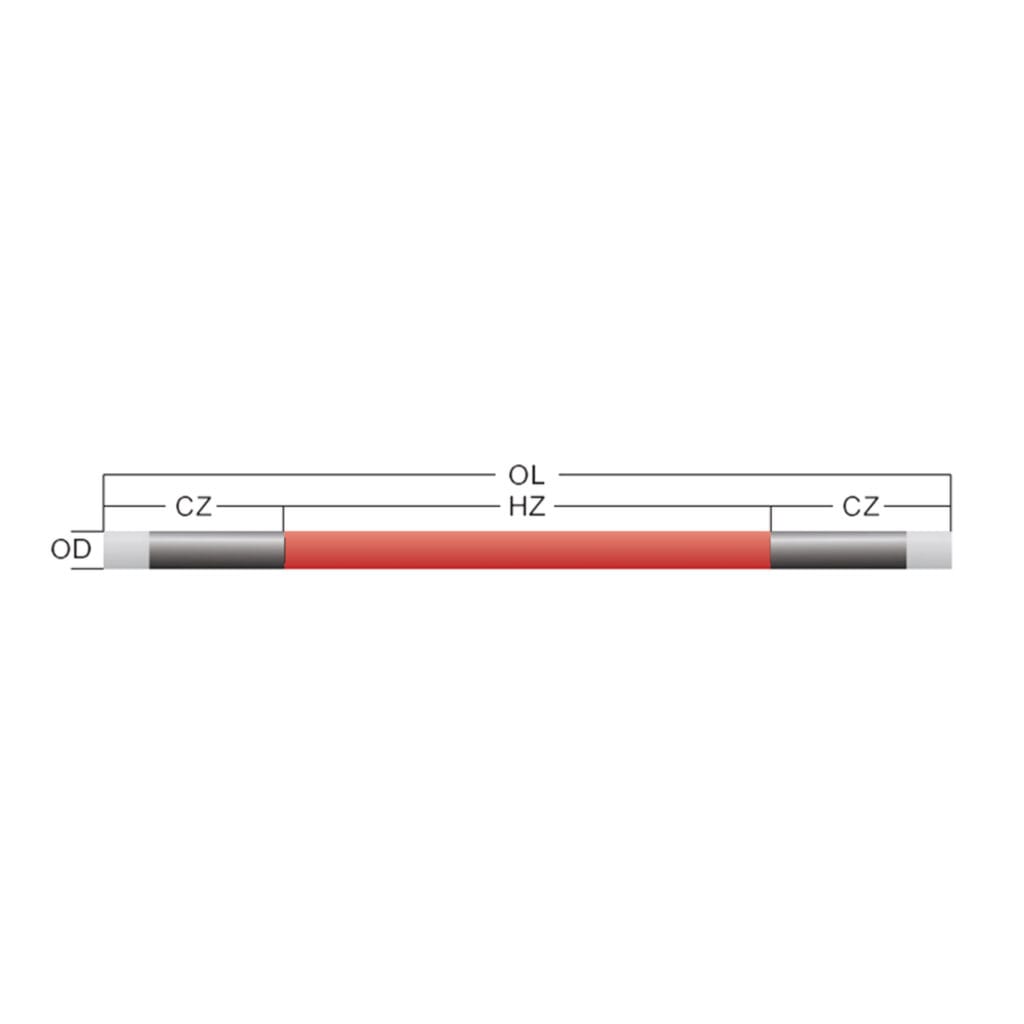
Creating high-performance SiC heating elements requires careful material selection, forming, and calibration:
- Raw Material Selection: High-purity silicon carbide powder ensures consistent resistivity and heat tolerance.
- Forming Process: Extrusion or pressing techniques shape the element to precise dimensions suitable for the furnace environment.
- Sintering and Resistance Calibration: Controlled high-temperature sintering solidifies the material, while resistance adjustments optimize heat output.
- Quality Control: Every element undergoes electrical performance testing, thermal cycling, and dimensional inspection to ensure consistent reliability.
Custom elements can be engineered for hot zones, voltage compatibility, and specific power density, tailored to individual industrial processes.
Understanding Key Technical Parameters
Before selecting a custom SiC heating element, it is essential to consider:
- Resistance Value: Determines heat output and operational stability.
- Maximum Operating Temperature: Ensures element longevity and process safety.
- Dimensions and Hot Zone Configuration: Critical for uniform furnace heating.
- Voltage and Power Ratings: Compatibility with industrial power systems.
Careful specification ensures optimal performance, energy efficiency, and reduced element degradation over time.
Comparing Silicon Carbide and Molybdenum Disilicide Heating Elements
While both SiC and MoSi2 elements are high-temperature solutions, differences exist:
- Temperature Resistance: SiC offers slightly lower maximum temperatures but excels in thermal shock resistance.
- Oxidation Stability: SiC resists oxidation better in certain furnace atmospheres.
- Application Suitability: MoSi2 elements are preferable for continuous oxidative environments, whereas SiC excels in intermittent and variable heating applications.
- Maintenance and Lifespan: Properly customized SiC elements often outperform MoSi2 in durability under cyclical heating.
Choosing the right material depends on furnace design, operating conditions, and desired element lifespan.
Industrial Applications
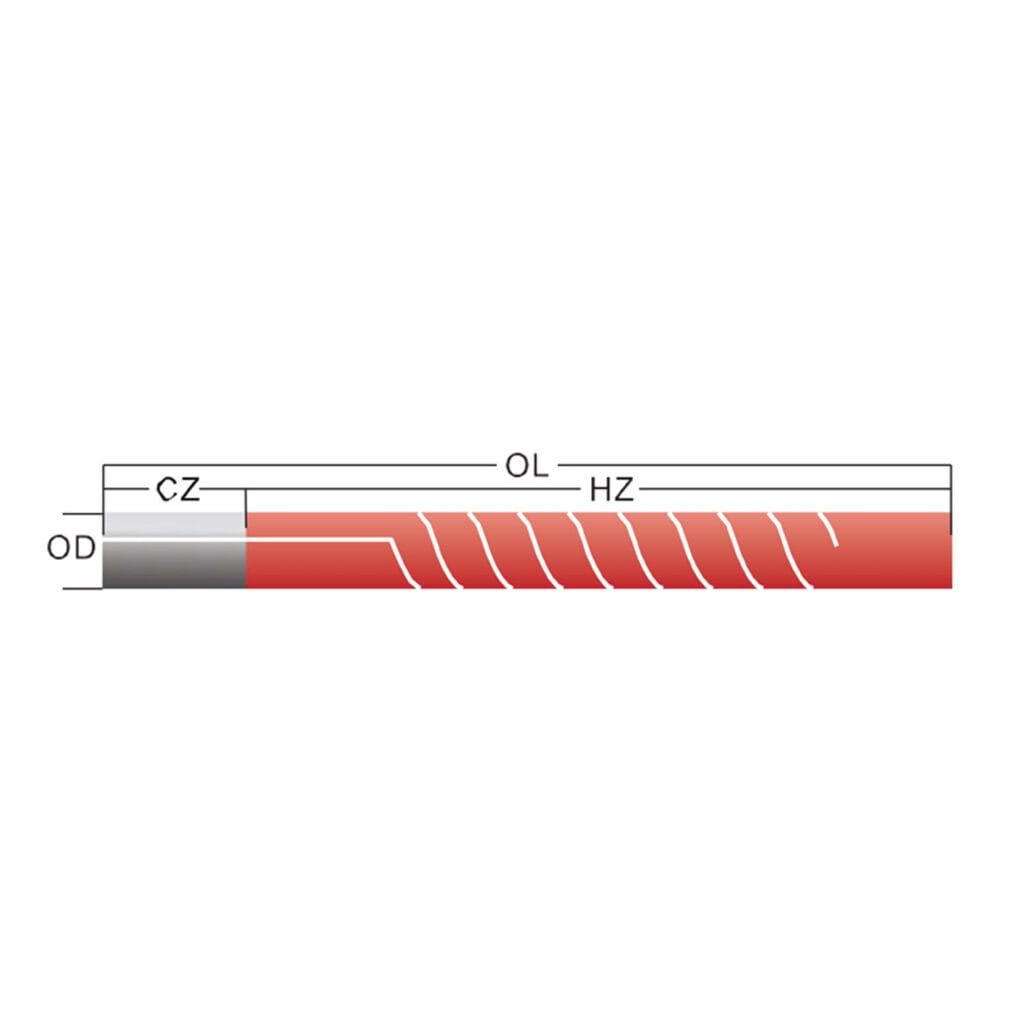
Custom SiC heating elements are widely used across high-temperature industrial sectors:
- Ceramics: Kilns for sintering porcelain, tiles, and refractory materials.
- Metallurgy: Heat treatment of steel and non-ferrous alloys, annealing, and melting processes.
- Glass Manufacturing: Melting, forming, and tempering glass products.
- Semiconductors and Advanced Materials: High-temperature processing for silicon wafers, ceramics, and other critical materials.
Properly designed elements optimize uniform heat distribution and minimize energy loss, critical for quality assurance in sensitive industrial processes.
Selecting the Right Supplier
Working with a professional custom SiC heating element manufacturer ensures:
- Direct Factory Control: Quality and consistency are maintained from raw materials to final product.
- Engineering Support: Custom designs tailored to unique furnace geometries and thermal requirements.
- Production Capacity: Ability to fulfill large-scale orders without compromising quality.
- OEM/ODM Flexibility: Adapting elements to specific industrial applications for unique operational needs.
Choosing a reliable supplier can dramatically reduce operational risk and improve furnace performance.
Common Issues and Troubleshooting
Industrial heating systems using SiC elements may face issues if not properly maintained:
- Element Aging: Resistance drift over time can affect heating uniformity.
- Thermal Shock Damage: Rapid temperature changes may cause cracks.
- Uneven Heating: Poor element placement or design can lead to hot spots.
- Preventive Maintenance: Regular inspection, proper startup and shutdown procedures, and controlled voltage supply extend element lifespan.
Addressing these issues proactively ensures continuous furnace operation and reduces downtime.
Maintenance Best Practices
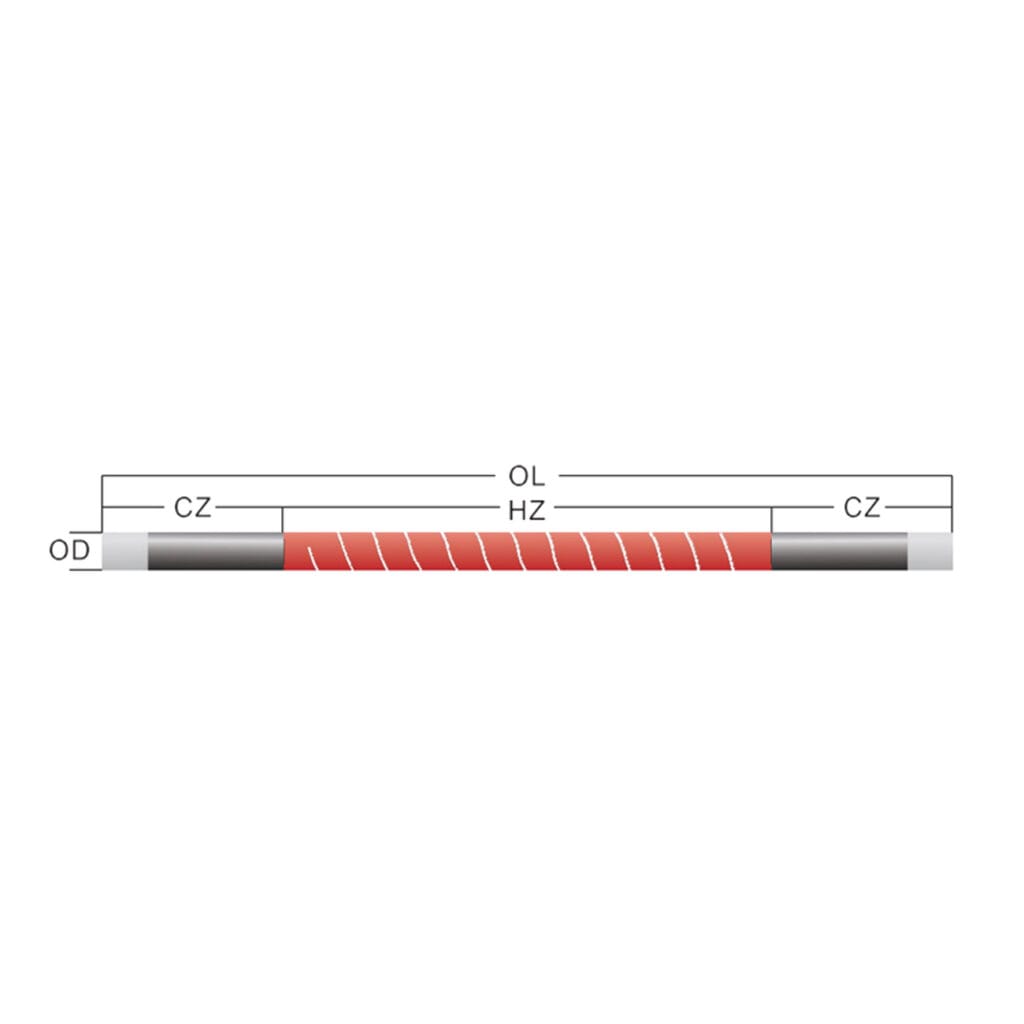
Maintaining custom SiC elements involves:
- Avoiding rapid temperature fluctuations during startup/shutdown.
- Monitoring furnace voltage and thermal load to prevent over-stressing the element.
- Cleaning and inspecting for contamination that could accelerate oxidation.
- Scheduling replacement before performance degradation affects production quality.
Proper care significantly extends the operational life of custom industrial heating elements.
Conclusion
Custom silicon carbide heating elements are indispensable for industries demanding high-temperature stability, energy efficiency, and reliability. From ceramics and metallurgy to glass and advanced material manufacturing, these elements provide a critical advantage in industrial furnace operations.
By partnering with a professional manufacturer, businesses gain access to tailored solutions, rigorous quality control, and long-term technical support, ensuring optimal performance across diverse high-temperature applications. Custom SiC heating solutions are not only a technical investment but also a strategic asset for efficient and sustainable industrial production.
FAQ
What is a custom silicon carbide heating element?
A custom silicon carbide (SiC) heating element is a high-temperature resistive heater designed to fit specific industrial furnace requirements. It delivers precise, efficient heat while resisting oxidation and thermal shock.
How do I choose the right SiC heating element for my furnace?
Consider the element’s dimensions, resistance, power density, and voltage compatibility. Customization ensures uniform heat distribution and optimal performance for your specific process.
What industries use custom silicon carbide heating elements?
They are widely used in ceramics, metallurgy, glass manufacturing, and advanced materials processing where high-temperature stability and energy efficiency are critical.
How can I extend the lifespan of a SiC heating element?
Proper maintenance includes avoiding rapid temperature changes, monitoring voltage, inspecting for contamination, and planning timely replacements before performance degradation.
Why work with a professional SiC heating element manufacturer?
A professional manufacturer provides quality-controlled production, engineering support for custom designs, and reliable supply, ensuring the elements meet industrial standards and operational demands.