Un transformador de horno puede tener suficiente capacidad nominal y aun así no coincidir bien con los elementos calefactores que suministra. El problema no suele ser un cálculo único. Es la interacción entre la resistencia del elemento, la agrupación de circuitos, el alcance del controlador, las condiciones de arranque en frío y el aumento de resistencia que se produce durante el servicio.
Esta guía explica cómo los equipos de ingeniería y compras deben preparar una especificación de transformador elementos calefactores de carburo de silicio. Se centra en las preguntas que deben responderse antes de solicitar el equipo o modernizar una zona de horno. El diseño, la protección y la instalación eléctricos finales siempre deben ser completados o aprobados por profesionales calificados según las reglas que se aplican en el sitio.
Tabla de contenidos
Por qué es importante la gama de transformadores para elementos calefactores de carburo de silicio
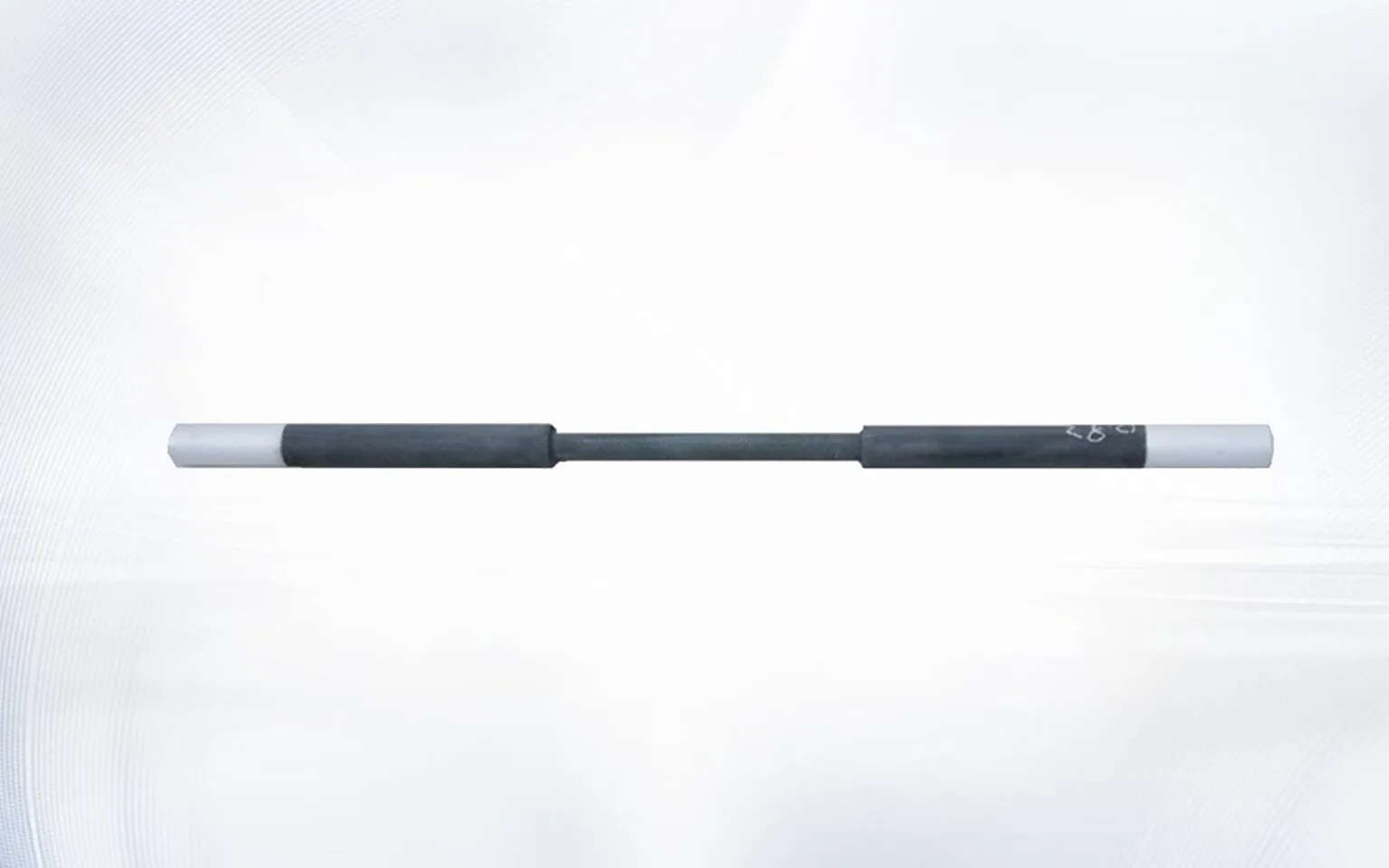
Los elementos calefactores de carburo de silicio convierten la energía eléctrica en calor mediante resistencia. Las relaciones simples descritas por La ley de Ohm son el punto de partida: voltaje, corriente, resistencia y potencia están conectados. Sin embargo, en un horno real, el transformador y el sistema de control deben funcionar en más de una condición operativa.
Los nuevos elementos calefactores de carburo de silicio tienen una resistencia y tolerancia nominales específicas. Durante el servicio a alta temperatura, su resistencia normalmente aumenta con el tiempo. Por lo tanto, el sistema de energía necesita suficiente rango de ajuste para operar nuevos elementos sin corriente excesiva y continuar suministrando energía útil a medida que los mismos elementos envejecen. Una salida fija elegida sólo para el primer día de funcionamiento puede dejar muy poco voltaje más tarde.
El tamaño del transformador también afecta el equilibrio de zonas. Si varios elementos comparten un circuito, su agrupación determina la resistencia equivalente vista por el transformador. Un cambio de serie a paralelo, o un número diferente de elementos por rama, puede alterar sustancialmente los requisitos de voltaje y corriente secundarios incluso cuando la potencia total del horno parece no haber cambiado.
Datos de hornos para elementos calefactores de carburo de silicio
No comience seleccionando un modelo de catálogo de transformadores. Comience con el horno. El Descripción general del calor de procesos del Departamento de Energía de EE. UU trata la fuente de calor, el recinto, los controles y el material procesado como un solo sistema. Esa misma vista del sistema es necesaria al especificar la potencia de los elementos calefactores de carburo de silicio.
- Temperatura normal de funcionamiento y temperatura máxima planificada del ciclo.
- Tiempo de calentamiento, tiempo de remojo, carga de producción y número de ciclos por día.
- Requisito de energía existente o calculado para cada zona controlada de forma independiente.
- Forma del elemento, longitud de la zona de calentamiento, longitud del extremo frío, diámetro y resistencia nominal al frío.
- Número de elementos en cada zona y la conexión serie, paralelo o serie-paralelo prevista.
- Tensión y frecuencia de alimentación primaria disponibles.
- Tipo de controlador, método de salida y rango de entrada secundario aceptable.
- Disposición existente de tomas de transformador, conductores secundarios, dispositivos de protección y hardware de terminal.
- Atmósfera esperada, contaminación y condiciones de enfriamiento alrededor de terminales y cables.
Para una modernización, recopile los dibujos originales y tome medidas en lugar de copiar solo la placa de identificación del transformador. El artículo sobre dimensiones del elemento calefactor de carburo de silicio explica cómo OD, HZ, CZ y OL se relacionan con el ajuste del horno. El dimensionamiento eléctrico debe utilizar el dibujo del elemento aprobado porque la geometría y la resistencia están vinculadas.
Resistencia al frío y envejecimiento de elementos calefactores de carburo de silicio
El proveedor debe indicar la resistencia nominal al frío, la tolerancia y la condición de medición. No asuma que una resistencia medida en un horno caliente o en un elemento muy utilizado es el valor de diseño original. Para trabajos de reemplazo, compare los datos de nuevos elementos con el historial de mantenimiento y con lecturas de los demás elementos en la misma zona.
El guía de resistencia para elementos calefactores de carburo de silicio explica por qué las mediciones de temperatura ambiente, el estado de conexión y la antigüedad del servicio deben registrarse de manera consistente. Un estudio de transformador necesita al menos dos casos de resistencia: la condición prevista del nuevo elemento y una condición de envejecimiento acordada proporcionada por el fabricante del elemento o el diseñador del horno.
Evite inventar un multiplicador de envejecimiento de un horno diferente. La atmósfera, la temperatura del elemento, la carga superficial, los ciclos y la contaminación influyen en el rango de ajuste útil. El Portal de datos de cerámica del NIST demuestra que los valores de las propiedades del material pertenecen a especificaciones de material y condiciones de prueba definidas. Los elementos calefactores de carburo de silicio terminados también requieren datos eléctricos específicos del producto, no una constante genérica del material.
Potencia, corriente y voltaje de zona para elementos calefactores de carburo de silicio
Una vez que se conocen la resistencia equivalente del circuito y la potencia de zona requerida, el equipo de diseño puede calcular el punto de operación secundario. Para una carga resistiva, la potencia se puede expresar como P = VI, P = I²R o P = V²/R. Estas ecuaciones son sencillas; elegir la resistencia correcta y la disposición del circuito es la parte difícil.
Calcule cada zona controlada por separado. Un horno puede tener el mismo tipo de elementos calefactores de carburo de silicio en el techo, las paredes y el piso, pero diferentes recuentos de elementos, pérdidas de calor o demandas de energía. Combinar todas las zonas en un promedio puede ocultar una corriente secundaria que es demasiado alta para un circuito o un rango de voltaje demasiado estrecho para otro.
Documento de corriente calculada para la caja del elemento nuevo y voltaje requerido para la caja del elemento envejecido. Luego compare ambos con tomas de transformador, límites del controlador, ampacidad del cable, dispositivos de protección y clasificaciones de terminales. El kVA del transformador es importante, pero no sustituye a la verificación de la envolvente completa de tensión-corriente.
Agrupación en serie y en paralelo para elementos calefactores de carburo de silicio
La agrupación de circuitos cambia la resistencia equivalente. En una cadena en serie, las resistencias se suman y la misma corriente pasa a través de cada elemento. En ramas paralelas, las corrientes de rama se suman mientras cada rama ve el mismo voltaje. Las disposiciones en serie-paralelo se utilizan a menudo cuando el número de elementos calefactores de carburo de silicio y la salida requerida del transformador no se adaptan a una única conexión simple.
| Conexión | Efecto eléctrico primario | Ventaja de ingeniería | Cheque importante |
|---|---|---|---|
| Serie | Mayor resistencia equivalente | Puede reducir la corriente secundaria para una rama determinada | Un elemento abierto puede interrumpir la cadena completa |
| Paralelo | Rezistență equivalentă mai josă | Cada rama recibe el mismo voltaje | Saldo corriente de la sucursal y capacidad de conductores |
| Serie paralela | Tensión y corriente intermedias | Más flexibilidad para recuentos de elementos más grandes | Igual resistencia de rama y agrupación simétrica |
Los elementos que comparten una rama deben ser compatibles en condiciones de resistencia y servicio. La mezcla de elementos calefactores de carburo de silicio nuevos y muy envejecidos puede producir una distribución desigual de corriente o calor, especialmente cuando la agrupación no es simétrica. Utilice la tolerancia de resistencia del proveedor y el modelo de circuito del ingeniero de hornos para definir grupos aceptables.
No cambie la agrupación para adaptarla a un transformador disponible sin revisar el comportamiento de falla y el acceso de mantenimiento. Un circuito que parece atractivo en una hoja de cálculo puede hacer que un elemento fallido detenga una zona completa o puede requerir corrientes conductoras que los terminales existentes no pueden transportar de manera segura.
Espacio libre de voltaje para elementos calefactores de carburo de silicio envejecidos
El margen de voltaje es la capacidad controlada para aumentar el voltaje secundario a medida que aumenta la resistencia del elemento. No debe confundirse con operar nuevos elementos en el grifo más alto disponible. Los nuevos elementos calefactores de carburo de silicio deben tener un punto de partida adecuado que deje un ajuste útil manteniéndose dentro de los límites de corriente y carga superficial definidos para la aplicación.
Una especificación práctica muestra el voltaje requerido para el nuevo elemento, los pasos de ajuste planificados o el rango de control y el voltaje máximo de diseño para la condición de envejecimiento acordada. También establece quién es responsable de decidir cuándo se puede cambiar un grifo o punto de ajuste del controlador. Los operadores no deben aumentar el voltaje simplemente porque el calentamiento parece más lento; Primero verifique los terminales, la resistencia del elemento, el estado del sensor, el aislamiento y la carga de producción.
El DOE mantiene recursos del sistema de calentamiento de procesos que enfatizan la evaluación y la mejora a nivel del sistema. Aquí se aplica la misma disciplina: el rendimiento lento puede deberse a pérdida de calor, problemas de control, carga o conexiones eléctricas, no sólo de los elementos calefactores de carburo de silicio.
Controladores, Cables y Terminales para Elementos Calentadores de Carburo de Silicio
El transformador no funciona solo. Confirme que el controlador pueda controlar el rango de voltaje o potencia planificado y que sus métodos de detección y protección se adapten a una carga resistiva del horno. Verifique las secciones transversales del conductor, las clasificaciones de temperatura de aislamiento, el enfriamiento, el enrutamiento, las desconexiones, la protección contra sobrecorriente y las condiciones del gabinete con un diseñador eléctrico calificado.
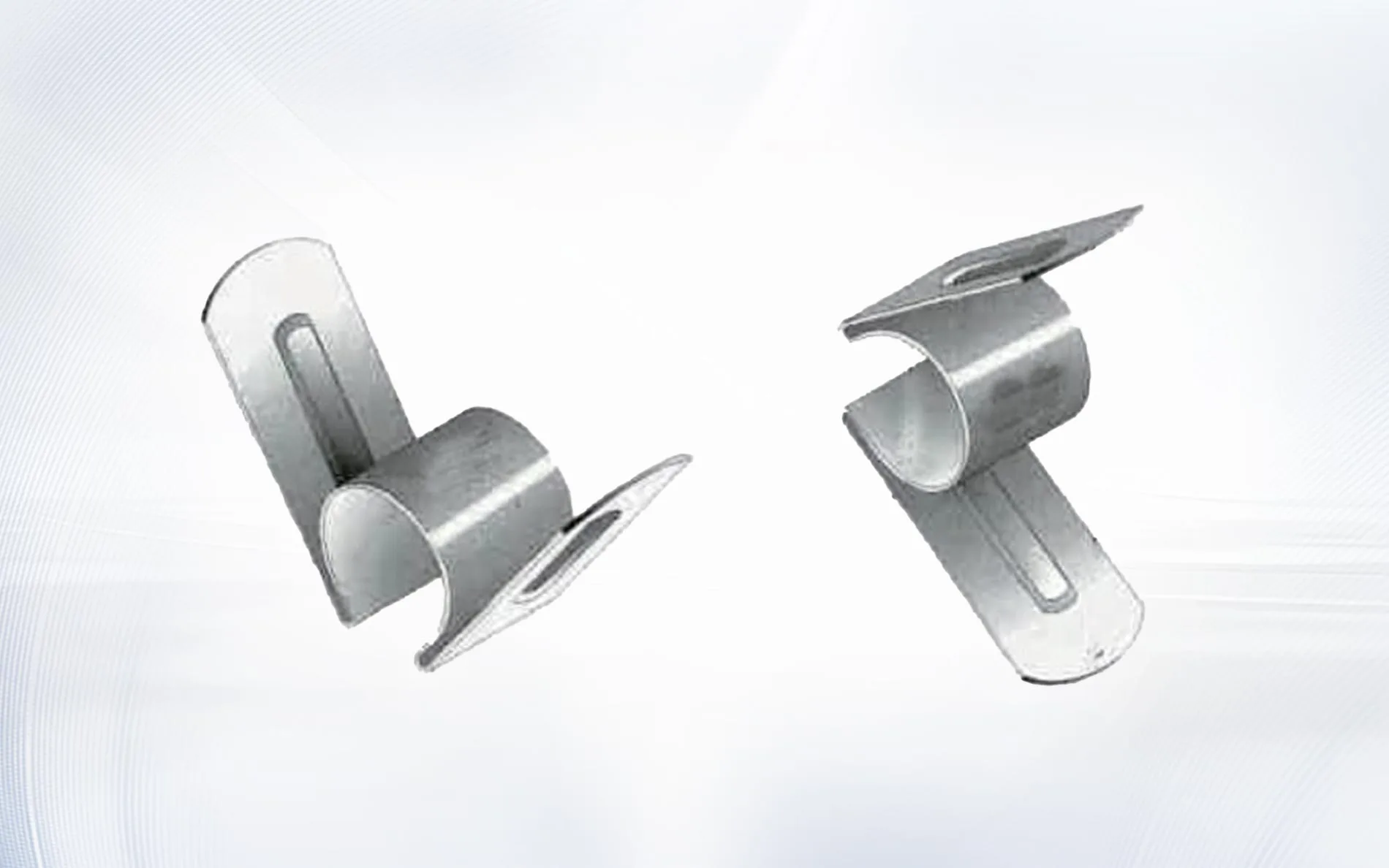
La calefacción de terminales puede desperdiciar voltaje y dañar las conexiones antes de que un elemento llegue al final de su vida útil. La guía para Terminales de elementos calefactores de SiC explica cómo el contacto flojo, las correas inadecuadas, la oxidación y la sujeción desigual crean resistencia local. Trate la caída de voltaje terminal como una falla a investigar, no como una salida de calefacción útil.
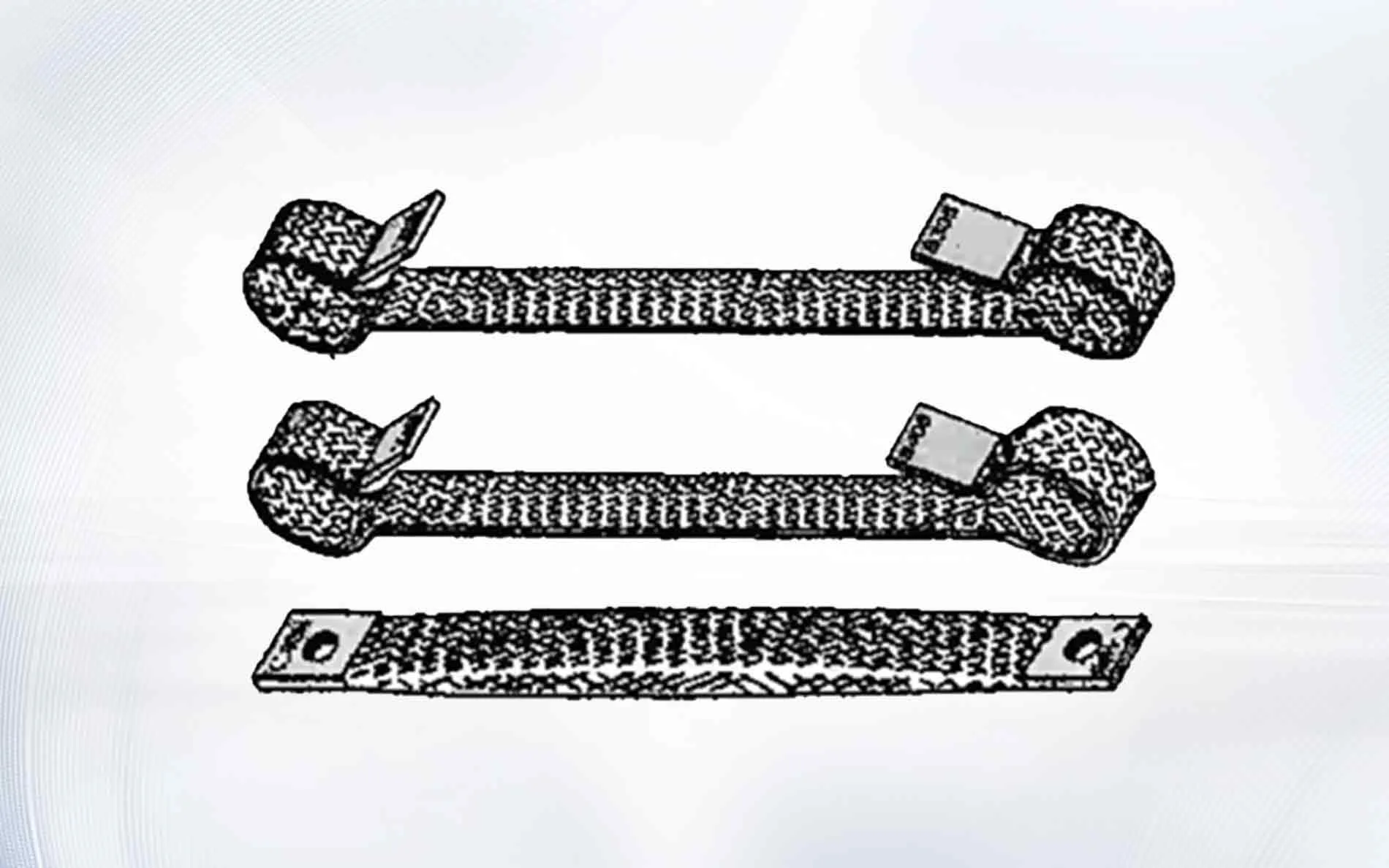
Las instalaciones de electrocalentamiento industrial también requieren una revisión de seguridad. IEC 60519-1 cubre los requisitos generales de seguridad para instalaciones de electrocalentamiento industrial, mientras OSHA 1910.304 aborda el diseño y la protección del cableado en los lugares de trabajo de EE. UU. Se deben determinar los códigos aplicables, las prácticas de conexión a tierra, el aislamiento y la protección para la instalación real; el cálculo de un transformador no es una certificación de seguridad.
Hoja de trabajo de especificaciones del transformador
Utilice una hoja de trabajo por zona controlada. La tabla mantiene visibles las suposiciones y brinda al proveedor de transformadores, al proveedor de controladores, al constructor de hornos y al proveedor de elementos calefactores la misma referencia.
| Entrada | Caso de nuevo elemento | Estuche de diseño envejecido | Fuente o aprobación |
|---|---|---|---|
| Elementos por zona | Recuento de registros | Lo mismo a menos que se rediseñe | Dibujo de horno |
| Resistencia al elemento | Tolerancia nominal más | Valor de planificación aprobado | Proveedor de elementos |
| Agrupación de circuitos | Diagrama serie/paralelo | Misma agrupación | Diseñador eléctrico |
| Resistencia equivalente | Rango calculado | Rango calculado | Cálculo de ingeniería |
| Potencia de zona requerida | Deber definido | Deber definido | Diseño térmico |
| Tensión secundaria | Punto de operación calculado | Necesidad máxima calculada | Diseñador eléctrico |
| Corriente secundaria | Máximo calculado | Valor calculado | Diseñador eléctrico |
| Calificación del transformador | Seleccionado con margen y deber documentados | Proveedor de transformadores | |
Adjunte el diagrama del circuito y el dibujo dimensionado de los elementos calefactores de carburo de silicio a esta hoja de trabajo. Si algún valor es provisional, márquelo claramente. Una estimación sin marcar puede convertirse fácilmente en una especificación de compra después de varias revisiones de documentos.
Puesta en servicio de registros de elementos calefactores de carburo de silicio
La puesta en servicio confirma si el cálculo y el sistema instalado coinciden. Antes de energizar, verifique la identidad de los elementos, agrupación, posición de la toma del transformador, conexiones de cables, procedimiento de torsión de terminales, espacios libres, soportes, conexión a tierra y configuraciones de protección de acuerdo con las instrucciones aprobadas de diseño y fabricante.
Registre la resistencia al frío para cada elemento o grupo definido, voltaje primario y secundario del transformador, corriente de funcionamiento por rama, salida del controlador, tiempo de calentamiento y uniformidad de temperatura bajo una carga representativa. Estos valores crean una base para los elementos calefactores de carburo de silicio y hacen que la resolución de problemas futura sea más objetiva.
Después de los ciclos térmicos iniciales, inspeccione los terminales y el hardware de conexión en busca de decoloración anormal, aflojamiento o calentamiento localizado utilizando procedimientos aprobados por el sitio. Compare lecturas entre ramas similares en lugar de juzgar un número de forma aislada. Cualquier desequilibrio actual inesperado debe investigarse antes de que continúe la producción de rutina.
Errores comunes en el tamaño de los transformadores
- Seleccionar solo por kVA total ignorando el rango de voltaje secundario requerido.
- Utilizar la resistencia actual de una varilla envejecida como valor de diseño de nuevo elemento.
- Calcular con resistencia individual pero olvidando la agrupación serie-paralelo real.
- Dimensionar todas las zonas del horno a partir de un valor de potencia promedio.
- Sin dejar espacio libre de voltaje controlado para el envejecimiento normal de la resistencia.
- Aumento de una toma de transformador antes de comprobar terminales, controles, sensores y pérdidas de calor.
- Reutilizar cables viejos o protección sin verificar la capacidad de corriente y temperatura.
- Mezclar elementos calefactores de carburo de silicio nuevos y envejecidos sin un plan de adaptación de resistencia.
- Aprobar un transformador antes de que la geometría y la cantidad del elemento sean definitivas.
Estos errores suelen comenzar cuando diferentes proveedores reciben diferentes versiones de los datos del horno. Una sola hoja de trabajo controlada, un conjunto de dibujos y un diagrama de conexión reducen ese riesgo. Los números de revisión deben aparecer en cada documento utilizado para cotización y aprobación.
Lista de verificación final de ingeniería para elementos calefactores de carburo de silicio
Antes de realizar el pedido, confirme el requisito de potencia de la zona, los casos de resistencia nuevos y antiguos, la resistencia equivalente del circuito, el rango de voltaje secundario, la corriente máxima, el trabajo del transformador, el método de derivación o control y la estrategia de protección. Confirme que la geometría y la cantidad de elementos calefactores de carburo de silicio coincidan con la misma revisión del dibujo del horno.
La revisión también debe cubrir el tamaño de los conductores, el hardware de los terminales, las distancias a las paredes, el enfriamiento, la compatibilidad del controlador, el comportamiento de falla y las mediciones de puesta en servicio. Si la instalación es una modernización, documente lo que permanecerá sin cambios y lo que debe reemplazarse.
Para conocer las dimensiones del producto y las opciones de elementos, revise el Gama de productos Qixiang, incluido el Elemento recto DH y Elemento DB con extremos fríos agrandados. Envíe la hoja de trabajo, los dibujos y los detalles del circuito a través del página de contacto para una revisión de elementos específicos de la aplicación.
Preguntas frecuentes
¿es suficiente el transformador kVA para seleccionar un transformador de horno?
No. kVA debe verificarse junto con el rango de voltaje secundario, la corriente máxima, el ciclo de trabajo, la agrupación de circuitos, el método del controlador, la protección y los casos de resistencia nuevos y antiguos planificados.
¿por qué los elementos calefactores de carburo de silicio necesitan un margen de tensión?
Su resistencia normalmente aumenta durante el servicio. El margen de voltaje controlado permite que el sistema mantenga energía útil más adelante sin elegir un voltaje de arranque excesivo para nuevos elementos. El rango requerido debe estar aprobado para el producto real y el servicio del horno.
¿Qué valor de resistencia se debe utilizar para un diseño de reemplazo?
Utilice datos de nuevos elementos aprobados por el proveedor y un caso de diseño envejecido documentado. No utilice únicamente la resistencia del elemento defectuoso o muy envejecido, porque es posible que ya no represente el diseño del circuito original.
¿Puedo cambiar la agrupación en serie y en paralelo para utilizar un transformador existente?
Sólo después de una revisión completa de ingeniería. El cambio de agrupación afecta el voltaje, la corriente, el equilibrio de ramas, la protección, el comportamiento de falla, los conductores, los terminales y, a veces, el número o especificación de los elementos calefactores de carburo de silicio.
¿Qué información se debe enviar para la revisión de transformadores y elementos?
Envíe energía de zona, detalles de suministro, placa de identificación del transformador y datos de toma, tipo de controlador, diagrama de cableado, recuento de elementos, geometría, rango de resistencia, temperatura del horno, atmósfera, ciclo de trabajo, fotografías de la terminal y el procedimiento de puesta en servicio planificado.
Coordinar el Transformador y la Especificación del Elemento
Un diseño confiable de energía de horno trata el transformador, el controlador, el cableado, los terminales y los elementos calefactores de carburo de silicio como un sistema eléctrico-térmico. El cálculo debe mostrar cómo funciona la zona con nuevos elementos y cómo el rango disponible respalda la condición de envejecimiento acordada.
Si está preparando un horno nuevo o una modernización, contacta con Qixiang con la hoja de trabajo completa y los dibujos dimensionados. Los datos claros del circuito y de funcionamiento permiten revisar los elementos calefactores de carburo de silicio propuestos antes de finalizar el transformador y el hardware de conexión.