Kiln performance depends on much more than the controller setting. Even when the temperature display looks correct, the actual firing result may still be uneven if the heating elements are aging, poorly matched, incorrectly positioned, or affected by the kiln atmosphere.
That is why selecting the right kiln heating elements is one of the most important decisions for ceramic kilns, glass furnaces, heat treatment furnaces, laboratory kilns, and other high-temperature electric heating systems.
For industrial buyers, the goal is not simply to replace a broken part. The real goal is to keep the kiln heating evenly, reduce unplanned shutdowns, protect product consistency, and make maintenance easier to plan. This guide explains how to choose kiln heating elements from a practical production perspective, especially when you are comparing silicon carbide rods, shaped heating elements, single-end designs, and related accessories.
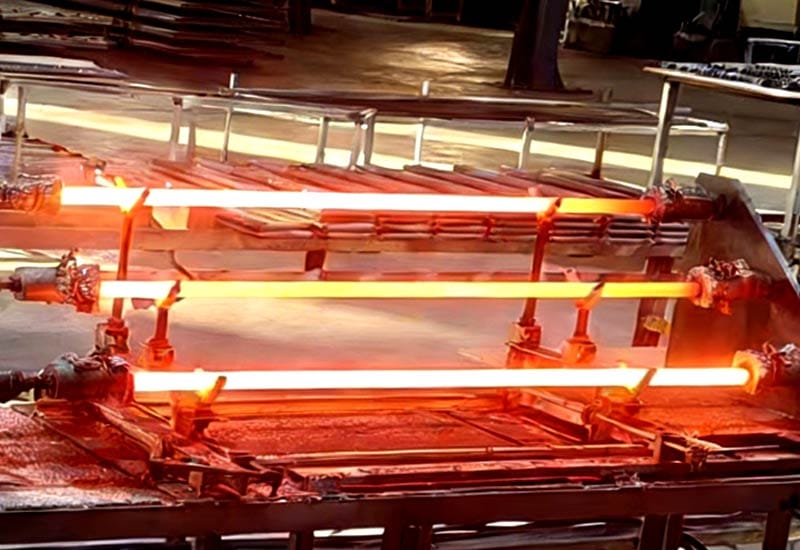
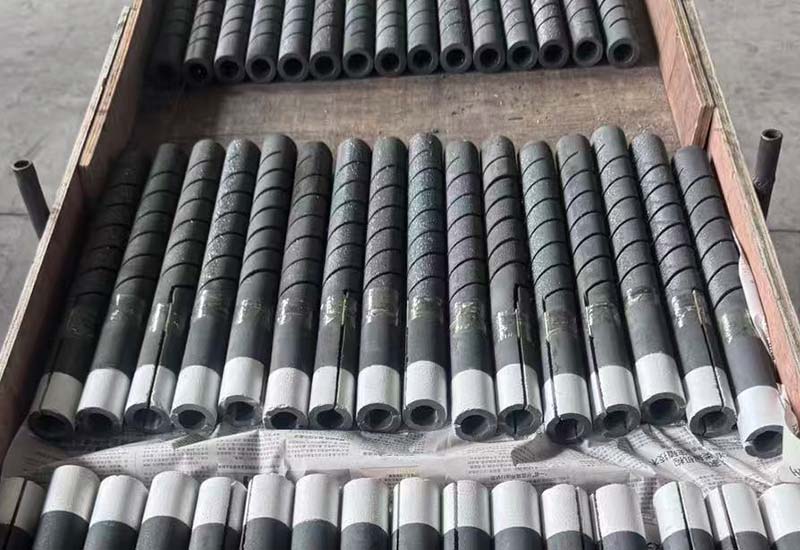
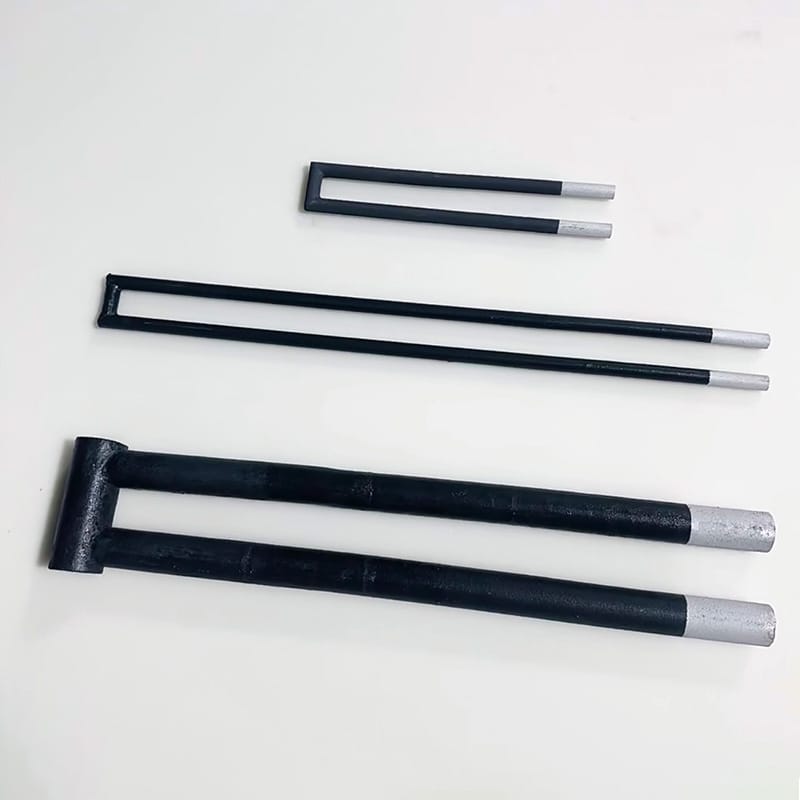
Qixiang provides multiple silicon carbide heating elements for high-temperature kilns and furnaces, including straight rods, U-shaped rods, W-shaped rods, single-end elements, and supporting accessories.
Table of Contents
Why Kiln Heating Elements Directly Affect Firing Quality
A kiln is a high-temperature chamber used to heat, fire, dry, sinter, or treat materials. In electric kilns, heating elements convert electrical energy into heat and radiate that heat into the chamber. A general overview of kiln applications can be found on the kiln page.
In real production, kiln heating elements influence several key results:
- How quickly the kiln reaches target temperature
- Whether heat is evenly distributed across the chamber
- Whether products near the wall and products near the center fire consistently
- Whether operators need frequent power adjustment
- Whether terminals and connections remain stable
- Whether replacement can be planned instead of handled after failure
If heating elements are selected only by shape or approximate size, problems may appear after installation. The kiln may heat slowly, one zone may become unstable, terminals may overheat, or firing quality may vary between batches.
A good selection process should consider the whole heating system, not only the visible element.
Start With the Kiln Application, Not the Element Shape
Many buyers begin by asking whether they need straight rods, U-shaped elements, W-shaped elements, or single-end elements. That question matters, but it should not be the first step.
The first step is to understand the kiln application.
Different kiln processes create different heating demands. Ceramic firing, glass heating, metallurgy heat treatment, electronic material sintering, and laboratory testing do not always require the same heating layout.
Before selecting kiln heating elements, confirm:
- Working temperature and maximum temperature
- Kiln chamber size
- Heating zone arrangement
- Product loading pattern
- Atmosphere inside the kiln
- Current element dimensions
- Electrical system and control method
- Installation space and wiring direction
- Replacement frequency and maintenance access
For example, a ceramic kiln with dense shelf loading may need excellent side-wall heat distribution. A compact laboratory furnace may need a single-end structure because wiring space is limited. A large industrial kiln may need shaped silicon carbide rods to provide stronger heating coverage in specific zones.
Common Types of Kiln Heating Elements
Kiln heating elements are available in different structures. The right choice depends on furnace design, power requirement, installation method, and temperature uniformity expectations.
Straight Silicon Carbide Rods
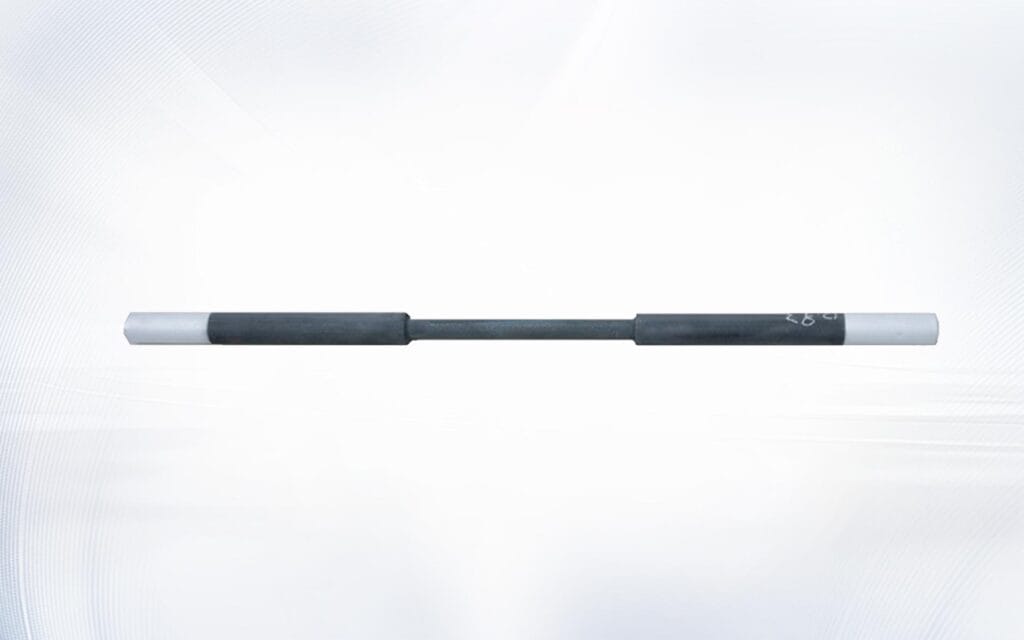
Straight silicon carbide rods are commonly used in industrial electric kilns and furnaces. They are suitable for side-wall installation and relatively simple chamber layouts.
They are often selected for:
- Ceramic kilns
- Laboratory furnaces
- Heat treatment furnaces
- Glass heating equipment
- General high-temperature electric kilns
For standard straight rod applications, Qixiang’s DH Type SIC Heating Element can be considered when the kiln requires a uniform straight element structure.
U-Shaped Heating Elements
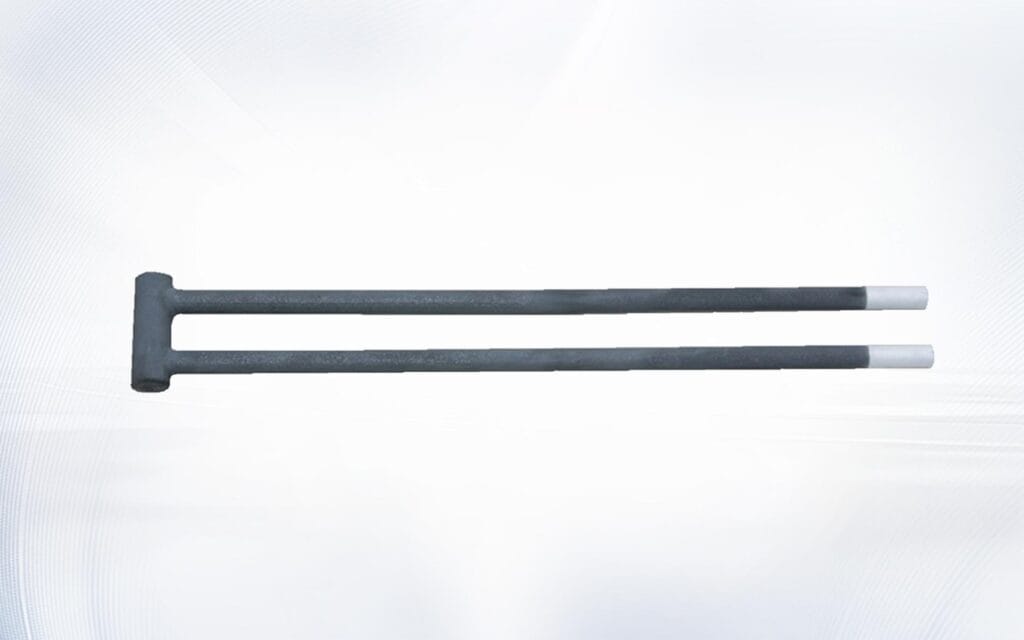
U-shaped kiln heating elements are useful when the kiln needs more heating area in a limited space or when wiring from one side is more convenient. The double-leg structure can increase radiant surface area while simplifying certain installation layouts.
Qixiang’s U Shaped Silicon Carbide Rod is suitable for high-temperature equipment where increased heating area and uniform heating are important.
W-Shaped Heating Elements
W-shaped heating elements are often used when the kiln requires stronger heat output or broader heat coverage in a compact area. This structure can be useful in larger kilns or heating zones that need more radiant surface.
For suitable kiln layouts, Qixiang’s W Shaped Silicon Carbide Rod provides a multi-leg structure designed for high-temperature furnace heating.
Single-End Heating Elements
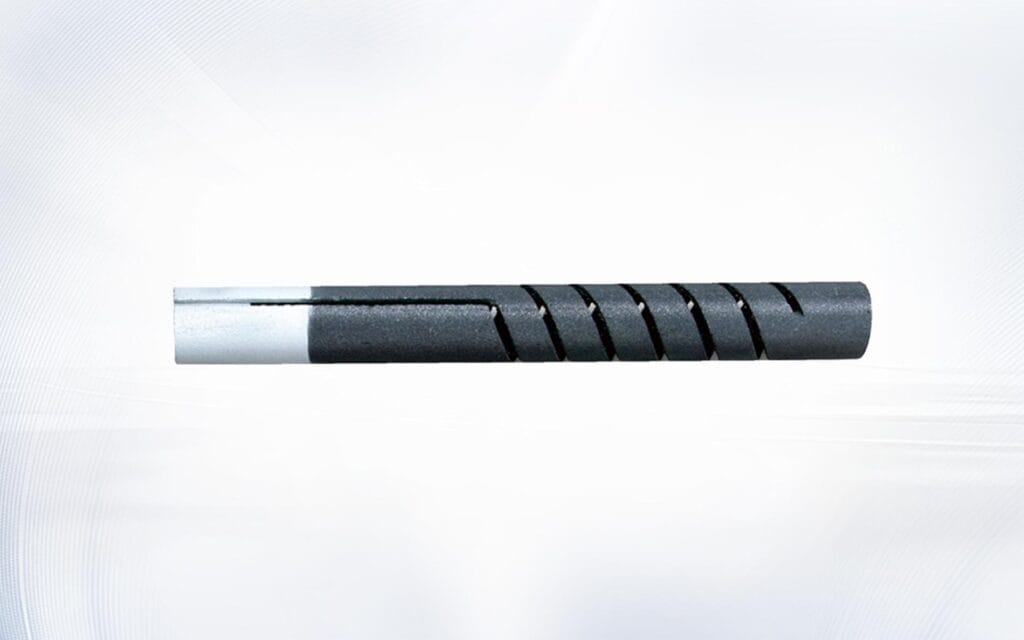
Single-end heating elements are useful when the kiln structure only allows installation or wiring from one side. This can simplify maintenance in compact kilns, laboratory furnaces, or equipment with limited access.
Qixiang’s UX Type Silicon Carbide Heating Element is designed for high-temperature equipment where single-side wiring and limited installation space are important.
Selection Table for Kiln Heating Elements
| Kiln Condition | Recommended Selection Focus | Why It Matters |
|---|---|---|
| Standard ceramic kiln | Straight silicon carbide rods | Supports balanced side-wall heating and easier replacement |
| Compact laboratory kiln | Single-end heating elements | Helps simplify wiring where access is limited |
| Large industrial kiln | U-shaped or W-shaped elements | Increases heating area and improves chamber coverage |
| Kiln with uneven firing | Check element layout, resistance, and loading pattern | Uneven firing is often a system issue |
| High-temperature continuous operation | Stable silicon carbide heating elements | Supports reliable performance under long heating cycles |
| Frequent terminal overheating | Review clamps and accessories | Poor connection can damage the heating system |
| Replacement for older kiln | Match dimensions and resistance carefully | Prevents installation and electrical mismatch |
| Kiln with chemical vapor or dust | Review furnace atmosphere | Atmosphere affects element aging and surface condition |
Material Choice: Why Silicon Carbide Is Widely Used
Many high-temperature kilns use silicon carbide heating elements because silicon carbide offers high-temperature strength, thermal conductivity, chemical stability, and oxidation resistance.
In kiln applications, these properties help silicon carbide heating elements handle demanding conditions such as:
- High working temperatures
- Repeated heating and cooling cycles
- Radiant heat transfer
- Industrial firing environments
- Long operating schedules
However, silicon carbide is still a ceramic material. It should not be dropped, bent, forced into misaligned furnace holes, or installed under mechanical stress. Good material quality must be supported by correct installation and proper maintenance.
For kiln buyers, the best performance comes from matching the element material, structure, resistance, and installation accessories to the actual operating environment.
Key Parameters Buyers Must Confirm Before Ordering
Ordering kiln heating elements by appearance alone is risky. Two elements may look similar but perform very differently if their heating zone, cold end length, resistance, or diameter is different.
Overall Length
Overall length determines whether the element fits the kiln wall, insulation thickness, and connection area. If the element is too short, wiring may be difficult. If it is too long, the heating zone may not align with the chamber correctly.
Heating Zone Length
The heating zone should sit inside the kiln chamber where heat is needed. If the heating zone is too short, cold areas may appear. If it extends into the wall or connection area, overheating can occur.
Cold End Length
Cold ends help keep the electrical connection area cooler than the active heating section. Incorrect cold end length can lead to terminal overheating or poor heat distribution.
Diameter
Diameter affects mechanical strength, resistance, heat output, and compatibility with kiln holes and clamps.
Resistance
Resistance must match the kiln electrical system and control zones. Incorrect resistance can cause slow heating, unstable power distribution, or uneven temperature performance.
Element Spacing
For U-shaped and W-shaped elements, spacing between legs must match the kiln structure. Wrong spacing can create installation stress and shorten element life.
Furnace Atmosphere
Air, reducing atmosphere, protective gas, chemical vapor, dust, glaze, and process contamination can all affect kiln heating element performance.
Resistance Matching Is Essential for Stable Kiln Operation
Silicon carbide kiln heating elements naturally age during high-temperature use. As they age, their resistance changes. This is normal, but it must be managed.
If one kiln zone contains elements with very different resistance values, power distribution may become uneven. Some elements may heat more strongly while others contribute less. This can create hot spots, cold areas, and inconsistent firing results.
A better replacement practice is to measure and group elements by resistance.
Practical steps include:
- Measure the resistance of existing kiln heating elements.
- Compare elements within the same control zone.
- Avoid mixing heavily aged elements with new elements without checking values.
- Replace elements by zone when necessary.
- Record resistance after installation.
- Recheck after several firing cycles.
This helps the kiln operate more predictably and makes future maintenance easier.
How Kiln Loading Changes Heating Performance
Many firing problems are blamed on heating elements, but kiln loading is often part of the problem.
If products are stacked too densely, placed too close to elements, or arranged unevenly, radiant heat may be blocked. The kiln may then show uneven firing even when all elements are working.
Common loading issues include:
- Products placed too close to side-wall elements
- Shelves blocking direct radiation
- Uneven product density between zones
- Large products placed near temperature sensors
- Different product types fired together
- Fixtures shielding one side of the chamber
Before replacing kiln heating elements, operators should compare firing results under different loading patterns. If the uneven area changes with the load, the root cause may be loading strategy rather than element failure.
The U.S. Department of Energy explains that process heating systems should be improved through a systems approach, including equipment performance, controls, heat transfer, and operating practices. This same idea applies to kiln heating: the element matters, but the full system matters too.
Installation Mistakes That Reduce Element Life
Even the right kiln heating elements can fail early if they are installed incorrectly.
Common installation mistakes include:
- Forcing the element into a misaligned kiln hole
- Tightening clamps too much
- Leaving loose electrical connections
- Allowing the heating zone to contact kiln lining
- Installing elements without expansion space
- Using worn or oxidized accessories
- Mixing unmatched old and new elements
- Starting the kiln too aggressively after replacement
Heating elements need stable mechanical support and reliable electrical contact. The connection area is especially important because poor contact can create local overheating.
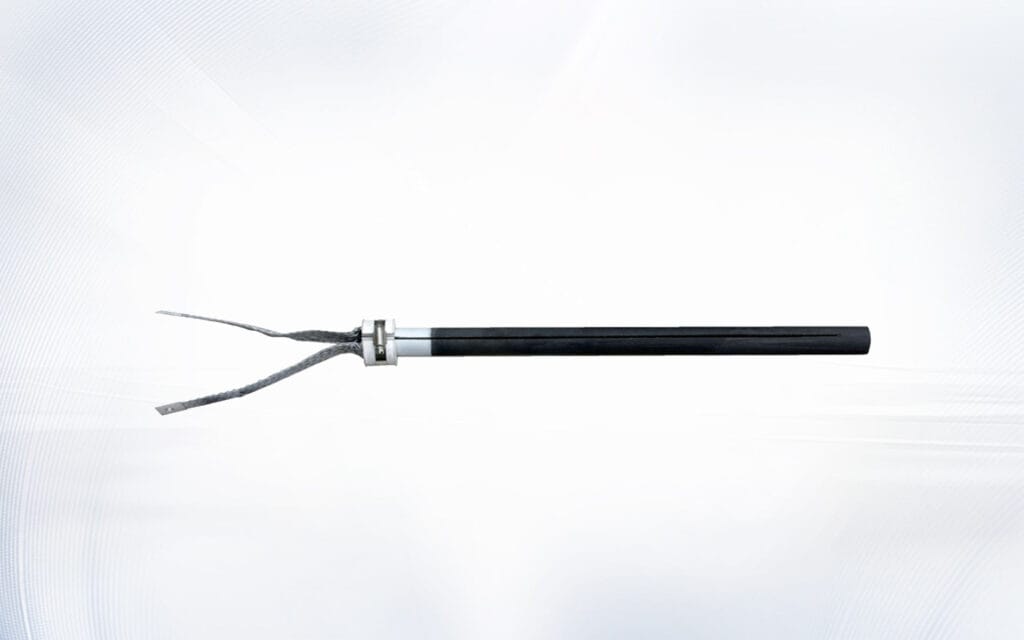
Qixiang provides heating element accessories for furnace installation and connection support. For rod installation, a suitable heating rod clamp can help secure the element while supporting stable operation.
Warning Signs That Kiln Heating Elements Need Attention
Kiln heating elements usually give warning signs before complete failure. Operators should watch for changes in heating behavior, surface condition, and product results.
Common warning signs include:
- Longer heat-up time than normal
- More frequent controller adjustment
- One kiln zone unable to reach target temperature
- Repeated terminal discoloration
- Visible cracks or severe surface oxidation
- Uneven firing results
- Abnormal resistance readings
- Hot spots near the element or terminal area
- Product quality differences between kiln positions
When these symptoms appear, do not only replace the most damaged element. Check resistance, accessories, kiln loading, and control-zone balance.
Maintenance Checklist for Kiln Heating Elements
| Inspection Area | What to Check | Recommended Action |
| Element surface | Cracks, contamination, oxidation, deformation | Clean chamber and plan replacement if needed |
| Resistance | Compare with previous records | Group similar resistance values |
| Terminals | Loose connection, discoloration, overheating | Tighten or replace accessories |
| Kiln holes | Dust, damage, misalignment | Repair before installing new elements |
| Loading pattern | Products too close to heating elements | Adjust spacing and shelf arrangement |
| Temperature uniformity | Hot spots or cold zones | Check element layout and zone balance |
| Accessories | Clamp condition and contact quality | Replace worn connection parts |
| Records | Installation date and resistance values | Use for planned maintenance |
A simple maintenance record can prevent many repeat failures. It also helps buyers order more accurate replacement elements in the future.
How to Choose Kiln Heating Elements for Replacement Projects
Replacement projects require extra care because older kilns may not have complete technical documentation.
When replacing kiln heating elements, collect as much information as possible:
- Photos of the existing elements
- Overall length
- Heating zone length
- Cold end length
- Diameter
- Shape and installation direction
- Resistance value
- Kiln voltage and power information
- Working temperature
- Maximum temperature
- Kiln atmosphere
- Current problem description
- Required accessories
For replacement planning, buyers can review Qixiang’s Products page to compare available silicon carbide heating element structures. Technical details can also be submitted through the Contact Us page for selection support.
Kiln Heating Elements for Ceramic Firing
Ceramic kilns require stable and uniform heating because firing results are sensitive to temperature differences. Small variations can affect color, shrinkage, glaze behavior, surface finish, and product consistency.
For ceramic applications, buyers should pay attention to:
- Element layout on side walls or roof
- Distance between elements and products
- Shelf arrangement
- Firing cycle length
- Atmosphere and process vapor
- Resistance balance between zones
- Maintenance access
Straight silicon carbide rods are often used in simpler kiln structures, while U-shaped or W-shaped elements may be considered when more heating area is needed.
The best choice depends on the kiln design and product loading method.
Kiln Heating Elements for Industrial Heat Treatment
Industrial heat treatment kilns and furnaces need reliable heating performance under repeated cycles. These applications often require consistent temperature control and strong element durability.
Selection should consider:
- Working temperature range
- Load weight and size
- Heating and cooling cycle frequency
- Furnace atmosphere
- Zone control accuracy
- Electrical system compatibility
- Replacement accessibility
In these applications, element resistance matching and terminal connection stability are especially important. A weak connection can affect the whole heating zone and create avoidable downtime.
Kiln Heating Elements for Laboratory Furnaces
Laboratory kilns and furnaces often have smaller chambers, tighter space, and more frequent process changes. For these applications, installation convenience and control stability are important.
Single-end heating elements may be useful when access is limited. Compact element structures can also help simplify wiring and maintenance.
However, small kilns can be sensitive to element placement. A minor layout error may create noticeable temperature variation because the chamber is small. Buyers should confirm dimensions carefully before replacement.
When to Replace Elements and When to Adjust the Kiln
Not every kiln heating issue requires new elements. Some problems come from loading, accessories, insulation, sensors, or control settings.
Replace kiln heating elements when:
- Resistance has increased beyond useful control range
- Elements are cracked or severely damaged
- The kiln heats much slower than before
- A zone cannot reach target temperature
- Terminals repeatedly overheat
- Multiple elements in one zone are unstable
Adjust kiln operation when:
- Uneven firing changes with load placement
- Products are too close to elements
- Shelves block heat radiation
- Sensor location does not represent the full chamber
- Accessories are loose but elements remain usable
- Kiln lining or insulation is damaged
The most reliable approach is to inspect the full heating system before deciding.
What Makes a Good Supplier for Kiln Heating Elements
A good supplier should help buyers confirm technical details, not simply provide a standard part.
For industrial kiln projects, supplier support should include:
- Element structure recommendation
- Dimensional matching
- Heating zone and cold end guidance
- Resistance matching
- Accessory selection
- Replacement planning
- Application-based suggestions
- Support for custom requirements
Qixiang focuses on high-temperature electric heating elements for kilns and furnaces. Buyers can choose from multiple silicon carbide heating elements and related accessories for different kiln structures and high-temperature applications.
Conclusion
Kiln heating elements are central to stable firing, temperature uniformity, and long-term kiln performance. The right element choice can help reduce hot spots, improve batch consistency, and make maintenance easier to manage.
The best kiln heating element is not selected by shape alone. It must match the kiln application, chamber size, working temperature, resistance requirement, atmosphere, loading pattern, installation method, and accessories.
Before ordering, confirm the technical parameters carefully. Before replacing, inspect the full heating system. When kiln heating elements are selected and maintained as part of the complete furnace system, they support more stable production and better firing results.
FAQ
What are kiln heating elements used for?
Kiln heating elements generate heat in electric kilns and high-temperature furnaces. They are used in ceramic firing, glass processing, heat treatment, laboratory furnaces, and industrial sintering applications.
What type of kiln heating element should I choose?
The right type depends on kiln size, working temperature, installation space, resistance, atmosphere, and heating layout. Straight rods, U-shaped rods, W-shaped rods, and single-end elements are used for different furnace structures.
Why do kiln heating elements fail early?
Early failure may be caused by poor installation, loose connections, incorrect resistance, chemical contamination, rapid heating cycles, blocked heat radiation, or mechanical stress during installation.
Can I replace only one kiln heating element?
Sometimes yes, but resistance should be checked first. If old and new elements have very different resistance values, the kiln zone may heat unevenly after replacement.
How can I improve kiln temperature uniformity?
Check element layout, resistance matching, terminal connections, loading pattern, shelf arrangement, control zones, and furnace atmosphere. Uneven heating is often caused by several factors together.
Are silicon carbide heating elements suitable for high-temperature kilns?
Yes. Silicon carbide heating elements are widely used in high-temperature kilns because they provide strong thermal performance and are suitable for many industrial electric furnace applications.
Do kiln heating element accessories matter?
Yes. Clamps, conductive strips, and connection accessories affect electrical contact and mechanical stability. Poor accessories can cause terminal overheating and shorten element life.
Where can I get help choosing kiln heating elements?
You can review Qixiang’s silicon carbide heating elements or send kiln details through Contact Us for selection support.