Table of Contents
Introduction
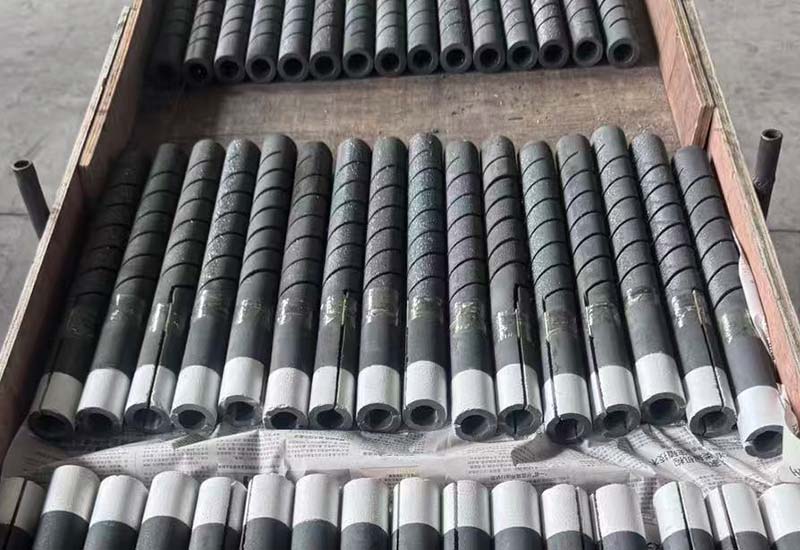
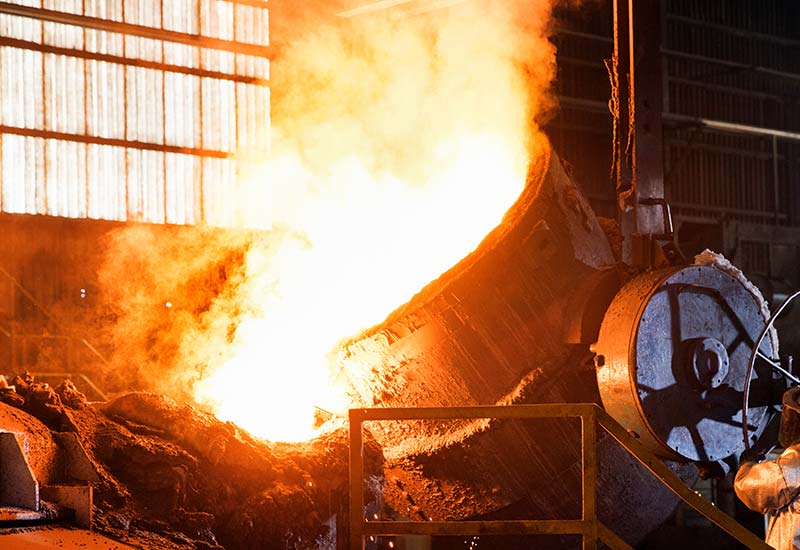
Silicon carbide heater rods are widely used in high-temperature industrial furnace systems due to their excellent thermal stability and long service life. As industries such as ceramics, metallurgy, glass manufacturing, and heat treatment continue to demand more efficient heating solutions, silicon carbide heating elements have become a preferred choice.
As a professional silicon carbide heater rod manufacturer, publishing high-quality technical content is an important part of improving search visibility, attracting targeted traffic, and generating qualified B2B inquiries. This article provides a complete overview of product structure, manufacturing process, performance characteristics, and application value.
What Is a Silicon Carbide Heater Rod and How It Works
A silicon carbide heater rod is a non-metallic heating element made primarily from high-purity silicon carbide material. It operates based on the principle of electrical resistance heating.
When electric current passes through the rod, the resistance of silicon carbide generates heat. This heat is then transferred to the surrounding furnace environment, enabling stable high-temperature operation.
Key working characteristics include:
- Stable resistance at high temperature
- Fast heat generation response
- Uniform heat distribution
- Suitable for continuous industrial operation
Compared with traditional metal heating elements, silicon carbide heater rods perform better in extreme thermal conditions and oxidation environments.
Silicon Carbide Heater Rod Manufacturing Process Explained
The performance of a silicon carbide heating element depends heavily on its manufacturing process. As a factory-based silicon carbide heater rod manufacturer, strict production control is essential.
Main production stages include:
- Raw material selection
High-purity silicon carbide powder is selected to ensure thermal stability and conductivity. - Forming process
Materials are shaped into rod structures with precise dimensional control. - High-temperature sintering
The rods undergo recrystallization at extremely high temperatures to improve strength and resistance. - Resistance calibration
Each heating rod is tested and adjusted to meet required electrical specifications. - Quality inspection
Final products are checked for resistance consistency, surface integrity, and performance stability.
Key Technical Specifications of Silicon Carbide Heating Elements
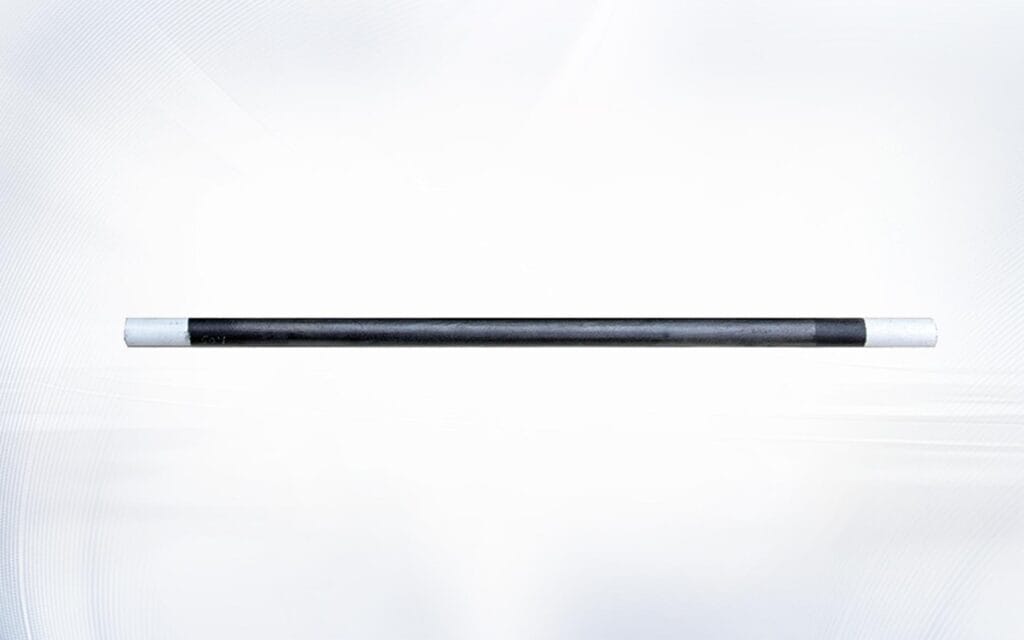
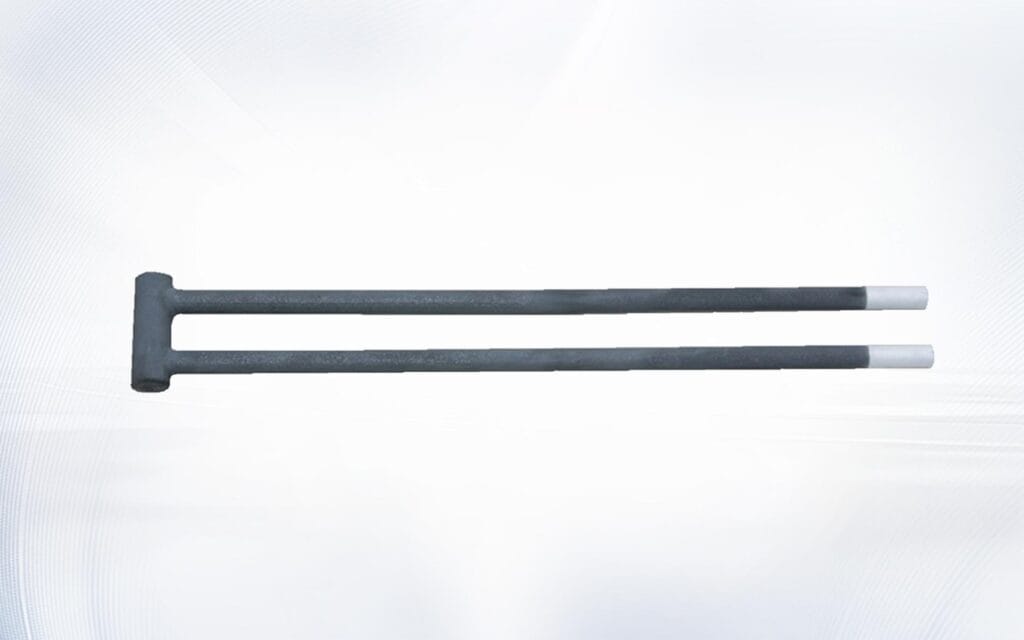
Silicon carbide heater rods are available in different configurations depending on furnace requirements. Below is a general specification overview:
| Parameter | Typical Range | Description |
|---|---|---|
| Operating Temperature | Up to 1600°C | Suitable for high-temperature furnaces |
| Diameter | 10mm – 60mm | Customizable based on application |
| Length | 300mm – 1800mm | Adjustable for furnace design |
| Voltage Range | 60V – 380V | Depends on system configuration |
| Resistance Stability | High | Ensures consistent heating performance |
| Lifespan | Long-term industrial use | Depends on working environment |
These specifications make silicon carbide heating rods suitable for demanding industrial environments requiring continuous heat output.
Advantages of Silicon Carbide Heater Rods in Industrial Furnaces
Silicon carbide heating elements offer several performance advantages compared to conventional heating technologies:
- High temperature resistance up to extreme furnace conditions
- Excellent oxidation resistance in air atmosphere
- Long service life with reduced replacement frequency
- High energy efficiency and stable heat output
- Low maintenance requirements in industrial operations
- Strong mechanical strength under thermal stress
These advantages make them a cost-effective long-term solution for industrial heating systems.
Silicon Carbide Heater Rod vs Molybdenum Disilicide Heating Element
| Feature | Silicon Carbide Heater Rod | Molybdenum Disilicide Rod |
|---|---|---|
| Max Temperature | Up to 1600°C | Up to 1800°C |
| Oxidation Resistance | Strong | Very Strong |
| Cost Level | More economical | Higher cost |
| Mechanical Strength | High | Medium |
| Application Range | Wide industrial use | Ultra-high temperature use |
Both heating solutions are widely used, but silicon carbide heating rods are often preferred for their balanced performance and cost efficiency in most industrial furnace applications.
Industrial Applications of Silicon Carbide Heating Rods
Silicon carbide heating elements are used across multiple industries where stable high-temperature performance is required:
- Ceramic kiln and sintering furnaces
- Glass melting and processing furnaces
- Metallurgical heat treatment equipment
- Chemical processing high-temperature reactors
- Laboratory and research furnaces
- Industrial drying and thermal systems
Their versatility makes them a standard component in modern thermal engineering systems.
How to Choose a Reliable Silicon Carbide Heater Rod Manufacturer
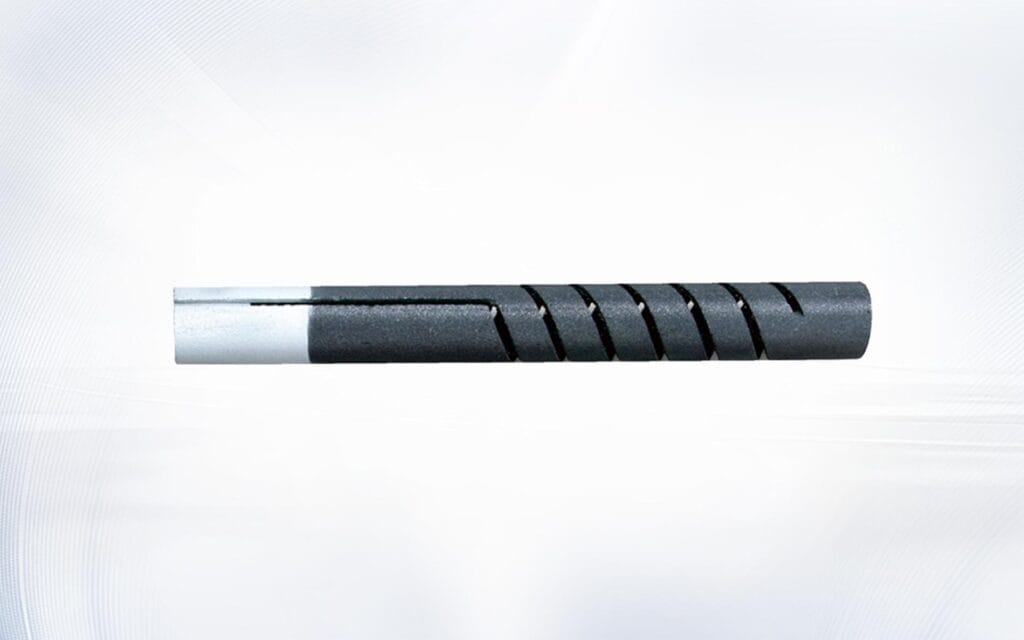
Selecting the right silicon carbide heater rod manufacturer is critical for ensuring long-term furnace performance and cost efficiency.
Key evaluation factors include:
- Manufacturing capability and production consistency
- Raw material quality control system
- Custom design and OEM support capability
- Export experience and global supply reliability
- Product testing and certification standards
- Technical support and after-sales service
Working directly with a factory supplier helps reduce procurement costs and ensures stable product quality.
Silicon Carbide Heater Rod Price Factors and Cost Considerations
The price of silicon carbide heating elements varies depending on several factors:
- Material purity and production process
- Size, diameter, and length specifications
- Electrical resistance requirements
- Order volume and wholesale quantity
- Custom engineering or OEM design needs
- Shipping and international logistics costs
From a long-term perspective, high-quality heater rods reduce maintenance frequency and overall operational cost.
Installation and Maintenance Guidelines for Silicon Carbide Heating Elements
Proper installation is essential for ensuring stable performance and extended service life.
Recommended practices include:
- Avoid mechanical impact during installation
- Ensure correct electrical connection and insulation
- Maintain stable furnace atmosphere conditions
- Prevent sudden thermal shock during heating cycles
- Regularly inspect resistance and surface condition
- Replace aging rods before performance degradation occurs
Proper maintenance significantly improves furnace efficiency and reduces downtime.
Why Choose Us as Your Silicon Carbide Heater Rod Manufacturer
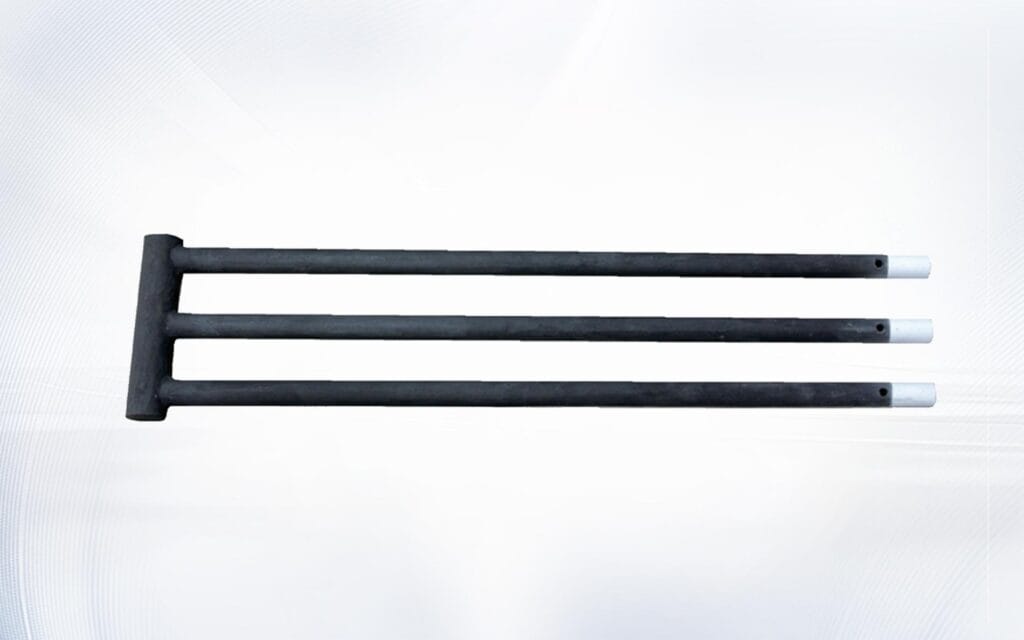
As a dedicated silicon carbide heater rod manufacturer, we focus on delivering consistent quality and industrial-grade performance.
Our advantages include:
- Direct factory production with strict quality control
- Stable manufacturing capacity for bulk orders
- Customized specifications for different furnace systems
- Competitive pricing with global supply capability
- Technical support for installation and application
- Long-term partnership support for industrial clients
We continuously optimize our production process to meet the evolving needs of high-temperature industries worldwide.
Conclusion
Silicon carbide heater rods remain one of the most reliable and efficient heating solutions for industrial furnace systems. Their combination of high-temperature resistance, durability, and energy efficiency makes them essential in modern thermal processing industries.
Choosing a professional silicon carbide heater rod manufacturer ensures product consistency, better performance stability, and long-term cost savings. With proper selection, installation, and maintenance, silicon carbide heating elements can significantly improve furnace efficiency and operational reliability.
For industries seeking stable and scalable high-temperature heating solutions, silicon carbide heater rods continue to be a proven and effective choice.
FAQ
What is a silicon carbide heater rod used for?
A silicon carbide heater rod is mainly used in high-temperature industrial furnaces such as ceramic kilns, glass melting systems, and heat treatment equipment for stable and efficient heating.
How does a silicon carbide heating rod work?
It works through electrical resistance heating. When current passes through the silicon carbide material, it generates high and stable heat suitable for continuous industrial operation.
What is the maximum temperature of a silicon carbide heater rod?
Most silicon carbide heater rods can operate at temperatures up to around 1600°C, depending on the furnace environment and design.
What are the advantages of silicon carbide heating elements?
They offer high temperature resistance, long service life, strong oxidation resistance, energy efficiency, and stable performance in harsh industrial conditions.
How to choose a reliable silicon carbide heater rod manufacturer?
Look for a manufacturer with stable production capability, strict quality control, customization support, export experience, and proven industrial application performance.