Table of Contents
When a furnace zone becomes unstable, many teams inspect the heating rods first and the connection area second. That order can miss one of the most common sources of avoidable downtime: SiC heating element terminals that are loose, oxidized, overheated, or poorly matched with the current load. The terminal area is not just a place to attach power leads. It is part of the heating system, and its condition affects resistance balance, surface temperature, power delivery, and service life.
This guide explains how SiC heating element terminals work, why they overheat, what to inspect before replacing rods, and how to choose clamps and conductive strips that support stable furnace operation. It is written for maintenance engineers, kiln operators, purchasing teams, and furnace builders who need practical checks rather than a broad product introduction.
Why Terminal Condition Matters
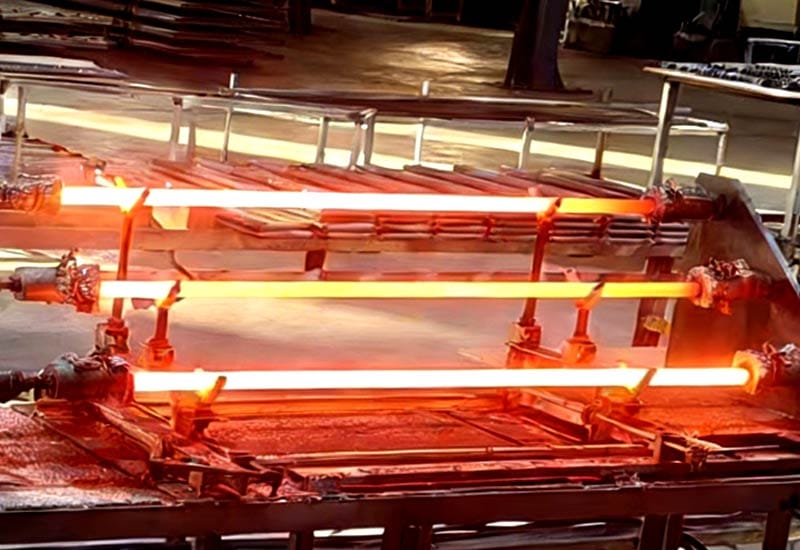
A silicon carbide heating element converts electrical energy into radiant heat. The active heating section works inside the furnace chamber, while the cold ends and SiC heating element terminals stay outside or near the insulation wall where electrical connection is made. If the contact point is stable, current flows predictably. If the contact point is poor, the terminal can become a local heat source, even when the rod itself is still usable.
Silicon carbide is valued for high-temperature strength, thermal stability, and oxidation resistance. A general material overview is available from Wikipedia’s silicon carbide page. In furnace service, however, good material performance still depends on proper installation. A high-quality rod can fail early when the connection is loose, the clamp pressure is uneven, or the conductive strip is too small for the current path.
For available element structures, see Qixiang’s silicon carbide heating elements. For connection hardware, review the heating element accessories category. The purpose of this article is to connect those two areas: the rod and the terminal system.
How SiC Heating Element Terminals Overheat
Most terminal overheating begins with contact resistance. A clean, tight, correctly sized connection has a low-resistance path. A loose or contaminated connection creates a smaller effective contact area. Current then concentrates through fewer contact points, causing local heating. Once that area becomes hot, oxidation can increase, spring pressure can relax, and the problem accelerates.
SiC heating element terminals may also overheat when cold ends are not long enough for the furnace wall thickness, when the active heating zone is partly inside the insulation, or when the connection hardware is too close to radiant heat from the chamber. These are not only accessory problems. They can come from incorrect dimensions, poor furnace hole alignment, or a replacement rod that does not match the original design.
The silicon carbide heating element resistance guide explains why resistance matching matters across a control zone. Terminal condition belongs in the same discussion because a weak connection can make one element behave differently from the rest of the zone.
Common Signs of Terminal Problems
| Observation | Possible Cause | Recommended Check |
|---|---|---|
| Discolored clamp or strip | Overheating at the contact point | Inspect pressure, oxidation, and current rating |
| One rod ages faster than nearby rods | Uneven current path or poor connection | Measure resistance and compare terminal condition |
| Furnace zone heats slowly | High resistance connection or aged rods | Check rods, terminals, voltage, and control output |
| Repeated terminal loosening | Thermal cycling or poor clamp fit | Review clamp type and installation method |
| Cracking near the cold end | Mechanical stress or overheated terminal area | Inspect furnace holes, support, and wiring pull |
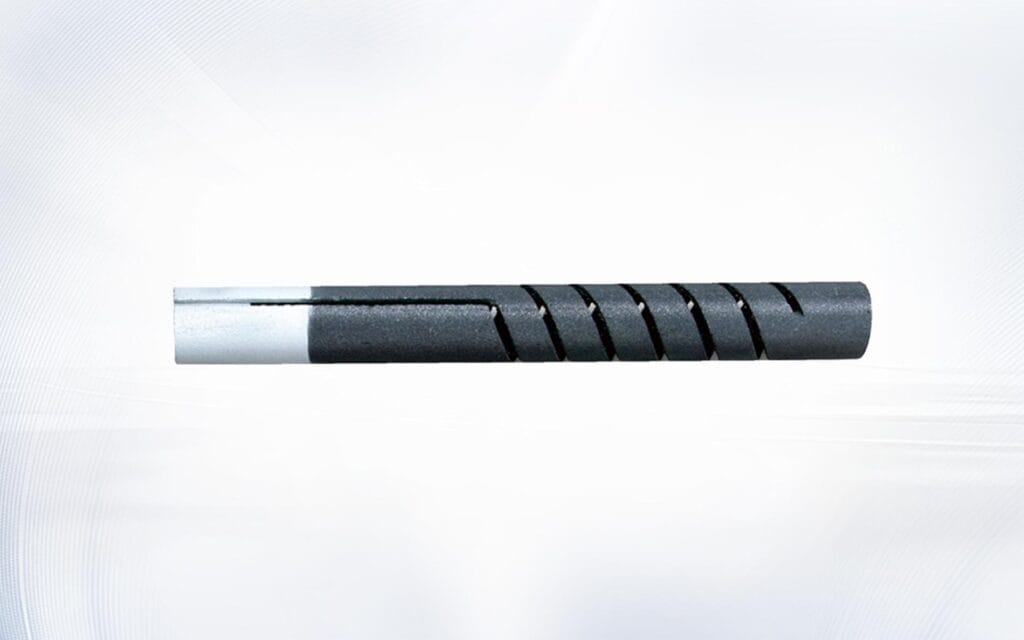
These symptoms do not always mean the rod must be replaced immediately. In some cases, replacing the connection accessory solves the immediate problem. In other cases, SiC heating element terminals show damage because the rod has aged, the resistance has drifted, or the furnace zone is no longer balanced. The best response is inspection before ordering parts.
Inspection Steps Before Replacement
Before replacing a rod, isolate the furnace power according to your facility safety procedure and allow the equipment to cool. The U.S. Occupational Safety and Health Administration provides general information on control of hazardous energy, which is relevant whenever electrical furnace maintenance is planned. This article is not a safety manual, but terminal inspection should never be done on energized equipment.
- Check whether each clamp is tight enough to maintain contact without crushing the rod terminal.
- Look for oxidation, surface pitting, dark discoloration, or softened metal near the connection area.
- Confirm that conductive strips are not undersized, cracked, or bent into a stressed shape.
- Verify that wiring does not pull sideways on SiC heating element terminals.
- Measure resistance values for rods in the same control zone under consistent conditions.
- Inspect furnace holes for misalignment, dust buildup, or contact with the heating section.
When terminal overheating appears repeatedly in the same location, do not only replace the visible damaged strip. Compare that position with other positions in the furnace. A single weak terminal may indicate local installation stress. Several weak SiC heating element terminals in one zone may indicate incorrect accessory selection, overloaded circuits, or operating conditions that need adjustment.
Choosing Clamps and Conductive Strips
The correct accessory depends on current, rod diameter, terminal structure, furnace layout, maintenance access, and thermal cycling. A clamp should hold the terminal securely, but excessive force can introduce stress. A conductive strip should provide enough contact area and flexibility to handle expansion and vibration without loosening.
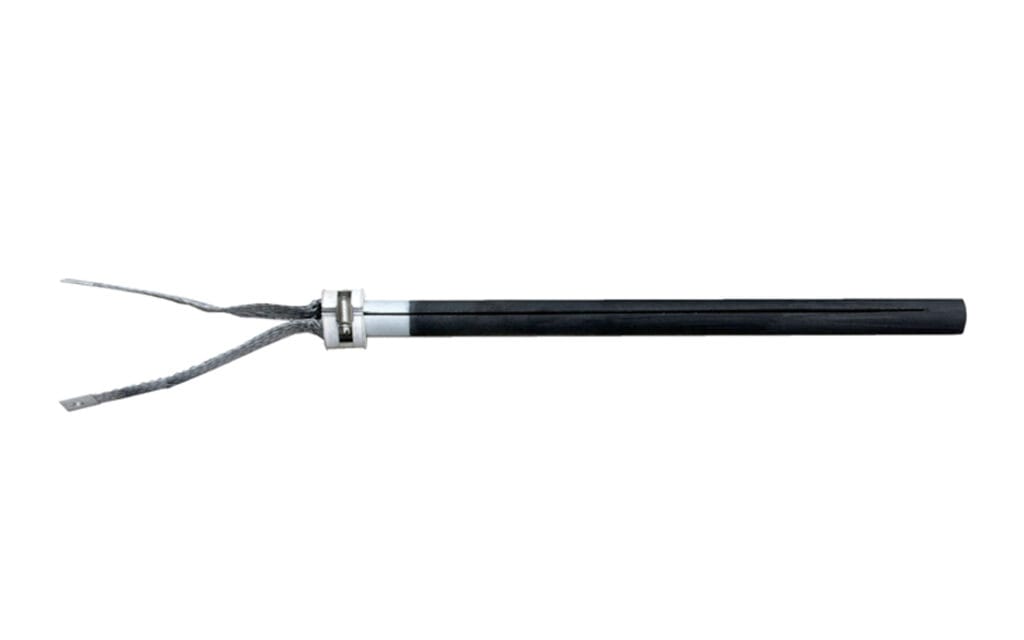
Qixiang supplies heating rod clamps and aluminum conductive strips for matching installation needs. Buyers should not treat these parts as generic hardware. SiC heating element terminals operate near high heat, repeated cycling, and high current. A part that looks similar may not give the same contact pressure or conductivity in service.
For process-heating systems, the U.S. Department of Energy notes that performance should be evaluated as a system rather than as isolated components. Its process heating resources are useful background for this systems approach. The same logic applies here: rods, clamps, strips, controls, insulation, and loading patterns work together.
Terminal Design and Element Structure
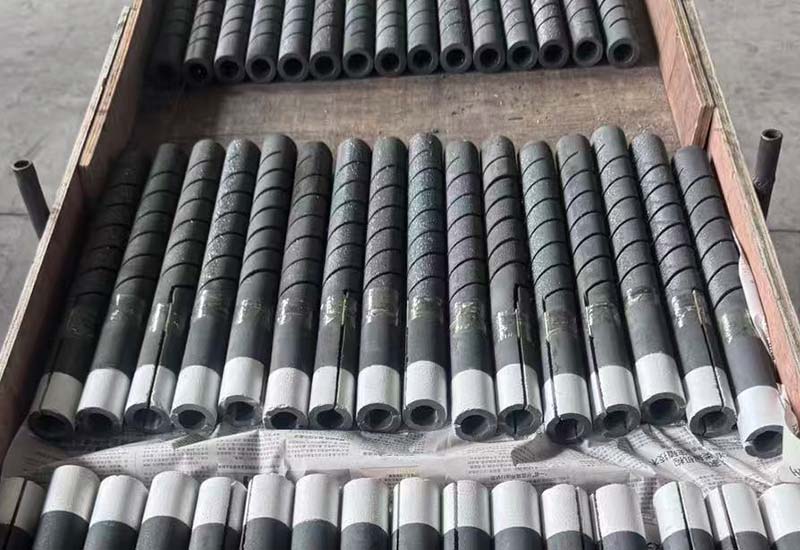
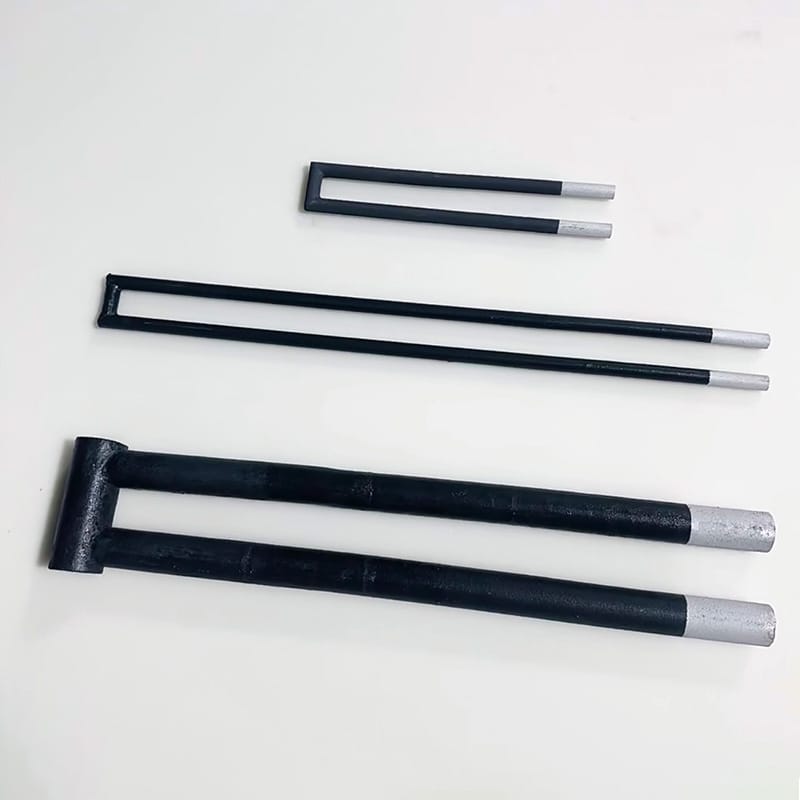
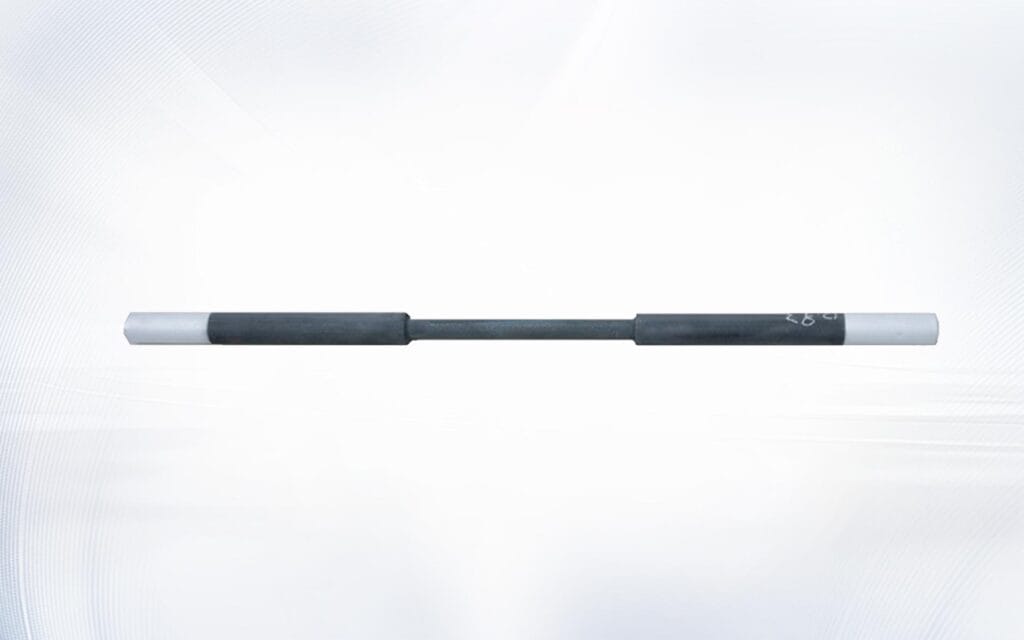
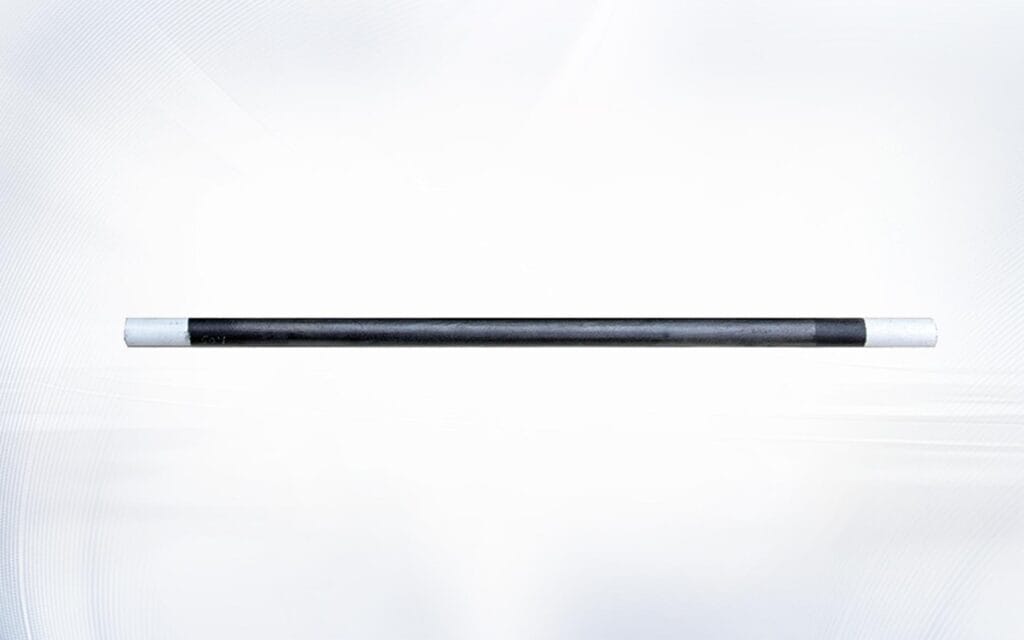
Different element structures create different connection requirements. A straight thickened-end rod such as the DB Type Silicon Carbide Heating Element is often selected when the design needs reduced heat generation at the cold ends. A single-end structure such as the UX Type Silicon Carbide Heating Element may simplify wiring where access is limited to one side of the furnace.
When ordering replacements, record the overall length, heating zone length, cold end length, diameter, resistance, terminal style, and wiring direction. SiC heating element terminals cannot be selected correctly from a photo alone. Two rods may look similar but require different contact hardware or a different installation clearance.
If the furnace has already had several failures, review the replacement strategy in Qixiang’s silicon carbide heating rod replacement guide. Replacing one damaged rod may be acceptable after accidental breakage, but repeated terminal overheating often calls for a full zone inspection.
What Not to Do During Installation
- Do not force a rod through misaligned furnace holes.
- Do not reuse oxidized strips just because they still conduct electricity.
- Do not over-tighten clamps to compensate for poor fit.
- Do not let power cables hang from SiC heating element terminals without support.
- Do not mix new and heavily aged rods in one zone without checking resistance.
- Do not start the furnace aggressively after replacement without checking connections.
The concept of an electrical contact may sound simple, but in a high-temperature furnace it is affected by oxidation, pressure, expansion, vibration, and current density. Small installation mistakes can become repeated production problems after several heating cycles.
A Practical Maintenance Record
A simple maintenance record helps teams recognize whether SiC heating element terminals are improving or declining over time. Record the installation date, rod resistance, clamp condition, strip condition, terminal appearance, furnace zone, operating temperature, and any abnormal firing result. Add photos when discoloration or deformation appears.
Temperature measurement should also be consistent. For general reference on thermocouples and industrial temperature measurement concepts, see the NIST thermocouple resources. The terminal area is not normally controlled like the furnace chamber, but abnormal heat near the connection can reveal problems before complete failure.
| Record Item | Why It Helps |
|---|---|
| Resistance by rod and zone | Shows aging and mismatch trends |
| Terminal photos | Tracks discoloration and oxidation |
| Clamp replacement date | Prevents forgotten accessory wear |
| Furnace load notes | Links temperature issues to loading pattern |
| Restart behavior | Confirms whether repair improved stability |
When to Ask for Technical Support
Ask for technical support when terminal overheating repeats after accessory replacement, when several rods in one zone show different resistance values, when the furnace cannot reach setpoint, or when a new rod fails soon after installation. Send photos of the rod, SiC heating element terminals, clamps, conductive strips, furnace holes, wiring layout, and nameplate data if available.
For a replacement inquiry, include working temperature, maximum temperature, furnace atmosphere, voltage, power, quantity per zone, rod dimensions, resistance, and current failure symptoms. You can send these details through the Contact Us page. Clear information helps confirm whether the issue is rod selection, accessory selection, wiring, furnace structure, or operating practice.
Conclusion
SiC heating element terminals deserve the same attention as the heating rods themselves. A furnace may lose stability because of a small contact problem long before a rod breaks. By inspecting clamps, conductive strips, cold-end alignment, resistance balance, and wiring support, maintenance teams can reduce repeated failures and make replacement decisions with better evidence.
The most reliable approach is to treat SiC heating element terminals as part of the complete furnace heating system. Good rods, correct accessories, careful installation, and consistent records work together to support stable high-temperature operation.
FAQ
Why do SiC heating element terminals turn dark?
Dark discoloration usually indicates heat, oxidation, or contact stress near the connection. Inspect clamp pressure, strip condition, wiring support, and rod resistance before deciding whether to replace only the accessory or the rod as well.
Can old conductive strips be reused?
They should be reused only if they remain clean, flexible, correctly sized, and free from oxidation or deformation. Worn strips can increase contact resistance and cause terminal overheating.
Do terminal problems mean the heating rod is bad?
Not always. SiC heating element terminals can overheat because of poor contact, loose clamps, wiring stress, or incorrect accessory selection. Measure resistance and inspect the full zone before replacing rods.
What information is needed for replacement terminals?
Provide rod diameter, terminal structure, current operating condition, photos, furnace voltage, number of rods per zone, and the observed problem. This helps match clamps and conductive strips more accurately.