Table of Contents
silicon carbide heating element replacement is a practical topic for furnace buyers, maintenance engineers, and production teams who need reliable heat without repeated shutdowns. The real intent behind this search is usually to understand what should be checked before ordering, replacing, or installing parts in a working furnace.
This guide focuses on decisions that reduce avoidable mistakes. Qixiang Material supplies silicon carbide heating elements and related heating element accessories, but the correct choice still depends on furnace duty, temperature, atmosphere, electrical design, and installation space. When the application is not standard, send drawings and photos through the contact page.
Application and search intent
silicon carbide heating element replacement should be connected to the real furnace process rather than treated as a catalog phrase. A ceramic kiln, glass auxiliary furnace, laboratory furnace, powder process furnace, and heat-treatment unit may all use similar materials, but the heating pattern and maintenance risks can be very different.
Before choosing a product, describe the working temperature, load position, cycle pattern, and atmosphere. Basic heat transfer background can help explain why spacing and radiation matter, while NIST temperature measurement reference is useful for general temperature reference. The final decision should still be based on measured furnace conditions.
A good buyer also explains the problem being solved. Is this a first installation, a planned replacement, a response to breakage, or an attempt to improve temperature uniformity? That context changes how a supplier reviews dimensions, resistance, terminal design, and accessories.
For teams purchasing on behalf of maintenance, the most useful habit is to keep a standard inquiry sheet. It should list furnace model, element dimensions, voltage, quantity per zone, atmosphere, and photos of terminals and supports. This turns a rushed request into a repeatable technical process.
Specification details to collect
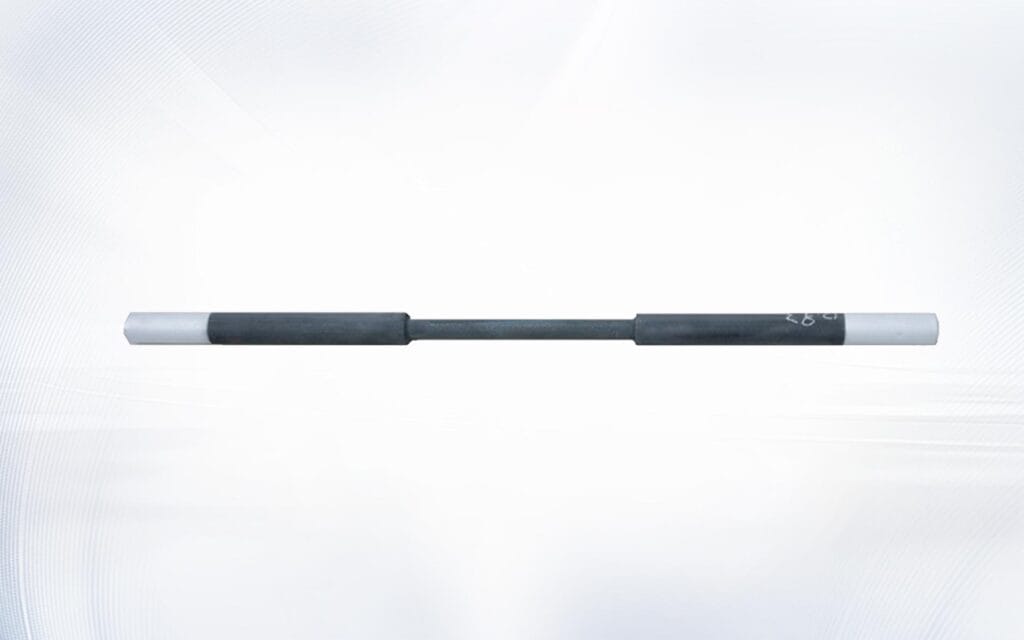
The strongest inquiries include total length, hot-zone length, cold-end length, diameter, terminal style, resistance target, and installed direction. If a drawing is not available, photos from several angles are better than a single close-up. They show how the part sits in the furnace, not only what it looks like on a table.
| Check | Why it matters | Action |
|---|---|---|
| Temperature | Affects material and surface loading | Record normal and maximum values |
| Atmosphere | Changes aging and surface condition | Describe air, moisture, fumes, or deposits |
| Resistance | Supports electrical matching | Measure new and used values when possible |
| Accessories | Protects terminal and support areas | Check clamps, straps, holders, and leads |
Do not rely only on an old purchase record if the furnace has changed. New firing curves, heavier loads, different raw materials, or altered ventilation can change the conditions around the element. A technically correct replacement can still perform poorly when the environment has changed.
For electrical background, electrical resistance background helps non-specialists understand why contact quality and resistance balance matter. Qixiang’s silicon carbide heating element resistance guide is also useful when buyers need to understand resistance change during service and how that affects grouping decisions.
Layout, wiring, and accessories
Layout should support uniform heat, safe terminal access, and low mechanical stress. The element should not be forced through a wall opening or held in position by wiring. Cold ends should remain outside excessive heat, and lead wires should have enough flexibility for thermal movement.
Accessory condition deserves the same attention as the main element. Old clamps, straps, holders, or lead wires can shorten the life of new parts if they are oxidized, loose, cracked, or overheated. Review heating element accessories before assuming the main element is the only item needed.
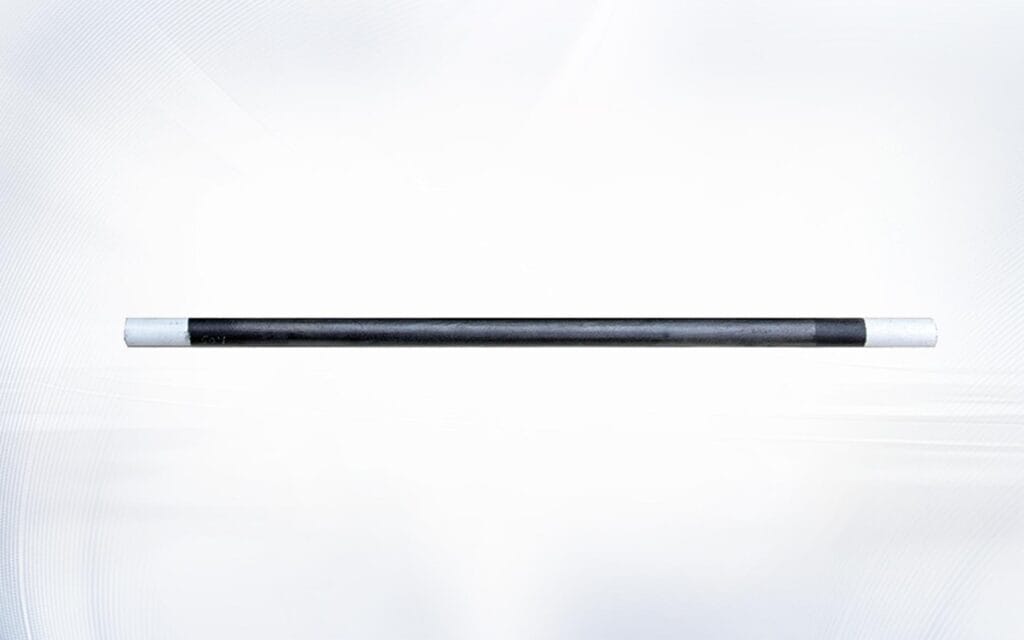
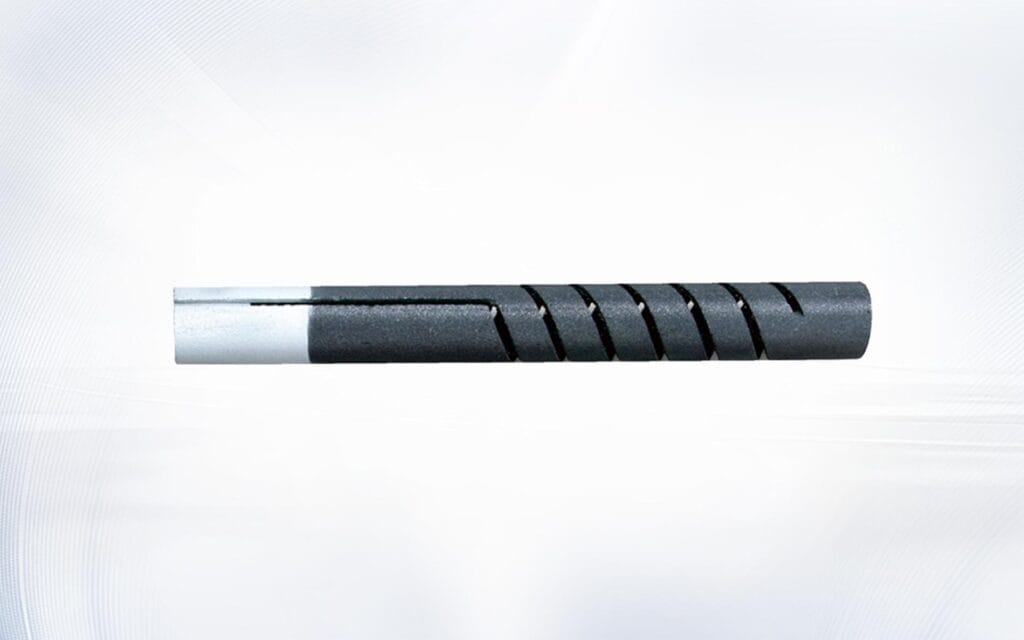
Product shape should match the furnace, not the other way around. Buyers can compare SG type silicon carbide rod, SGR type silicon carbide rod, DH type SiC heating element, and UX type silicon carbide heating element depending on hot-zone placement, terminal access, and chamber geometry. Same-side terminal designs can help compact furnaces, while straight rods may be easier for longer wall installations.
Safe maintenance should follow the plant’s lockout procedure. General principles are available from OSHA control of hazardous energy guidance. The article does not replace site safety rules, but it is a reminder that electrical isolation, hot surfaces, and heavy furnace components must be handled carefully.
Maintenance and startup checks
Maintenance records are often the difference between planned buying and guesswork. Record installed date, element type, resistance if available, zone location, and any accessories replaced. If the same location fails repeatedly, the cause may be local support damage, airflow, atmosphere, or wiring rather than the element itself.
Startup should be observed after installation. Watch for abnormal terminal heating, uneven glow, unexpected controller response, vibration, or mechanical movement. A controlled first heat-up gives the team a chance to catch issues before full production load returns.
The U.S. Department of Energy process heating resources provides broader context for industrial process heating. That matters because the element is only one part of the system. Insulation, controls, loading pattern, and maintenance access all influence whether the selected parts deliver stable heat.
After the furnace restarts, review the result. If heat is stable and the terminal area remains clean, keep the specification for future purchasing. If problems remain, record what happened immediately so the next inquiry is based on furnace behavior, not memory.
Practical review before approval
Before the order is approved, the purchasing team should hold a short review with the maintenance people who will install the parts. This review does not need to be formal, but it should confirm that the written dimensions match the real furnace, that the correct zone has been identified, and that any worn accessories have been included. Many avoidable delays happen because a buyer receives only the main element number while the installation team later discovers a missing clamp, strap, holder, or lead wire.
The review should also consider what will be checked after startup. If the terminal area runs hot, if the controller behaves differently from nearby zones, or if the element glow is uneven, the team should record the observation immediately. These notes help the next maintenance cycle because they connect the purchase specification with real furnace performance. Over time, this record becomes more useful than a single purchase order or a memory of what was installed last time.
A final quality check should confirm that the post-installation record includes the date, furnace zone, installed quantity, and any unusual observations. This small habit makes future ordering faster and helps separate normal wear from repeated installation or process problems.
Supplier inquiry checklist
A complete inquiry for silicon carbide heating element replacement should include dimensions, furnace use, temperature, atmosphere, voltage, quantity per control zone, photos, and failure history. The goal is not to make ordering complicated. The goal is to reduce uncertainty before production time is at risk.
- Send drawings or measured dimensions with units.
- Include photos of terminals, supports, chamber position, and failed parts.
- Record voltage, resistance data, quantity per zone, and whether old parts remain in service.
- Describe atmosphere, deposits, cycling pattern, and maximum temperature.
- Review accessories and maintenance access before confirming the order.
When these details are available, the supplier can discuss a more suitable configuration and the buyer can make a clearer decision. For application review, send the information through Qixiang Material’s contact page.