Industrial furnaces don’t forgive inconsistency. Whether it’s ceramics, heat treatment, or high-temperature sintering, the heating system is usually the first place where performance issues show up—and the last place people optimize properly.
Silicon carbide heating elements sit in a very specific category of industrial components: they are not just “heaters,” but temperature-stabilizing elements that directly influence product quality, energy behavior, and furnace lifespan.
Instead of treating them as a standard consumable, it makes more sense to evaluate them as part of the furnace design itself.
Table of Contents
What Silicon Carbide Heating Elements Actually Do in Real Furnace Conditions
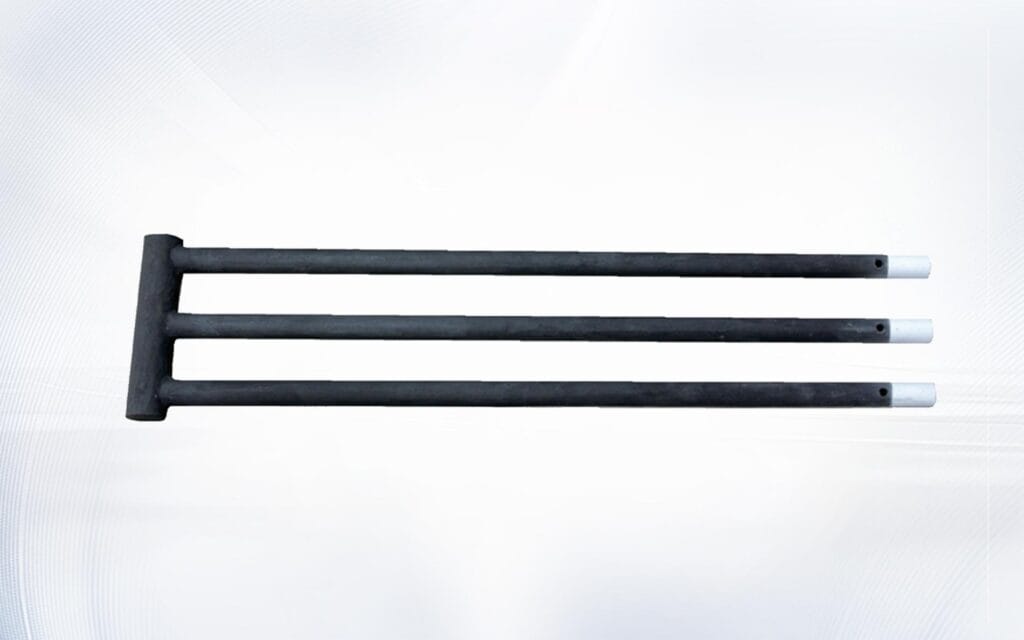
At a basic level, silicon carbide heating elements convert electrical energy into heat through resistance. But in real industrial environments, that explanation is too simple.
Inside a working furnace, they are dealing with:
- Continuous high-temperature exposure
- Atmosphere variations (oxidizing, inert, sometimes reactive gases)
- Repeated thermal cycling
- Mechanical stress from installation and expansion
The reason silicon carbide is widely used is not just because it can “withstand heat,” but because it maintains relatively stable resistance behavior under those conditions compared to most metallic alternatives.
That stability is what furnace engineers actually care about.
Why Material Behavior Matters More Than Temperature Rating
Many buyers focus on maximum temperature as the main selection factor. In practice, that’s only part of the picture.
What defines performance is the material’s behavior over time:
- How resistance shifts during long operation
- How surface oxidation forms and stabilizes
- How heat is distributed along the element length
- How the element responds to repeated startup cycles
Silicon carbide forms a protective oxide layer when exposed to oxygen at high temperatures. This layer is not just a byproduct—it plays a role in slowing further degradation and maintaining structural integrity.
This is one of the key reasons it is used in demanding furnace environments rather than simple heating applications.
Common Structural Designs and Why They Exist
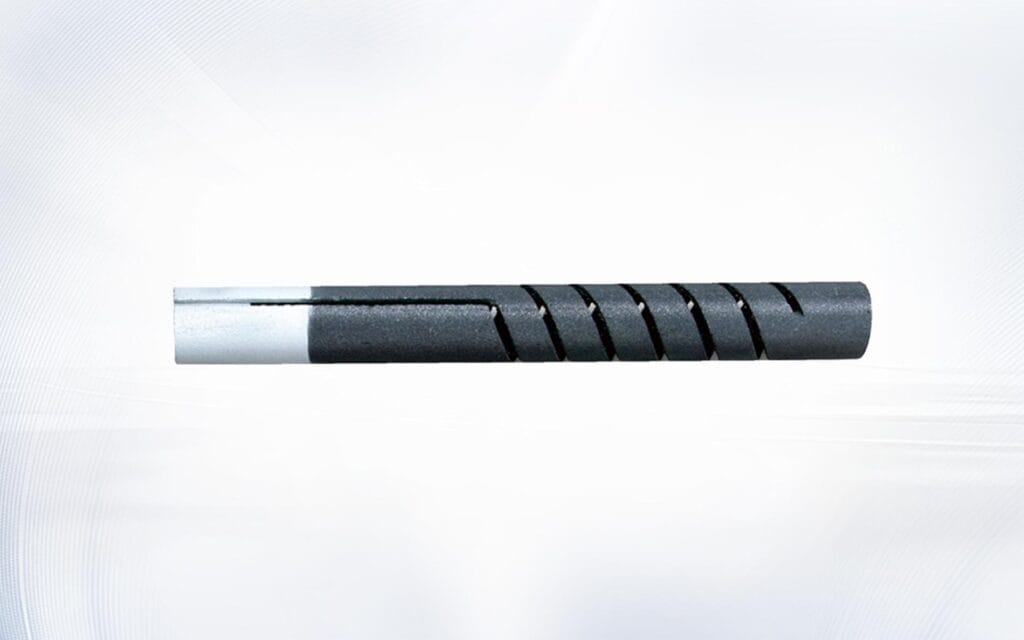
Different furnace geometries require different heating behaviors. Silicon carbide heating elements are not a one-size-fits-all component.
Straight Rod Configuration
This is the most widely used form. It provides predictable heat distribution and is relatively easy to integrate into standard furnace layouts.
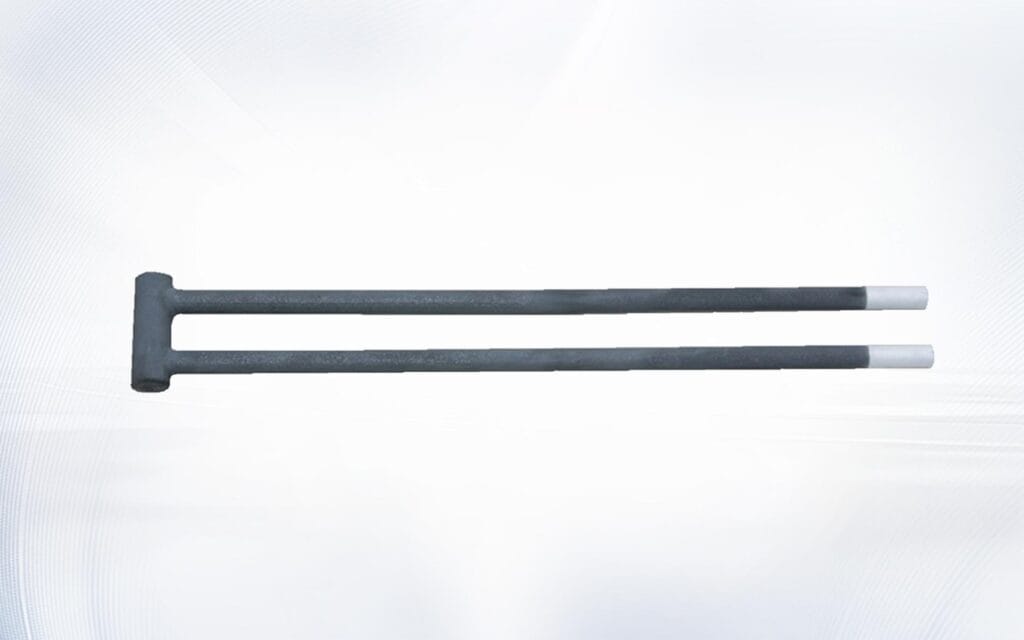
U-Shaped Layouts
Used when space constraints or chamber design require directional heating control.
W-Type Arrangements
Typically used in larger furnaces where heat input needs to be distributed more aggressively across zones.
Application-Specific Custom Shapes
In industrial practice, many systems require tailored designs based on:
- Furnace chamber dimensions
- Load placement
- Thermal zoning requirements
- Electrical circuit configuration
In real engineering projects, customization is often not optional—it’s structural necessity.
Where These Heating Elements Are Actually Used
Silicon carbide heating elements are found wherever thermal stability directly affects output quality.
Common environments include:
- Ceramic firing and sintering systems
- Glass melting and forming furnaces
- Metallurgical heat treatment lines
- Laboratory and research thermal systems
- Industrial ovens with continuous operation cycles
What connects all these applications is not the industry itself, but the requirement for controlled and repeatable thermal conditions.
Selection Logic That Engineers Actually Use (Not Just Catalog Specs)
Selection is rarely about a single specification. In real furnace design or replacement work, engineers typically evaluate multiple variables together.
Furnace Thermal Profile
Not just maximum temperature, but how temperature is distributed across the chamber.
Electrical Matching
Voltage, resistance, and load distribution must align with the furnace circuit design. A mismatch here often leads to unstable operation rather than immediate failure.
Physical Geometry
Length, diameter, and installation spacing affect both heat output and mechanical stress behavior.
Operating Atmosphere
Oxidizing environments behave very differently from inert or mixed gas conditions, especially over long cycles.
Duty Cycle Characteristics
Continuous operation versus intermittent heating changes how degradation develops over time.
A proper selection process is less about choosing a “type” and more about balancing these interacting conditions.
Manufacturing Process and Why It Directly Impacts Performance Stability
From a manufacturing standpoint, silicon carbide heating elements are highly sensitive to process control.
The key stages usually include:
- Raw material selection and particle grading
- Forming and shaping under controlled density conditions
- High-temperature sintering for structural consolidation
- Resistance calibration and electrical tuning
- Thermal cycling tests for stability verification
Small variations in any of these steps can affect resistance uniformity, thermal response, and ultimately service life.
This is why two visually identical heating elements can behave differently in actual furnace operation.
Failure Patterns Seen in Industrial Use (And What They Usually Indicate)
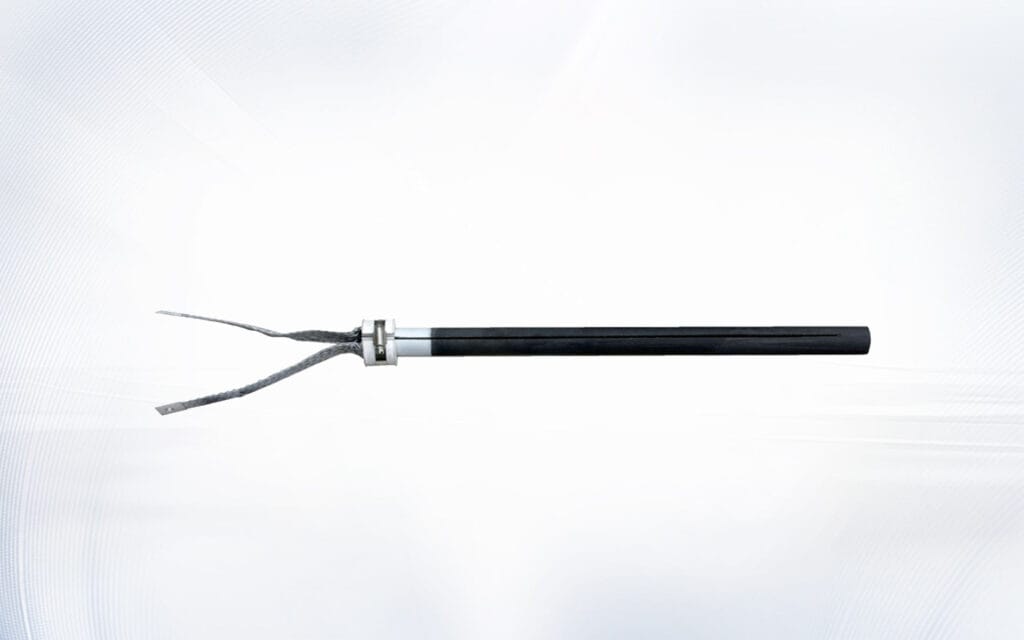
When silicon carbide heating elements fail or degrade prematurely, it is usually not random.
Oxidation Acceleration
Often linked to long exposure at high temperature without controlled atmosphere balance.
Thermal Shock Stress
Typically caused by rapid heating or cooling cycles that exceed material stress tolerance.
Resistance Drift Over Time
A gradual change in electrical behavior, usually tied to long operational cycles rather than sudden failure.
Mechanical Fracture
In most cases, this points to installation stress, misalignment, or insufficient expansion allowance.
Understanding the failure type is often more useful than simply replacing the component.
Why Manufacturer-Level Supply Matters in Real Projects
In industrial procurement, the difference between a standard supplier and a manufacturer becomes visible during system integration.
Direct manufacturing control usually allows:
- More consistent material control across batches
- Better alignment between electrical and mechanical design
- Faster adaptation to furnace-specific requirements
- More stable long-term supply for maintenance planning
- Engineering support during installation and commissioning
In practice, furnace performance is not just determined by the element itself, but how well it matches the system it is installed in.
Industry Perspective: Where This Technology Is Heading
Across industrial heating systems, there is a clear trend toward:
- Higher temperature density
- More compact furnace design
- Lower energy waste per cycle
- Longer maintenance intervals
- More precise thermal control zones
Silicon carbide heating elements remain relevant because they fit into all of these directions without requiring a complete redesign of existing furnace infrastructure.
Conclusion
Selecting silicon carbide heating elements is not a standalone purchasing decision—it is part of furnace performance engineering.
The real evaluation goes beyond shape or rating. It involves understanding thermal behavior, electrical compatibility, operating conditions, and manufacturing consistency.
When these factors are aligned correctly, silicon carbide heating elements provide stable and repeatable performance across demanding industrial environments such as ceramics, metallurgy, glass processing, and high-temperature laboratory systems.
For engineers and procurement teams, the focus is not just on choosing a heating element, but on ensuring it integrates correctly into the broader thermal system it serves.
FAQ
What are silicon carbide heating elements used for?
Silicon carbide heating elements are mainly used in high-temperature industrial furnaces such as ceramic kilns, glass melting systems, metallurgical heat treatment equipment, and laboratory furnaces where stable and consistent heating is required.
How do silicon carbide heating elements work?
They work based on electrical resistance heating. When current passes through the silicon carbide material, it generates heat. The material structure allows stable performance even under long-term high-temperature conditions.
What is the typical lifespan of silicon carbide heating elements?
The service life depends on operating conditions such as temperature stability, furnace atmosphere, and heating cycle frequency. Proper installation and controlled operation can significantly extend their working lifespan.
Why do silicon carbide heating elements fail or crack?
Common reasons include thermal shock from rapid heating or cooling, oxidation in harsh environments, electrical mismatch, or mechanical stress during installation. Most issues are related to operating conditions rather than material defects.
How to choose the right silicon carbide heating elements for a furnace?
Selection should be based on furnace temperature requirements, electrical load compatibility, element size, operating atmosphere, and heating cycle characteristics. Proper matching ensures stable performance and longer service life.