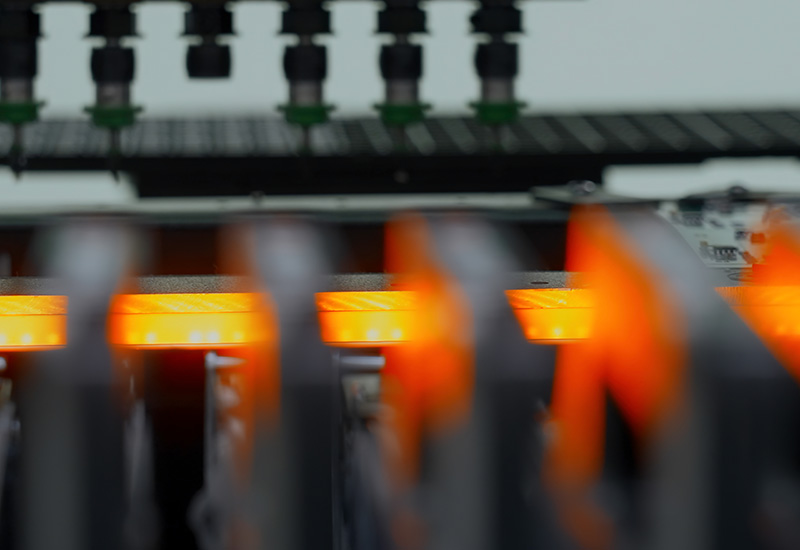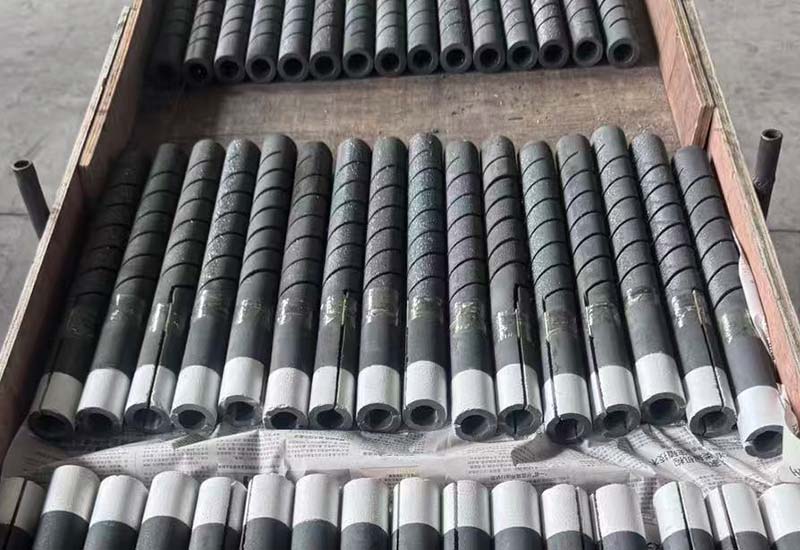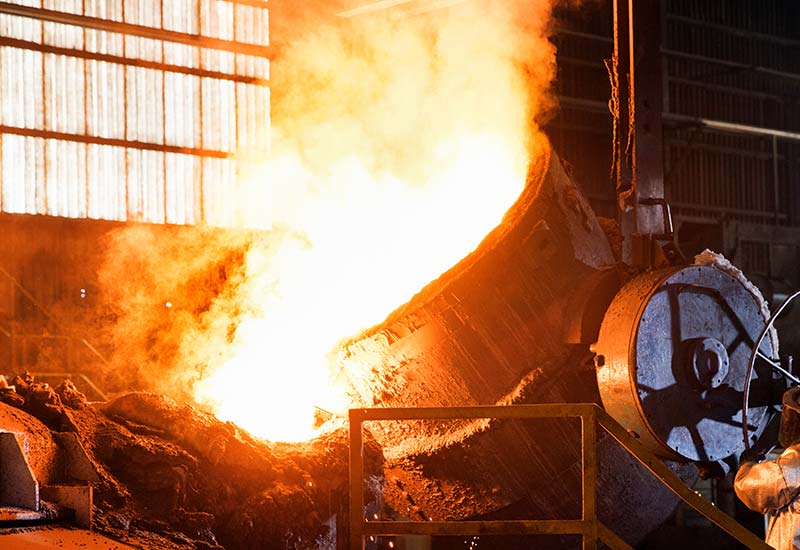
In high-temperature kilns and industrial furnaces, temperature stability is not created by the controller alone. It depends on how heat is generated, where it enters the chamber, how the load absorbs it, and whether the heating system remains balanced over repeated firing cycles.
That is why silicon carbide rods are so important in ceramic kilns, glass furnaces, heat treatment furnaces, laboratory electric furnaces, and other high-temperature equipment. A correctly selected rod can support more uniform heat distribution, predictable firing results, and easier maintenance. A poorly matched rod can create cold zones, hot spots, slow heat-up, terminal overheating, and unexpected downtime.
Qixiang provides multiple silicon carbide heating elements for different furnace structures, including straight rods, U-shaped rods, W-shaped rods, single-end designs, and installation accessories. Its product range is built for furnace and kiln applications where stable high-temperature operation is required.
This guide explains how buyers, furnace maintenance teams, and kiln operators can choose silicon carbide rods based on real working conditions rather than only rod shape or size.
Table of Contents
Why Silicon Carbide Rods Are Widely Used in Kilns and Furnaces
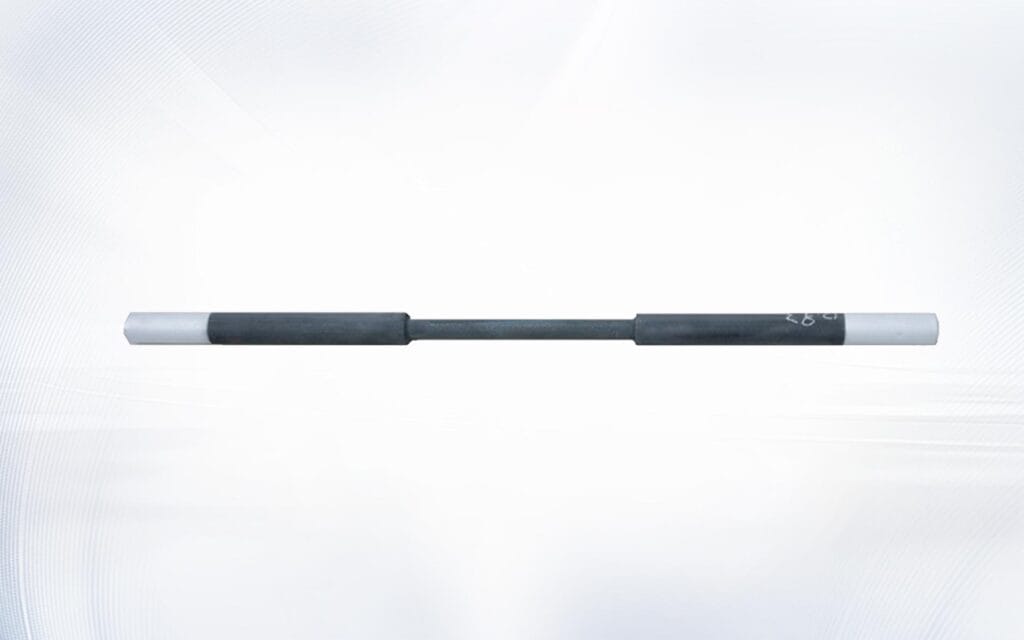
Silicon carbide rods are electrical resistance heating components. When current passes through the rod, electrical resistance generates heat, and the hot zone radiates energy into the furnace chamber.
The material advantage comes from silicon carbide itself. Silicon carbide is known for high-temperature capability, hardness, thermal conductivity, and chemical stability. NIST also maintains technical data for silicon carbide, including thermochemical and material-property references, which reflects its importance as an engineering ceramic material.
In kiln and furnace operations, these properties help silicon carbide rods support:
- High-temperature firing and sintering
- Stable heat radiation in electric furnaces
- Repeated heating and cooling cycles
- Applications where metallic elements may not be suitable
- Furnace layouts that require side-wall, roof, or single-end installation
However, material strength alone does not guarantee good performance. The rod must match the furnace size, installation method, electrical system, atmosphere, and production load.
The Biggest Mistake: Selecting Rods by Shape Only
Many buyers start with a simple question: “Do I need a straight rod, U-shaped rod, or W-shaped rod?”
That question matters, but it is not enough.
A better question is: “What heating pattern does my furnace need, and which silicon carbide rod structure can deliver it without creating electrical or mechanical stress?”
Rod shape should be selected after reviewing:
- Furnace chamber size
- Installation direction
- Wall thickness and insulation structure
- Required heating zone length
- Available wiring space
- Load position inside the chamber
- Temperature uniformity requirements
- Power supply and control zoning
- Replacement accessibility
- Furnace atmosphere and contamination risk
For example, a W-shaped rod may provide greater heating area in a compact space, but it may not be the best choice for every furnace. A single-end UX structure may simplify installation where only one-side wiring is possible, but it must still match the chamber geometry and power conditions.
Qixiang’s W Shaped Silicon Carbide Rod uses a three-tube integrated design that is intended to provide greater heating power and more uniform heating effect in suitable furnace layouts.
Straight Silicon Carbide Rods: Best for Simple, Balanced Furnace Layouts
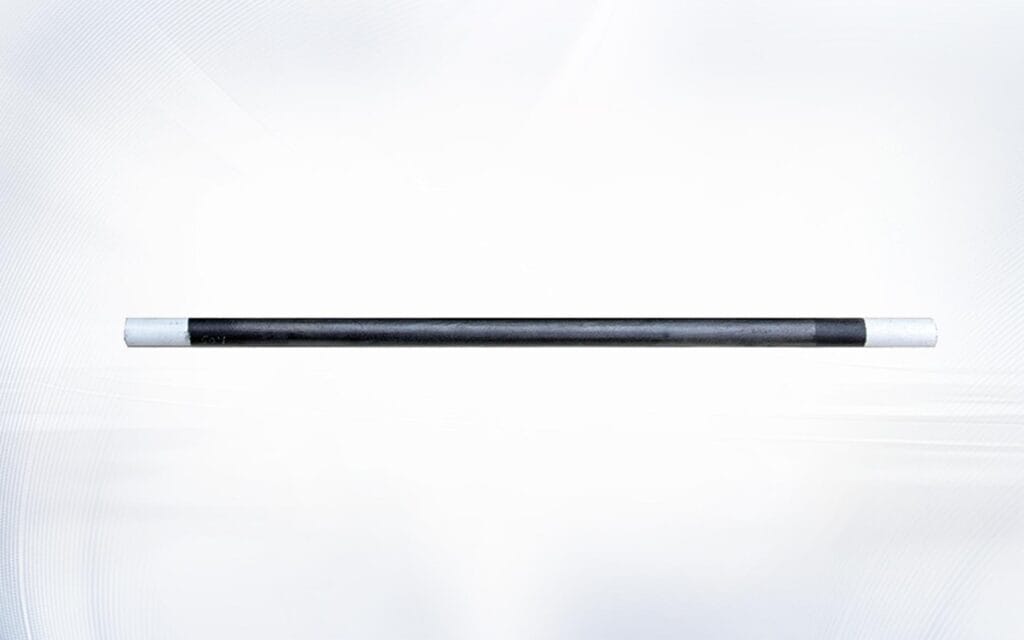
Straight silicon carbide rods are commonly used in furnaces where the element can pass through opposing furnace walls or where side-wall installation is straightforward.
They are often suitable for:
- Ceramic kilns
- Heat treatment furnaces
- Laboratory electric furnaces
- Glass heating equipment
- General industrial resistance furnaces
The main advantage of straight rods is layout simplicity. When installed symmetrically on both sides of the chamber, they can provide balanced heat radiation and easier zone control.
Straight rods are also easier to inspect visually. Operators can often detect uneven aging, contamination, or cracking before complete failure occurs.
For applications that require a straight equal-diameter structure, buyers can review Qixiang’s DH Type SIC Heating Element. This type is positioned for stable furnace heating where a uniform rod structure is needed.
U-Shaped Silicon Carbide Rods: Useful When You Need More Heating Area
U-shaped silicon carbide rods are designed with two parallel heating sections connected at one end. This structure can increase heating area while simplifying connection from one side of the furnace.
A U-shaped design may be useful when:
- The furnace needs higher heat output in a limited chamber area
- Wiring access is easier from one side
- The kiln design benefits from a double-leg heating layout
- Side-wall space is limited
- More radiant surface area is needed near a specific zone
Qixiang’s U Shaped Silicon Carbide Rod is described as a U-shaped double-tube integrated structure, used in high-temperature equipment that requires increased heating area and uniform heating.
When selecting U-shaped rods, buyers should pay close attention to spacing between the two legs. If spacing does not match the furnace holes or support structure, installation stress may occur. This can reduce rod life even when the material quality is good.
W-Shaped Silicon Carbide Rods: Better for Compact High-Power Zones
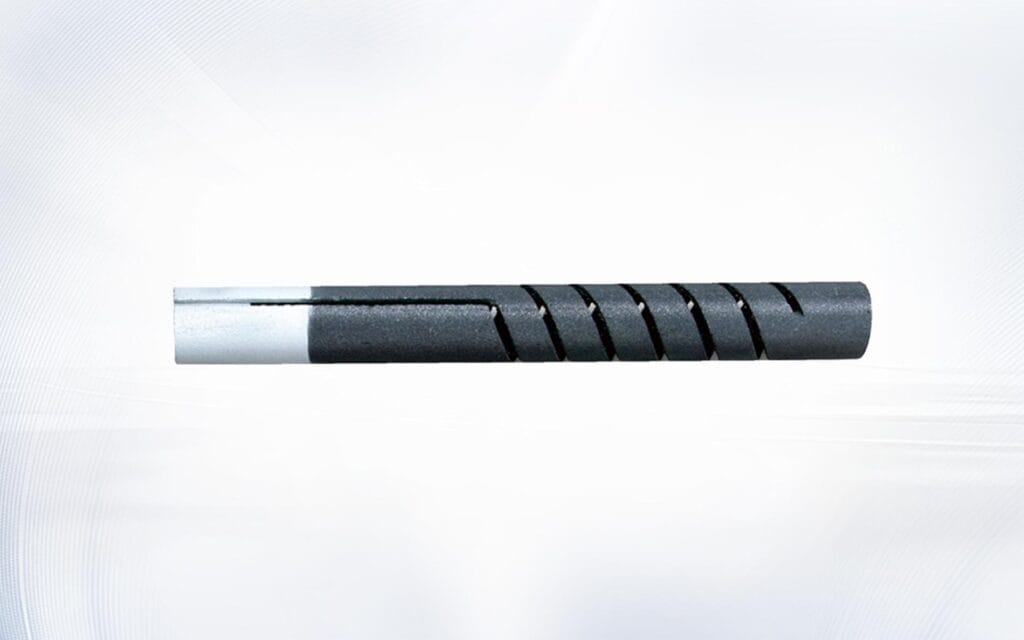
A W-shaped silicon carbide rod has multiple parallel heating sections connected into one structure. This design is often considered when a furnace needs stronger heating output or better heat coverage in a compact space.
W-shaped rods can be suitable for:
- Large ceramic kilns
- Glass furnaces
- High-output industrial heating zones
- Furnace areas where more radiant surface is required
- Applications where multi-leg heating improves chamber coverage
The advantage is not only power density. A W-shaped rod can help distribute heat across a wider area when installed correctly. But it also requires careful dimensional matching. Spacing, cold end length, horizontal end structure, and installation clearance must all be checked before ordering.
For projects requiring this structure, Qixiang’s W Shaped Silicon Carbide Rod lists key parameters such as diameter, heating element length, cold end length, total length, spacing, and horizontal end dimensions.
Single-End Silicon Carbide Rods: When Installation Space Is Limited
Some furnace designs do not allow wiring or installation from both sides. In these cases, a single-end silicon carbide rod can be more practical.
A single-end structure may be preferred when:
- The furnace chamber is compact
- Access is available from only one side
- Maintenance space is limited
- Wiring needs to be simplified
- The furnace design does not support through-wall installation
Qixiang’s UX Type Silicon Carbide Heating Element is designed for high-temperature equipment with limited installation space and single-ended lead wires.
Single-end rods can reduce wiring complexity, but they must be carefully matched with the furnace power system. Buyers should confirm resistance, element length, installation depth, and cold-end design before replacement.
How Furnace Loading Affects Silicon Carbide Rod Performance
A kiln may have high-quality silicon carbide rods and still produce uneven firing results if the load blocks heat radiation.
This is especially common in ceramic production, where product size, shelf arrangement, stacking density, and firing fixtures can change from batch to batch.
Common loading problems include:
- Products placed too close to heating rods
- Dense loads blocking one side of the chamber
- Kiln furniture shielding direct radiation
- Uneven spacing between products
- Different product sizes fired in the same cycle
- Excessive load near one control zone
When the load blocks radiant heat, operators may think the rods are weak. In reality, the heat path is restricted.
Before changing rod type, check whether the firing pattern changes when load placement changes. If the problem follows the load, the solution may involve loading strategy, shelf arrangement, or zone adjustment instead of simply replacing rods.
The U.S. Department of Energy notes that industrial process heating systems need reliable energy delivery, robust controls, and durable materials for demanding operating environments. This is a useful reminder that heating performance comes from the full system, not one component alone. Learn more from the DOE process heat overview.
Key Parameters to Confirm Before Ordering Silicon Carbide Rods
Accurate selection starts with technical details. Buyers should avoid ordering silicon carbide rods based only on photos or approximate dimensions.
Overall Length
Overall length determines whether the rod fits the furnace structure. If the rod is too short, terminal connection may be difficult. If it is too long, the heating zone may sit in the wrong position.
Heating Zone Length
The heating zone should align with the furnace chamber area that needs heat. Incorrect heating zone length can create cold areas or unwanted heat near the furnace wall.
Cold End Length
Cold ends are designed to stay cooler than the heating zone and support electrical connection. If the cold end is too short, terminals may overheat. If it is too long, the active heating area may not cover the chamber properly.
Diameter
Diameter affects strength, resistance, heat output, and compatibility with furnace holes, clamps, and supports.
Resistance
Resistance must match the electrical design and zone control system. Incorrect resistance can cause uneven power distribution, unstable heating, or difficulty reaching target temperature.
Spacing
For U-shaped and W-shaped rods, spacing between legs must match the furnace installation structure. Even a small mismatch can create stress.
Furnace Atmosphere
Air, reducing atmosphere, protective gas, vapor, dust, glaze, and chemical contamination can all affect rod aging.
Operating Temperature
Buyers should distinguish between maximum temperature and regular working temperature. Continuous operation near high temperature creates different aging conditions than occasional peak-temperature use.
Silicon Carbide Rod Selection Table
| Furnace Condition | Recommended Selection Focus | Why It Matters |
|---|---|---|
| Standard side-wall kiln | Straight silicon carbide rods | Easier symmetrical layout and replacement |
| Compact furnace with limited access | Single-end silicon carbide rods | Simplifies wiring and installation |
| Large kiln requiring stronger heat output | U-shaped or W-shaped rods | Increases heating area in suitable layouts |
| Furnace with frequent hot spots | Check rod spacing, resistance grouping, and load pattern | Hot spots may come from system imbalance |
| Replacement for old furnace | Match dimensions, resistance, cold end, and heating zone | Prevents installation and power mismatch |
| High-temperature continuous production | Choose rods with stable thermal performance and proper accessories | Supports long operating cycles |
| Ceramic firing with dense loads | Review heat radiation path and loading distance | Prevents cold zones caused by blocked heat |
| Glass or heat treatment furnace | Confirm atmosphere, temperature, and zone control | Protects against premature aging |
Resistance Matching: The Hidden Factor Behind Stable Kiln Firing
Silicon carbide rods naturally age during high-temperature operation. As they age, resistance usually increases.
This is why resistance matching is critical in multi-rod furnace zones. If one zone contains rods with very different resistance values, power distribution may become uneven. Some rods may heat more strongly, while others contribute less. Over time, this imbalance can make temperature control more difficult.
A better replacement practice is:
- Measure the resistance of existing rods.
- Group rods with similar resistance values.
- Avoid mixing heavily aged rods with new rods in the same zone.
- Replace rods by zone when necessary.
- Record resistance after installation.
- Recheck resistance after several heating cycles.
This approach helps reduce unexpected firing variation and makes maintenance more predictable.
For a deeper discussion of heating system balance, Qixiang’s previous guide on silicon carbide heating elements explains how hot spots, aging, connection issues, and maintenance planning affect furnace performance.
Installation Accessories Are Not Optional Details
Many rod failures begin at the connection area, not the heating zone.
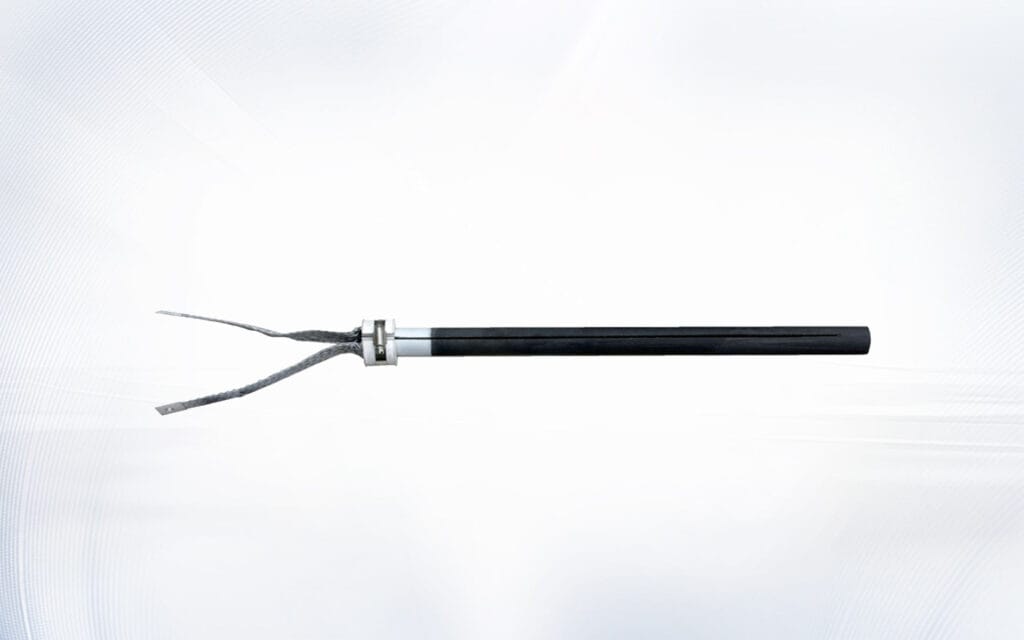
Loose clamps, poor contact, incorrect conductive strips, or restricted thermal expansion can cause terminal overheating and unstable electrical performance. When a furnace operates at high temperature, small connection problems can become serious quickly.
Qixiang’s Heating Rod Clamp is designed to secure silicon carbide heating elements to the furnace wall or support structure while accommodating thermal expansion and contraction. The page includes M-type and T-type clamp options for different rod diameters and installation needs.
Buyers should check accessories when replacing rods. In many cases, old clamps and conductive strips are already oxidized, loose, or deformed. Installing new rods with damaged accessories can shorten service life.
Qixiang also provides a category for heating element accessories including connectors, clamps, and related parts for safer mechanical installation and electrical connection.
How to Diagnose Uneven Heating Before Replacing Rods
Before replacing silicon carbide rods, operators should investigate whether the rods are truly the root cause.
Use this practical diagnosis process:
Check Temperature Pattern
Record where the furnace is too hot or too cold. A consistent cold zone may indicate element aging, poor layout, or blocked radiation.
Inspect Rod Surface
Look for cracks, severe oxidation, contamination, deformation, or localized damage.
Measure Resistance
Resistance data is more reliable than visual inspection alone. Compare readings within the same furnace zone.
Inspect Connections
Check clamps, conductive strips, terminals, and cable contact areas. Discoloration near terminals may indicate overheating.
Review Loading Pattern
Run a comparison between light load and normal production load. If temperature variation changes significantly, loading may be a major factor.
Check Control Zones
A controller may show stable temperature while one area of the chamber remains uneven. Sensor position matters.
Review Furnace Atmosphere
Chemical vapor, dust, and process contamination can affect the surface condition of silicon carbide rods.
The DOE’s process heating resources also emphasize that improving furnace and oven performance often involves reducing losses, improving controls, and maintaining equipment performance, rather than relying on a single change. See DOE process heating resources.
Common Reasons Silicon Carbide Rods Fail Early
Early failure is often caused by operating conditions rather than only product quality.
Common causes include:
- Mechanical impact during installation
- Furnace holes not aligned with rod dimensions
- Rods installed under bending stress
- Poor terminal contact
- Accessories too tight or too loose
- Heating zone positioned inside insulation instead of chamber
- Chemical contamination from process materials
- Frequent rapid heating and cooling
- Uneven load placement
- Mixing old and new rods without resistance matching
- Incorrect power setting after replacement
Silicon carbide is a ceramic material. It performs well at high temperature but should not be bent, dropped, hit, or forced into place. Careful handling and correct installation are essential.
Maintenance Checklist for Kiln Operators
A simple maintenance checklist can help prevent sudden furnace downtime.
| Inspection Item | What to Check | Action |
|---|---|---|
| Rod surface | Cracks, heavy oxidation, contamination | Clean chamber and plan replacement if needed |
| Resistance | Compare rods in the same zone | Group similar values |
| Terminal area | Discoloration, looseness, overheating | Tighten or replace accessories |
| Furnace holes | Wear, dust, misalignment | Repair before installing new rods |
| Load distance | Products too close to rods | Adjust loading pattern |
| Temperature uniformity | Hot spots and cold zones | Check layout, resistance, and controls |
| Accessories | Clamp fit and conductive strip condition | Replace worn parts |
| Records | Installation date and resistance data | Use for future maintenance planning |
What Information Should You Send to a Supplier?
To get the right silicon carbide rods, buyers should provide complete furnace details.
Important information includes:
- Furnace type and application
- Working temperature and maximum temperature
- Chamber size
- Current rod photos or drawing
- Overall length
- Heating zone length
- Cold end length
- Diameter
- Resistance value
- Voltage and power information
- Rod shape required
- Installation direction
- Furnace atmosphere
- Current problem, such as slow heating or uneven firing
- Accessories needed
Qixiang’s Products page lists multiple silicon carbide rod structures and related accessories, including SG, SGR, DH, DB, CU, U-shaped, W-shaped, V-shaped, and conductive-strip products.
For replacement or new furnace projects, buyers can send technical requirements through Contact Us for selection support.
How to Choose Between Rod Replacement and Furnace Adjustment
Not every heating problem requires a new rod structure. Sometimes the furnace needs adjustment rather than a different element.
Replace rods when:
- Resistance has increased beyond useful control range
- Rods are cracked or visibly damaged
- Heating speed is much slower than normal
- Terminals repeatedly overheat
- Temperature cannot reach target even after control checks
- Multiple rods in a zone are aged or unstable
Adjust furnace operation when:
- Cold zones change with load placement
- Product stacking blocks radiation
- Only one batch type has problems
- The controller sensor does not represent the full chamber
- Accessories are loose but rods are still healthy
- Furnace insulation or wall holes are damaged
The best result often comes from both: replacing rods at the right time and improving system conditions that caused the problem.
Why Work With a Specialized Silicon Carbide Rod Manufacturer
Industrial buyers need more than a standard heating component. They need a rod that fits the furnace, matches the electrical system, supports stable heating, and can be replaced without redesigning the equipment.
A specialized manufacturer can help with:
- Rod shape selection
- Custom dimensions
- Heating zone and cold end matching
- Resistance matching
- Furnace-specific recommendations
- Accessories and clamps
- Replacement planning
- Support for kiln and furnace applications
Qixiang focuses on silicon carbide heating elements and related high-temperature furnace products. Buyers can review the main silicon carbide heating elements category or submit a project inquiry through Contact Us.
Conclusion
Silicon carbide rods are essential for stable high-temperature kiln and furnace operation. But the best rod is not selected by shape alone. It must match the furnace layout, heating zone, electrical system, installation accessories, atmosphere, and production load.
For ceramic kilns, glass furnaces, heat treatment equipment, and laboratory furnaces, good selection can improve temperature uniformity, reduce hot spots, simplify maintenance, and support more predictable firing results.
Before ordering, confirm dimensions, resistance, cold end length, heating zone length, installation structure, and accessory requirements. Before replacing, check whether the problem comes from rod aging, poor connection, load blocking, or furnace control imbalance.
When silicon carbide rods are selected as part of the full heating system, they become more than spare parts. They become a key factor in stable production.
FAQ
What are silicon carbide rods used for?
Silicon carbide rods are used as electric heating elements in high-temperature kilns, furnaces, laboratory electric furnaces, ceramic firing equipment, glass furnaces, and heat treatment systems.
How do I choose the right silicon carbide rod?
Confirm furnace type, working temperature, rod shape, overall length, heating zone length, cold end length, diameter, resistance, installation space, and furnace atmosphere.
Are U-shaped silicon carbide rods better than straight rods?
Not always. U-shaped rods are useful when more heating area or one-side connection is needed, while straight rods are often better for simple symmetrical furnace layouts.
When should I use W-shaped silicon carbide rods?
W-shaped rods may be suitable for compact high-power zones or furnace designs requiring greater heat coverage from a multi-leg structure.
Why do silicon carbide rods become less effective over time?
During high-temperature operation, silicon carbide rods age and their resistance changes. Atmosphere, temperature cycles, contamination, and power load can all influence aging speed.
Can I replace only one silicon carbide rod?
Sometimes yes, but resistance should be checked first. In multi-rod zones, replacing only one rod may create imbalance if old and new rods have very different resistance values.
Do clamps affect silicon carbide rod performance?
Yes. Clamps and conductive accessories affect mechanical stability and electrical contact. Poor connection can cause terminal overheating and shorten rod life.
Where can I buy custom silicon carbide rods?
You can review Qixiang’s silicon carbide heating elements or send furnace details through Contact Us for custom selection support.